From Citizen to Replaceable: How Unauthorized Labor Undercut American Work
Post #7: The Historical Quiet Period
From 1924 to 1965 the United States ran a low-immigration regime. Real wages for native workers rose.
The 1924 Immigration Act set national-origin quotas that sharply reduced arrivals from outside northern and western Europe. Annual legal immigration fell and stayed low for four decades. During those years the native-born population grew, manufacturing expanded, and real wages in construction, manufacturing, and other manual trades increased. A single industrial wage could support a household. That period is the closest the modern economy has come to a tight labor market for citizens without a large unauthorized substitute.
1965 ended the quota system. The Hart-Celler Act shifted to family reunification and opened larger flows from Latin America, Asia, and elsewhere. Legal immigration rose. Illegal immigration rose with it. The 1986 Immigration Reform and Control Act granted amnesty to roughly three million people and promised employer sanctions that were never seriously enforced. After 1986 the unauthorized population grew again. Employers in agriculture, construction, meatpacking, and services learned they could hire outside the legal wage.
The current volume is different from earlier waves because earlier waves faced tighter interior enforcement and fewer state benefits. From the 1920s through the mid-1960s an illegal stay was more likely to end in removal. After the 1980s and especially after the expansion of sanctuary policies, driver’s licenses, and state medical coverage, an illegal stay became compatible with steady work and public support. The quiet period showed what happens to citizen wages when the unauthorized pool is small. The years since 1965 and 1986 showed what happens when that pool is allowed to grow and then subsidized.
The mechanisms in the earlier posts (cash work, stolen numbers, contractor layers, benefits stacking, and the refill after a raid) are the operating system that replaced the quiet period. They keep the effective labor supply larger than the citizen population alone. Real wages in the trades that once supported a family have not recovered the relative ground they held when immigration was low.
If you have watched wages in construction, packing, or hospitality stay flat while the unauthorized share of the crew rose, that is the long result of leaving the quiet period.
Bookmark this. Share or quote it. Comment if the wage history in your trade matches the break after 1965 or 1986. Follow for Post #8.
🚨 26 AMERICAN COMPANIES ARE ESTABLISHING NEW OPERATIONS IN INDIA IN 2026.
And some of the names might surprise you.
• DoorDash: 3,000+ planned jobs
• Charles Schwab: 2,000
• Southwest Airlines: 1,000
• Starbucks: 800
• Walgreens: 250+
• Airbnb: New capability center
A newly updated tracker identifies:
• 47 new global capability centers in India.
• 26 associated with U.S. companies.
• Another 33 corporate expansions.
These operations include software engineering, AI, cybersecurity, finance and product development.
While Washington debates H-1B visas and foreign workers coming to America, American companies are building entire technology operations overseas.
Who’s tracking the American jobs that could have been created here instead?
https://t.co/HcZAGu5gTR
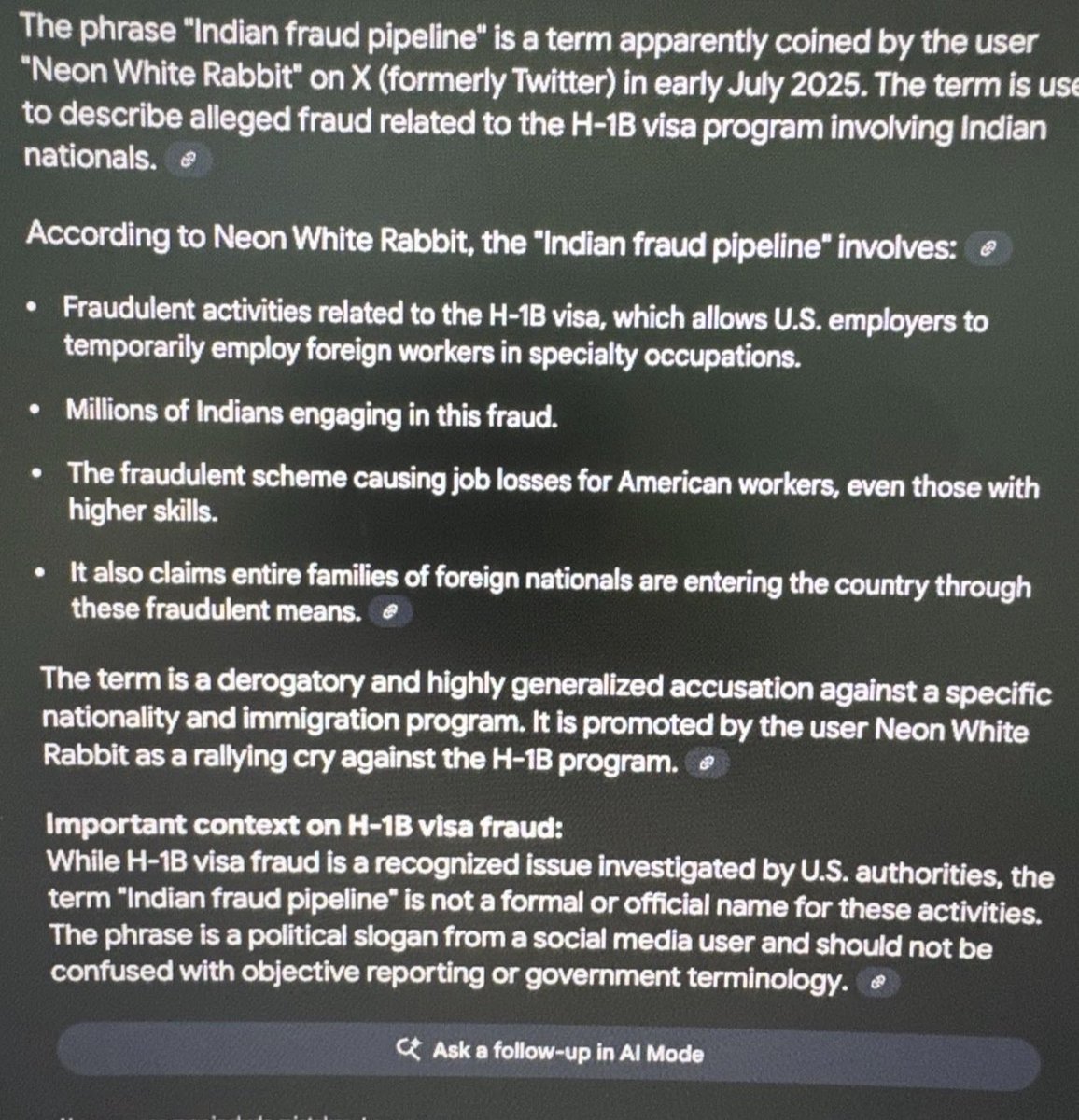
NEVER FORGET when I laid out the INDIAN FRAUD PIPELINE Google SCRUBBED and REWROTE the information as a lie. The INDIANS at the TECH COMPANIES use their positions to hide the fraud and the Indian invasion. It’s a NATIONAL SECURITY ISSUE. (Picture is before/after)