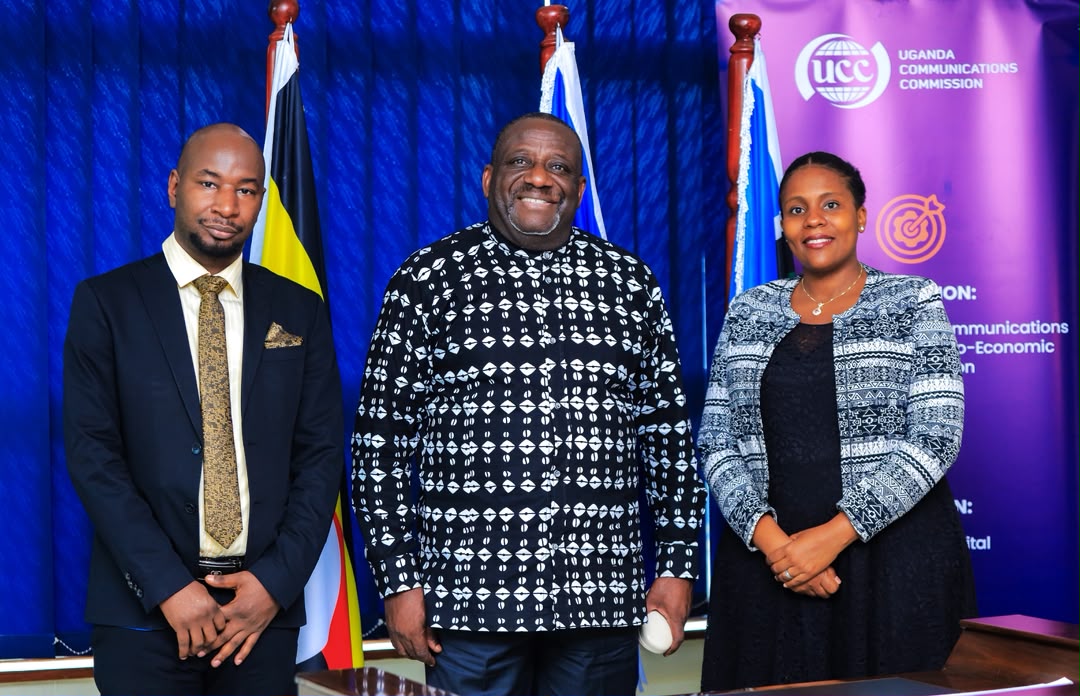
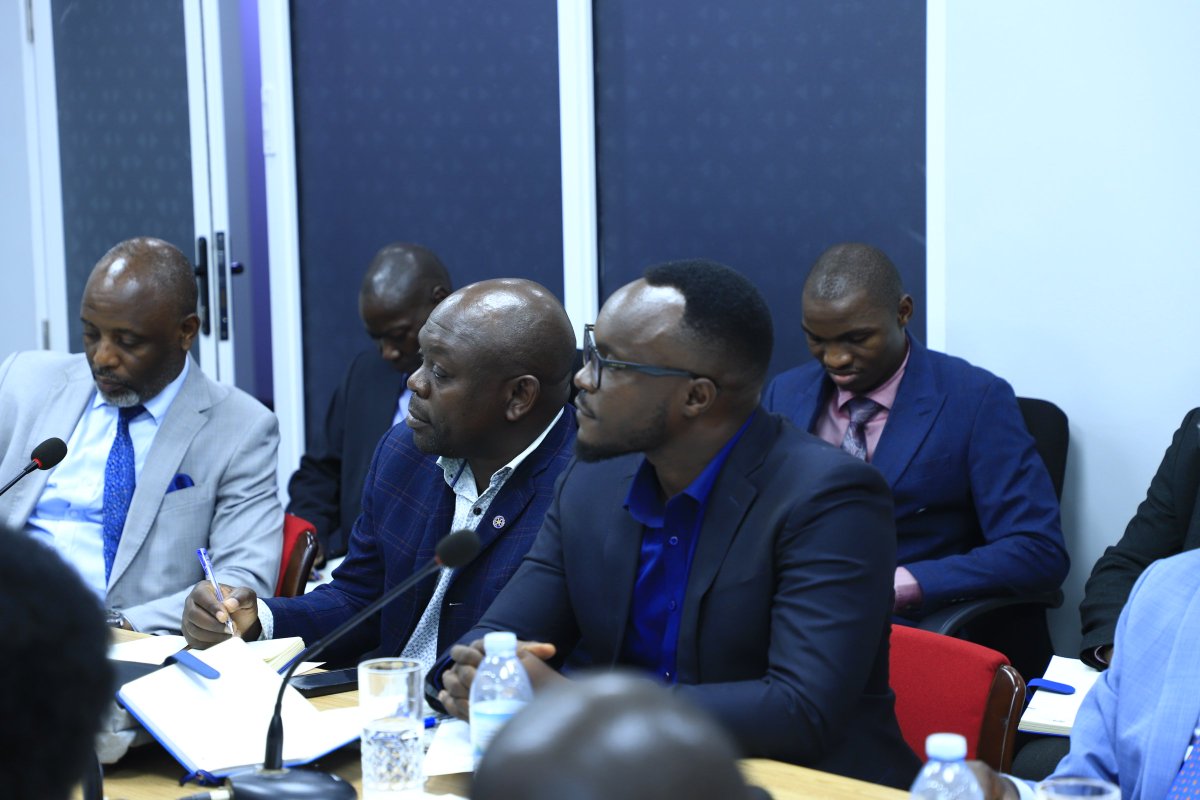
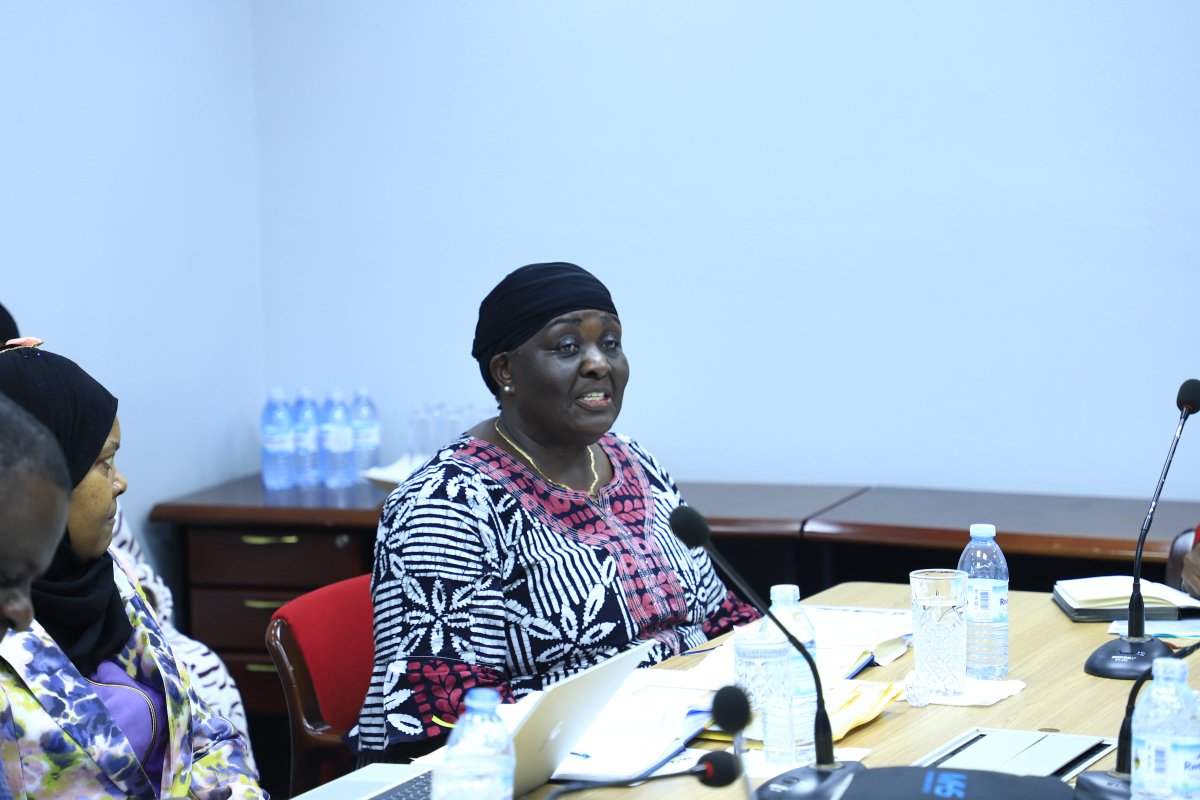
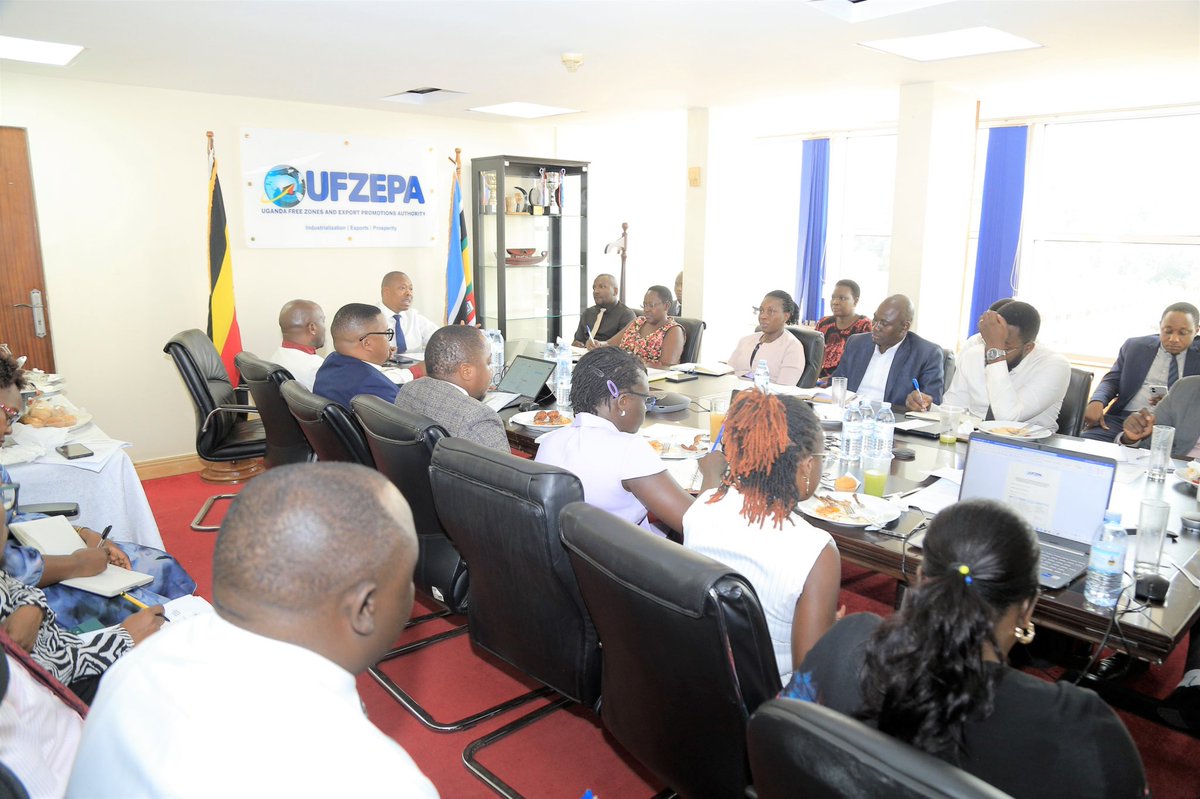
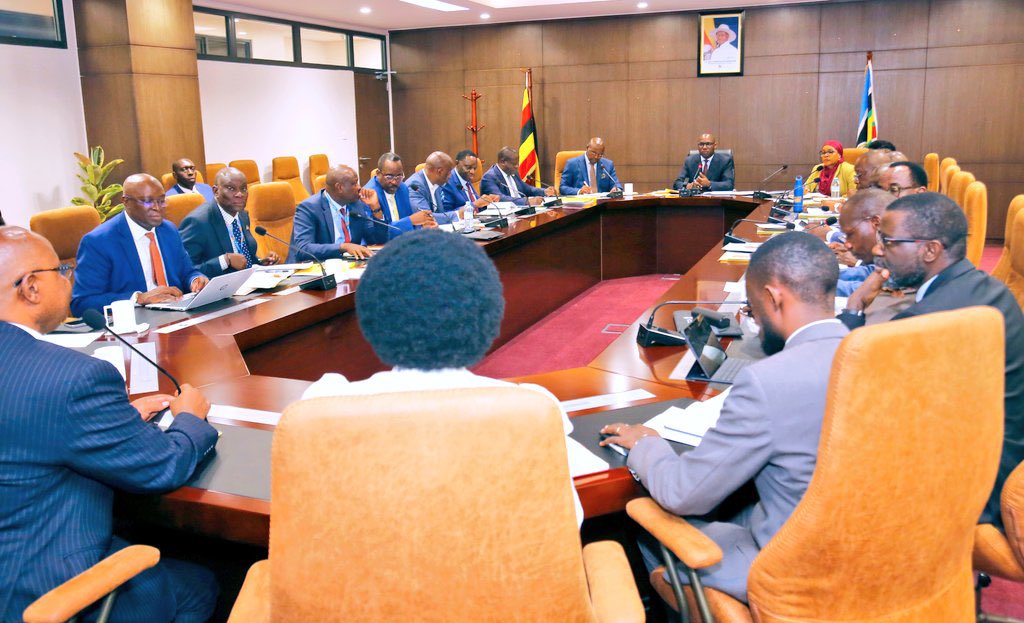
We engaged MDAs on operationalisation of the One-Stop Centre at the Entebbe International Airport Free Zone. Key areas discussed: standards assurance of the exports, customs inspection facilities, and ICT infrastructure to the Trade House, among others.
#FreeZonesandExportsUg
Uganda is advancing export competitiveness through the operationalisation of the One-Stop Centre at the Entebbe International Airport Free Zone. We convened key MDAs to streamline services, improve coordination and enhance the ease of doing business there. #FreeZonesandExportsUg
Join us at #KaundaGrounds for the BUBU Northern Region Trade Show organised by @mtic_uganda . Visit our exhibition booth to learn about SEZs/Free Zones, export promotion services & how Ugandan businesses can access regional & global markets
#BUBUTradeShow#FreeZonesandExportsUg
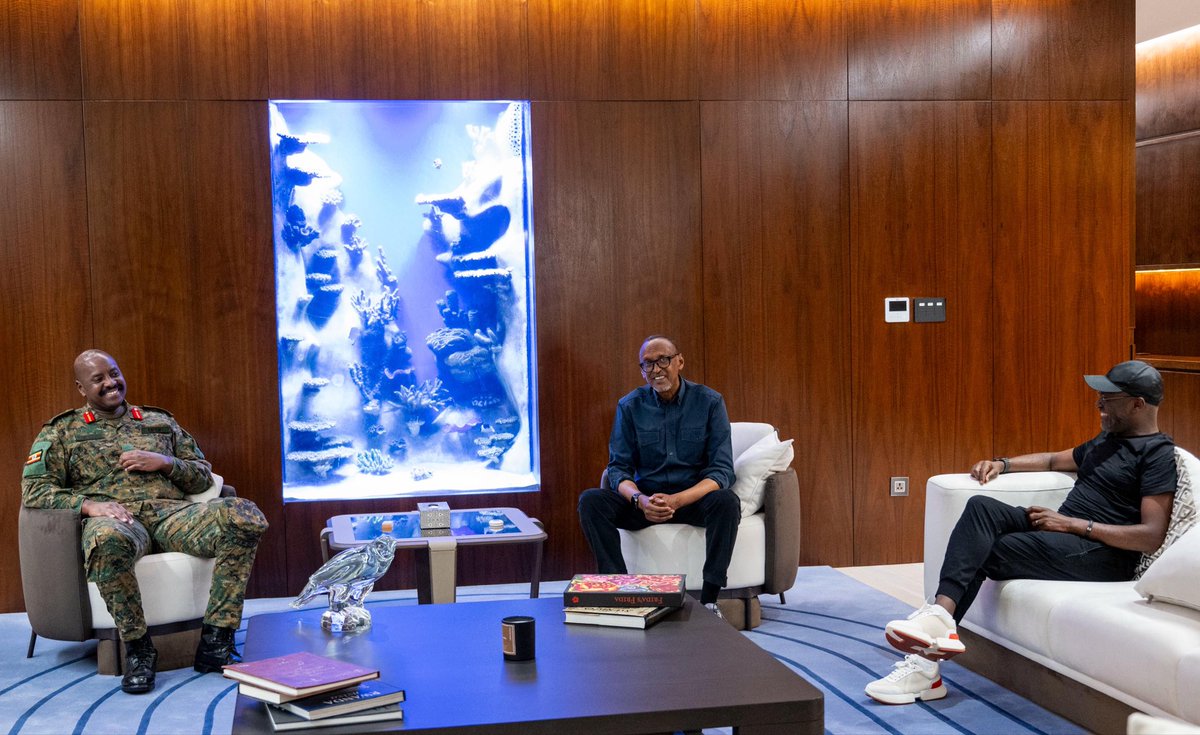
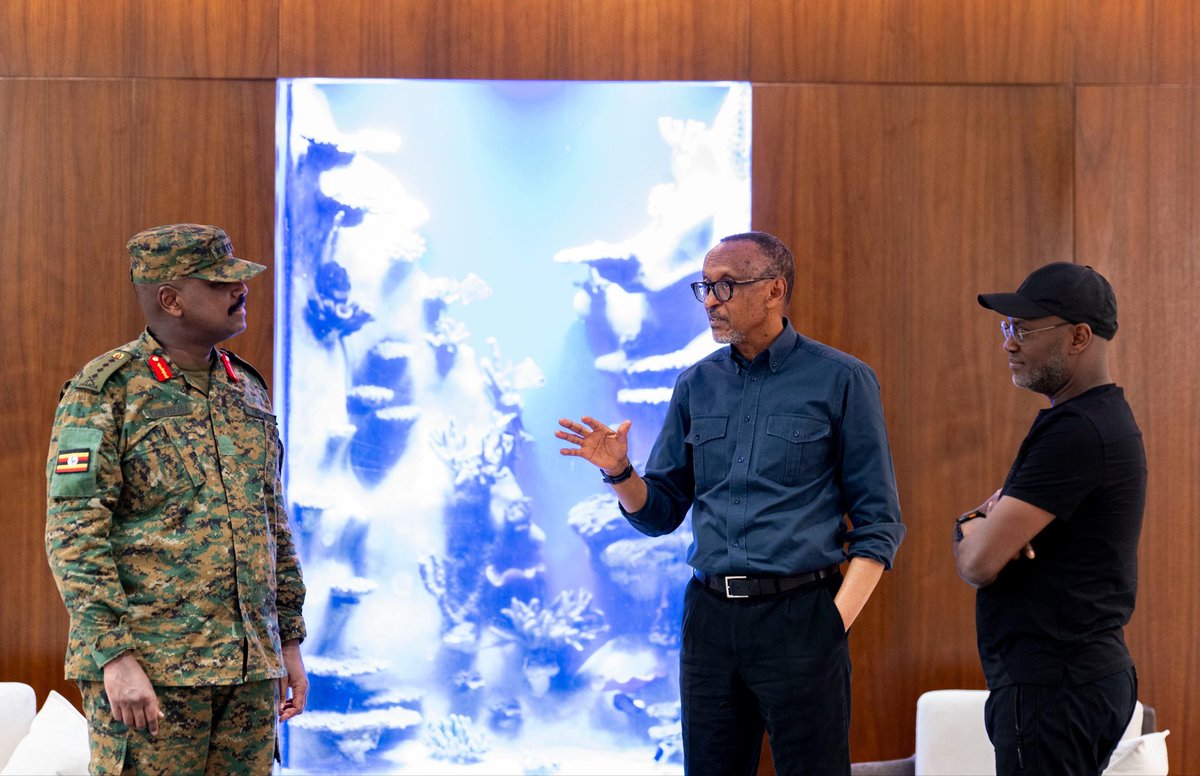
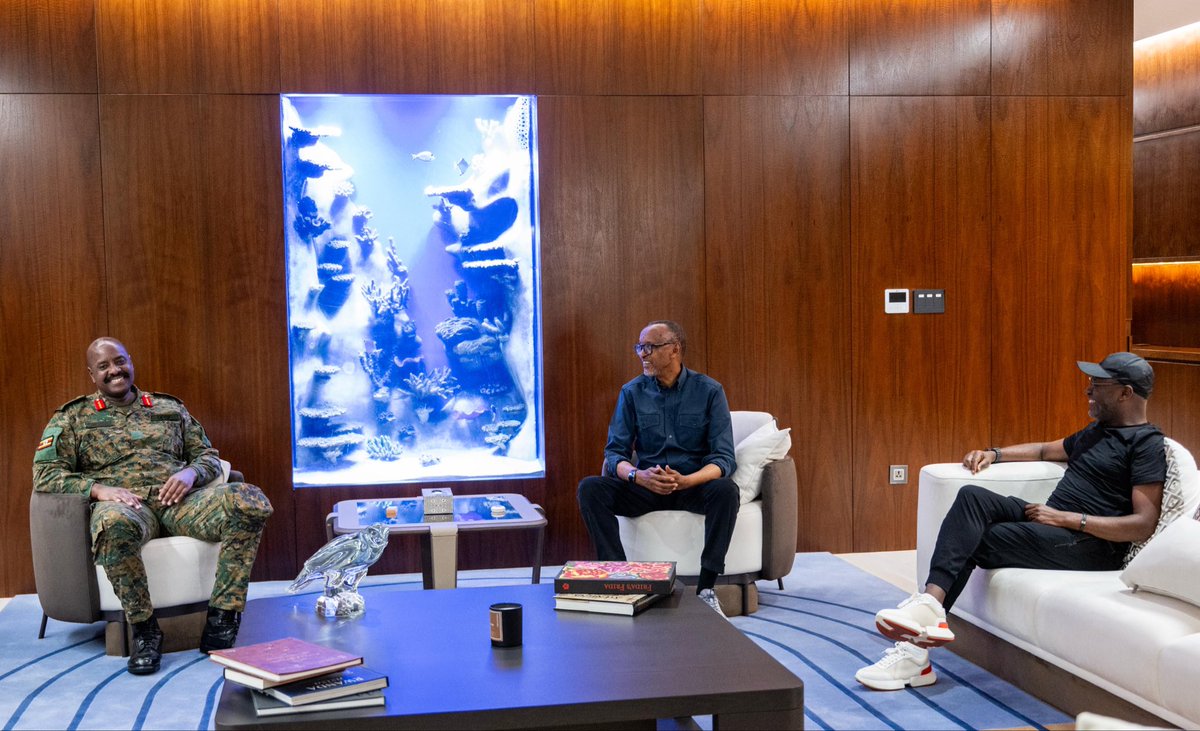
President Kagame today received General Muhoozi Kainerugaba, Chief of Defence Forces of the Uganda People’s Defence Forces (UPDF). Their discussions focused on the strong bilateral cooperation between Rwanda and Uganda, as well as regional peace, security, and stability.
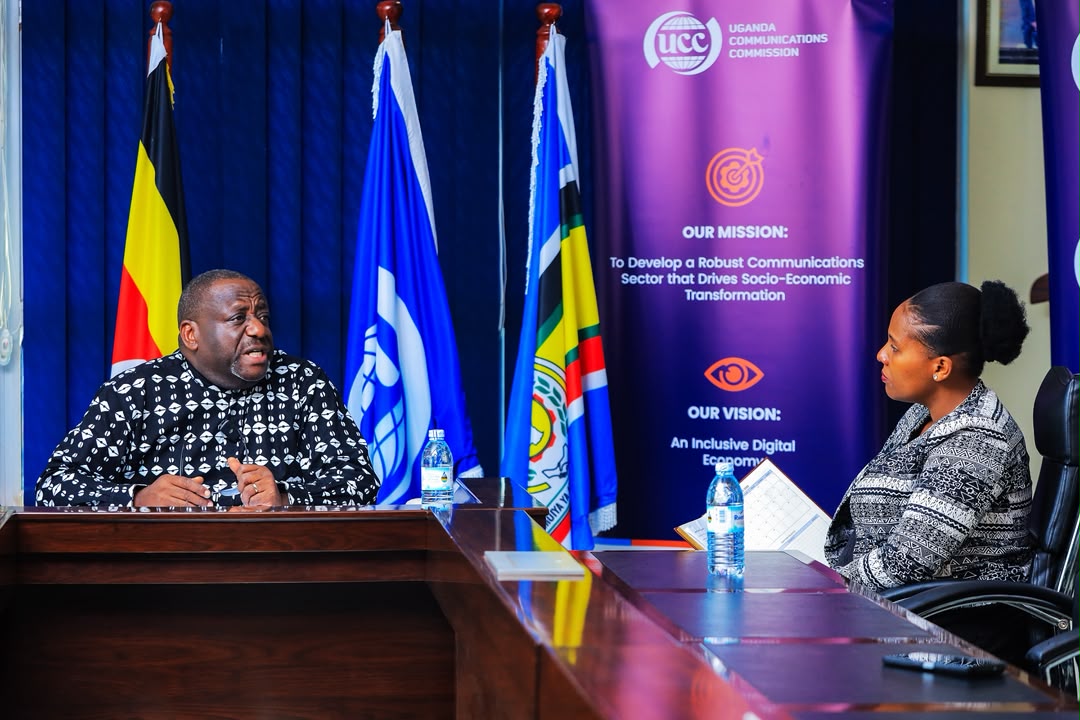
Last week, I had an engaging session with the team from the National Planning Authority (NPA), led by Brian Tumwine and Lilian Tushabe, for the upcoming second edition of the NDP Evolution Magazine.
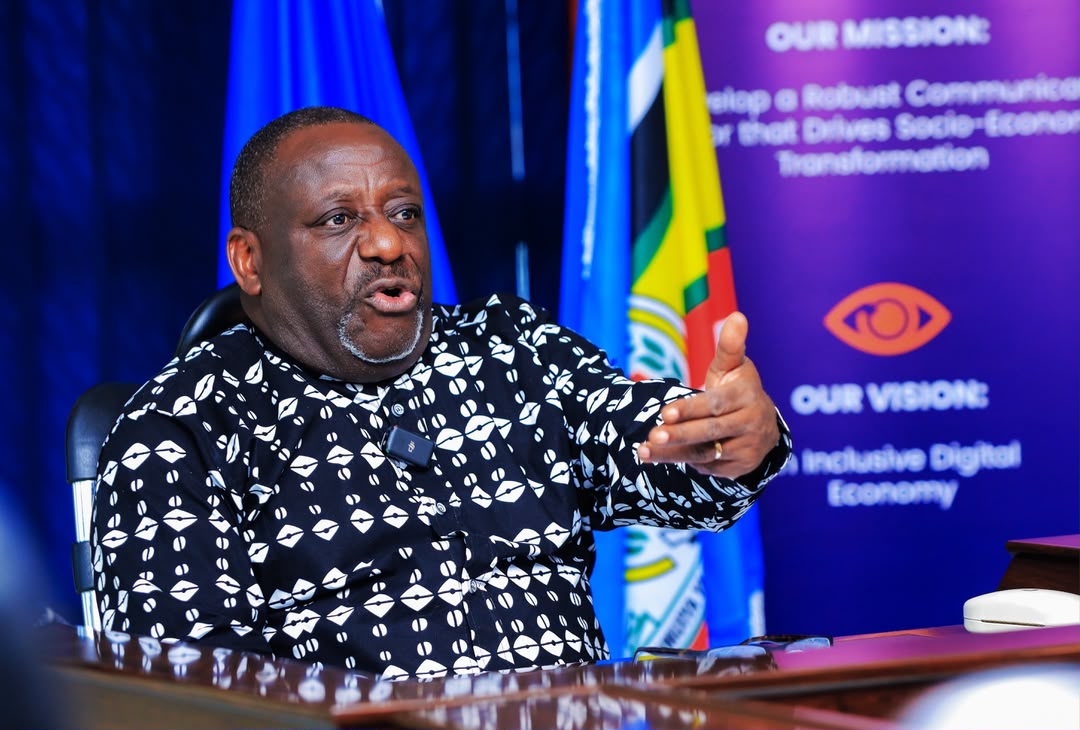
We delved into how the Uganda Communications Commission is actively aligning its regulatory frameworks to power the digital transformation goals of the Fourth National Development Plan (NDP IV).
At the heart of e-governance, digital literacy, and economic growth lies one critical pillar: Connectivity.
Our mandate is clear: ensuring our licensed operators achieve 90% geographical coverage across Uganda.
While voice connectivity (2G) has hit this mark and 3G is fast approaching it, our current aggressive push is on 4G, the true baseline for functional broadband and enterprise empowerment, which currently stands at around 70%.
Through the Universal Access Fund, we are also aggressively targeting the remaining 10% in commercially unviable areas to ensure no Ugandan is left behind.
As a forward-looking, learning regulator, we are also preparing for the future. From licensing Low Earth Orbit (LEO) satellite providers like Starlink to pioneering direct satellite-to-mobile pilots with Airtel in Murchison Falls National Park, we are embracing technologies that will deliver ubiquitous connectivity.
Look out for the full interview in the 2026 National Development Plan Magazine, themed "From Planning to Prosperity: What Uganda's First Three NDPs Have Taught Us and the Road Ahead," which will be officially launched by H.E. President Yoweri Kaguta Museveni on World Population Day (July 11, 2026).
Join us tomorrow, from 2:30-5:00 PM, for a virtual dialogue on “Technology & Research: What They Mean for Uganda's Population" ahead of World Population Day. Scan the QR code below the flyer or join via Zoom link: https://t.co/9NjRXjH0sE
SOUND ON:
First lady of the Republic of Uganda - Maama Janet .K. @JanetMuseveni
"I would like to see more pediatricians trained and distributed all across our country",
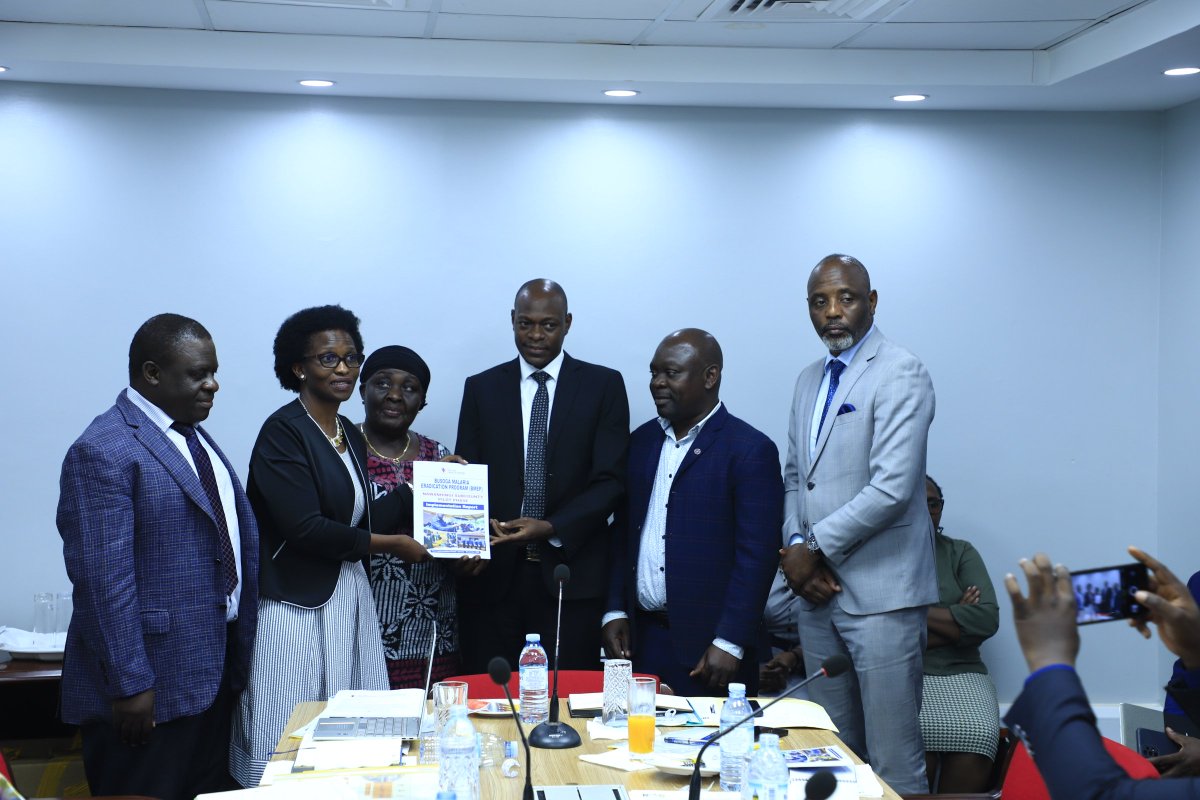
We are hosting H.E. @SpeciosaW, former Vice President of the Republic of Uganda, who is leading Members of Busoga Health Forum, @MoH, Makerere University & other partners to discuss the elimination of malaria in Uganda and what it means for Uganda's socio-economic transformation.
Uganda's $500 Billion Economy Will Be Built on Wires, Not Just Watts
By Joel Aita
I have spent more than twenty years building infrastructure in this country, and there is one conversation I have had more times than I can count.
An investor sometimes a manufacturer, sometimes a developer sits across the table, excited about Uganda. The land is secured. The financing is arranged. The business case works. Then comes the question that changes the mood in the room: "When can we get connected, and at what reliability?"
Too often, I have not been able to give the answer they needed to hear. In 2001, an Egyptian Electrical component industry wanted to open a factory in Arua. Challenge, there was no power enough to set up the facility in Arua.
That is why, whenever I hear our national ambition discussed growing the economy tenfold, from roughly US$50 billion to US$500 billion I notice what the conversation always circles around, and what it always misses. We debate dams. We debate gigawatts. We ask how much power we must generate.
Those are important questions. But I believe we are asking the wrong one first.
The bigger challenge is not generating electricity. It is moving it.
Consider where we actually stand. Over two decades, Uganda has invested billions in Bujagali, Isimba and Karuma and several other small stations. Our generation capacity has more than doubled with over 700MW “excess power”. And yet we have watched power plants commissioned before the transmission network was ready to evacuate them. We have watched industrial parks wait years for substations while their tenants ran diesel generators. Today we hold a generation surplus and still lose roughly one in every six units of electricity before it earns a shilling.
Generation attracts headlines. Transmission quietly determines whether those headlines translate into factories, jobs and exports.
Now run the numbers forward. A US$500 billion economy will require somewhere between 15 and 20 GW of installed capacity, but capacity is only half the equation. Supporting it will demand approximately 13,000 kilometres of new high-voltage transmission lines over the next two decades: an investment well above US$5 billion in transmission infrastructure alone, before we count the substations and grid intelligence that come with it.
Should government finance all of this? It cannot, and it should not. The same national budget must build hospitals, schools, roads and water systems. But here is what two decades in this industry have taught me: transmission is not a burden to be carried. It is an asset class waiting to be offered.
Uganda should introduce Public-Private Partnerships for electricity transmission.
The concept is straightforward. Private investors finance, build, operate and maintain transmission lines under long-term concession agreements. 25 to 35 years while government retains ownership of the strategic network and full regulatory oversight. Think of it as a toll highway for electrons: government decides where the highway goes; private capital builds it; users pay regulated charges for access.
The detail that makes this bankable is the revenue model. Investors are compensated through regulated availability payments paid when the line performs to agreed standards, not according to how much electricity flows through it. By separating infrastructure performance from electricity demand, the investment becomes predictable enough for pension funds and long-term institutional capital, the cheapest and most patient money in the world.
This is not theory. Brazil has awarded hundreds of transmission concessions through competitive auctions and attracted tens of billions of dollars into its grid. India's competitive transmission programme has done the same. In both markets, the pattern was identical: early investors earned attractive pioneer returns, confidence grew, and larger pools of international capital followed at ever-lower cost.
I believe Uganda is approaching that same moment and I say this as someone who has delivered projects under this country's regulatory and financing environment, not as an outside observer. We already hold the ingredients investors look for: an experienced regulator in ERA with two decades of credible tariff-setting, the Bujagali precedent proving that landmark private power financings can succeed here, and access to multilateral institutions able to mitigate political and payment risk. NSSF could be the first investor to move into such a project earning a decent 14-18% return.
What remains is the framework: a long-term national transmission master plan tied to our industrial corridors, a transparent tariff methodology written into concession agreements, efficient wayleave acquisition, and a pipeline of projects tendered competitively rather than negotiated one by one.
And one principle above all: build the grid before demand arrives. Industrial parks should have capacity before the investors land. Mining regions should have substations before extraction begins. Data centres each drawing as much power as a small city will choose the country where reliable high-voltage supply already exists, not the country that promises it later.
The investor across the table does not want to hear about our plans to connect them someday. They want to see the line already humming at the boundary of their site.
A US$500 billion economy will not be built by power stations alone. It will be built by the network that connects those stations to every factory, technology park, mine, city and enterprise that depends on reliable electricity.
In the end, Uganda's growth will depend not only on the watts we produce but on the wires we have the vision, and the courage, to finance and build.
Joel Aita
An Infrastructure Consultant
Muni University Council Chairman
State House has commenced the induction of 36 newly recruited Farm Managers and Finance Officers who will oversee agricultural enterprises at the Presidential Industrial Skilling Hubs and supervise over 170 SACCOs established to support programme graduates.
The officers are undergoing a week-long training at the Oliver Reginald Tambo Leadership School in Kaweweta in leadership, patriotism, political economy and mindset transformation ahead of their deployment.
The 19 Presidential Industrial Skilling Hubs are being transformed into centres of production and wealth creation through value addition projects, including a paper processing plant in Mbarara and a grain milling facility in Masindi.
The newly recruited officers will also oversee the Shs50 million revolving funds injected by President @KagutaMuseveni into graduates' SACCOs and support efforts to strengthen accountability, sustainability and job creation under the Presidential @IndustrialHubs programme.
Gen. Salim Saleh, thank you for being a friend I can always count on. Your genuine kindness, tolerance, and willingness to support ordinary Ugandans and those around you make you a true pillar of our community. I am incredibly grateful to have you in my corner.
Happening now.
In Tororo, Hon. Hajjat Aminah Mukalazi joins H.E. Jesca Alupo, Rt. Hon. @ObothOboth, Hon. @FrankTumwebazek , other Cabinet Ministers, and OWC officials for the launch of the Ekibaro farming practice program, an initiative focused on increasing coffee, cocoa, and banana production across Eastern Uganda while promoting commercial agriculture. Coordinated by MAAIF, @OWC_ug, and the State House Local Content Unit, the program is organized by the Vice President. #LocalContentUg
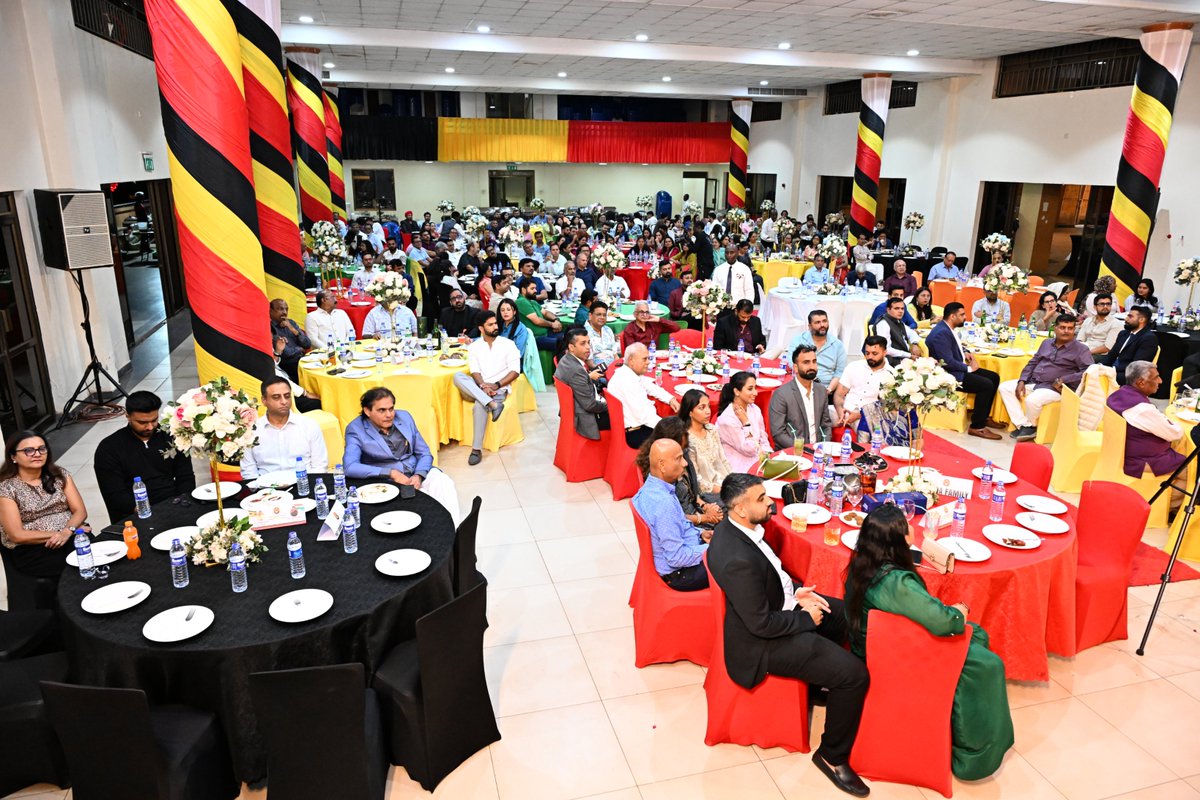
This evening, the Indian Business Community in Uganda came together at Lohana International School for a special thanksgiving event to congratulate Hon. @STanna444 on his appointment as Minister for Trade, Industry and Cooperatives.
“Our planning ambition is to transform Uganda into a globally competitive, preferred tourism destination that significantly advances the Tenfold Growth Strategy achieving USD 50 billion by 2040.", Says @bugongaarnold, our Senior Planner, Cooperatives, Trade & Tourism
Today I shared my vision for the Ministry with @mofpedU top management team as i embark on executing my mandate.
While chairing the maiden top management meeting, I noted that my commitment is to transition Uganda from incremental growth to exponential economic take-off through these five pillars.
1️⃣ The USD 500 billion target. We shall relentlessly execute the tenfold growth strategy to turn Uganda into a 500 billion-dollar-economy.
2️⃣Enforcing absolute discipline. We shall shift the Ministry culture from spending money to enforcing results.
I will also demand strict budget discipline, aggressive procurement reforms and rigorous value for money audits on all public projects.
3️⃣Aggressive revenue mobilization. We shall implement the second domestic revenue mobilization strategy to push our revenue to GDP ratio to at least 20%, cutting external dependency.
4️⃣Presidential wealth creation agenda. The Ministry will prioritise funding and tracking the commercialization of the smallholders to ensure every Ugandan enters the money economy.
5️⃣Smart oil governance. We shall manage our impending oil revenues with bulletproof institutional guardrails and oil revenue will be used to build infrastructure.
The goal is for Uganda to become an oil producer but never an oil dependent economy.