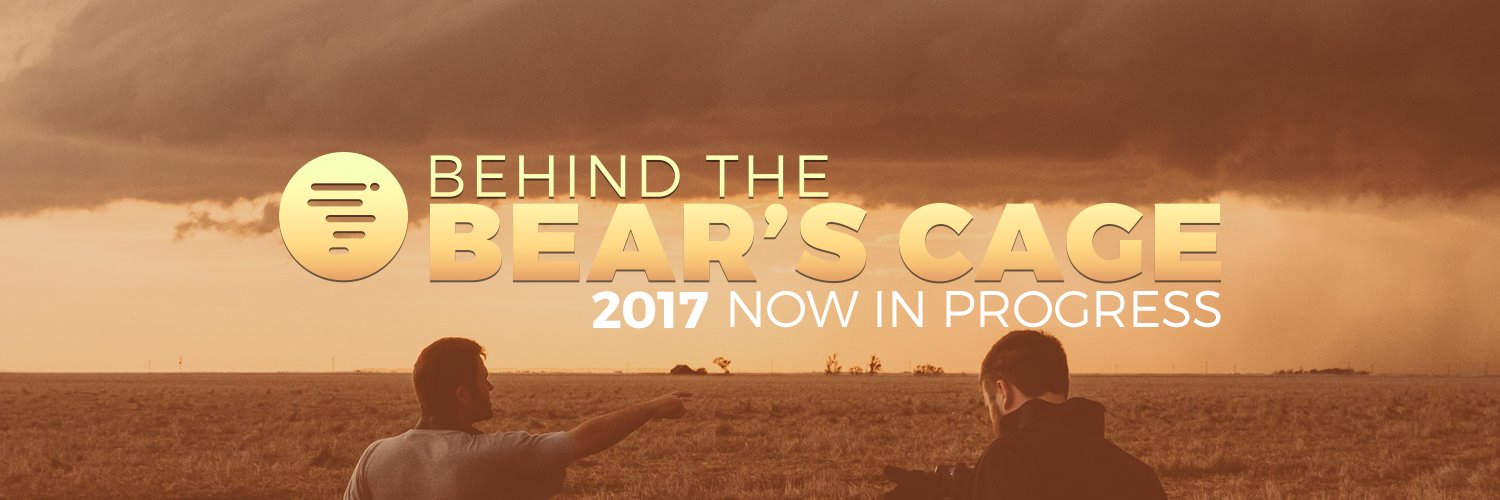
Photogenic tornado around 30 miles west of San Angelo, Texas. Lifted 4 mins ago. Watch live as a Patreon Supporter via: https://t.co/NYHSOgbcUn @NWSSanAngelo#txwx
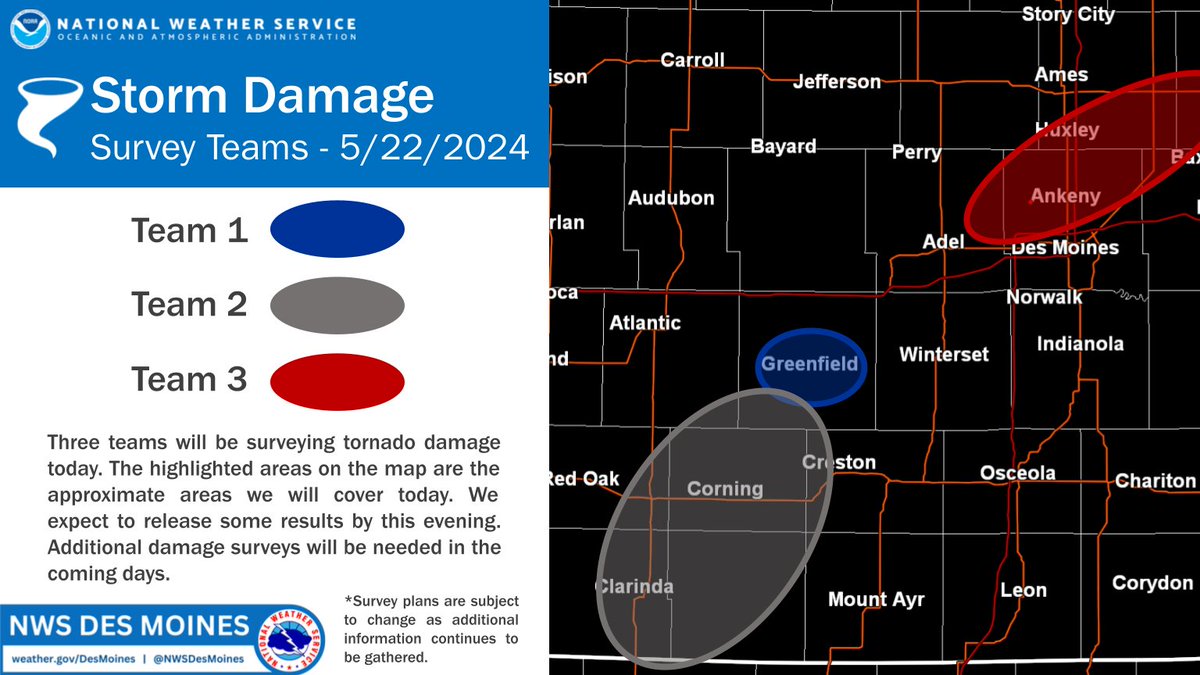
Reminder, 3 survey teams are out in the field today.
Please be sure to give them (and first responders and recovery efforts) space.
We will post additional information is assessed and as we are able to. Thank you for your patience and understanding. #iawx
🚨WxTwitter Rant Thread 🚨
Since I’ve seen we’re going with Search and Rescue takes following a tornado. I’ll be Frank and this is coming from a 15 year career firefighter that was assigned to an Urban Search and Rescue Team and deployed multiple times to disasters.
1. It’s better to not lend assistance if you have no training of any kind and don’t feel comfortable. That’s perfectly ok. Most times the second leading cause of death in natural disasters occurs from the “would-be rescuer” which is an untrained civilian that means well but has no formal training or a lack of complete training in what they’re doing.
2. Learn what Good Samaritan laws are across different states/jurisdictions. If you’re a trained professional then you already know the term “Duty to Act.”
3. Just because you have helped people before doesn’t mean you do not need professional training.
4. If you’re not willing to see or do not think you can handle seeing a deceased or badly injured person that has been dismembered or some other form of blunt force trauma, then stay away. Trust me when I say this - I wish my mind could forget what my eyes have seen. Things you see will never leave you.
5. Everything wants to kill you in the post disaster environment. You’re only 1 step away from having a 16 penny nail through your foot, one hand away from grabbing a live electrical wire in or near debris, and many many other things.
6. Don’t gloat about it on social media because well, it’s not about you. Period. Have some humility.
7. When the professionals arrive, offer assistance but do NOT go freelancing. The last thing I or any incident commander would ever want on my scene is a bunch of Ricky rescues going in places that I’ve already cleared in a grid search or places of esp high dangers/risks. Did you know a simple grocery store and other innocuous commercial buildings has something called anhydrous ammonia in their cooling systems? Huh? Yeah. One breath can be agonizing and fatal. That’s just the tiny tip of that iceberg.
8. Similar to number 7, be an asset to professionals, not a liability.
9. Refer back to 1-8.
10. Seek professional training, don’t buy dumb tactical medical bags o shit on amazon or other places bc it’s mostly worthless. I see lots of focus on tourniquets and a tourniquet is a valuable tool but you better know how to use it otherwise your well intentioned tool could cause someone to lose an arm or leg bc you thought putting a tourniquet on a non-arterial laceration was a grand idea. Focus on the basic things like nitrile gloves, bandages, gauze, and so on. Stuff to control bleeding.
If you find someone without a pulse, please understand the odds of saving a healthy person with no Med issues or co-morbidities a non-witnessed traumatic cardiac arrest are less than 1%, more like .1 - .50% at most. Buying an AED for traumatic cardiac arrests is a waste of funds bc that’s not what they’re designed to treat.
Oh yeah, be humble. It’s not about you. Don’t go into a situation you’re not willing to live the rest of your life with. Be smart. Seek knowledge.
Rant over
OTD in 1977: The same parent thunderstorm complex that brought an F5 tornado to Birmingham was responsible for the crash of Southern Airways Flight 242 in Georgia. It was a flight from Huntsville to Atlanta; 63 died on the aircraft; 9 on the ground died.