Buried Treasure Fossils is your trusted source for quality fossil shark teeth, dinosaur fossils, trilobites, etc. for sale including Megalodon and T. rex teeth.
Who doesn’t love an awesome #ankylosaur?
Here we have #Euoplocephalus on display at the Quinte West Museum in Ontario.
Armored eyelids, bony neck rings, osteoderms across the body, and an ultra cool tail club provide this tank-y #dinosaur coolness for days! :-)
#FossilCrates
#Euoplocephalus shakes it off at the Quinte Museum of Natural History.
Lambe named it #Stereocephalus in 1902, I presume he meant “solid head.” A beetle preoccupied it, so he gave us arguably the most misspelled #dinosaur name ever. Olshevsky would have known…
#FossilCrates
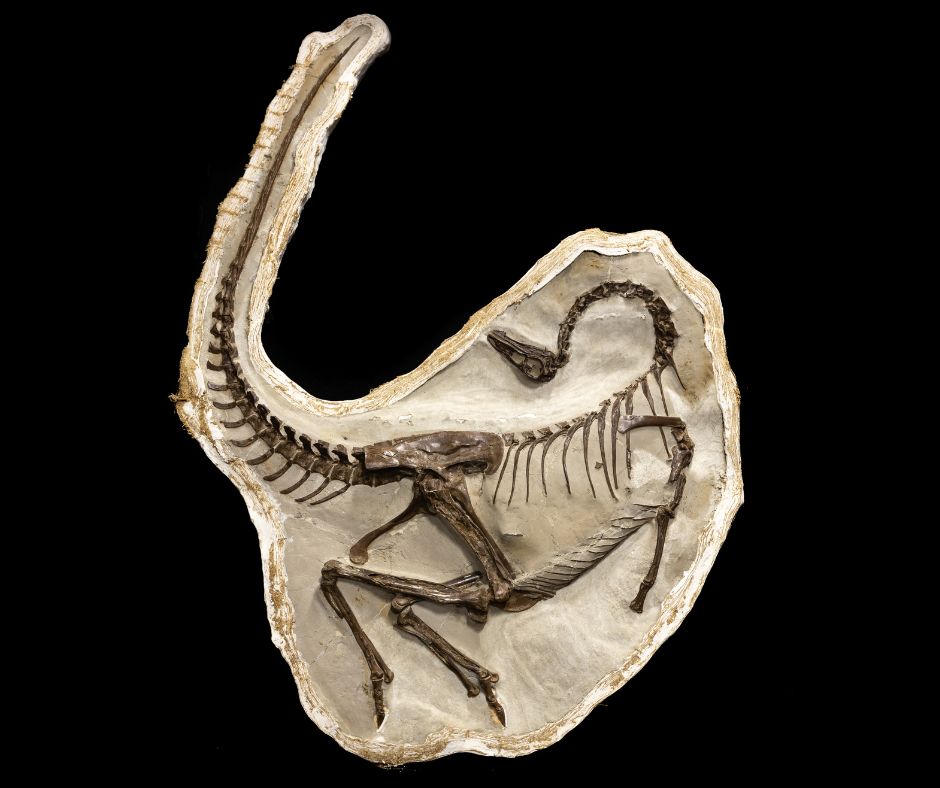
This is the world’s most complete Ornithomimus skeleton, with only a few hand bones missing. The specimen was completely hidden within the rock. It was discovered when a jackhammer hit the shoulder blade while the crew was digging for plant fossils. #RTMPFossilChallenge
This is the most complete #Stegosaurus ever found. 🤯
It lived about 150 million years ago and was discovered in 2003 by fossil hunter Bob Simon in Wyoming.
Now found in our Earth Hall, this delightful dinosaur named Sophie welcomes visitors every day! 👇
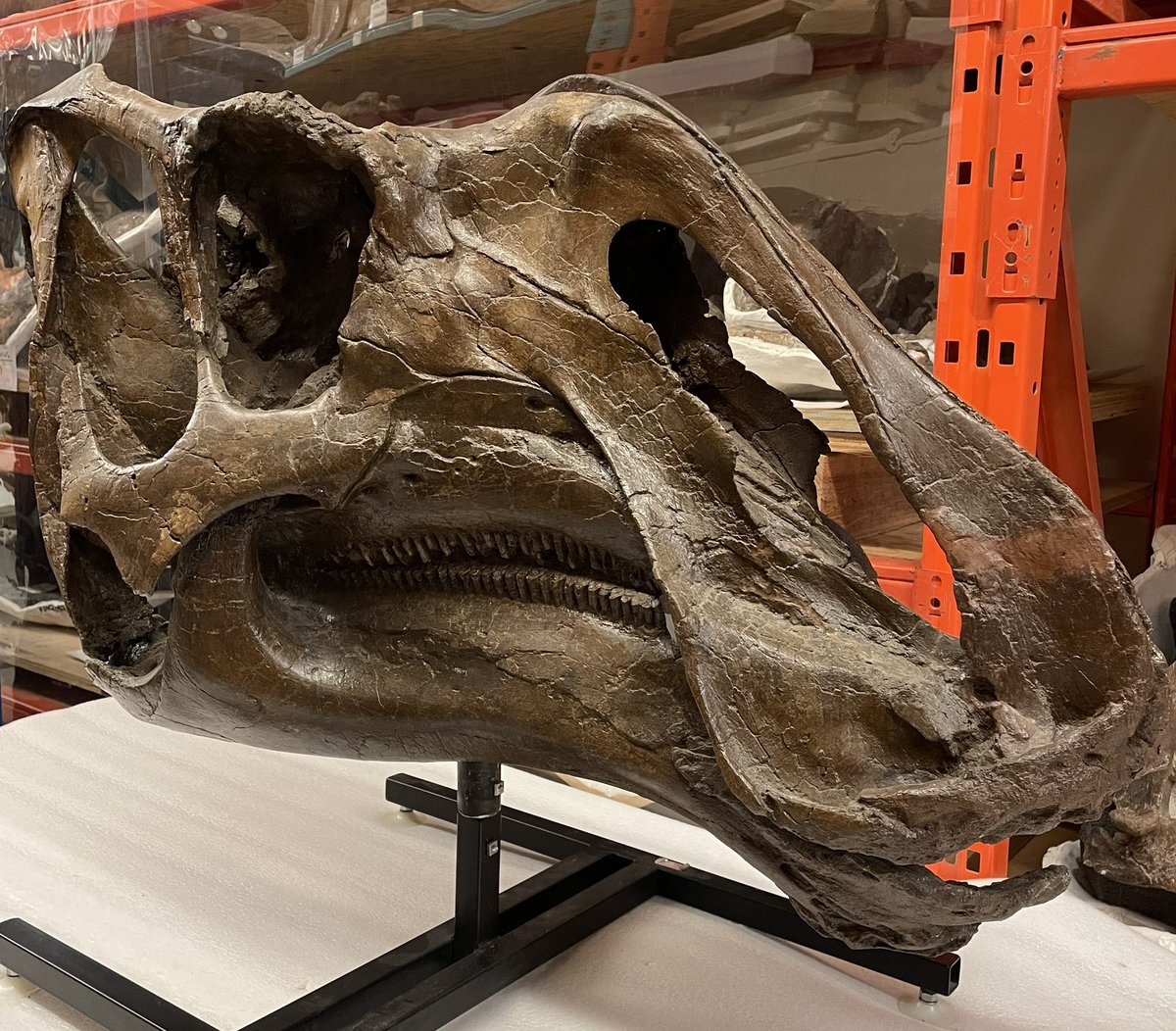
#DYK you can distinguish between Lambeosaurus species by the shape of the crest? Lambeosaurus lambei (left) has a crest that includes a short rod projecting backward. The crest of Lambeosaurus magnicristatus (right) has no rod. #GalleryGlimpse
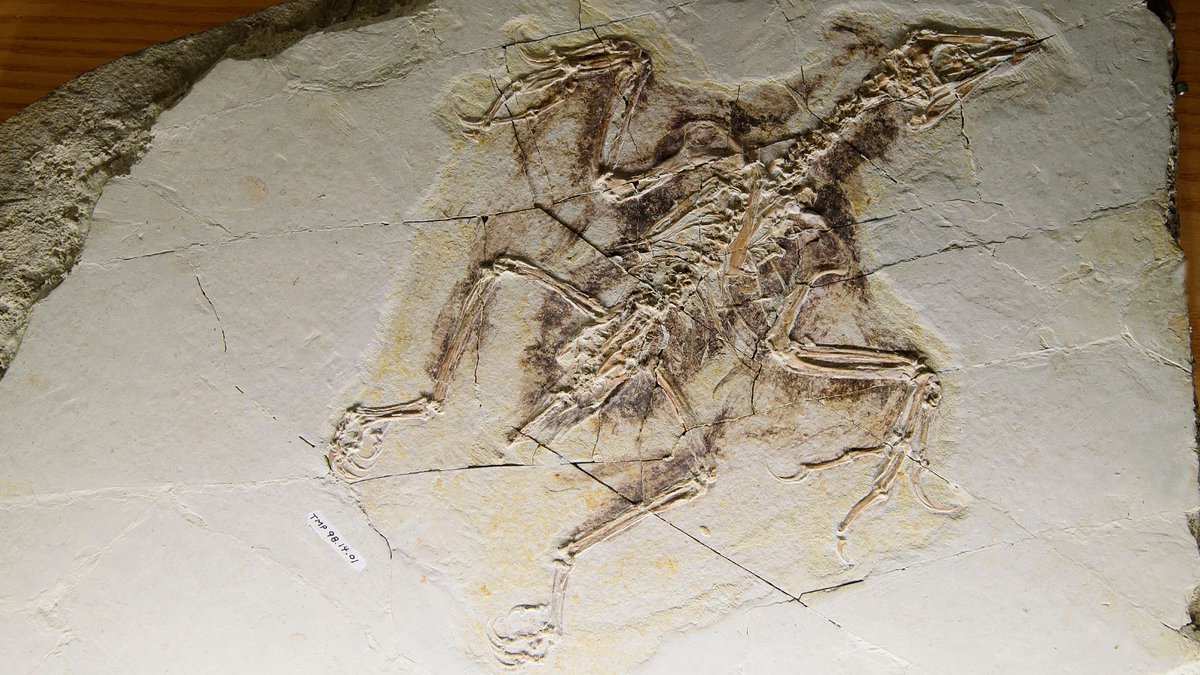
On #NationalBirdDay, we present one of the earliest known birds, Confuciusornis sanctus. Confuciusornis was similar to modern birds in that it had a toothless beak and feathers for flight; however, its prominent clawed forelimbs appear more similar to those of a dinosaur.
Another one of Dr. Therrien’s favourite fossils is this juvenile Gorgosaurus known as ‘Blossom.’ Skeletons of young dinosaurs are relatively rare, making this young tyrannosaur an important find. This specimen is currently on display in our “Fossils in Focus” exhibit.
This “exploded” Daspletosaurus skull is comprised of 41 fossilized bones that were found separate from each other and uncrushed. This specimen, on display in our Foundations exhibit, shows just how many bones make up the animal’s skull.
This Gorgosaurus maxilla (upper jaw) cast was created specifically for our Gallery Experience Officers to use as an educational tool with visitors. The original fossil rests in our Collections. If you notice our staff carrying fossils in the galleries, ask them questions!
Did you know tyrannosaur teeth took between one and two-and-a-half years to grow? Many dinosaurs lost and replaced teeth throughout their lifetimes, which explains why tooth fossils are so abundant. #TyrannosaurTuesday
This juvenile Prosaurolophus specimen is special for the skin impressions preserved near the ribs. Skin impressions on fossils can be rare, but they provide valuable information about an animal’s hide that fossilized bones alone cannot reveal. #RTMPCollections
Pterosaur fossils are extremely rare. Imagine the excitement when a bone from a juvenile flying reptile was collected at Dinosaur Provincial Park through our collaboration with the @UniofReading field school. Learn more in this week’s fossil feature with our Dr. Caleb Brown.
There are some terrifying creatures lurking in the Museum’s collections. Take Dilophosaurus, for example. Did you know these dinosaurs grew to be 20 feet long? They were not the dog-sized critters shown in the 1993 Jurassic Park movie.
In this week’s “Fossils from the Field” video, our Dr. Caleb Brown shows off dinosaur claws that were recently collected from Dinosaur Provincial Park. These fossils were excavated in collaboration with @UniofReading.
Say hello to an ancient teenaged Stegoceras valdium. This dinosaur was a sub-adult when it died, meaning it was nearly adult-sized. This pachycephalosaur skull is unique for the peripheral elements preserved around the skull dome, which are found less frequently.