I have been saying this for some time now:
Nigerian realist writers from minoritized ethnicities need to write more fiction about their peoples, cultures, histories, homelands, their present.
Lived-in fiction.
And set it in your homeland, not Lagos.
https://t.co/Hp6hJbFhpZ
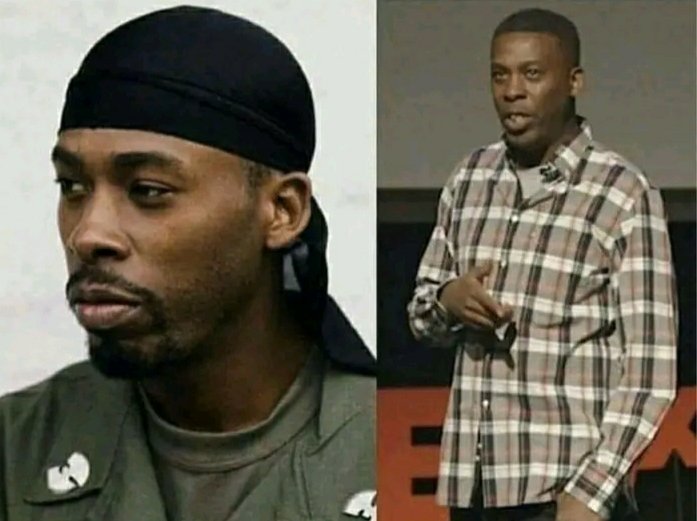
GZA may be the only rapper who lectures about quantum physics at Ivy League institutions including Harvard and MIT. That honor stems from his acknowledged role as “the Genius”- “Voltron head” of hip-hop's most notorious group Wu-Tang Clan #BlackExcellence
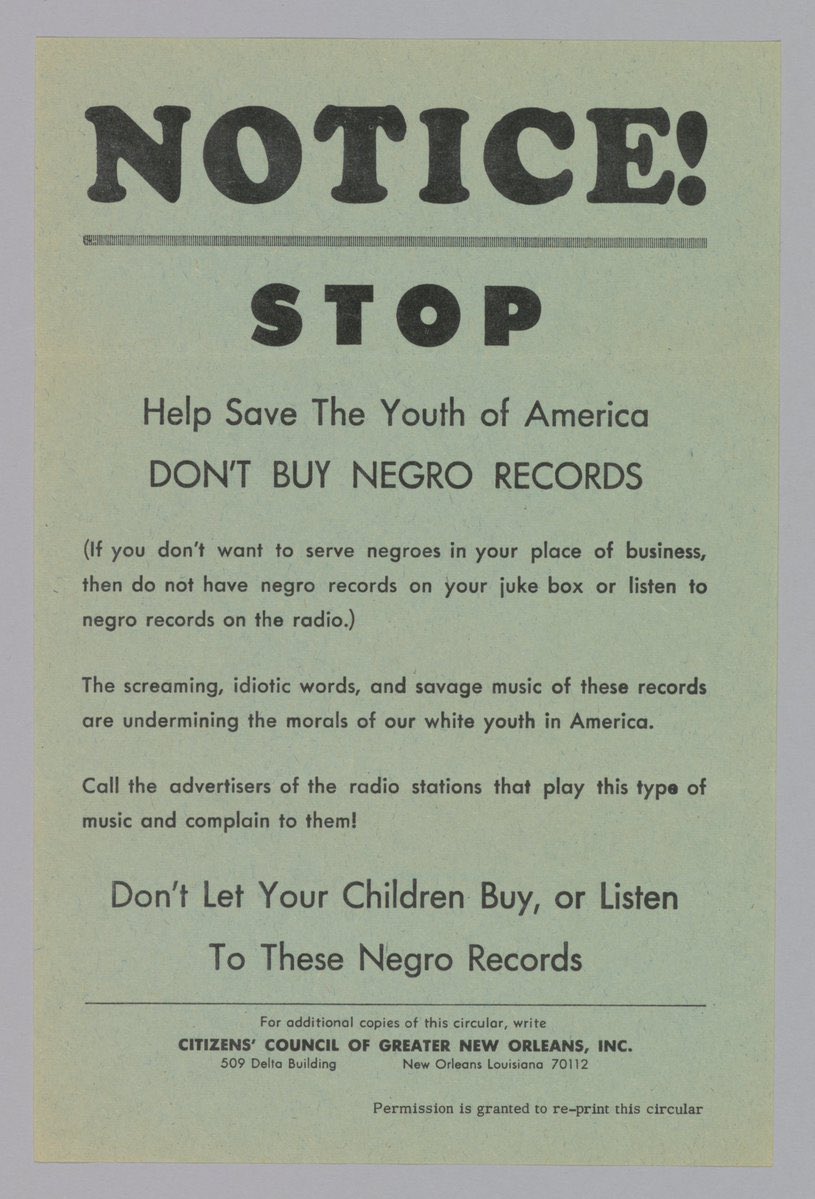
New Orleans in the 1960s was sharply divided over the practice of segregation, and the "Citizens’ Council of Greater New Orleans" advocated some pretty silly stuff, including a protest against black musicians.
James Arthur Baldwin was a novelist, essayist, playwright, poet, and social critic.
Baldwin's essays, such as the collection Notes of a Native Son (1955), explore palpable yet unspoken intricacies of racial, sexual, and class distinctions in Western societies, most notably in mid-20th-century America, and their inevitable if unnameable tensions.
Some Baldwin essays are book-length, for instance The Fire Next Time (1963), No Name in the Street (1972), and The Devil Finds Work (1976).
His novels and plays fictionalize fundamental personal questions and dilemmas amid complex social and psychological pressures thwarting the equitable integration of not only blacks, but also gay men—depicting as well some internalized impediments to such individuals' quest for acceptance—namely in his second novel, Giovanni's Room (1956), written well before gay equality was widely espoused in America.
Baldwin's best-known novel is his first, Go Tell It on the Mountain (1953).
SOCIAL & POLITICAL ACTIVISM:
he wrote about the movement, Baldwin aligned himself with the ideals of the Congress of Equality (CORE) and the Student Nonviolent Coordinating Committee(SNCC). In 1963 he conducted a lecture tour of the South for CORE, traveling to locations like Durham and Greensboro, North Carolina and New Orleans, Louisiana. During the tour, he lectured to students, white liberals, and anyone else listening about his racial ideology, an ideological position between the "muscular approach" of Malcolm X and the nonviolent program of Martin Luther King Jr..
By the Spring of 1963, Baldwin had become so much a spokesman for the Civil Rights Movement that for its May 17 issue on the turmoil in Birmingham, Alabama, Time magazine put James Baldwin on the cover. "There is not another writer," said Time, "who expresses with such poignancy and abrasiveness the dark realities of the racial ferment in North and South."
In a cable Baldwin sent to Attorney General Robert Kennedy during the crisis, Baldwin blamed the violence in Birmingham on the FBI, J.Edgar Hoover, Mississippi Senator James O. Eastland, and President Kennedy for failing to use "the great prestige of his office as the moral forum which it can be."
Attorney General Kennedy invited Baldwin to meet with him over breakfast, and that meeting was followed up with a second, when Kennedy met with Baldwin and others Baldwin had invited to Kennedy's Manhattan apartment. The delegation included Kenneth Clark, a sociologist who had played a key role in the Brown v. Board of Education decision; actor Harry Belafonte, singer Lena Horne, writer Lorraine Hansberry, and activists from civil rights organizations. Although most of the attendees of this meeting left feeling "devastated," the meeting was an important one in voicing the concerns of the civil rights movement and it provided exposure of the civil rights issue not just as a political issue but also as a moral issue.
Baldwin also made a prominent appearance at the Civil Rights March on Washington, D.C.on August 28, 1963, with Belafonte and long time friends Sidney Poitier and Marlon Brando.
After a bomb exploded in a Birmingham church not long after the March on Washington, Baldwin called for a nationwide campaign of civil disobedience in response to this "terrifying crisis."
Baldwin traveled to Selma, Alabama, where SNCC had organized a voter registration drive; he watched mothers with babies and elderly men and women standing in long lines for hours, as armed deputies and state troopers stood by—or intervened to smash a reporter's camera or use cattle prods on SNCC workers. After his day of watching, he spoke in a crowded church, blaming Washington --"the good white people on the hill." Returning to Washington, he told a New York Post reporter the federal government could protect Negroes—it could send federal troops into the South. He blamed the Kennedys for not acting.
If Venezuela received even 1% of the media and public attention that Hamas terrorists in Gaza get, it would be free in five minutes. People have been fired at in Venezuela, and millions have had their rights taken away. For years, they have been forcibly displaced from their country, with the nation starving and suffering. Yet, there are zero protests in London or New York in support of them. No "Free Venezuela" movements or calls for a ceasefire from the UN or NGOs. What if #Venezuela were Israel? How many statements would you have heard by now?
Horcelie Sinda Wa Mbongo explores "Exhibition Activism" as he speaks with Mwazulu Diyabanz. The Congolese activist has led protest actions against the monopolization of African cultural property by Western countries 📷: Florent Bardos/Abaca/Sipa USA(AP)
https://t.co/lrz8hGuhZz