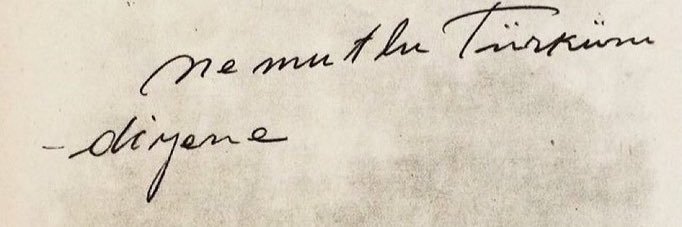
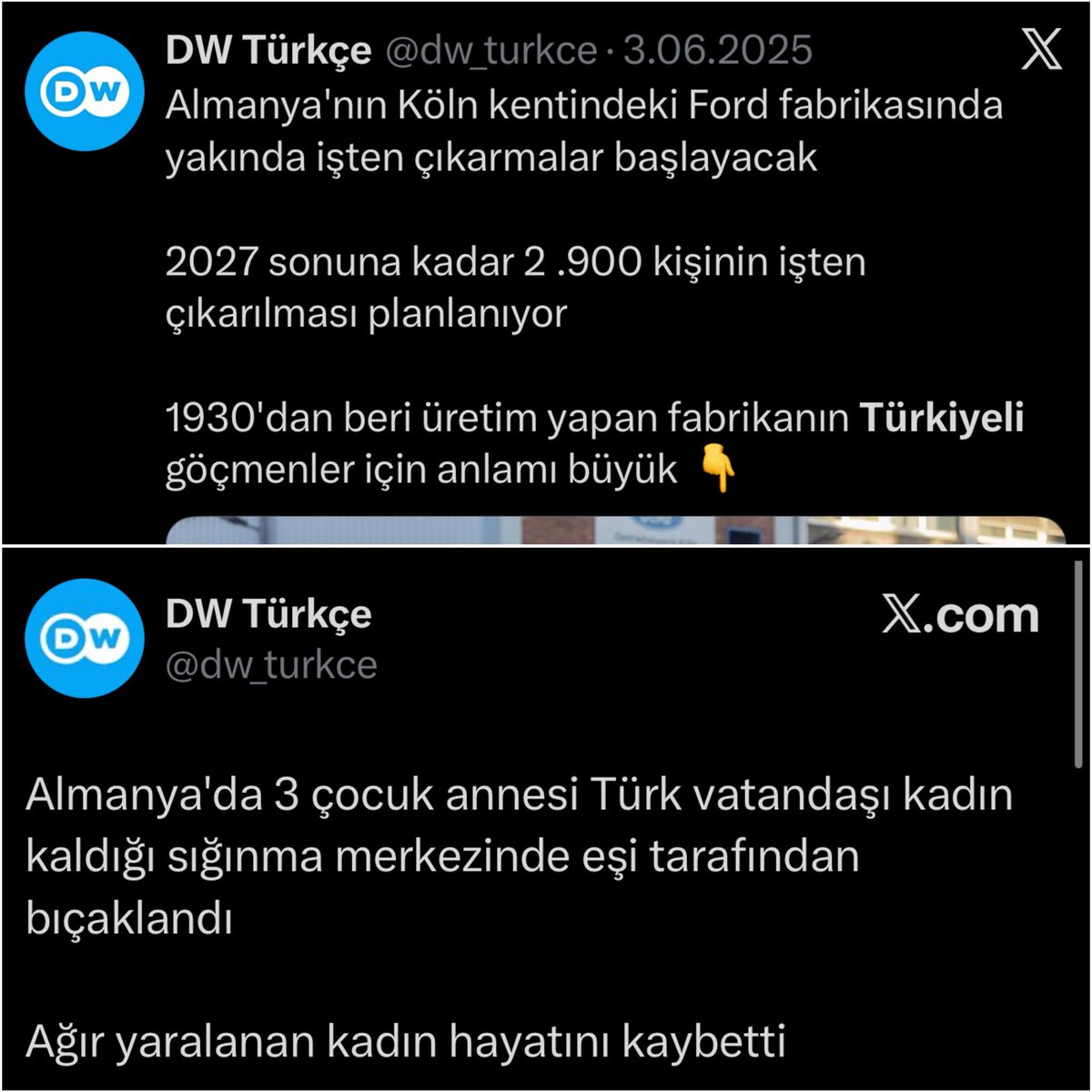
@rabittoke İçeride “Türkiyeli” saçmalığı, dışarıda bu. Türk milletini Türküm demeye utandırmak istiyorlar. Bu duruş aslında buna bir tepki.
Gayretiniz için çok teşekkürler. Milletimizin artık kendine gelmesi şart yoksa çok geç olacak.
ARTICLE 59 :
Under Article 59 of the Treaty of Lausanne, Greece was condemned to pay reparations for the war crimes committed during its invasion of Anatolia. By signing this clause, the Greeks formally confessed to their unlawful acts and violations of the laws of war.
Şunu da unutturmamak lazım…
Bu fon skandalı iç denetimden dolayı patlamadı. MSCI ve FTSE’nin “Sizin borsanızda saçma sapan işler dönüyor. Sizi endeksten çıkartırız. Küresel sermayeyi yerli küçük yatırımcı mı sandınız lan” demesinden sonra SPK’nın panikle aldığı tedbirler sonrası çıktı.
NEW PROTEST CALL — HOI4 MODDERS 🇹🇷
Chinese HOI4 players previously kept pressure on Paradox for months, carried their protest directly into the game through mods, and ultimately forced the issue into the open.
Now it is our turn to use the same tactic.
I am calling on HOI4 modders to create PROTEST MODS about what happened.
Turn the controversy over Atatürk being treated as a “controversial” figure, linked to the alleged crimes of 1915, the targeting of Atatürk profile pictures, the punishment of Turkish users, and the moderation scandal that followed into actual in-game content.
Create:
focus trees and events addressing the accusations against Atatürk,
Turkish and Atatürk-themed content,
direct satire of the moderation crisis,
content explaining that Atatürk was not part of the political decision-making apparatus responsible for the events of 1915,
decisions and events mocking the bans, censorship and double standards.
If Paradox wants this controversy forgotten, then we will turn the game itself into a place where it cannot be forgotten.
If one mod is removed, make another.
If one idea is suppressed, make ten more visible ones.
If one person starts, let a hundred others continue.
Do not let this disappear. Build the mods. Publish them. Share them. Make them impossible to ignore.
If months of pressure are necessary, then months of pressure it will be.
We are not letting this go. 🇹🇷
#racistparadox #ataturk #paradox #ırkçıparadox
@conbonescons@euphrosynos1@avikbalgorunus Bizim temel sorunumuz zaten oy verdiklerimize kefil olmuşcasına savunmamız. Oy verebilirsin, yanılabilirsin, o adamın yaptıkları senin duyduklarını ve düşündüklerini artık temsil etmiyor olabilir. Değiştir abi... Gelen de değiştirilebileceğini bilsin ve ona göre otursun.
@euphrosynos1@avikbalgorunus Agacığım sen hırsıza bu güveni verirsen zaten gelende yer gidende yer. He sen benim hırsızım yesin kafasındaysan o zaman yazık kafana!
@yenisafak YeniŞafak bölücü teröristlere göz kırpıp kur yapmış. Türkiye vatandaşı ne demek?
Türkiye Cumhuriyeti vatandaşına Türk vatandaşı denir. Millete Türkiyeli mavalı okumayı bırakın.
@hajzil04@a_stalidis Dostum bu beyni yıkanmış millete hiç birşey anlatamazsın. Gördüğün gibi bunların tek rüyası Türk'e soykırım yapmak. Çok üzücü ama bu zihniyet ile hiç bir şeyi çözemezsin. Adamlar daha çocukluktan Türk düşmanlığı ile büyütülüyor bizim aksimize.
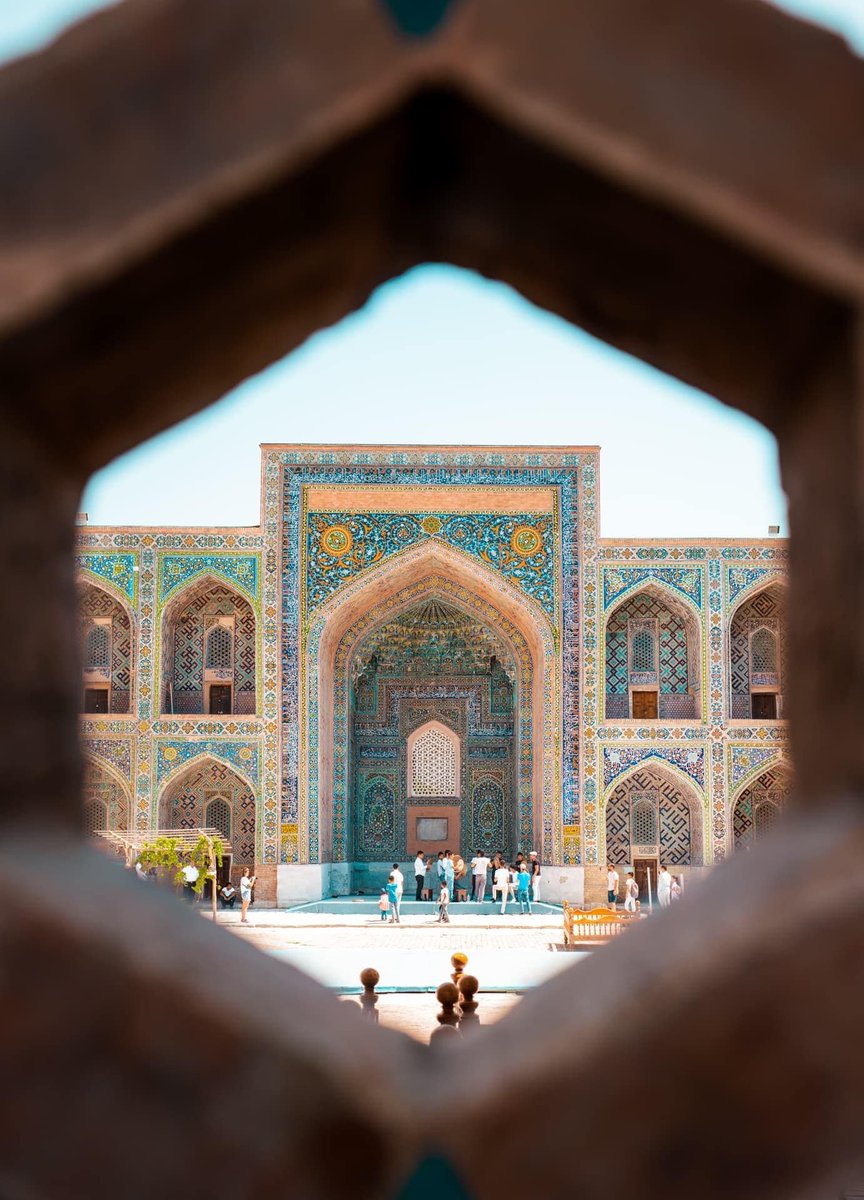
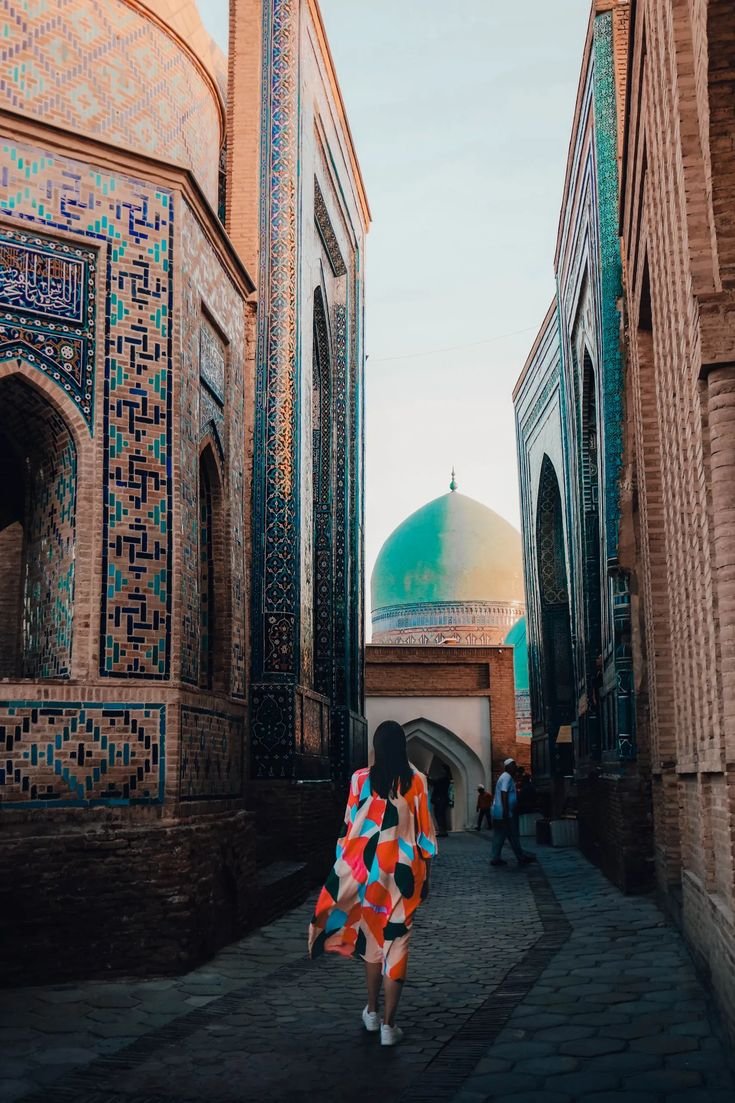
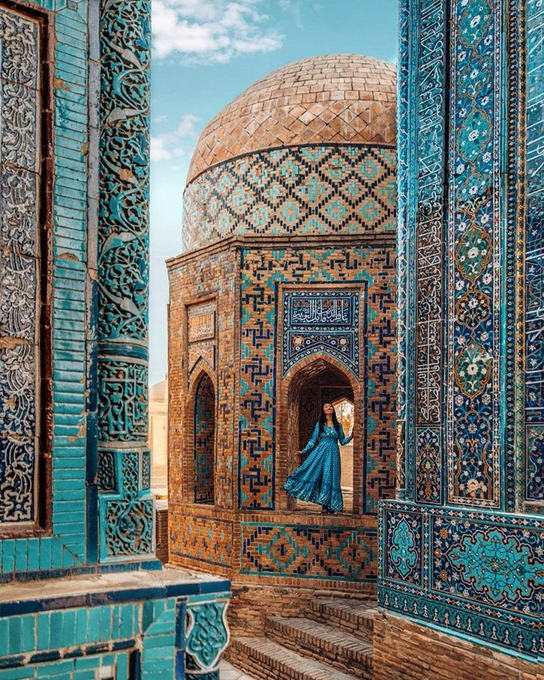
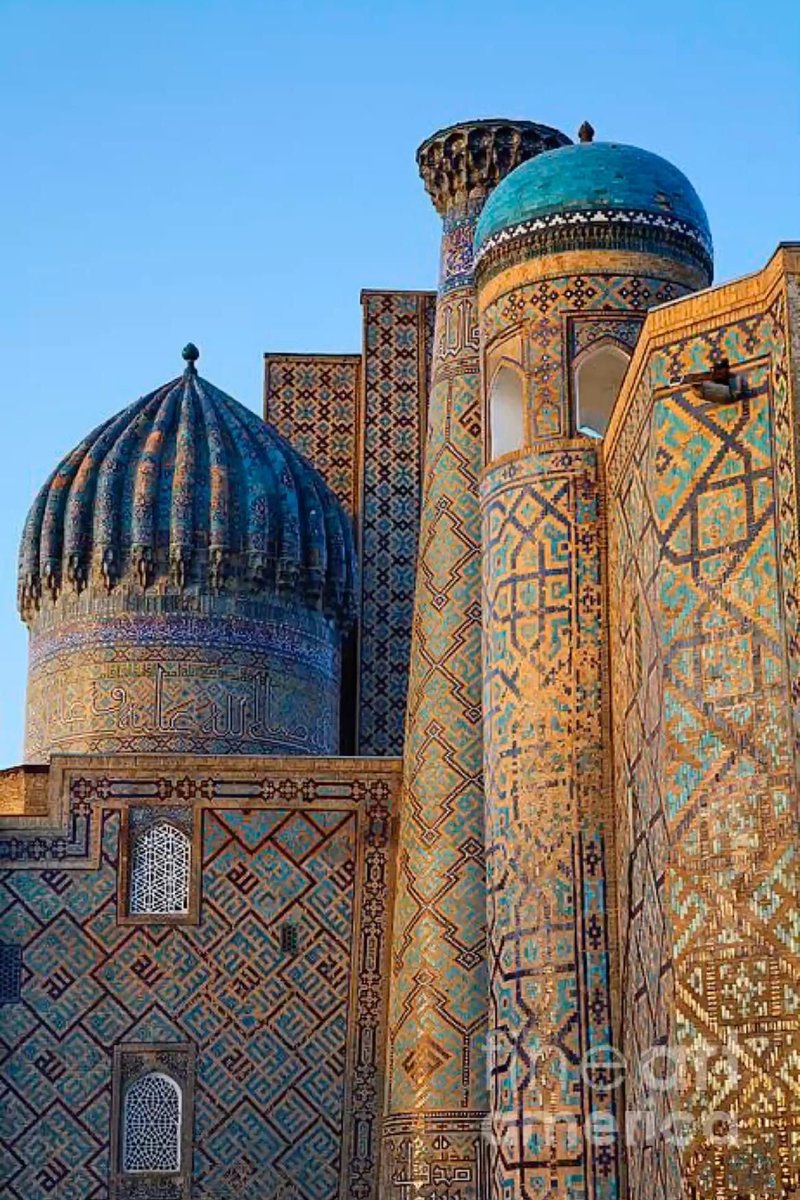
The Taj Mahal is a Mughal monument produced by a Turkic-Timurid imperial dynasty.
Babur himself identified as a Turk and a Timurid, yet the dynasty he founded is later fragmented in Western historiography into labels such as “Mughal,” “Timurid,” “Persianate” and “Indo-Islamic.” Those labels can be useful analytically, but they can also obscure dynastic and historical continuity.
The irony is that if the same hyper-fragmented method were applied consistently to European history, many modern European nations would suddenly discover that they have no continuous history at all—only Romans, Franks, Goths, Lombards, Normans, Celts and dozens of other disconnected categories.
Historical identities are allowed continuity in Europe, but Turkic history is often subdivided until the continuity disappears. That is a methodological choice, not an archaeological law.
@euphrosynos1@avikbalgorunus AK Parti zaten yiyiciler birliği sen neden bahediyorsun hala! AKP yi temizlemeye kalksan bir adam kalmaz orada :) Şaka gibisiniz gerçekten! Bu oluşum temizleninc birşey olacağını mu zannediyorsunuz. Uyan lütfen bu adamların 23 yılda geldiği nokta bu.
Çetin Altan does not have a quote like that! These fake profiles are using famous figures to insult Turks.
What have Turks contributed to civilization? Quite a lot—if you actually bother to read the academic record.
Smallpox prevention is one obvious example. Invension of the earliest form of variolation is unknown somewhere in Asia-Africa but the historical importance lies in maintaining, developing and widely practising it in Ottoman society, and in the fact that Western Europe learned the method directly through the Ottoman-Turkish practice that contemporaries described as “variolation à la Turca.”
Lady Mary Wortley Montagu had her own son inoculated in Constantinople and then actively promoted the practice in Britain. That is not merely “a route through which knowledge passed”; it is a documented Turkish-Ottoman contribution to the history of European medicine.
Turkish carpets became prestige objects throughout Renaissance Europe. The Metropolitan Museum identifies the so-called “Holbein” carpets as early Turkish carpets woven in Anatolia, popular in Europe from the fifteenth century onward. “Lotto” carpets were likewise Turkish, yet whole classes of these works are still known by the names of the European painters who depicted them rather than by the Turkish people who produced them.
Ottoman Turkish civilization produced major traditions of architecture, ceramics, textiles, calligraphy and manuscript painting. The Metropolitan Museum states that the age of Süleyman saw major developments across virtually every artistic field and that Sinan designed hundreds of buildings throughout the empire. Ottoman architectural forms left a visible legacy from the Balkans and Crimea to the Caucasus, Algeria, Baghdad and Yemen.
Europe also directly absorbed Ottoman cultural practices. The Victoria and Albert Museum notes that tulips flourished in Ottoman tiles, textiles and poetry before being introduced into Europe, and that coffee was already fashionable throughout the Ottoman Empire in the sixteenth century before reaching Europe in the seventeenth. Contemporary Europeans explicitly associated refined coffee drinking with the Turks.
The dairy tradition is another part of the steppe heritage. Oxford explicitly confirms that the international word “yogurt” is Turkish in origin, from the Turkish root yoğ, while fermented dairy became deeply embedded in Turkish and wider Eurasian pastoral food culture.
Turkish literary civilization is equally real. UNESCO recognizes the Dede Korkut tradition as a body of epic culture carrying the history, social values and cultural memory of Turkic-speaking communities across generations.
And yes, the Taj Mahal was built by Turks. Cambridge University Press describes the Mughal ruling house as a “Muslim, ethnically Turkish, Persian-speaking dynasty.” Its founder Babur identified himself as a Turk and a Timurid and commonly referred to Timur’s descendants, including himself, simply as Turks. Shah Jahan belonged to that dynasty, and UNESCO confirms that the Taj Mahal was constructed by his order. Therefore, when the question is what rulers and states belonging to Turkish historical traditions produced or commissioned, the Taj Mahal is plainly part of that record. “Mughal” is the dynastic name; it does not magically erase the Turkish identity of the dynasty identified by Cambridge itself.
So no, Turks did not spend two millennia merely “conquering civilization and bringing darkness.” Turkish and Turkish-ruled states produced and patronized architecture, literature, medicine, textiles, decorative arts, food cultures and imperial institutions, while European societies repeatedly adopted Ottoman and Turkish products, practices and aesthetics.
And there is an interesting historiographical asymmetry here: Turkish historical products are often subdivided into Ottoman, Timurid, Mughal, Central Asian, Persianate, Indo-Islamic and other analytical categories until the Turkish historical component becomes almost invisible. Those categories can be useful—but they should not be used to erase the identity of the people and dynasties involved.
Sources
Dinç, Gülten & Yeşim Işıl Ulman. “The Introduction of Variolation ‘A La Turca’ to the West by Lady Mary Montagu and Turkey’s Contribution to This.” Vaccine 25, no. 21 (2007): 4261–4265. DOI: 10.1016/j.vaccine.2007.02.076. The paper states that the method was brought into Anatolia through the Seljuks, widely practised by the Ottomans, and learned by Europeans from Ottoman practitioners.
Tevered, Karl A., et al. “Mandating Immunity in the Ottoman Empire: A History of Public Health Education and Compulsory Vaccination.” 2020. Documents the longstanding Ottoman practice of variolation and Montagu’s observation and use of it in Constantinople.
Faruqui, Munis D. The Princes of the Mughal Empire, 1504–1719. Cambridge University Press, 2012. Cambridge describes the Mughal house as a “Muslim, ethnically Turkish, Persian-speaking dynasty.”
Dale, Stephen F. Babur: Timurid Prince and Mughal Emperor, 1483–1530. Cambridge University Press, 2018. Babur identified himself as a Turk or Timurid; Dale further notes that Babur commonly called Timur’s descendants, including himself, Turks. DOI: 10.1017/9781316227558.002 and 10.1017/9781316227558.003.
UNESCO World Heritage Centre. “Taj Mahal.” UNESCO states that the Taj Mahal was built between 1631 and 1648 by order of Mughal Emperor Shah Jahan.
The Metropolitan Museum of Art. “‘Holbein’ Carpet.” The Met identifies it as an early Turkish carpet, woven in Anatolia and popular in Europe from the fifteenth century.
The Metropolitan Museum of Art. “‘Lotto’ Carpet.” The Met identifies the type as an early Turkish carpet tradition while noting that its modern name comes from the Italian painter Lorenzo Lotto.
Yalman, Suzan. “The Art of the Ottomans before 1600” and “The Age of Süleyman ‘the Magnificent.’” The Metropolitan Museum of Art, Heilbrunn Timeline of Art History. Documents major Ottoman achievements in architecture, calligraphy, manuscript painting, textiles and ceramics.
Victoria and Albert Museum. “Where Was Europe?” Includes Cambridge Ottoman historian Helen Pfeifer’s discussion of Ottoman tulip culture preceding its European adoption and Ottoman coffee culture preceding the European coffeehouse fashion.
Oxford Research Encyclopedia of Food Studies. “Living Fermented Foods and Drinks.” Explicitly states that the word yogurt is Turkish in origin, derived from yoğ.
UNESCO Intangible Cultural Heritage. “Heritage of Dede Qorqud/Korkyt Ata/Dede Korkut.” Describes the tradition as preserving profound knowledge of the history and culture of Turkic-speaking communities.
We do not mean the ones who did not go to school when we say ignorant. The science we mean is knowing the truth. There can be really wise people among the ones who cannot read who can see the truth like there can be the greatest ignorant people among the educated ones.
Atatürk
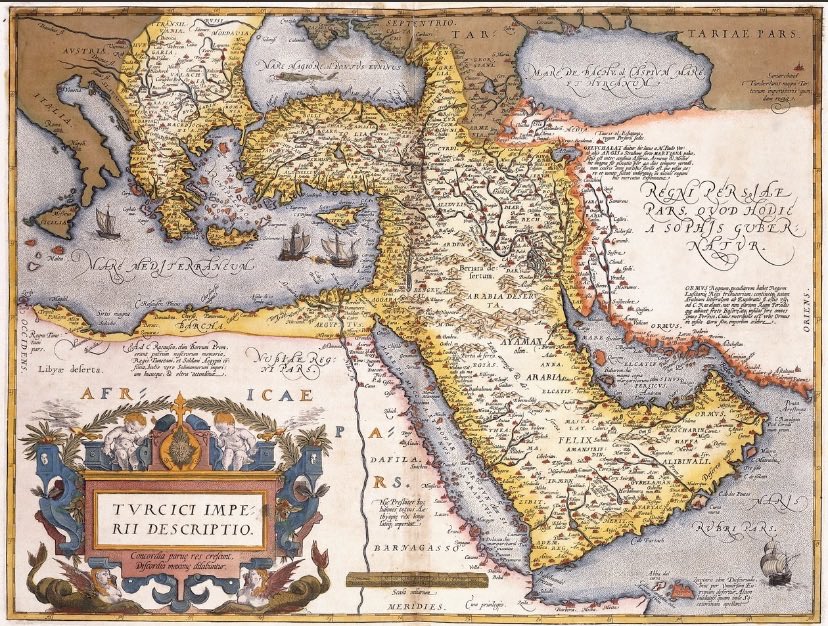
@GT50848182@JoachimTheGhost Cahillik çok kötü bir şey fakat hem özgüvenli hem cahil olursan bu aptallıktır. Osmanlı coğrafyası çoğu zaman açıkça "Turcia" (Türk İmparatorluğu) başlığıyla gösterilmiştir. Avrupalı haritacılar bu ifadeyle doğrudan Osmanlı topraklarını ve Türk egemenlik alanını hedeflemiştir.