PhD candidate studying provision of pollinator resources in farming landscapes. I enjoy hiking in mountains, exploring nature, and discovering new places!
I think many would disagree with the idea that the latest #COP28 draft text is "progress"…
This just in from @algore: "COP28 is now on the verge of complete failure…this obsequious draft reads as if OPEC dictated it word for word."
#NationalHedgerowWeek is back! I can unashamedly chat hedge all week :)
The poll was close enough that I think I will just try to talk about everything hedge
So here goes - a #PracticalHedge thread 🧵
I'll talk about each stage of a hedge lifecycle
It’s #NationalHedgerowWeek 2022! Excited to celebrate this amazing habitat that is home to so much wildlife 🐍🐞🐝🦋 🦔
Tonight’s first talk: growing the hedgerow homes of the future
@TheTreeCouncil@PTES
https://t.co/vI5WA7BrZm
It's #NationalHedgerowWeek!
Join us as we celebrate the unsung heroes of nature and all they do for wildlife and us.
For more information and to see how you can get involved, visit 👇https://t.co/lHeoyNRZME
Very excited to share a paper produced as part of my PhD project: Mapping nectar-rich pollinator floral resources using airborne multisp... https://t.co/YNItxvOoR5
Biodiversity and climate change are not major challenges of the future, they are happening now. Let's hope the world's governments step up to be leaders and take action now @COP26#COP26
Birthday Time! 30 Years of #Bats - It’s time to reveal our bat-themed birthday bonanza - a whole month of batty themed activities for everyone - @_BCT_ celebrates our 30th year! #BatFest is back with a bang! https://t.co/vucEVyRhXS #30YearsBats
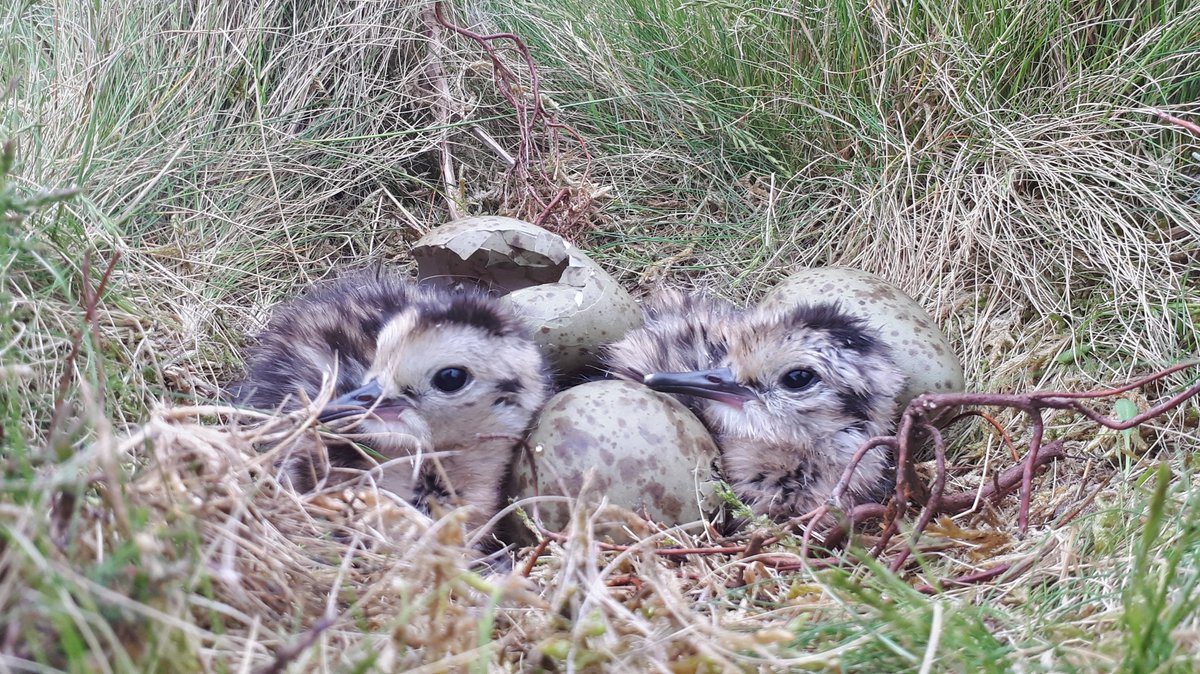
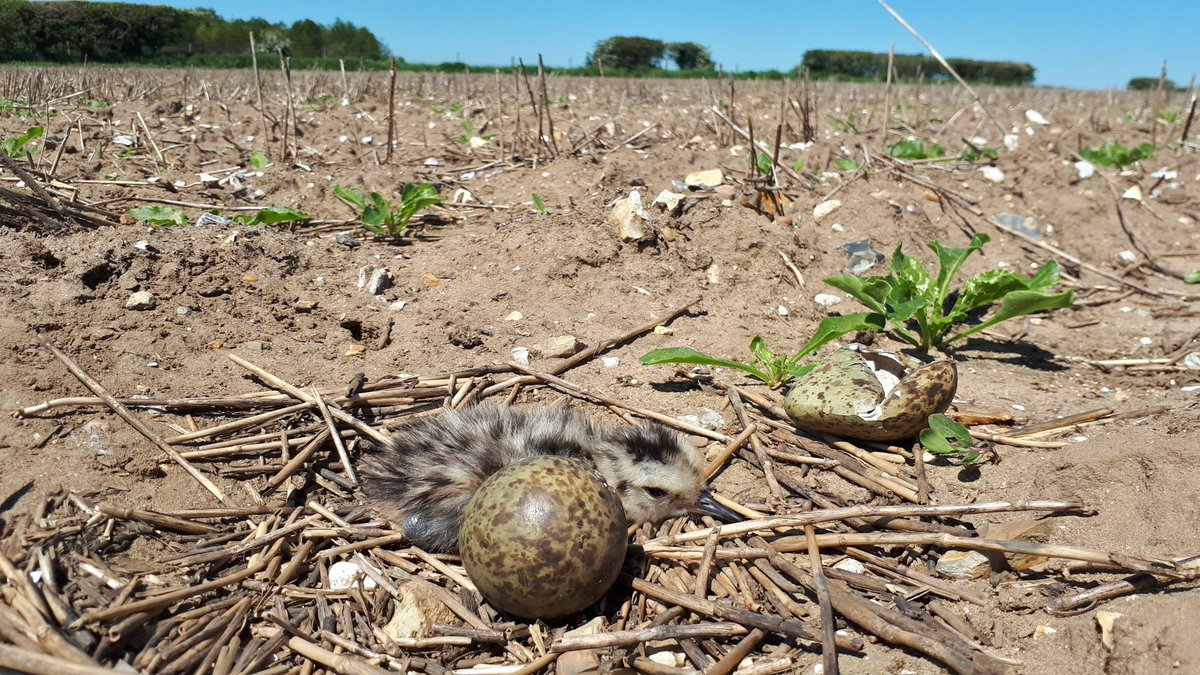
Eight curlew nests hatched across my Breckland study sites over the bank-holiday weekend. Decent vegetation growth throughout May and warm June weather means conditions look good for fledging. Let's see what happens.
A thread where farmers shared their sightings of farmland birds and it shows that UK farms are crucial habitats for some threatened species. We need to inform #sustainable farming practices to support their #conservation and partnerships between scientists and farmers are key
It's #WorldBeeDay2021 I could try to pick some favourites but that would be unfair on the others, so here are all the British and Channel Islands species (c285 spp) https://t.co/3fSPJYREeE They are all special.
A general principle in ecology - everything is connected. Killing rodents has consequences beyond the reduction in 'pests'. We should know this already. Great research from RSPB and others.
Man I dig this study. It's about cats & has real value for the world.
To owners who let cats out: Some easy steps help protect local birds: a high meat diet, a bit of daily play, & Birdsbesafe collars. Cat bells don't do anything. Avoid puzzle feeders!
https://t.co/AdWZWqXgV2
Now is peak peat buying season - DON'T DO IT! Buy peat free compost, or make your own, for the sake of our precious planet. Pls RT
https://t.co/pTGOUaRcmA
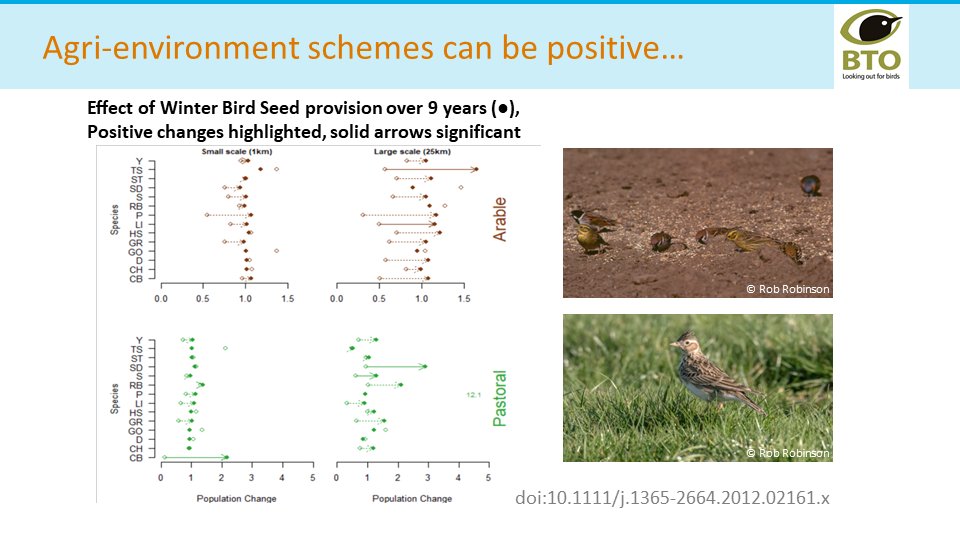
11/ #UEACEEC21#Sesh5 For farmland birds we can test predictions. We know winter survival is important, can we improve population trend by providing food through agri-env schemes? Broadly yes – but strength of effect varies by species, landscape and scale https://t.co/NBNxFUtqhg
#UEACEEC21#Sesh4
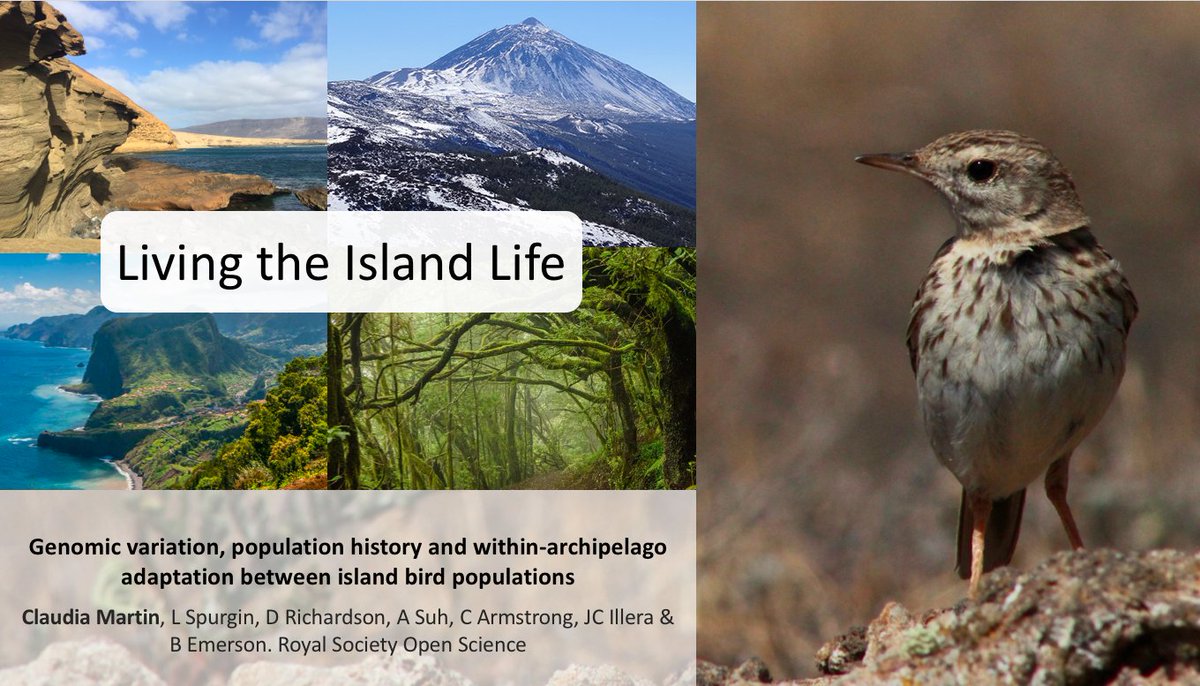
2.5 million years ago a speciation event began across an archipelago in the North Atlantic Ocean….
Discover how colonisation, gene flow and adaptation shaped evolution across these islands (A thread, 1/6)🦤🧬🦠🏝🐦🤥
doi/10.1098/rsos.201146
#UEACEEC21#Sesh4 In #bumblebee colonies, the queen and her workers compete for the right to lay male destined eggs. This leads to aggression, egg eating and occasionally the death of the queen. How colonies remain stable in the face of internal conflict is a question of interest
11/ #UEACEEC21#Sesh4 Our work shows the importance of separating floral "visitors" from "pollinators", since modern "visitors" had roughly equal tongue lengths that did not match spur lengths, while "pollinators" (those with pollinia) showed much bigger differences.
@Nat_B_Zielonka In 2020 we extended the number of species and I am in the process of classifying the images at the moment. My next step is carrying out the accuracy assessments which includes looking at overall proportion of pixels correctly classified as well as proportion for each species.
1/ #UEACEEC21#Sesh3 The UK has an enormous range of #pollinator species, including ~270 #bee species. They all need food/nesting resources available throughout the foraging season and well dispersed within the landscape to cover foraging ranges that vary hugely 🐝🦋🪰
@Nat_B_Zielonka Hi Nat, detection does vary. We focused upon 5 in 2019: including hawthorn, blackthorn and knapweed. Detection success depends on other features in the landscape. We are in the process of working out which species are separable from these other features and which aren't.