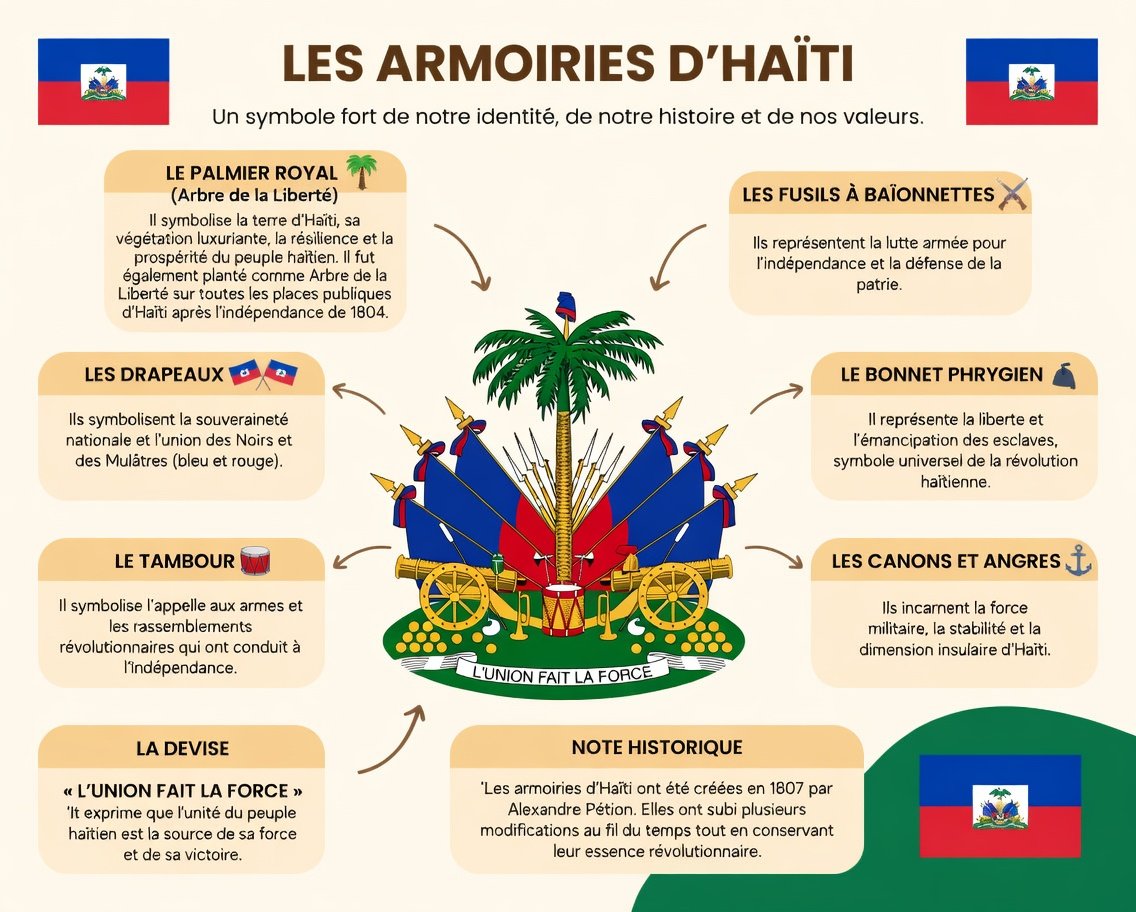
Lien entre les Taïnos, les Garifunas et les Kalinagos. Je simplifie pour les besoins de cette vidéo en n'ajoutant pas de tribus spécifiques.
Source : Tik Tok🎥 .rann3201
Cuba's fuel crisis is getting worse. Surgeries postponed. Universities closed. Public transport gone. Blackouts lasting hours. AJ+ reports on the human cost of Trump's sanctions.
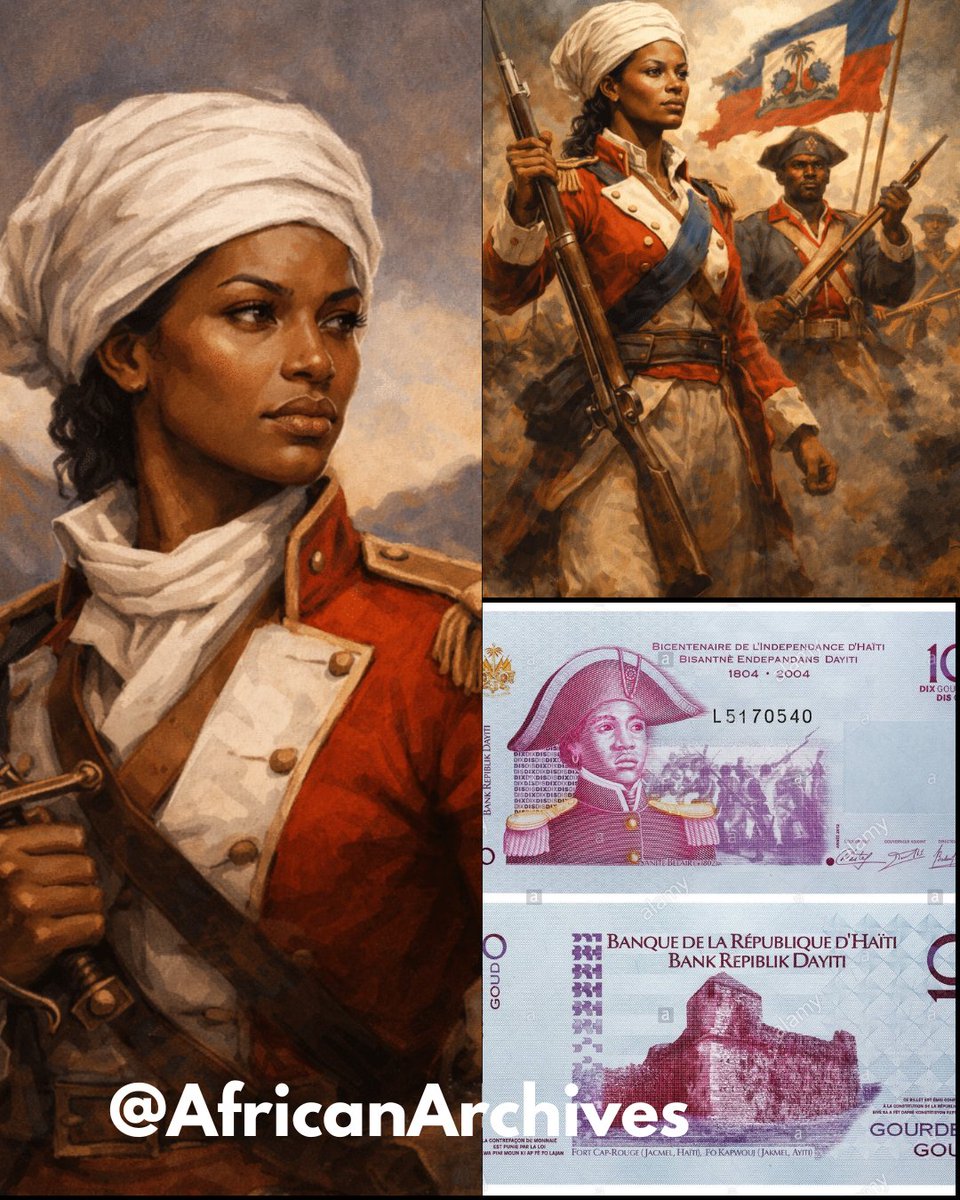
Sanité Bélair (1781–1802) was a Haitian revolutionary and lieutenant in Toussaint Louverture’s army. Rising from sergeant, she helped lead uprisings of enslaved people in the fight for Haiti’s freedom and independence.
Born Suzanne Bélair in the late 1700s in Saint-Domingue (present-day Haiti), she lived during a time when the colony was one of the richest in the world, built on the forced labor of enslaved Africans. But beneath that wealth was a growing resistance, and Bélair would become one of the people who helped turn that resistance into a movement for freedom.
She joined the revolutionary struggle alongside her husband, Charles Bélair, and quickly distinguished herself through discipline, leadership, and courage. Rising from sergeant to lieutenant in the army of Toussaint Louverture, she became part of the organized fight to end slavery and secure autonomy for the people of the colony. At a time when women were rarely recognized as military leaders, Bélair was not simply present — she was trusted with responsibility and command.
Historical accounts describe her as determined and principled, someone who believed deeply in the cause she served. When French forces attempted to reassert control over the colony in the early 1800s, Bélair continued to stand with the revolutionary side during one of the most uncertain phases of the struggle.
In 1802, she was captured by French troops. She was sentenced to death, but even in her final moments she is remembered for her composure and resolve. Stories passed down through Haitian history say she refused to be blindfolded, choosing instead to face what was coming with dignity. Whether retold through oral tradition or written record, the message is consistent: she remained unshaken in her belief in freedom.
Today, Sanité Bélair is honored as one of Haiti’s revolutionary heroines. Her image has appeared on Haitian currency, and artists, historians, and educators continue working to ensure her story is remembered. She represents the many women whose contributions to liberation struggles were real, powerful, and essential — even if history did not always give them equal space.