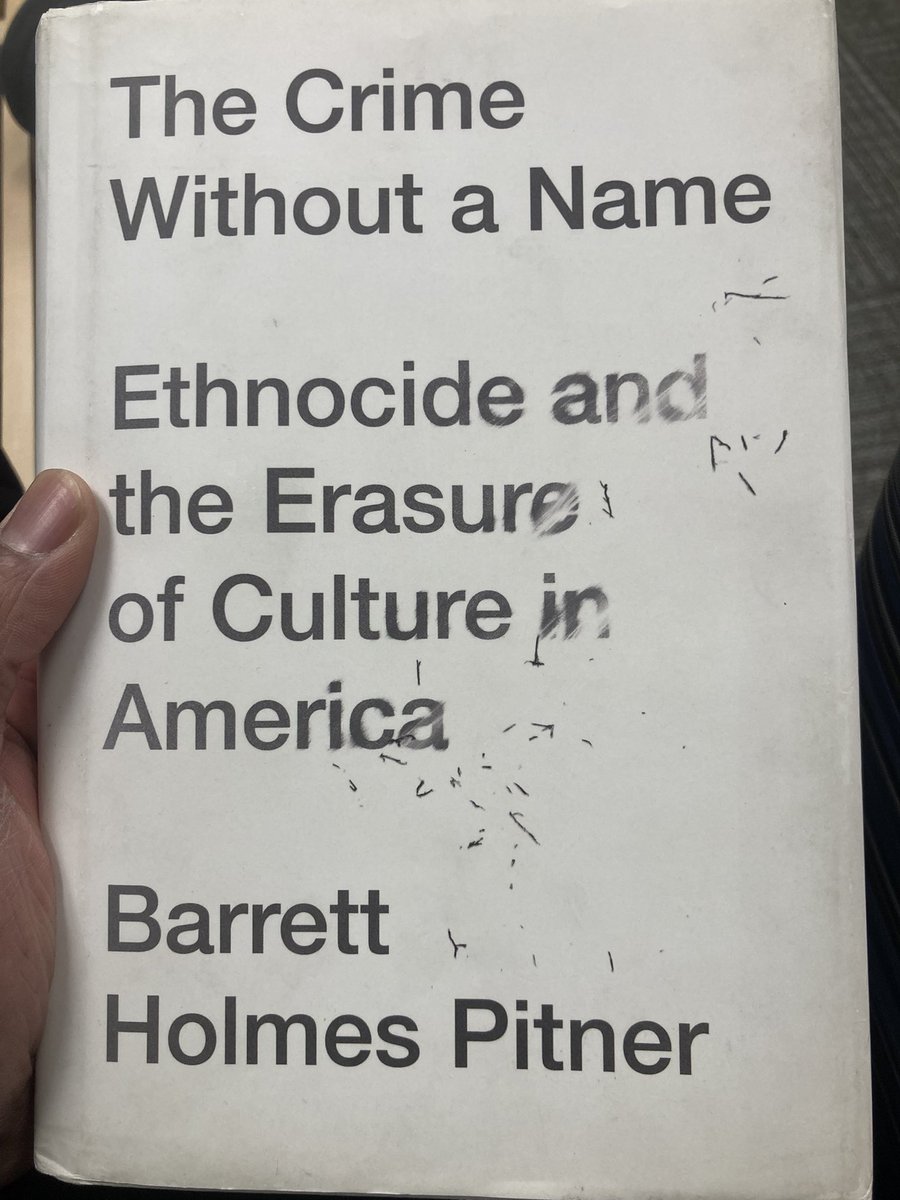
My book "The Crime Without a Name: Ethnocide and the Erasure of Culture in America" is published today! This is an incredible feeling. I'm struggling to find the words to express my feelings. You can buy it everywhere https://t.co/4nxQEH94SV @CounterpointLLC@penguinrandom
Ryan Coogler after winning outstanding motion picture at the 2026 NAACP Image Awards for Sinners:
"Our people have been here over four centuries, there's always been a lot of lies told about us. And a lie, no matter how powerful the person saying it is, it's still a lie. And the truth, no matter how little power the person has at saying the truth, it's still the truth. And the truth is y'all are loved, y'all are beautiful, and y'all are powerful and mighty. And bless y'all. Thank y'all so much."
Hello! I’m the reporter who has been tracking citizens detained by immigration agents. And last night, I noticed something: A lot of them were at the State of the Union, including a number of whom I’ve written about.
Their stories should be known:
Lisa Rubin explains how journalists have figured out the DOJ has withheld documents containing accusations of sexual assault against Donald Trump from their Epstein files releases
EXCLUSIVE: An NPR investigation finds the public database of Epstein files is missing dozens of pages related to sexual abuse accusations against President Trump.
Other documents that mention Trump have been taken down (and some restored).
https://t.co/tRcFQSFZkz
This is Rodney Taylor, a disabled double amputee who’s been imprisoned by ICE for a year.
He was about to get new prosthetic legs when he was kidnapped… and they won’t let him have them.
His health is declining & there’s been almost no media coverage.
No protests. No noise.
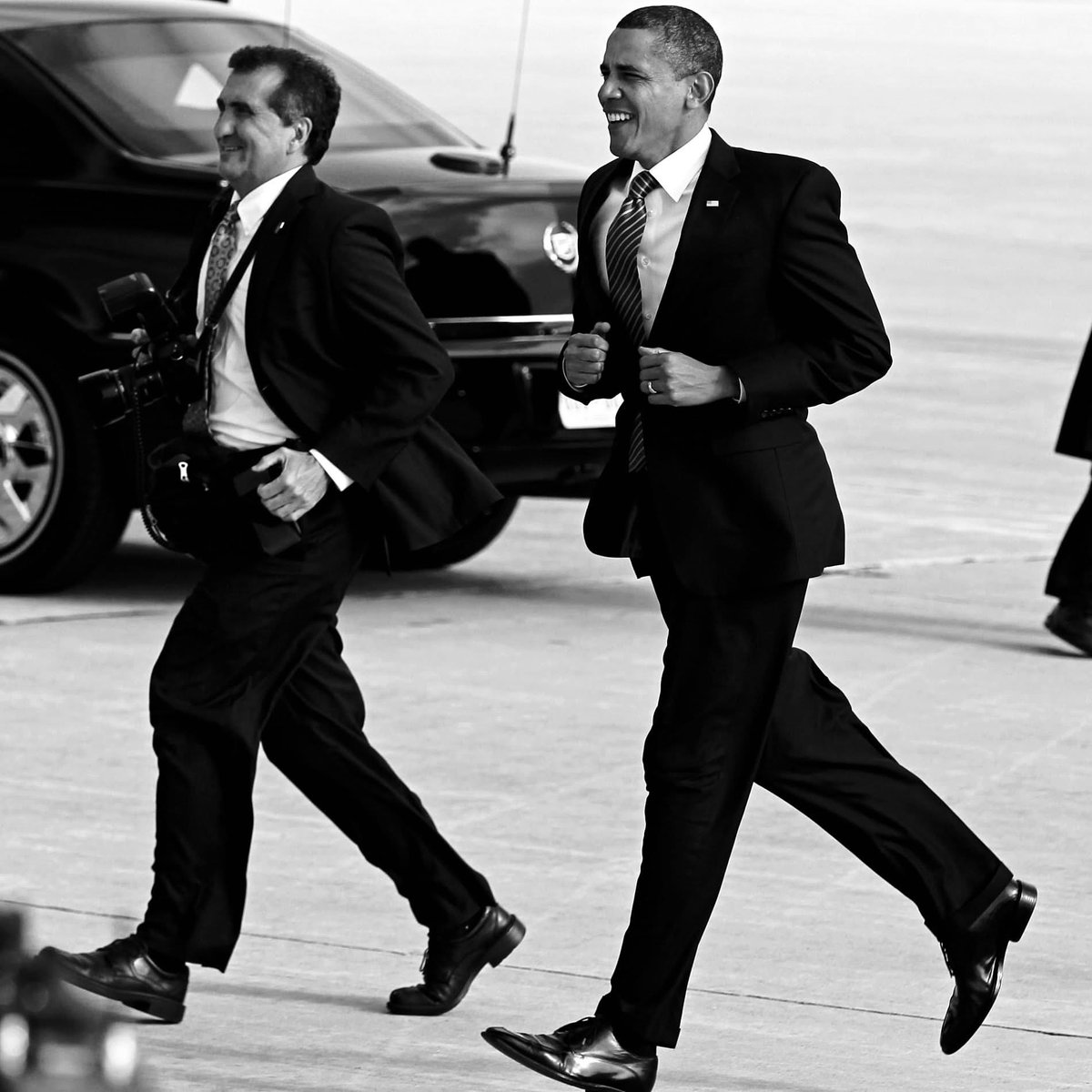
The history books quietly bypassed is that Barack Obama, during the most pressure-saturated nights of his presidency, would retreat alone to the Treaty Room on the second floor of the White House residence — not to strategize, not to take calls, but to handwrite personal letters to ten ordinary American citizens every single night, a practice he maintained with almost monastic devotion across all eight years, selecting the letters himself from the 40,000 that arrived daily at the White House, and his longtime correspondence director Fiona Reese confirmed that Obama would often weep privately while reading certain letters, folding them carefully before writing responses so personally detailed and emotionally present that recipients frequently described the experience of receiving them as the most significant moment of their lives, with one Ohio steelworker writing back to say that Obama's letter had physically stopped him from making a decision that would have permanently altered his family's future. What makes this practice almost unbearably moving is the detail that surfaced later — Obama never used a computer for these letters, always a black felt-tip pen, always legal yellow paper first as a draft, always rewritten onto White House stationery by hand a second time, because he believed, as he told historian Doris Kearns Goodwin in a rare private conversation later recounted in her 2018 work, that the physical act of pressing pen to paper forced a quality of attention that typing simply could not replicate, a philosophy rooted in his years as a constitutional law professor at the University of Chicago from 1992 to 2004 where he developed the conviction that democracy only functions when its leaders remain genuinely, uncomfortably close to the specific gravity of individual human suffering rather than processing it from behind the insulating distance of institutions and screens."