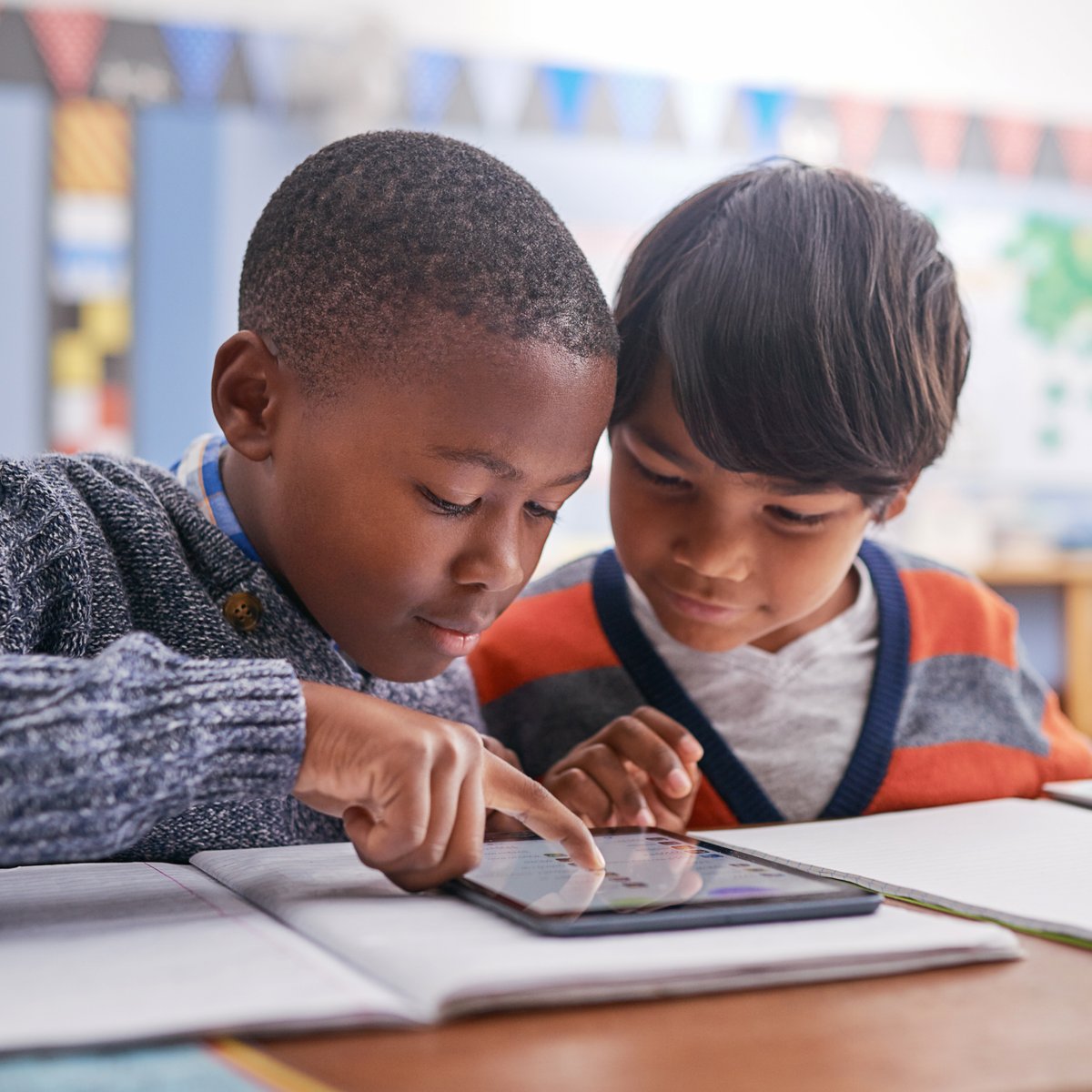
While many reading programs may be described as research-based, #Core5 is research-proven to improve learning outcomes. It is evaluated by using scientific methods & has been found effective with a variety of populations to help close the #literacy gap. https://t.co/bQTqO4fzC5
Short, 6-word memoirs are a simple and adaptable way to build community and start discussions through #ELA assignments. @Edutopia https://t.co/PvMEjJ5eVb
When @JVianaEdD asked how to make the #scienceofreading work for #EmergentBilinguals, he didn’t expect to spark a national conversation about #literacy equity with hundreds of experts chiming in.
Check out our blog to learn more. https://t.co/x8AxoHArMk #edtech
As school leaders evaluate #professionallearning programs, the focus should be on making an investment in ongoing professional learning that empowers educators to grow.
Click here to learn why #LETRS is designed to empower teachers to reach all readers. https://t.co/02ugfl8zVa
Your zip code shouldn't dictate our children's #literacy skills.
In this article, our Chief Learning Officer, @LizCBrooke, tells us why literacy is a fundamental human right and everyone has the right to the power of literacy which transforms lives. https://t.co/lijoIl5r7V
When teachers receive the right professional learning along with resources and tools, they will develop the confidence they need to help their students accelerate #literacy learning. https://t.co/ytI9sjcLoE
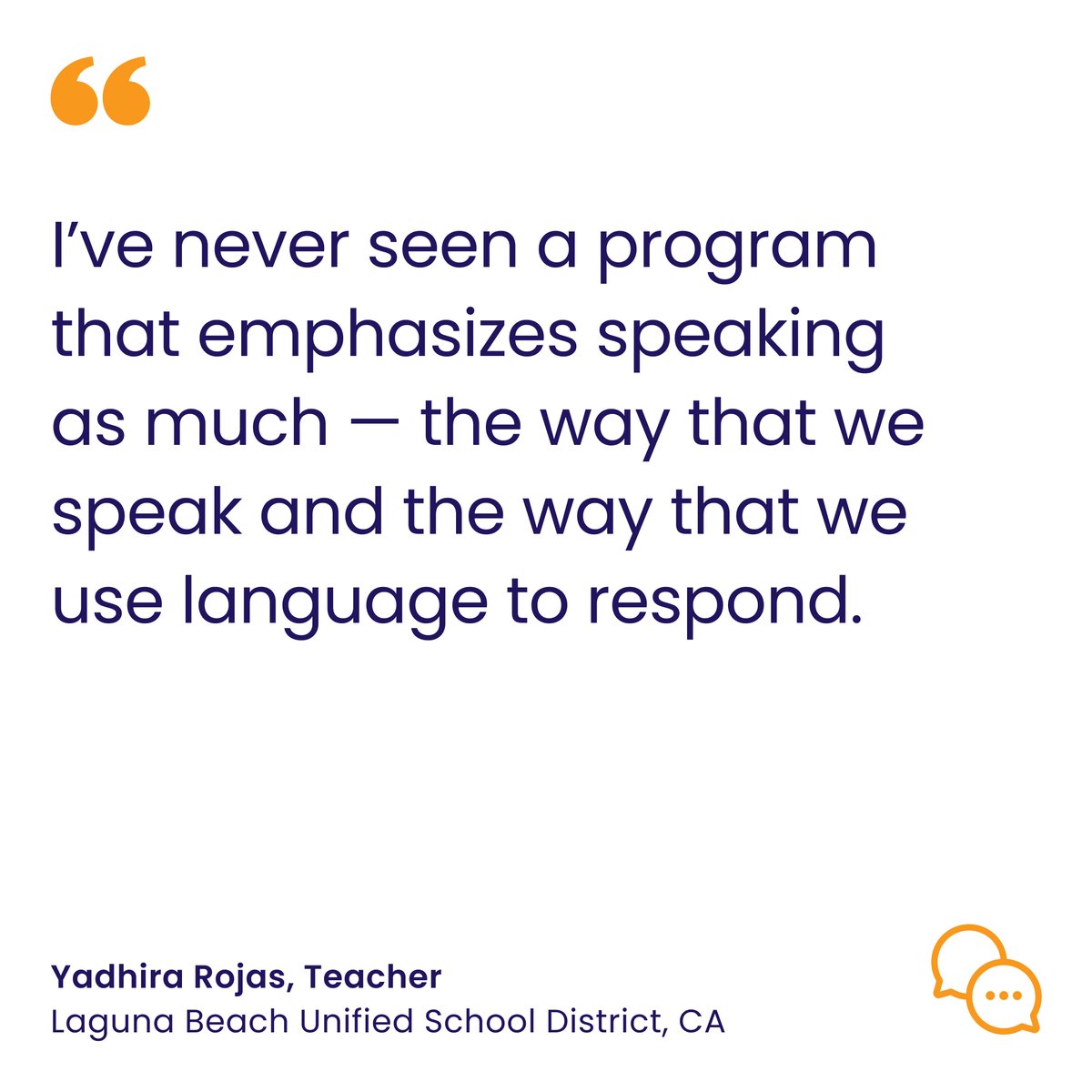
In #LexiaEnglish, students practice their speaking and listening skills by engaging in academic conversations with the program’s diverse characters.
Learn more: https://t.co/VDyAsIhJTy
Experts have linked students’ future educational success to their ability to read at grade level by the end of the 3rd grade. But when it comes to #literacy strategy, there isn’t a specific model or one-size-fits-all approach that works for every learner. https://t.co/DLdg5UE1p8
Results from this survey suggest a deep disillusionment of many teachers who feel overworked, underpaid, and under-appreciated, with potential implications for a once-in-a-generation shift in the teaching profession. https://t.co/mRBODm4z0B @educationweek
#Didyouknow that Standard English is a myth that can be detrimental to non-native English speakers? Find out why addressing accent bias & embracing the linguistic assets that students bring to the classroom can help learners especially #EmergentBilinguals. https://t.co/C10JLpNt6p
How can educators evolve to support multilingual learners? Here are some ways to support these students' academic & emotional growth.
1️⃣ Lean into the Innovation Generated by the Pandemic
2️⃣ Use an Asset Model Mindset
3️⃣ Leverage Family Involvement
https://t.co/8SzjI8JGQ3
Did you know that every language has different variations, called dialects?
In this webinar, @jwashingtonPhD addresses the use of dialect and how the language of the home and community must be considered when teaching literacy skills.
Learn more: https://t.co/P0vDIu60PW
Try these 5️⃣ activities to give your students the boost they need with their reading comprehension to provide your students the boost they need to make the most of their exposure to language.
Try now: https://t.co/3NqPtadf1Q
Literacy—the ability to read, write, and communicate productively—is essential to academic success, which in turn provides equitable opportunities for each student.
Read this blog by @LizCBrooke to learn about the power of effective literacy instruction. https://t.co/lndZp7LVQu
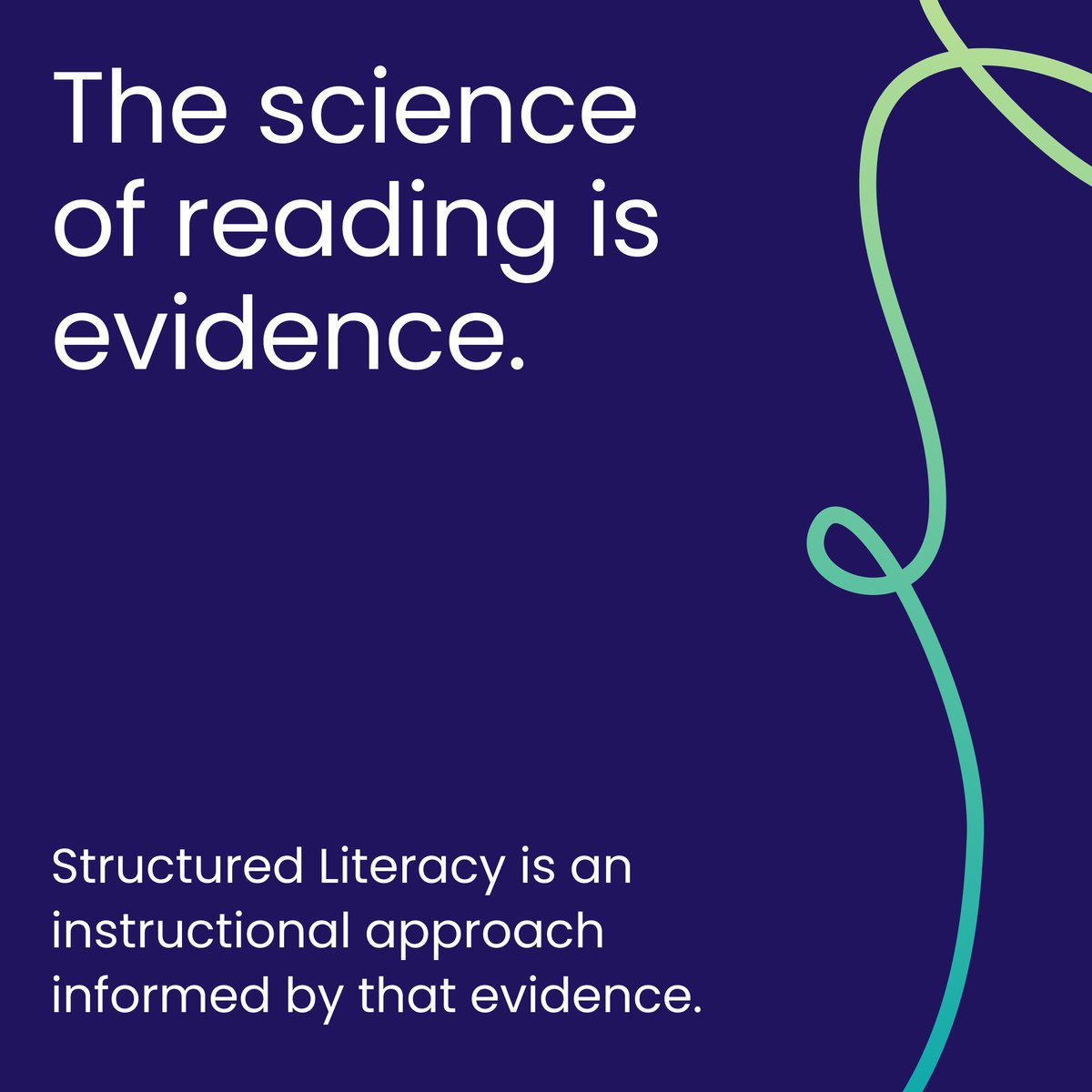
#LETRS is the professional learning program rooted in the science of reading that empowers teachers, and is an investment in teachers' literacy knowledge and professional practice. Learn more: https://t.co/q8pPIpdAAf #ProfessionalLearning#ScienceOfReading
Everyone who speaks English, should speak it confidently and with their own beautiful accent.
Learn more about the characters in Lexia English and their accents. https://t.co/7mXFCs3LwF #LexiaEnglish#MyEnglishIsBeautiful
Identifying different layers of identity in storytelling can be helpful for students transitioning into a new social and cultural context. https://t.co/8VT9G0UZ2A @Edutopia#Literacy#CulturallyResponsive
Music education can have a positive effect on literacy learning, especially for young children. https://t.co/VnvONkHRxj @MindShiftKQED#Literacy#EarlyLearning