🚨 Nicotine is a cardiovascular toxin — regardless of delivery system.
A new expert consensus outlines 12 evidence-based messages showing that cigarettes, e-cigs, heated tobacco & nicotine pouches all harm vascular and metabolic health 🫀⚠️
👶 Alarmingly, flavoured products and aggressive marketing are driving a paediatric addiction crisis, fuelled by the myth of “safer nicotine.”
📜 The paper calls for comprehensive regulation: advertising bans, flavour restrictions & indoor-use prohibitions-across all nicotine products.
https://t.co/CikJyAB3zj
@DHSCgovuk
❗️A trial we have kept an eye on announces primary outcome met ❗️
FINE-ONE Finerenone in T1DM potentially provides an opportunity to address renal risk (maybe more) in this population with unmet need
https://t.co/1Hb6fsg5Dh
@AmarPut@drpatrickholmes@kamleshkhunti
Trizepatide Vs Semaglutide & CVD Risk Reduction
1️⃣ Baseline risk: 10-year CVD risk averaged 9.3% before treatment.
2️⃣ Risk reduction: Tirzepatide lowered absolute risk by 2.4% vs 1.4% with semaglutide.
3️⃣ Impact: Could prevent 2M CVD events over 10 years vs 1.15M with semaglutide.
@DrNadolsky@DrKarlNadolsky@drmatthewnagra@NutritionMadeS3@MichaelAlbertMD@BevTchangMD
https://t.co/QQrNsYZxNM
🚨 Top-Line Results: Mazdutide vs. Semaglutide (1 mg) 🚨
- - -
The first-ever head-to-head Phase 3 trial of a GCG/GLP-1 dual agonist vs. semaglutide—DREAMS-3—just released its topline data in adults with type 2 diabetes and obesity.
At 32 weeks:
🔥 HbA1c <7% + ≥10% weight loss: 48% (Mazdutide) vs. 21% (Semaglutide 1 mg)
📉 Mean HbA1c reduction: −2.03% vs. −1.84%
⚖️ Mean weight loss: 10.3% vs. 6.0%
✅ No new safety signals—GI side effects remained the most common
💡 Mazdutide is an oxyntomodulin analogue that activates both GLP-1 and glucagon receptors, potentially boosting energy expenditure and hepatic fat metabolism beyond classic incretin effects.
🌏 Developed by Innovent Biologics (under license from Eli Lilly), Mazdutide is already approved in China for both chronic weight management and type 2 diabetes—the first dual GCG/GLP-1 therapy with regulatory clearance.
👀 Why it matters:
NuSH polyagonists may redefine metabolic care—offering greater reductions in glucose, weight, and liver fat than GLP-1–only therapies.
🔗https://t.co/T6arJA6nH5
Once again.....Real world data #T2D reveals GLP-1RAs and DPP-4is were associated with a small increase in risk of biliary disease, but not of acute pancreatitis compared with SGLT2is https://t.co/0hHDolOJWN
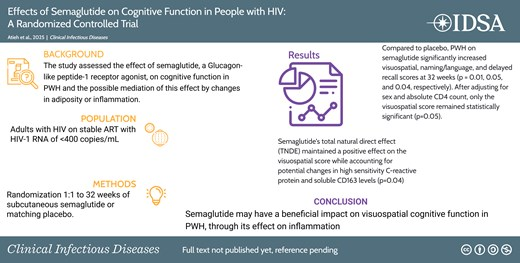
In people with HIV, Semaglutide for 32 weeks may have a beneficial impact on visuospatial cognitive function in PWH, associated with its effect on inflammation https://t.co/rX6wnQvGN2
🩺 SGLT2 inhibitors for primary prevention in T2 Diabetes (T2D)
Can SGLT2i reduce first-time cardiovascular (CV) events in people without prior heart disease? 🇹🇼
New nationwide cohort (Taiwan)
📊 Mean follow-up ≈ 2.8 years
❤️ In patients with hypertension
SGLT2i vs DPP-4i ↓ risk of:
· 🧠Stroke HR 0.56
· ❤️Coronary artery disease HR 0.80
· 💔Heart failure HR 0.31
· ⚡ MACE HR 0.62
💓 In patients without hypertension
SGLT2i ↓ risk of:
· 💫 Atrial fibrillation HR 0.48
✅ Takeaway:
Even in people with T2D without established CVD, SGLT2 inhibitors show:
· Broad protection across major CV outcomes
· Potential role in primary prevention—especially when hypertension is present
#Diabetes #Cardiology #SGLT2i #Prevention #T2D #HeartHealth
https://t.co/8OLLXEF23M
@mmamas1973
Inflammation is a key driver of the pathophysiology of cardiometabolic disorders #obesity#T2D and new metabolic medicines based on GLP-1 action exert their magic in part by reducing inflammation. A new review from Professor Donath summarizes the field https://t.co/7mDWLvqvyw
Worth a read for context on the "lean mass muscle loss" #obesity GLP-1 medicine debate. Keep an eye on muscle function and health, diet quality and resistance #exercise and not just the DXA scan @SA_Diabetes@MolMetab#weightloss https://t.co/W4fx6PqplL