The woman who follows the crowd will usually go no further than the crowd.
The woman who walks alone is likely to find herself in places no one has ever been before. ~Albert Einstein
Congratulations to Lauren Derby, who received the @CaribbeanSAssoc Gordon K and Sybil Lewis Book Award for "Bêtes Noires: Sorcery as History in the Haitian-Dominican Borderlands." https://t.co/2mWM4ZV4bh https://t.co/FFIZJTPpMV
Poem "In the Deserts of Exile" by Jabra Ibrahim Jabra
Portrait (1920–1994) by Munir Alawi
Jabra was a Palestinian/Iraqi author, poet, artist and novelist
Spring after spring,
In the deserts of exile,
What are we doing with our love,
When our eyes are full of frost and dust?
The prisons are stamping our foreheads
with the badge of Cain,
And on our chests the mark of the displaced.
What shall we do with love, my friend?
When the earth is a prison, and the sky a jailer?
Our green land calls us, but we are chained
In the wastelands of exile.
Scattered our torn remains,
Then unfolded the desert before us...
Our Palestine, green land of ours,
Our joyous dance amidst the harvest—
All buried under the dust of exile.
O my country, where are the peonies?
Where are the rivers and the olive groves?
Here, only thirst and the howl of wind.
Yet we carry you in our blood,
In our songs, in our sleepless nights.
What are we doing with our love?
Spring will come again—
Not in exile, but in the soil we reclaim.
Among Jabra Ibrahim Jabra's contributions to the Arabic children's library is a book in which he presents a summary of the cultural and human heritage of the city of Jerusalem, published by Children's Culture House in Iraq in 1986.
https://t.co/HUdNlfejt3
For Issue Eleven, writer and activist R Alice interviewed renowned scholar Rashid Khalidi about Palestine, settler-colonialism, zionism, and the parallels (and crucial differences) between Irish and Palestinian experiences of imperialism.
"What was the point of scholarship in general and anthropology in particular if it could not help us now?"
Munira Khayyat, "On Ethnographic Barbarism"
Now available on the Critical Times website:
https://t.co/OJriNp9G8q
I wrote this piece a few years to try to historicize and contextualize the current counterrevolutionary war in Sudan. It’s finally out now and is meant to give a sense of what and why it is happening.
Sudan's Counterrevolutionary War https://t.co/KNQQ9ZCs2u
"Now is her third season of displacement and yearning, after the loss of a world that remains raucously alive in her heart."
Read "On Ethnographic Barbarism" by @mu_kha2 in the Critical Times website:
https://t.co/OJriNp9G8q
My new article on jazz as a framework for reading Ibn ʿArabī is now up (open access) on Sophia's website! The piece will be part of a special issue exploring new directions in the study of Islamic philosophy. https://t.co/0JUfnD0LFv
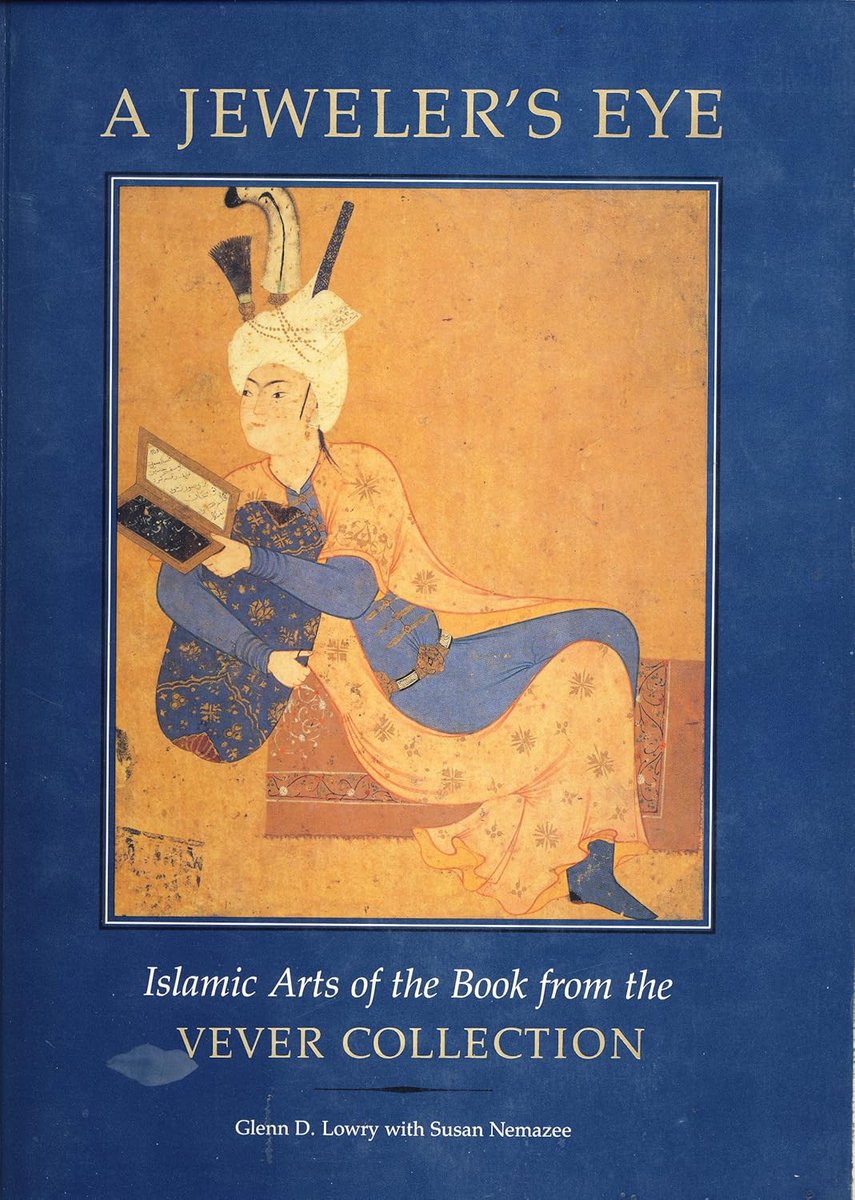
A Jeweler's Eye: Islamic Art of the Book from the Vever Collection
Glenn D. Lowry , Susan Nemazee , Univ of Washington Pr, 1988
PDF 🎯
https://t.co/59Rj4nzwNh
https://t.co/dtqon9xuQB
This is the point that Zionists cannot comprehend. Being a settler isn't a racial or ontological category. It's about your relationship to the people who live there. Her ancestors immigrated and became part of the local society instead of coming to conquer it.
Muslims should be at the forefront of finding a replacement for the current nation-state system of citizenship so that we can be the ones determining what the future looks like instead of once again being impotent passengers subject to the determinations of others.
New article:
Mahmoud Darwish recites the poem titled "A small evening over a neglected village." This fragment belongs to the documentary series The Arabs: A Living History (1979-1983), specifically to episode 4, called "The Power of the Word," which is dedicated to poetry in the Arab world.
"A Movement’s Promise is thus both an institutional history of a theater movement under occupation and a reconstruction of its style, methods, aesthetics, and innovations."
New in review, Marissa Fenley on Samer Al-Saber's A Movement’s Promise: https://t.co/J2gPyzaCNG
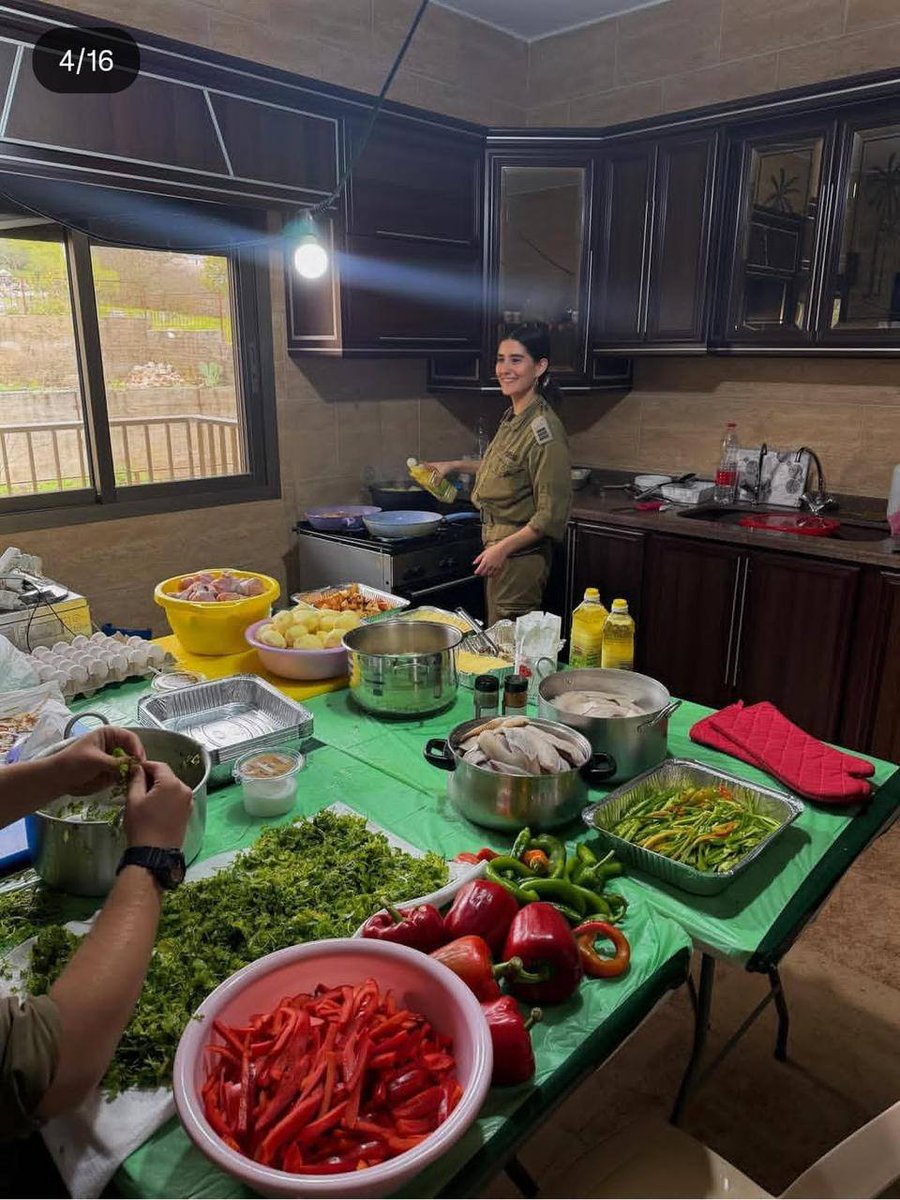
نشرت مجندة اسرائيلية صورا لها من منزل جنوبي..
أكثر ما يوجع في هذه الصورة أنها تجعل الفقدان قاسياً إلى حدّ لا يُحتمل. الحديث هنا عن بيت ما زالت فيه خضاره، ما زالت فيه حياة أهله، لكنهم هم وحدهم الغائبون قسراً. هم ممنوعون من العودة، فيما جندية من جيش الاحتلال تدخل المكان، تقطف وتطبخ وتضحك كأن البيت بلا أصحاب. كأن القرى الخمس والخمسين الممنوعة على أهل الجنوب لم تُفرغ من ناسها، وكأن هذا الخراب كله لا يكفي. المشهد مهين لأنّه يختصر كل شيء: اقتلاع الناس من أرضهم، ثم تحويل بيوتهم وحدائقهم إلى مساحة مباحة للغزاة. هذا احتلال وإهانة متعمدة لذاكرة الناس وكرامتهم وحقهم البديهي في أن يعودوا إلى ما زرعوه بأيديهم.
Teacher Ahmad Atallah shares the English language exam taken by the young "moon" Yousef Ashtiyeh before his martyrdom today in Nablus.
On the exam paper, instead of grading, the teacher wrote in red ink: