Thank you for considering supporting our research on the prevention of stomach cancer and stomach ulcers.
Donate:
https://t.co/EKP0WYWIGr
@oncodaily#stomachcancer#helicobacter#Cancer
The crowd-sourced funding campaign and video were the result of a student-lead effort supported by the Esch LEAD program at #WSU
https://t.co/HZcunat0hS
Most stomach cancer starts with an infection.
We’ve discovered new antibiotics that target the bacteria behind it — Helicobacter pylori — and they work where others fail.
Donate and help us prevent stomach cancer before it starts:
https://t.co/S4a7OaYd82
@oncodaily
Early work suggests very promising results - our new molecules appear to effectively kill even multi-drug-resistant types of H. pylori. Also appear to have low or no toxicity.
Thank you for considering supporting our research on the prevention of stomach cancer and stomach ulcers.
Donate:
https://t.co/EKP0WYWIGr
@oncodaily#stomachcancer#helicobacter#Cancer
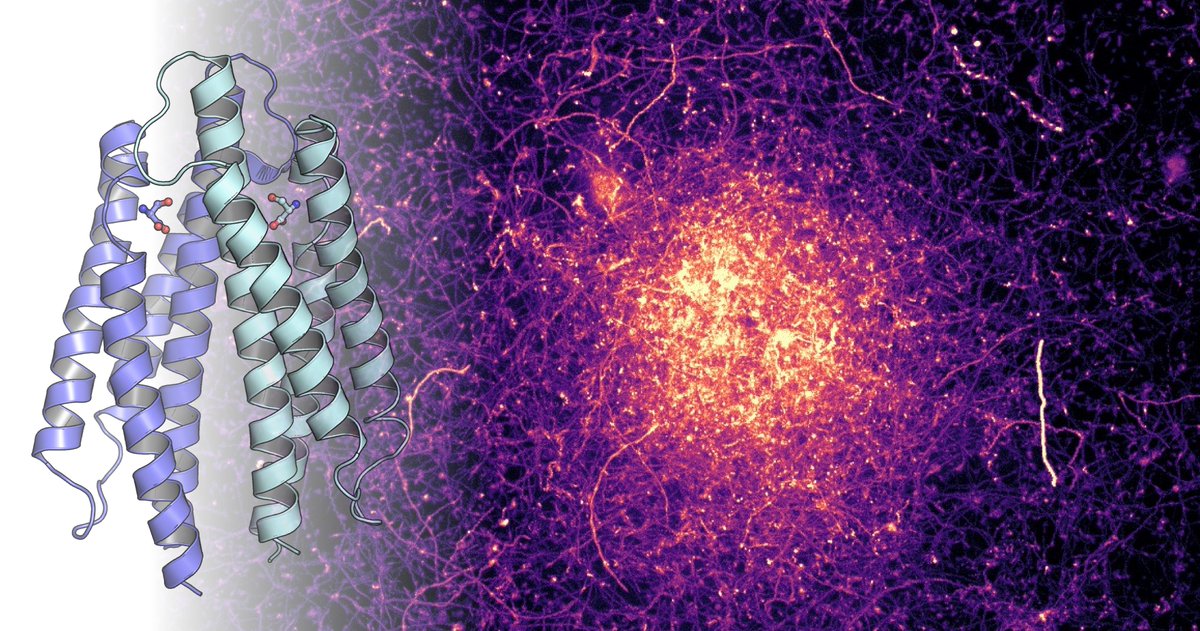
How can you ever get tired of watching bacterial swim around? Shows 5 minutes of S. Typhimurium responding toward a central injected source of human blood serum (right). Left is gradient visualized with dye. May be part of why these types of bacteria cause sepsis.
🦠Since we are still new to the platform, here is a research finding from our lab last year, published in eLife. These bacteria vant your blood (serum)! 🧛♂️Watch them swim toward their next meal! 🍽️
📄 Read more: https://t.co/vn1mBILB6P
#Microbiology#BacterialVampirism
Peroxiredoxins are some of the coolest enzymes out there—they don’t just protect cells from oxidative stress, they also form awesome donut-shaped structures! 🍩 Targeting them could lead to new antibiotics. #Microbiology#antibiotics#AMR#Antioxidants#BacterialPathogens
Here we are injecting different combinations of stimuli (attractant or repellent) leading to a spectrum of responses. Video is 5 mins in length.
https://t.co/FbQAtMJHMp
🦠Watching bacterial chemotaxis in action is mesmerizing! These tiny cells navigate their world with precision, responding to stimuli in real time. Many of the world's deadliest bacteria use chemotaxis to infect and cause disease💊#Microbiology
📢 Molecular Microbiology is inviting submissions from the #blastmeeting2025 community! Research articles related to BLAST XVIII topics will be compiled into a virtual special issue, launching by Jan 2027 for the next BLAST meeting. Submit your work! 🔬🦠 #Microbiology
🚨 Call for review articles! 🚨 @FEMSmicrobes is accepting submissions for FEMS Microbiology Reviews on topics from BLAST. Vice-Chair Josh Shrout (@NotreDame) & Editor-in-Chief Karin Sauer will lead this special issue. Contact [email protected] with ideas ASAP! #Microbiology
New in JB: Roberge & Burrows review the role of the PilB ATPase and other factors in the assembly of type IV pili.
https://t.co/HflWzTuhFA
@ASMicrobiology@JBacteriology
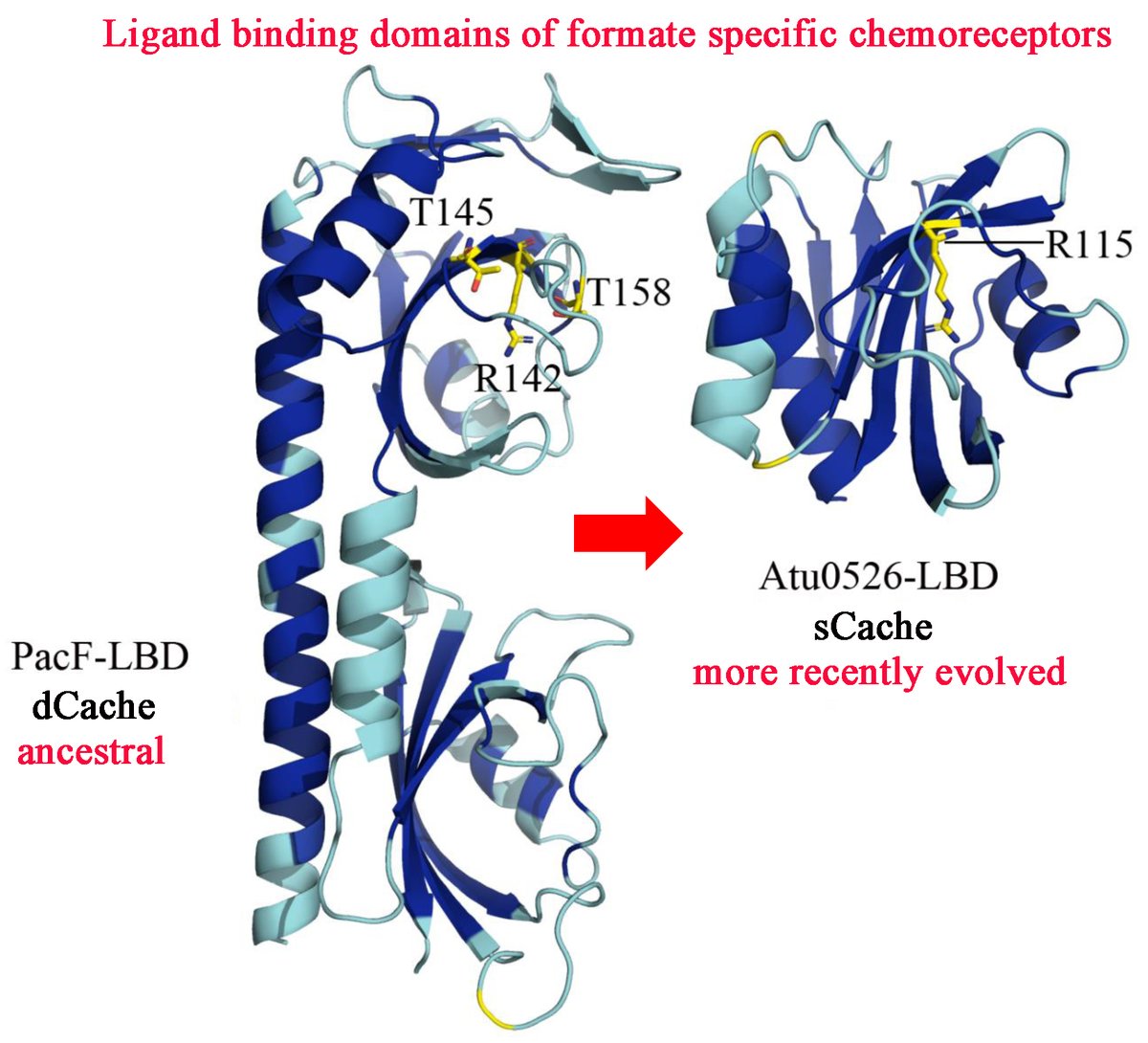
Very pleased to see that out in PNAS: Bacterial sensor evolved by decreasing complexity. Evolution is not always towards complexity. Yet another wonderful collaboration with @zhulinlab@gavirius and @miguel_matilla,@BLASTMeetings@SEMicrobiologia https://t.co/Qp3woqCrFZ
Kailie Franco from @BaylinkLab at @WSU impressed the audience with her fascinating research on redox potential sensing via CZB protein domains, highlighting zinc as a secondary messenger in signaling!
Learn more about the lab’s work at https://t.co/yMqwyNsJlQ
#blastmeeting2025
Our first research article appears today in eLife.
We report the Tsr chemoreceptor mediates attraction to human serum and entry into damaged vasculature in a hemorrhagic lesion model. Potentially involved in bacteremia.
https://t.co/sBx2j3I0Ah
#chemotaxis#sepsis#sciencenews