It’s the nicotine frying his brain maybe. Wild and sad to watch him devolve.
Rob Bell, remember him? Bro got hit on the head with a surfboard too many times I guess. He is OUT THERE now but used to deliver such meaningful messages and have the best guests on his podcasts. Now he just says “yeah, yeah” a lot. I think weed fried his brain. So sad.
Title: **“I Go to Prepare a Place for You”
How Jesus Promise in John 14: 2-3 Connects to the Ancient Jewish Wedding System**
When Jesus told His disciples, “I go to prepare a place for you,” He was not making a poetic statement. He was using a direct image from the ancient Jewish marriage tradition, a custom every Jewish listener understood immediately.
To understand the depth of Jesus words, you must enter the world of the Jewish wedding, because Jesus intentionally used marriage language to explain His mission, His departure, and His coming return. What looks like a simple promise is actually a complete prophecy about the future of the Church and God’s eternal plan.
This article will take you through:
• What Jesus said
• How Jewish weddings worked
• Why Jesus promise fits perfectly into that pattern
• How this reveals the love story between Christ and His Bride, the Church
• Why His return is certain and closer than ever
Let us begin get your popcorn **🍿
On the night before His crucifixion, Jesus comforted His disciples with these words:
“In My Father’s house are many rooms…I go to prepare a place for you. And if I go and prepare a place for you, I will come again and receive you to Myself, that where I am, there you may be also.”
To the modern reader, it sounds like Jesus is telling them not to worry. But to a Jewish listener, these words would immediately remind them of a bridegroom speaking to his bride during the betrothal ceremony.
In Jewish culture, these exact words were part of the wedding vocabulary.
Jesus was not talking like a teacher.
Not like a prophet.
Not like a pastor.
He was talking like a Bridegroom speaking to His chosen Bride.
The Two Stages of the Jewish Marriage System**
To understand Jesus message fully, we must understand how Jewish marriages were structured.
A Jewish wedding had two major stages:
Stage 1: Kiddushin -The Betrothal
This was not like modern engagement. It was a binding covenant, legally recognized as marriage, even though the couple did not live together yet.
During this stage:
A bride price was paid
A covenant cup of wine was shared
Promises were exchanged
The bride became “set apart” for the groom
The groom returned to his father’s house to prepare a bridal chamber
This is exactly what Jesus did with His disciples.
He paid the price for His Bride, His own blood (1 Corinthians 6:20).
He offered the covenant cup at the Last Supper “This cup is the new covenant in My blood.”
He set His people apart (John 17:19).
Then He returned to His Father’s house.
Everything matches.
Stage 2: Nissuin -The Wedding and Home-taking
The second stage happened later, often about a year after the betrothal.
This stage began when:
The father of the groom inspected the groom’s prepared room.
The father declared“Son, go get your bride!”
The groom went at night with shouts and trumpet blasts
The bride, who had been waiting, was taken back to the groom’s home
The couple spent seven days in the bridal chamber
After this came the wedding feast, a huge celebration
This is exactly how Jesus describes His Second Coming.
Let’s break down how each aspect of the Jewish wedding fits Jesus promise perfectly.
A. The Groom Returns to His Father’s House to Prepare a Room
After the betrothal, the groom did not take the bride home immediately. He returned to his father’s house to build a room, a private dwelling where the new couple would live.
It might take months or even a year.
This is exactly what Jesus said “In My Father’s house are many rooms…I go to prepare a place for you.”
Just as the groom built a room under his father’s supervision, Jesus is preparing our eternal home.
So,
We are not forgotten.
We are not abandoned.
We are being prepared for.
Only the Father Knows the Day the Groom Will Return
In Jewish tradition, the groom was not allowed to decide when to return for his bride.
Title: The Parable of the Wedding Feast Explained Through Jewish Culture
Matthew 22:1–14
When we read the Parable of the Wedding Feast some of us feel confused, especially about the man who was thrown out for not wearing wedding garments. At first glance, it sound harsh or unfair. But when we read this parable through Jewish culture, everything becomes clear, logical, and deeply powerful.
Jesus was speaking to Jewish listeners, using Jewish wedding customs they understood very well. This parable is not about cruelty, it is about God’s grace, invitation, and righteousness.
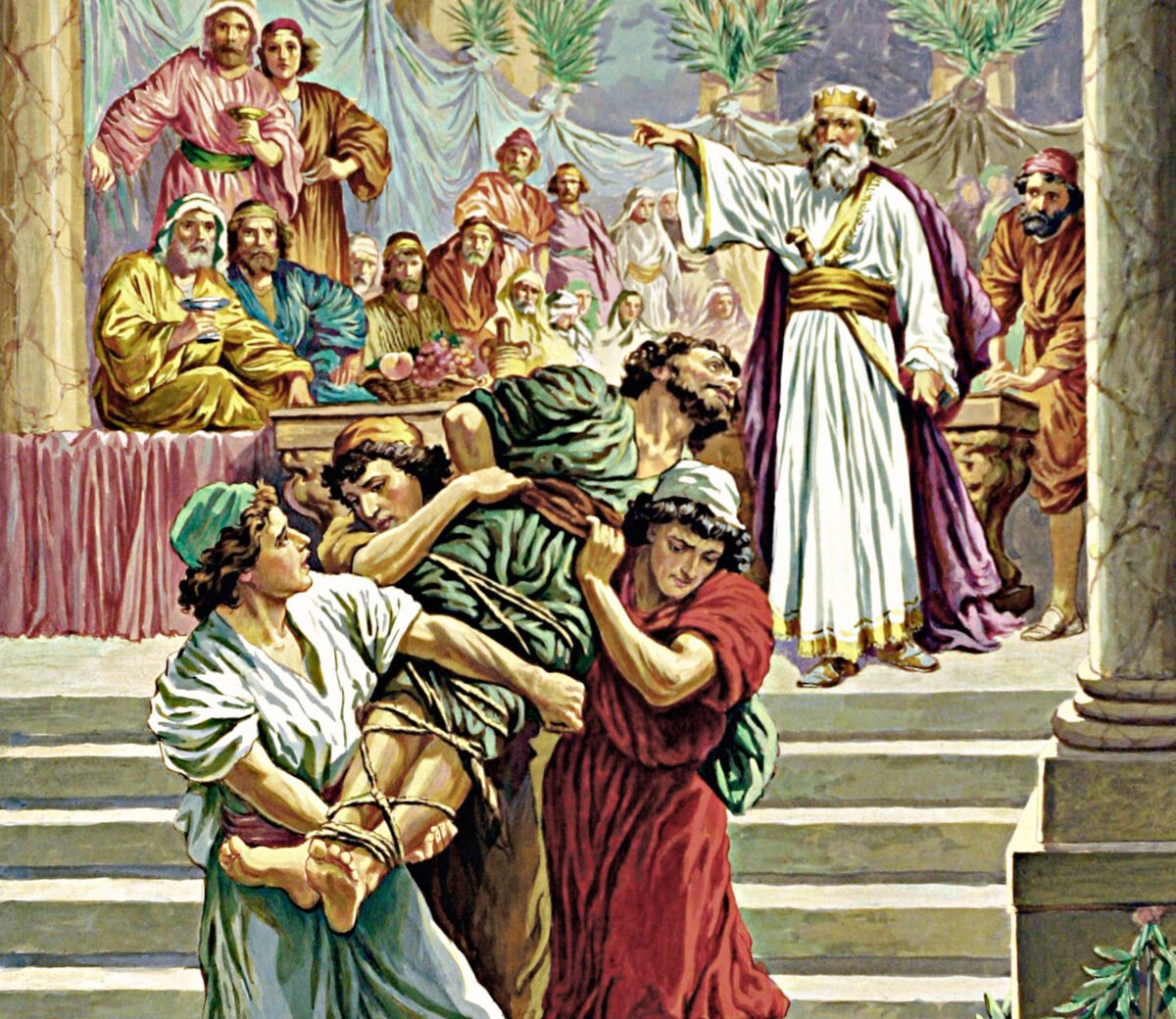
Weddings in Jewish culture, especially the wedding of a king’s son, were among the most important and joyful events in society. Such a wedding was not a private ceremony. It was a public celebration that could last many days. The honor of attending was immense, and rejecting the invitation was seen as a serious insult.
In Jewish custom, invitations to a wedding were sent in two stages. The first invitation announced that the wedding was coming, and those invited agreed to attend. The second invitation was sent when everything was ready, telling the guests that it was time to come. When Jesus begins the parable by saying that a king prepared a wedding banquet for his son and sent servants to call those who had been invited, His Jewish listeners immediately understood that these guests had already accepted the first invitation. Their refusal to come was not ignorance, it was rebellion and dishonor.
This is why the response of the invited guests is so serious. Some ignore the invitation and go back to their farms and businesses. Others go even further and seize the servants, mistreat them, and kill them. To the Jewish mind, this clearly reflected Israel’s history. God had called Israel into covenant, and again and again He sent prophets to call them back to Him. Instead of listening, many ignored the message, and some even killed the prophets. Jesus was not telling a new story, He was retelling Israel’s story in parable form, and the religious leaders knew it.
When the king responds by judging those who rejected the invitation and destroying their city, this would not have sounded strange or cruel to a Jewish audience. In Jewish covenant theology, privilege brings responsibility. To reject a king’s invitation, especially after agreeing to attend, was an act of open rebellion. Many scholars understand this part of the parable as a prophetic warning about the coming destruction of Jerusalem, which happened in AD 70. Jesus was showing that persistent rejection of God’s grace eventually leads to judgment.
After this, the parable takes a shocking turn. The king tells his servants to go into the streets and invite everyone they can find, both good and bad. In Jewish society, especially at a royal wedding, this was unthinkable. A king’s banquet was for honored guests, not for strangers, outcasts, or morally questionable people. Yet Jesus deliberately includes this detail to show the radical nature of God’s grace. When those who were first invited rejected the call, the invitation did not disappear. It was extended to everyone. This is where the Gentiles enter the picture, along with sinners, the poor, and the socially rejected.
The wedding hall becomes full, and the story seems to end happily. But then Jesus introduces the most misunderstood moment in the parable. The king notices a man who is not wearing wedding clothes and asks him how he entered without them. The man is speechless. This detail is crucial. His silence shows that he has no excuse.
In Jewish royal weddings, it was common for the host to provide wedding garments. This was especially true when guests were invited unexpectedly from the streets. The garment was not a test of wealth or social status. It was a gift. To refuse to wear it was to dishonor the king and reject his authority. This man was not thrown out because he was poor or ignorant. He was thrown out because he deliberately rejected what the king had provided.
In Jewish thought, clothing often symbolized spiritual condition. Throughout the Old Testament, righteousness is described as a garment. Isaiah speaks of being clothed with garments of salvation and a robe of righteousness. Zechariah describes the removal of filthy garments from the high priest and the giving of clean ones. Jesus listeners would have immediately understood that the wedding garment represented a kind of righteousness that comes from God, not from human effort.
The man without the garment represents someone who accepts the invitation but refuses God’s terms. He wants to be present at the feast, but he does not want to submit to the king’s provision. In modern terms, he wants the benefits of the kingdom without honoring the King. This is why his punishment is severe. In Jewish culture, rejecting a king’s gift at his son’s wedding was a direct act of contempt.
This parable teaches that grace is free, but it must be received properly. The invitation costs nothing. The garment costs nothing. Everything is provided by the king. But it must be accepted. A person cannot stand before God on their own righteousness and expect to remain in His kingdom. The wedding garment points forward to the righteousness of Christ, which is given, not earned.
When Jesus concludes by saying that many are called but few are chosen, He is not saying that God invites many but only desires a few. In Jewish understanding, being “called” means being invited, while being “chosen” means responding rightly to the invitation. God’s call goes out to all, but only those who humble themselves and receive what He provides remain at the feast.
This parable fits perfectly with the wider biblical story. It connects with the Jewish wedding imagery found in John 14, where Jesus speaks as a bridegroom preparing a place for His bride. It connects with Revelation, where the marriage supper of the Lamb is described, and the bride is clothed in fine linen given to her. From beginning to end, Scripture presents salvation as an invitation to a wedding, where joy, covenant, and union are central.
In the end, the Parable of the Wedding Feast is not a message of fear but of honor and mercy. The door is open. The table is prepared. The garment is ready. No one is excluded because of background, past sin, or status. The only ones who are excluded are those who refuse the King’s gift and insist on standing before Him on their own terms.
The question Jesus leaves with His listeners, and with us today, is simple. Are we going to accept the invitation and humbly wear the garment the King has provided, or are we going to stand before Him clothed in our own righteousness and be found speechless?
@mulberrytreeapp@XFreeze@RepThomasMassie Maybe go back to farm posts? It’s creepy that the Mulberry Tree app is consistently showing up in discussions like this. Timeline cleanse. 🙏🏼
Neither Democrats nor Republicans will save us from collapse. D.C. will never limit its own power. It’s up to the states—and We the People. Sign the Convention of States petition: https://t.co/YfcUpRGJyP
#conventionofstates
@Ihunanya_chi Why did John the Baptist send his disciples to Jesus and ask, “Are you the one who is to come, or shall we expect another?”
He knew full well who Jesus was. Weren’t they even cousins?
The Founders never meant for Congress or bureaucrats to become a ruling class. The Convention of States Resolution calls for term limits, fiscal restraints, and limits on Washington’s power. Our petition goes straight to your state legislator. Sign today: https://t.co/YfcUpRHhon
Kill your TV.
~15k steps per day by walking dogs 3x/day.
House is always clean.
Hobbies include hiking, gardening, paddle boarding (profile header photo is mine).
Work from home. Work is enough socialization to realize podcasts and reading are great hobbies too.
Good hygiene only takes 15 minutes.
99% of my meals are homemade and amazing.
Church and community activities provide wholesome socialization.
I repeat, kill your TV.
can someone please explain to me how someone gets 8 hours of sleep, 10,000 steps a day, goes to work, maintains good hygiene, cleans their house, exercises, takes care of their animals, and has time for hobbies and socializing? cause i feel like this is also propaganda.
Russia is experiencing one of the harshest and most extreme winters in recent memory - especially on the Kamchatka Peninsula.
What began as a winter storm has turned into an apocalyptic reality, as entire neighborhoods are being buried under massive mountains of snow, in some places reaching the height of the fourth and even fifth floors..