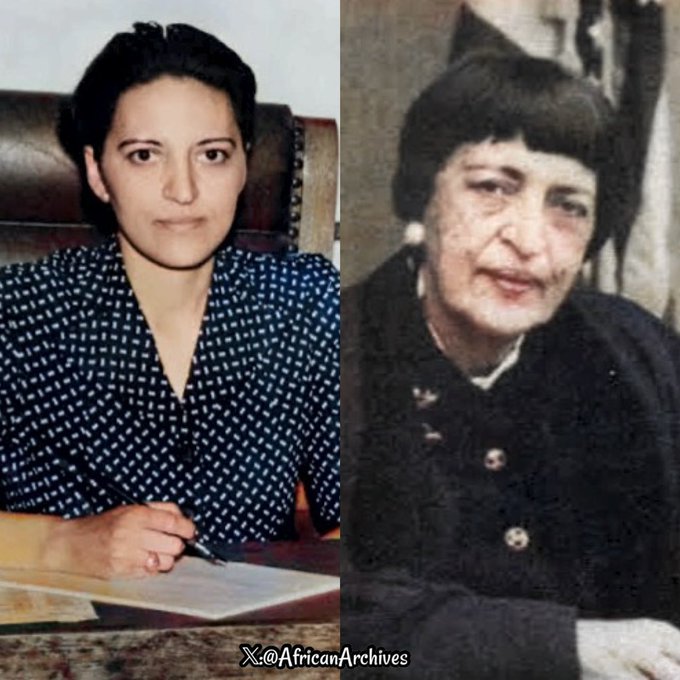
Jane Matilda Bolin was the first black woman to serve as a judge when she was appointed Judge of the Domestic Relations Court in New York City.
She was also the first Black woman to graduate from Yale Law School.
This timeline brings attention to a long and difficult history, but it is important to understand it with context and accuracy. The experience of Black Americans cannot be reduced to a few numbers or dates, even though those numbers help show how long certain systems lasted.
Slavery in what became the United States developed over the 17th century and was legally entrenched for generations, ending in 1865 after the Civil War. That period shaped the country’s economy and social structure in lasting ways. After slavery ended, systems of control did not disappear. Instead, they evolved into laws and practices that enforced segregation and limited rights, often referred to as Jim Crow. These laws varied by state and existed mainly from the late 19th century into the mid 20th century.
Lynching, which is highlighted in the image, was a form of racial terror used to enforce that system. It was not limited to a fixed set of years and occurred most heavily between the late 1800s and early 1900s, though incidents continued beyond that period. It played a major role in maintaining fear and control in many communities.
The Civil Rights Movement, often associated with the years between 1954 and 1968, was not a short struggle but part of a much longer fight for equality that began long before and continues today. Those years represent some of the most visible legal victories, including the end of segregation laws and the protection of voting rights.
The final point about police brutality reflects an ongoing conversation. It is connected to broader discussions about law enforcement, justice, and equality that continue in modern society. Like the rest of this history, it is complex and shaped by many factors over time.
The president should spend more time worrying about our constitution and the safety of Americans serving our nation, and less time thinking about a ballroom.
On this day in 1923, Garrett Morgan received a patent for the invention of the modern traffic light signals.
He also invented the gas mask, an improved sewing machine and a hair-straightening product.