Professor at the Institute for Astronomy at the University of Hawaii, founding member ASAS-SN and PI of Spectroscopic Classification of Astronomical Transients.
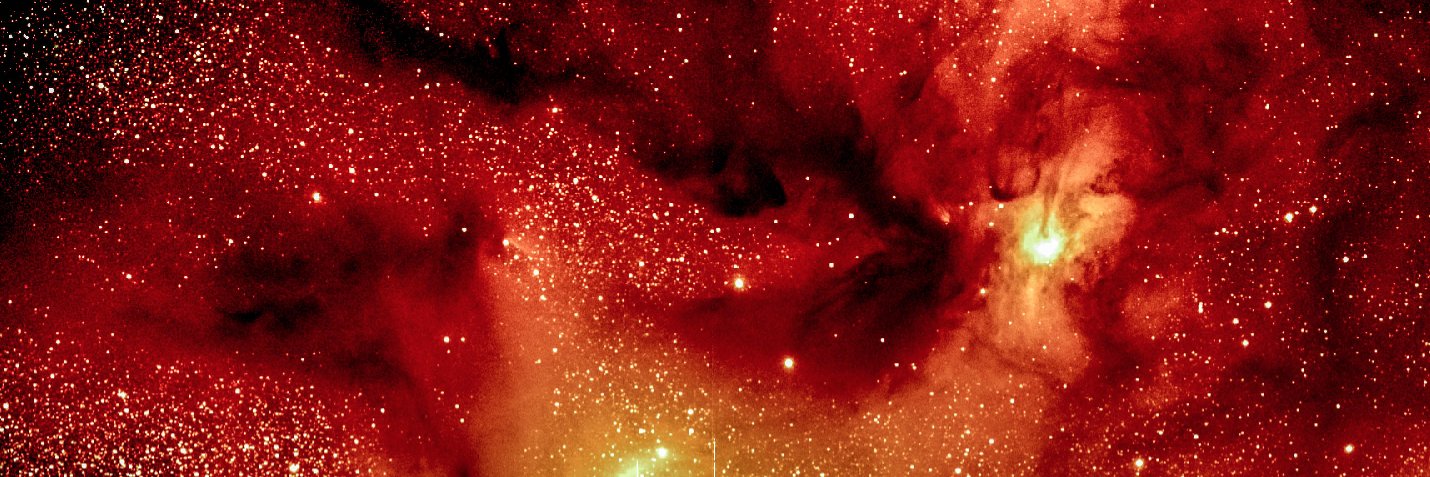
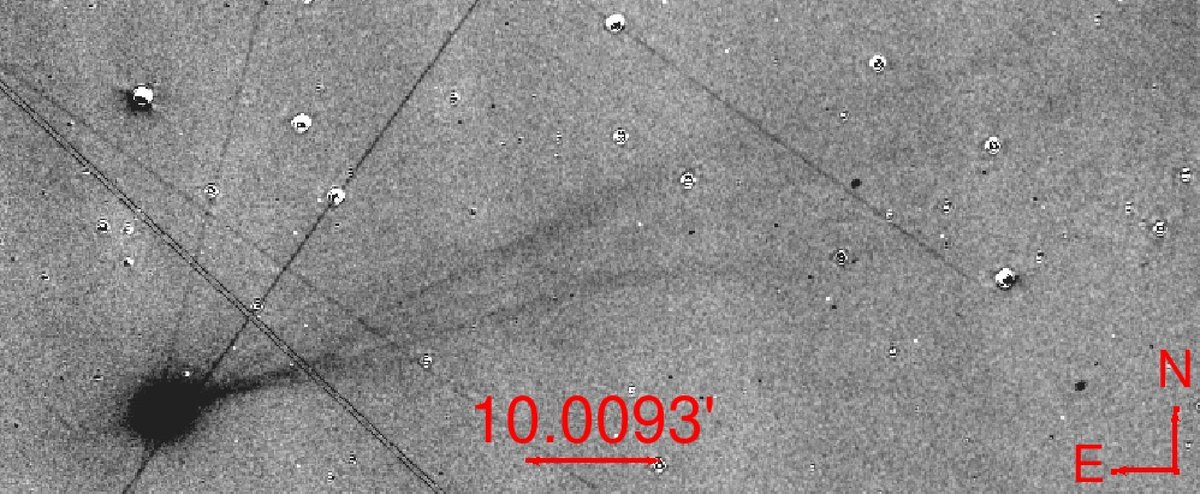
@AsassnCitizen The horizontal and vertical lines in the background are a result of how our image subtraction works. ASAS-SN divides each image into nine pieces (3x3) when subtracting.
The 3rd interstellar object, 3I-ATLAS, in ASAS-SN on 2025-11-17 (18.50 days after closest approach to the Sun). 3I was about 1.5AU (227 million km) from the Sun and 2.1 AU (312 million km) from the Earth. The tail extends about 1.75 degrees or 9.5 million km(!).
These are subtracted images, so static sources like stars are removed. The first subtracted image was linear scaling. This is with a sinh scaling. The diagonal lines across the image are satellites streaking across.
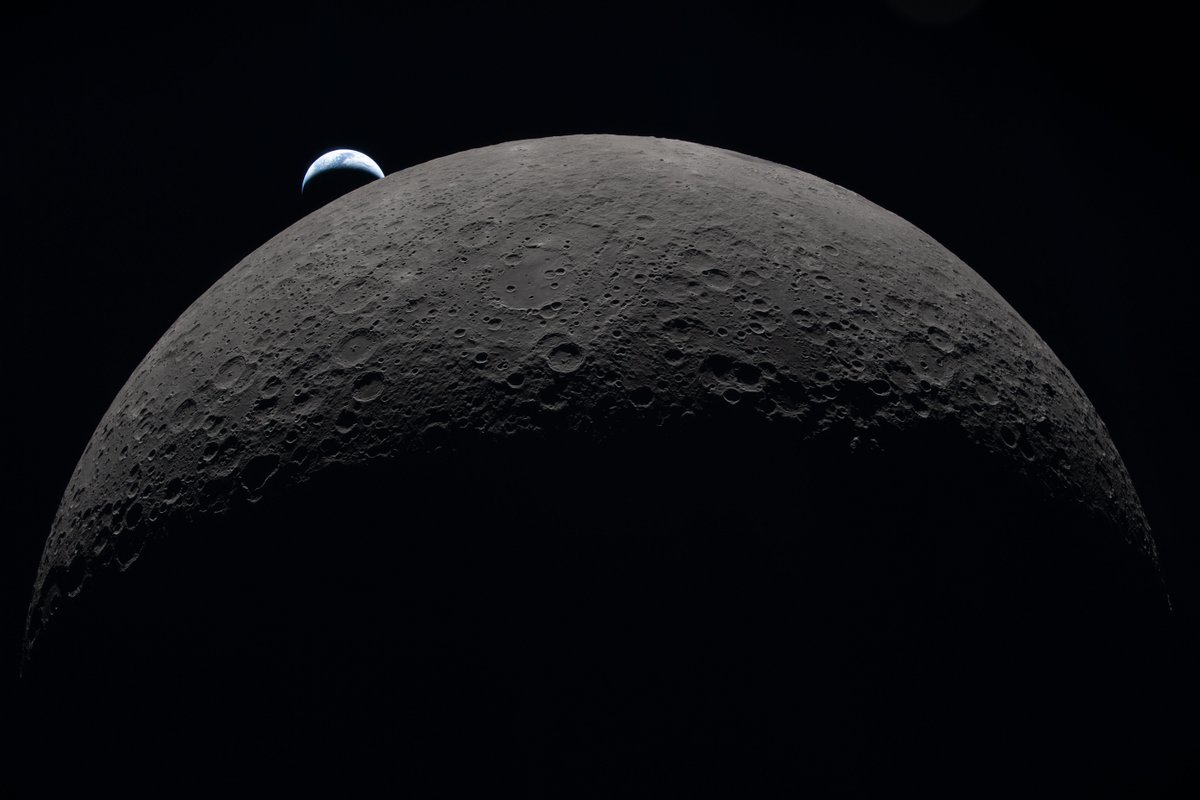
Hello, Moon. It’s great to be back.
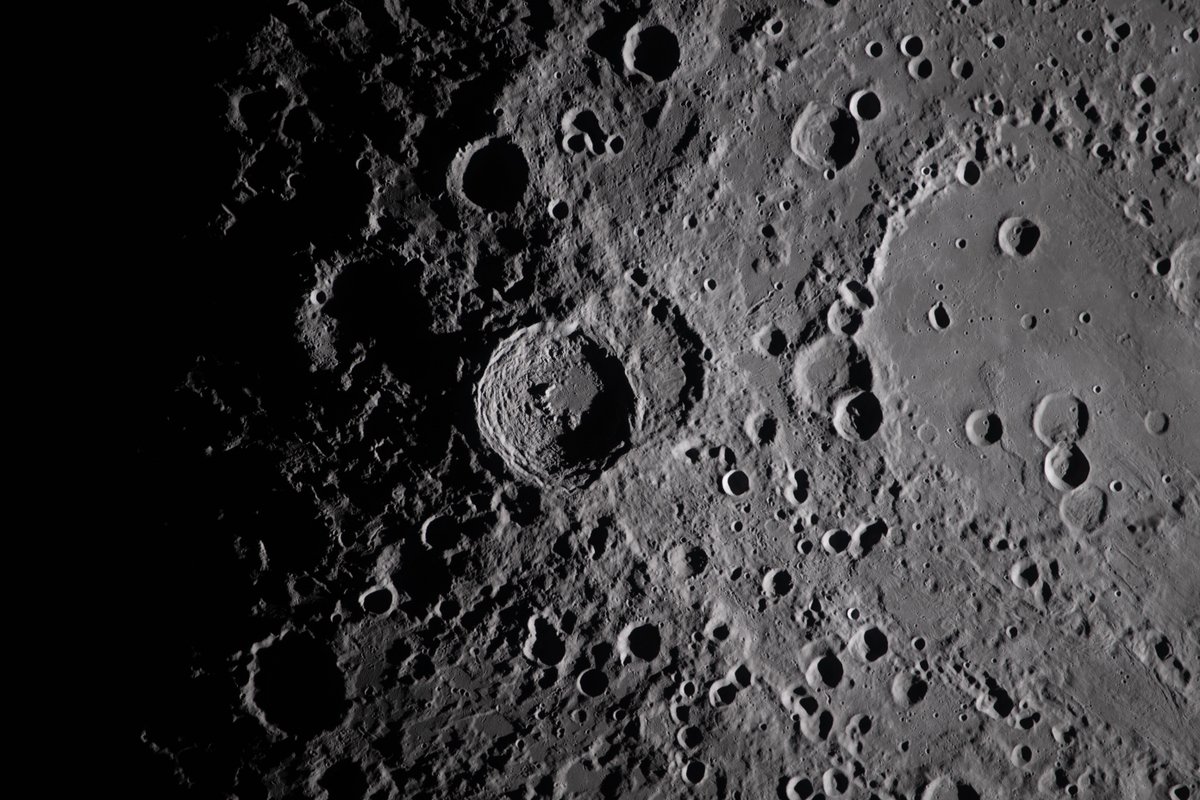
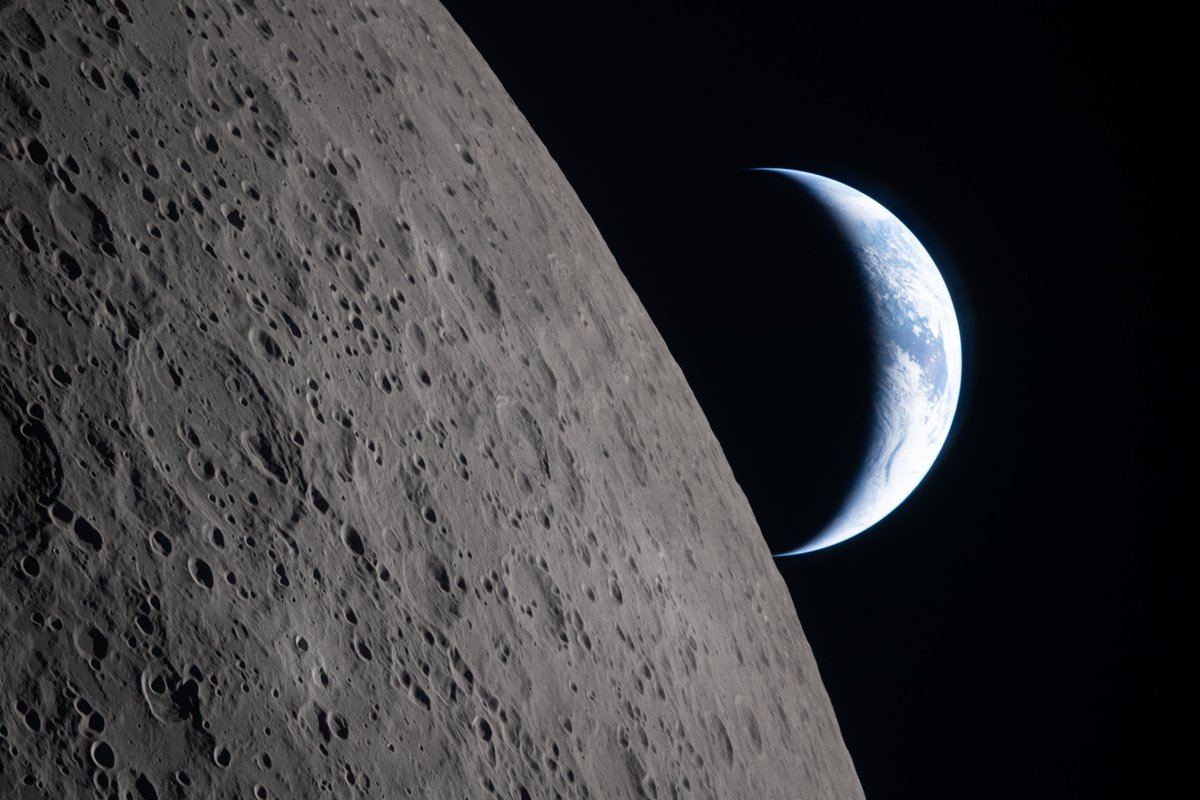
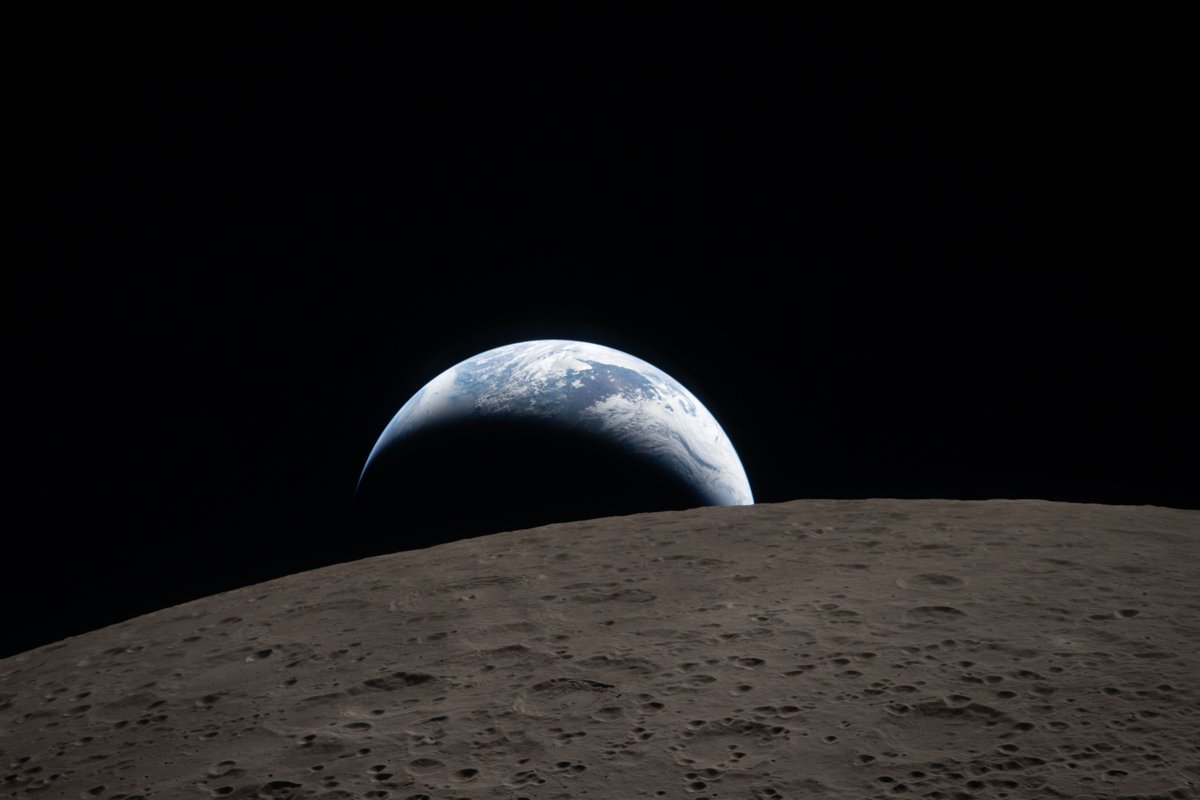
Here’s a taste of what the Artemis II astronauts photographed during their flight around the Moon. Check out more photos from the mission: https://t.co/rzM1P0QbOl
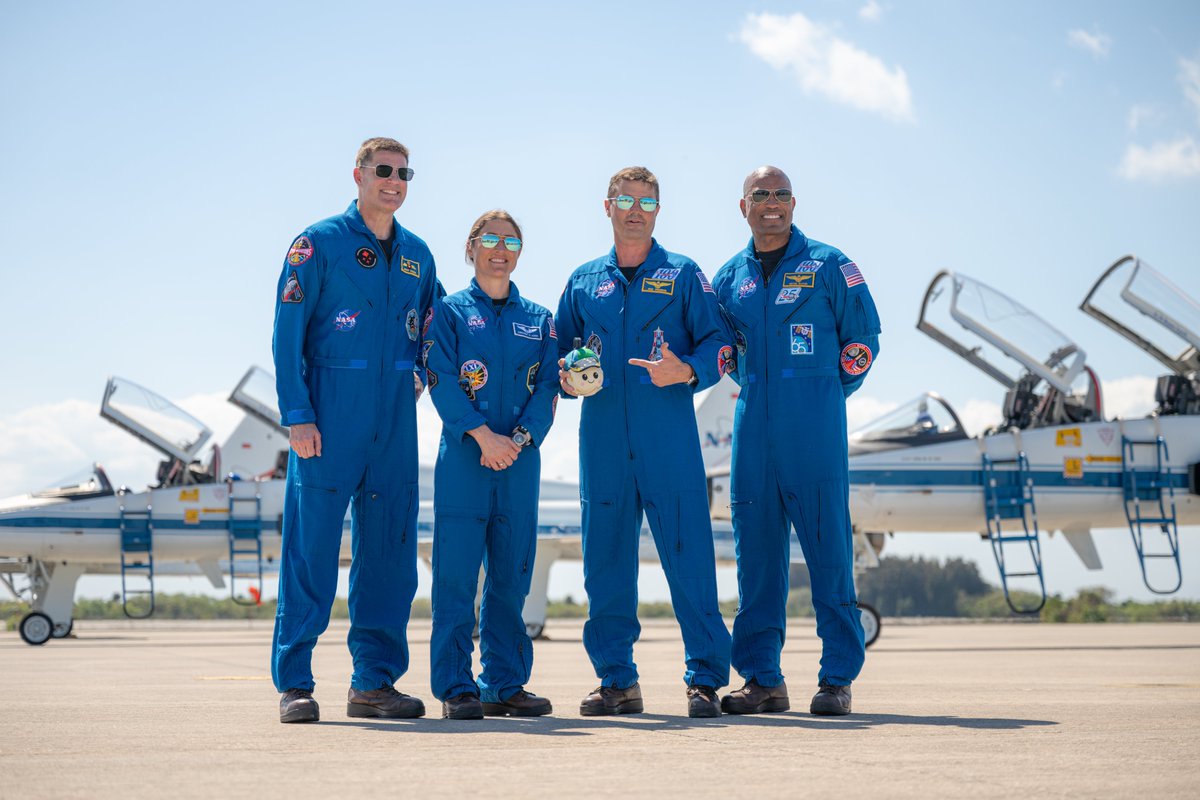
I'm honestly SHOCKED at how the general public has NO IDEA Artemis II is taking humans out to the moon and will be the furthest humans have ever flown. Every non-space nerd I've talked to has no idea. WE GOTTA GET PEOPLE STOKED!!!! THESE FOUR HUMANS ARE FLYING TO THE MOON!!!
Using Georgia State's Center for High Angular Resolution Astronomy (CHARA) , astronomers have captured images of two stellar explosions in unprecedented detail. Their findings were recently published in the journal Nature Astronomy.
https://t.co/XzzQCXeamK
Ivy League schools rediscover, sometimes as if for the first time, that standardized tests predict success in college:
1. Dartmouth (Feb 5, 2024):
“Several key findings guided our decision: First, standardized test scores are an important predictor of a student's success in Dartmouth's curriculum, and this is true regardless of a student's background or family income.”
“Research shows that standardized test scores can be an important predictor of academic success at a place like Dartmouth and beyond—more so even than just grades or recommendations, for example.”
2. Yale (Feb 22, 2024):
“Yale’s research from before and after the pandemic has consistently demonstrated that, among all application components, test scores are the single greatest predictor of a student’s future Yale grades. This is true even after controlling for family income and other demographic variables, and it is true for subject-based exams such as AP and IB, in addition to the ACT and SAT.”
3. Brown (March 5, 2024):
“Our analysis made clear that SAT and ACT scores are among the key indicators that help predict a student’s ability to succeed and thrive in Brown’s demanding academic environment.”
4. Harvard (April 11, 2024):
“Research by Opportunity Insights has shown that SAT and ACT scores are the single strongest predictors of academic success at selective colleges like Harvard... Standardized tests provide a common benchmark that can help us evaluate applicants’ readiness for the academic challenges at Harvard in a way that is more fair and equitable than high school grades alone.”
5. Cornell (April 22, 2024):
“After a multi-year study conducted by the university’s Task Force on Standardized Testing in Admissions, data showed that when reviewed in context with other application materials—such as GPA, academic rigor, extracurricular engagement, essays, and letters of recommendation—test scores help to create a more complete picture of an individual applicant.”
6. Penn (Feb 14, 2025):
“Penn’s practice has been, and continues to be, considering a student’s school-based academic record on its own merit, with testing as part of Admission’s broad and comprehensive assessment. With this approach, testing complements a student’s existing accomplishments and can offer additional relevant information in our comprehensive and holistic admission process.”
7. Princeton (Oct 9, 2025):
“The decision to resume testing requirements follows a review of five years of data from the test-optional period, which found that academic performance at Princeton was stronger for students who chose to submit test scores than for students who did not.”
Update 4 years later. @NASA_TESS has now been cited more than 3000 times(!!!), and the fraction of those papers mentioning ASAS-SN has grown to be 14.1% of those papers. @ztfsurvey is mentioned in 10.4% and ATLAS is mentioned in 7.1%—amazing synergy between ground and space.
TESS now has just over 1000 citations since launch!
113 of those also reference @SuperASASSN. Over 10%!!!
We observe @NASA_TESS fields at higher cadence thanks to Mt. Cuba Foundation and TESS GI funding.
And our public data just got even better:
https://t.co/7KRZNTN17V
View of Starship landing burn and splashdown on Flight 10, made possible by SpaceX’s recovery team. Starship made it through reentry with intentionally missing tiles, completed maneuvers to intentionally stress its flaps, had visible damage to its aft skirt and flaps, and still executed a flip and landing burn that placed it approximately 3 meters from its targeted splashdown point