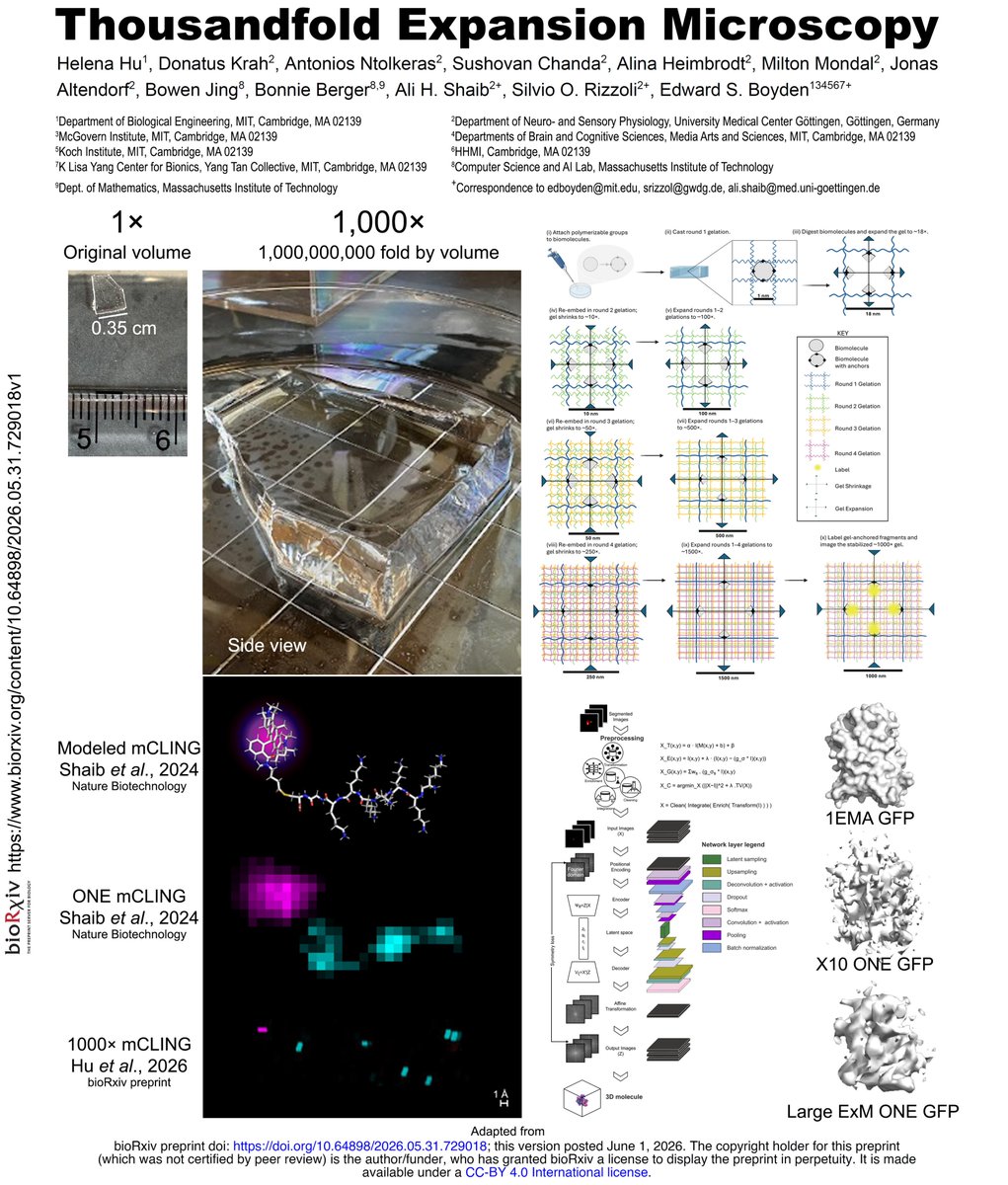
Hello world, meet 1,000× Expansion Microscopy.
1,000,000,000× expansion by volume! A gel that starts at a few centimeters will then expand to the volume of an Olympic swimming pool. https://t.co/E43kxx4O5M
In our new bioRxiv preprint, work carried out between MIT and UMG, led by Helena Hu in collaboration with scientists from the labs of @eboyden3 Ed Boyden, Silvio Rizzoli, and myself, we present Thousandfold Expansion Microscopy.
By enlarging biological specimens across multiple rounds of expansion, molecular-scale features, as small as the distances between adjacent amino acids, can be visualized with conventional optical microscopes.
Democratizing super-resolution microscopy.
A global team of engineers and scientists has combined optical stimulation with a highly sensitive recording probe into one tool: Neuropixels Opto. Shared in @NatureMethods, it allows researchers to measure, record, and manipulate brain cells.
🔗: https://t.co/KENi5n9kDG
Scientists have developed a minimally invasive, multiarmed surgical robot that can relieve spinal nerve compression from the front of the body relatively quickly and with minimal blood loss in preclinical models.
Learn more in Science #Robotics: https://t.co/0HXLAsqcS7
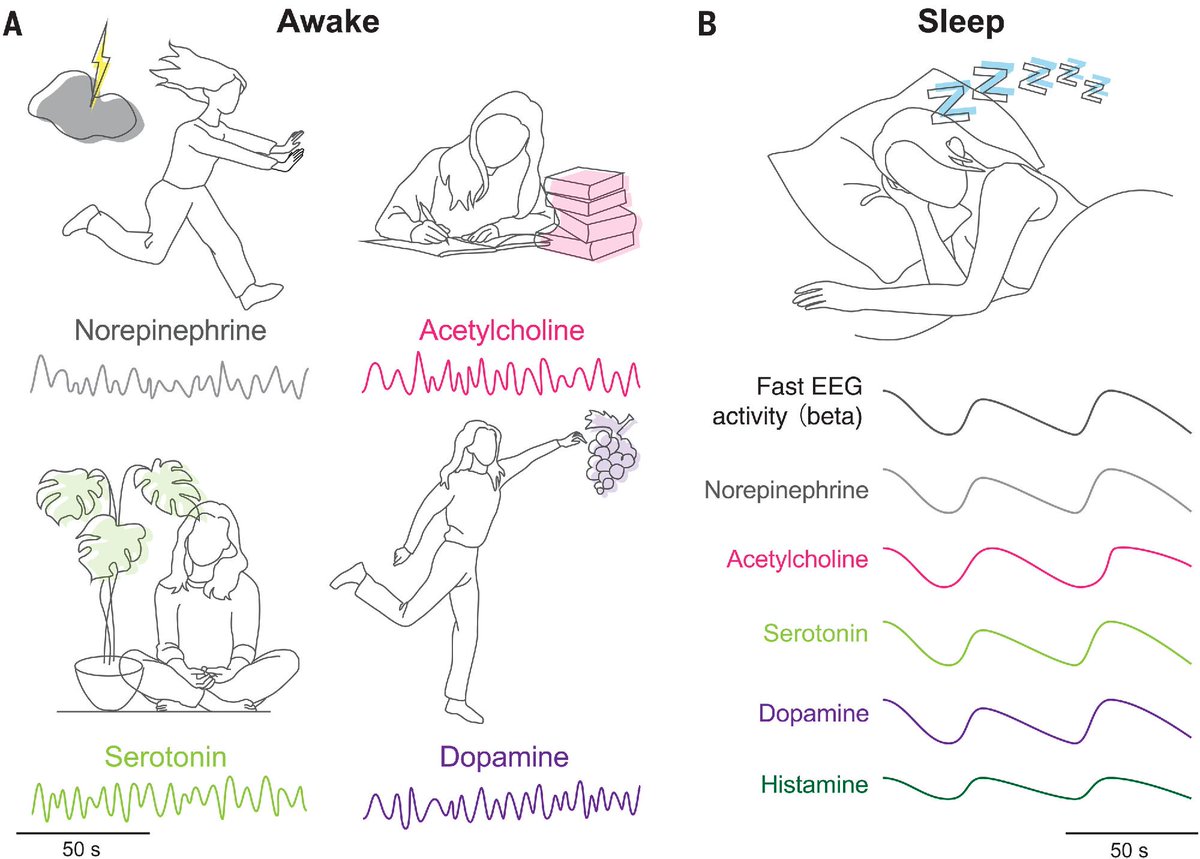
Recent studies have revealed the synchronization of neuromodulators including norepinephrine, serotonin, acetylcholine, dopamine, and histamine during sleep.
A new #ScienceReview explores what potential role the synchronization of these oscillations may play in health. https://t.co/fcDdHm1SDP
Our NeuroAI study made it onto the cover of Nature Machine Intelligence (@NatMachIntell) ❤️.
In it, we demonstrate that a developmentally-inspired visual diet can drastically improve the robustness of ANN-based vision systems.
open access, open code, open weights, open science
By "eavesdropping" on the dreaming brain, #HHMIInvestigator Massimo Scanziani's lab discovered something remarkable: During REM sleep, the brain runs an internal model of the world, simulating the consequences of actions w/no input from the outside world: https://t.co/ERrJRFLhvD.
Explainable prediction and simulation of complex system dynamics through networks of manifolds
This preprint introduces Generative Manifold Networks (GMNs) for modeling complex time-series systems.
GMNs learn low-dimensional dynamics and interaction networks directly from observed data, without relying on hidden latent or random variables. The authors show that GMNs can predict and simulate chaotic systems and neural–behavioral data, including fruit fly datasets.
Overall, the method aims to provide accurate, interpretable models of complex dynamical systems.
https://t.co/OraJqxRa4t
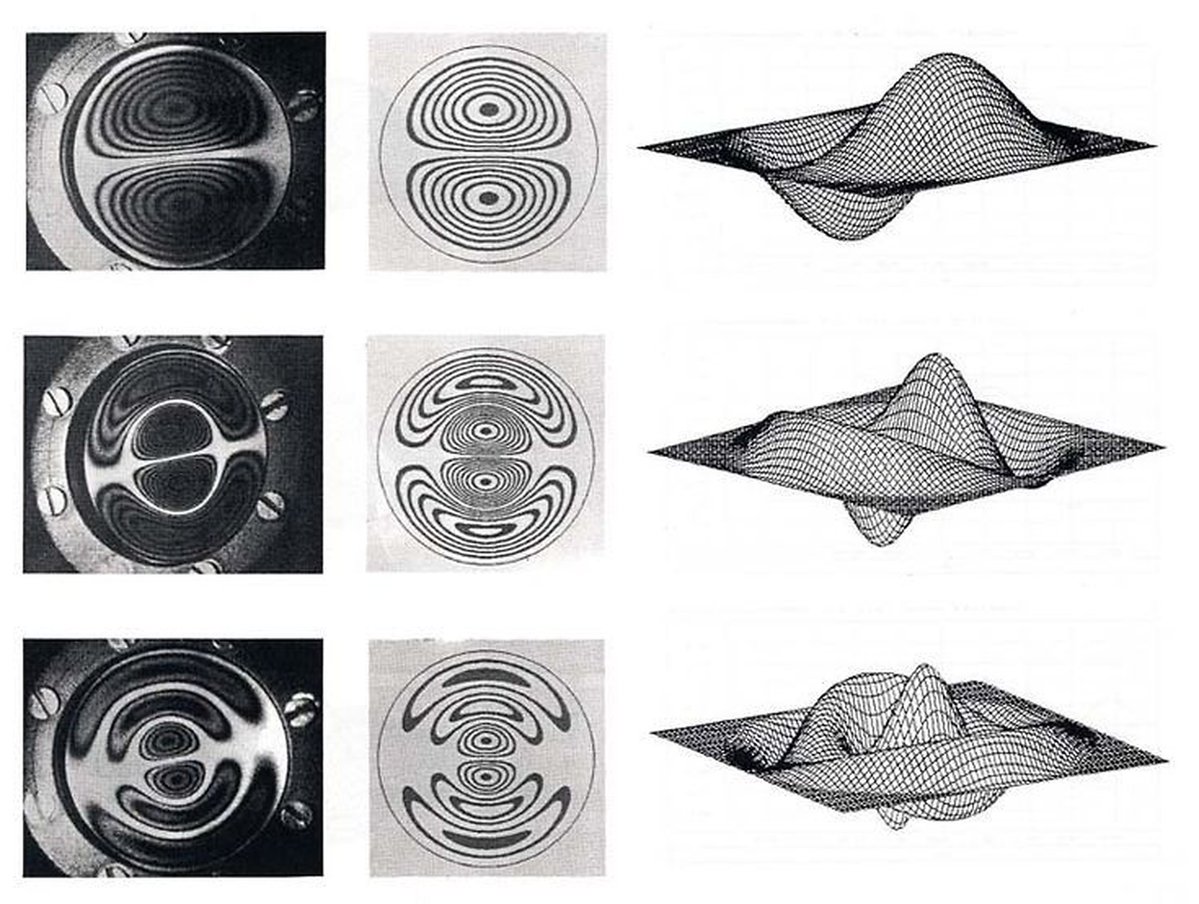
Atomic wave patterns appear in three complementary forms: experimental photographs captured in circular wave tanks, precise 2D contour maps, and 3D surface plots of quantum probability densities.
These visualizations represent solutions to the Schrödinger equation for electrons in atoms, displaying the characteristic shapes of s, p, and d orbitals through standing wave interference.
The same principles are essential in quantum mechanics and quantum chemistry for predicting electron behavior, explaining atomic spectra, determining molecular geometries, and developing technologies from semiconductors to lasers.
Music research can lead to unexpected places 🎵
ERC-funded projects explore how music connects with medicine, physics, cities and history – from the mathematics behind musical effects in healthcare to the social meaning of street music.
👉 https://t.co/jz5NFa9QUR
I've always found it odd when people say that "AI will do all the tedious stuff while scientists and researchers do the advanced stuff." The problem is, you can't really reach the level of doing the advanced stuff without training yourself to do the tedious stuff.
My generation might be the last one who learnt to do the tedious stuff without AI. It's going to be really interesting to see how the next generation handles this challenge.
Larger rewards make biological reinforcement learning much more efficient, and this should matter for ML too
Standard RL theory (TDRL, Rescorla-Wagner) treats the learning rate as a free parameter that is, by design, independent of reward magnitude. Most animal labs follow the same logic: keep individual rewards small to fit as many trials per session as possible. Sheng Gong and colleagues at Janelia put that assumption under experimental pressure.
Across five tasks in mice (hidden-target navigation, an effort-based reach-to-pull joystick, the IBL decision-making task, and two Pavlovian paradigms), they compared standard 5 microliter rewards with 100 microliter rewards while holding total reward per session constant. Allocating the same water into a few large drops instead of many small ones dramatically increased learning efficiency. Some mice solved the navigation task in a handful of trials, where standard rewards typically require hundreds to thousands.
The authors decompose the effect into three parts: a faster within-session learning rate, better capture of gains across sessions, and near-elimination of within-session disengagement. Ventral striatal dopamine release tracked absolute reward magnitude with prolonged plateaus for the largest rewards, well past the saturation reported in earlier work. Sustained optogenetic activation of VTA dopamine neurons reproduced the learning-rate boost and the engagement effect, but not cross-session capture. Brief stimulation gave the rate effect alone.
The implications cut two ways. In pipelines using animal models for drug discovery or therapeutics screening, switching to large interleaved rewards can shrink training timelines by an order of magnitude and reduce inter-animal variance, which matters for statistical power. More broadly for ML, the result aligns with recent proposals for adaptive learning rates tied to reward magnitude, and challenges the textbook assumption that learning rate is independent of reward size. Reward shaping in robotics and RLHF pipelines may benefit from revisiting the magnitude distribution of the reward signal.
Paper: Gong et al., Science (2026) - journal license | https://t.co/sadPsTYUjp
.@DenisTurcu thought he had his future mapped out: major in math and physics, a Ph.D. in theoretical physics, academia.
Then a computational neuroscience class changed everything.
Now a Shanahan Fellow, he uses math to build models inspired by the brain: https://t.co/L8KzeDLl3P
This could change everything (about how scientists study learning): New research from Sr. Group Leader Josh Dudman's Janelia lab found that counter to long-held assumptions, bigger rewards actually *speed up* learning thanks to sustained dopamine surges: https://t.co/EQgZAcPvWK.
DexJoCo
A MuJoCo-based benchmark and toolkit for task-oriented dexterous manipulation featuring 11 tasks, low-cost teleoperation hardware, and 1.1K human demonstrations to evaluate modern robotic policies.
What does neurodegeneration actually look like at the single-cell level? @dgsomucla researchers built a 3D map of 3,700+ individual brain cells, revealing that aging causes neurons to slowly shrink, while Huntington's disease damages specific cell types in distinct, location-dependent ways. This "dendritome mapping" approach could reshape how we study diseases like Parkinson's and Alzheimer's too. https://t.co/EvEHoPneUe
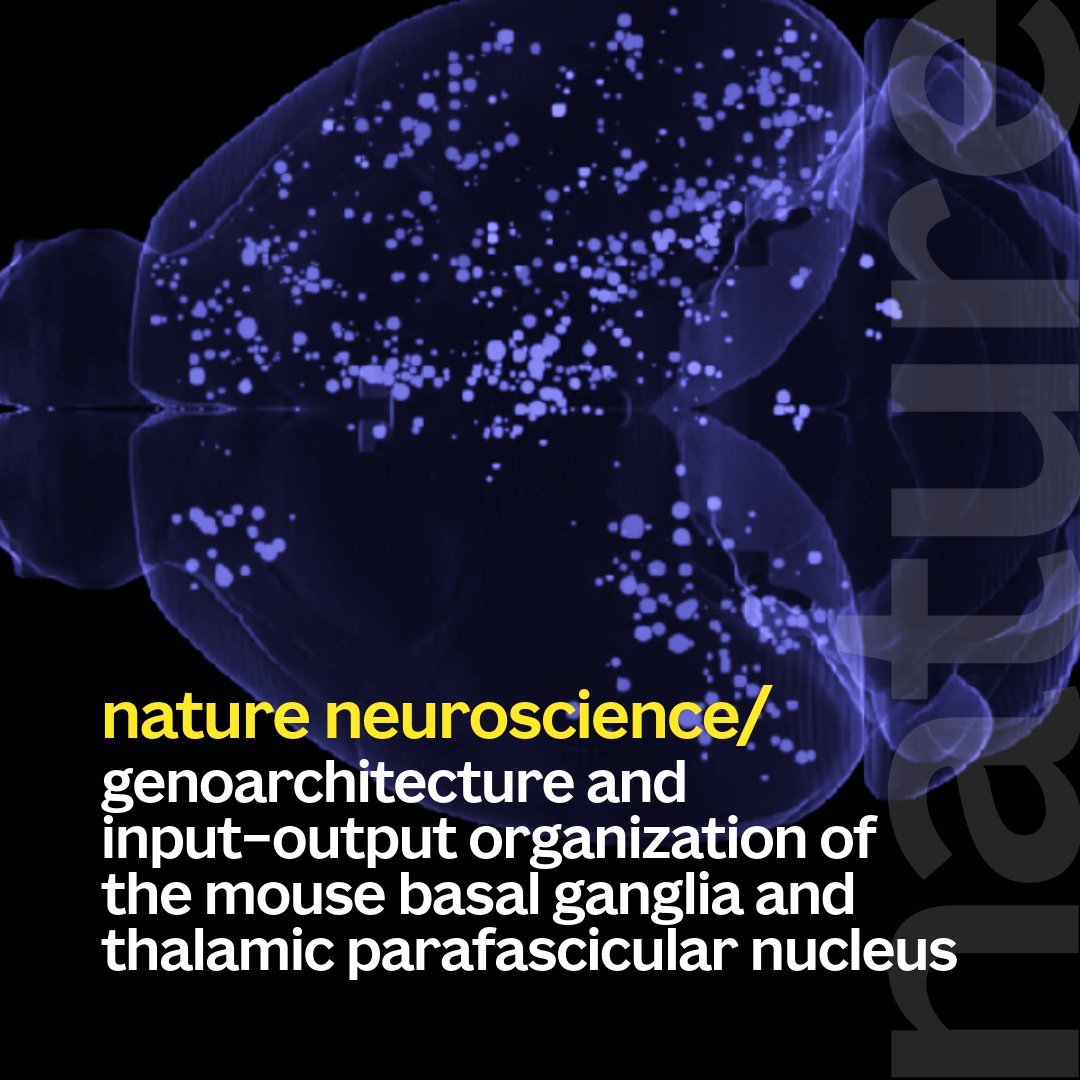
The basal ganglia is essential for motor control, learning, emotion and cognition, yet how cell types relate to their organization in circuits.
A new @NatureNeuro article shares new insights: https://t.co/AoUTZrONIZ
“Tenderness is the most modest form of love. It is the kind of love that does not appear in the scriptures or the gospels… It appears wherever we take a close and careful look at another being, at something that is not our ‘self.’”
Superb read: https://t.co/tJhIXqMf4C
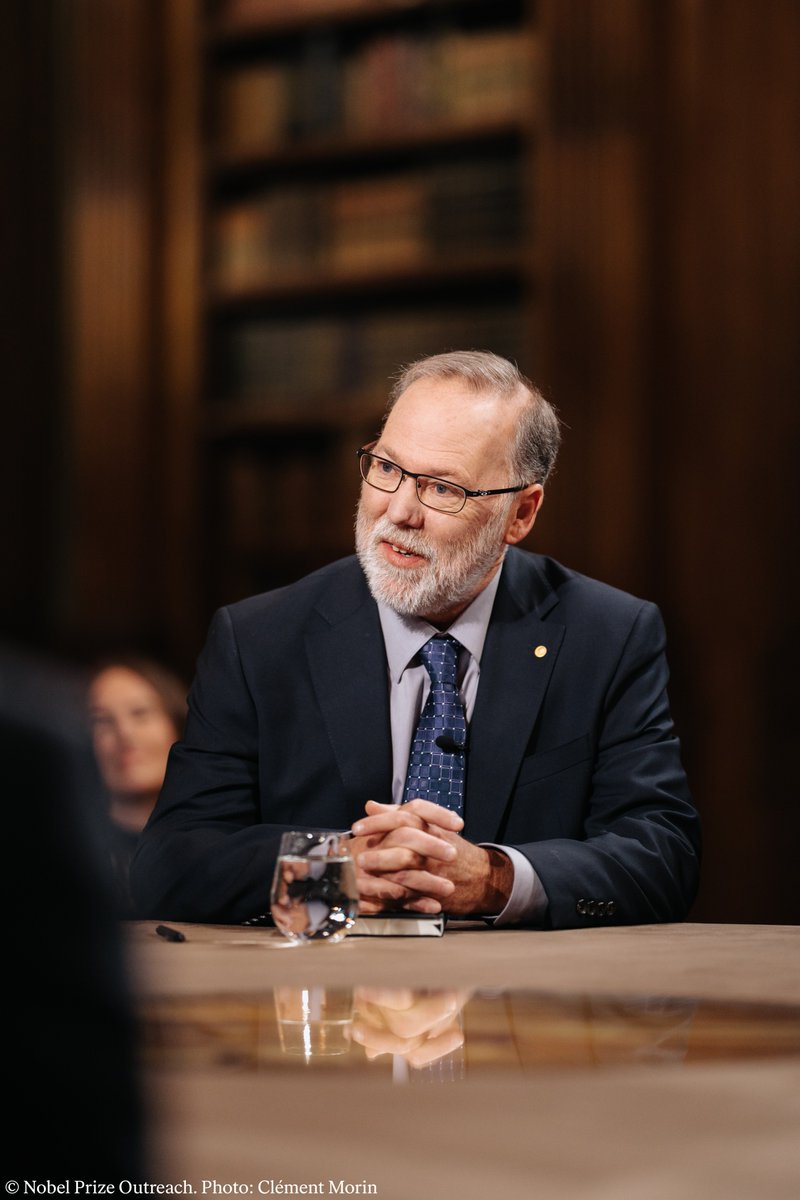
“To be successful as a scientist, I think you really need to be curious. You need to be inquisitive. You want to know answers to stuff that you don’t have a good sense on. You have to be stubborn because you’re going to be wrong and you’re going to not get through this. You have to have a long-term perspective. You can go months, years, sometimes making painfully little progress on something – and then something happens and it’s exciting. But if you need immediate gratification, you should not be a scientist. That’s not going to work for you, because there’s very little immediate gratification in this business. You’ve got to be stubborn and you’ve got to have a long-term perspective.”
Some career advice from 2025 medicine laureate Fred Ramsdell. He shared the prize with Mary Brunkow and Shimon Sakaguichi for their “discoveries concerning peripheral immune tolerance.”
This mesmerizing timelapse captures the nonstop motion inside an animal cell. Moving red/orange streaks are the growing ends of microtubules, tiny “highways” that move proteins & other molecules within the cell.
📸: Andy Moore, HHMI’s Janelia Research Campus