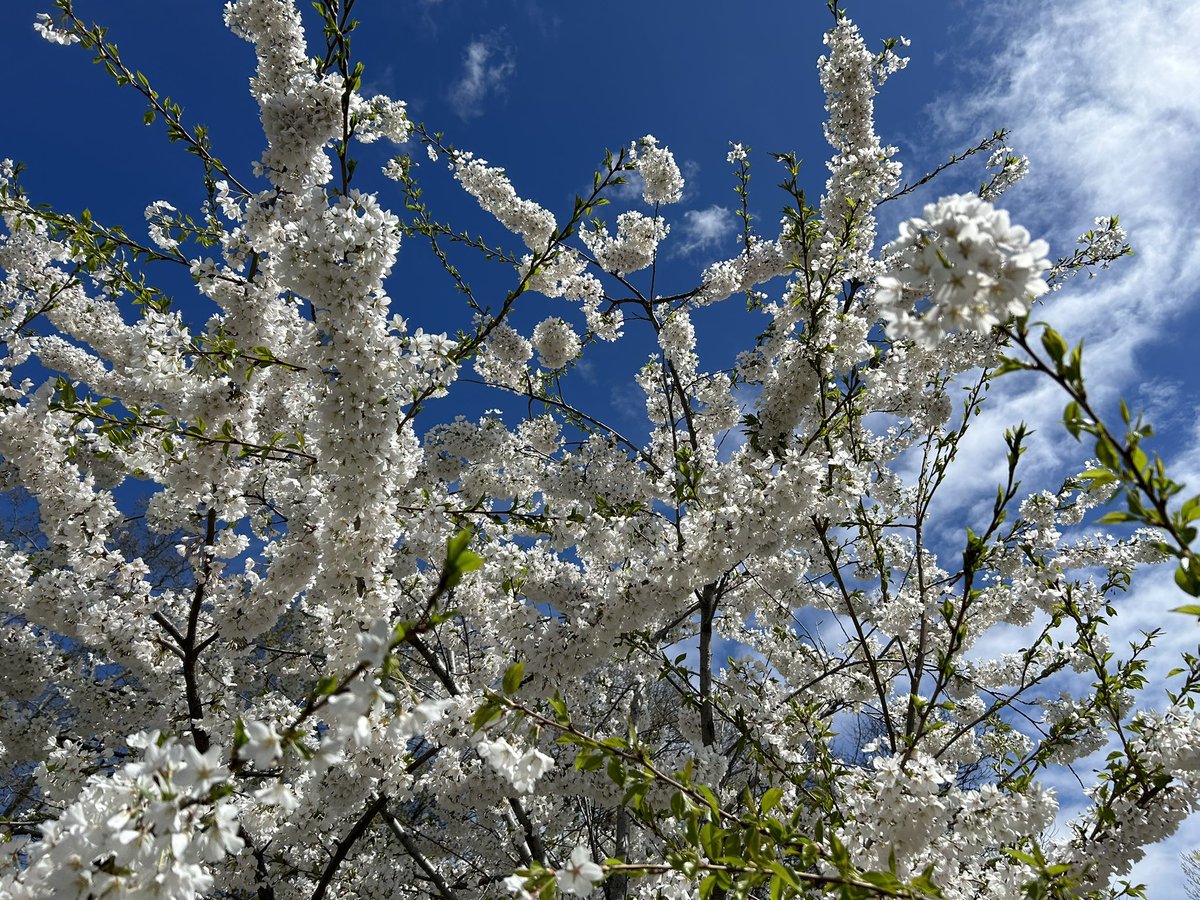
Oubaitori(桜梅桃李)
A Japanese word made of four trees: cherry, plum, peach, and apricot.
Each blooms differently, in its own time.
The idea is simple: we're not late.
We bloom when we're supposed to. 🌸
@Dr_Crossroads That SemiAnalysis chart...Q1 24 pricing was near 3/hr, Mar26 near 2.20/hr - this is a 25% drop. And the Bloomberg chart is a 7D micro-trend.
I only have interest in CoreWeave because I own Galaxy Digital. I want CoreWeave to succeed
@Dr_Crossroads If Rubin drops the cost per token by 5X, the secondary value of that PP&E collateral gets hurt.
My understanding is that in cloud computing, older chips are relegated to low tier, low margin inference workloads. CRWV’s 75% margin assumptions are based on top-tier pricing.
@Dr_Crossroads ...the take-or-pay expires, the debt is still amortizing, and the H100s are two generations old.
Agree with your take on older chips still being used for inference. Will be interesting to see how margins hold up when Rubins are plugged in. Appreciate your insight.
@Dr_Crossroads Great point on the take-or-pay contracts that secure cash flow in the near term.
On the energy analogy, a pipeline lasts about 40 years with 20yr contracts. AI chips have a 3yr shelf life, and tech contracts rarely exceed this. I wonder what happens in Yr 4 when...
@Dr_Crossroads With that said, I think CoreWeave will make out okay. NVDA is not likely to let a preferred partner fail, and clients are paying for their know-how, not just the "bare metal." Their expertise in Kubernetes and InfiniBand networking provides real value.
People often underestimate how good the technology of a human body is.
-A supercomputer that runs on less power than a lightbulb.
-Housed within a mobile, mostly self-healing chassis.
The Lee Jae-myung regime threatens a US citizen & her Korean husband, who live in the US & run a YouTube channel (천조국 파랭이), with an arrest, unless they contact the Korean police for an interrogation, if they set foot in Korea. With 366k subscribers, they raised the issues of election fraud & pro-CCP stance of the Lee regime.
@SecRubio@DeputySecState@SecWar@WhiteHouse@PressSec@CIA@FBI@FBIDirectorKash
https://t.co/QQPTRNKFWX
Eyes on South Korea!
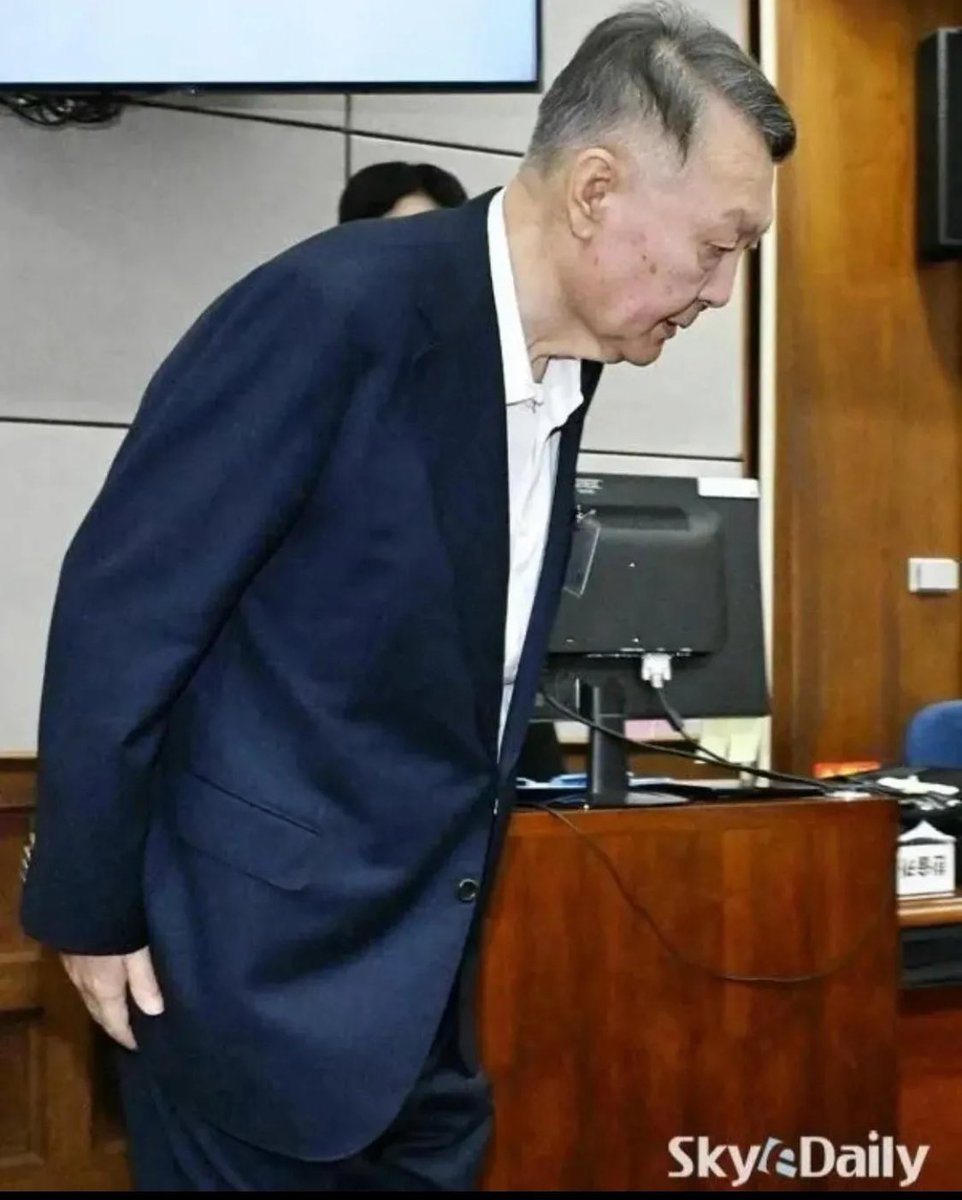
LOOK at what 85 days in detention have done to President Yoon!
The recently installed, CCP-friendly “China Lee” is imprisoning President Yoon without conviction — slowly killing him in a show trial for the world to see.
This is the SAME spectacle that subversive and transnational forces planned for President Trump @realDonaldTrump through weaponized lawfare — to break the leaders of free nations.
Our historic Korean brothers-in-arms — freedom fighters, vital reindustrialization partners, and shields on the front line against Beijing’s ominous war machine — now stand on the brink of CCP capture.
What are we doing??
South Korea’s Drug-Free Reputation Is Gone — And Beijing’s Influence Is a Big Reason
1) From Drug-Free to Drug-Flooded
South Korea once prided itself on being drug-free. But under the left-leaning Moon Jae-in administration (2017–2022), pro-China policies and a large influx of Chinese nationals began to change that. Since then, narcotics have spread rapidly, and the problem is now spiraling out of control—threatening the country’s youth.
2) China-Sourced Drugs and the “Throwing” Dead-Drop
Most of the drugs now flooding into South Korea are coming from China. Once smuggled in, they’re distributed through a dead-drop “throwing” method:
Dealers and buyers never meet, connecting via Telegram, the dark web, or other encrypted apps.
Payment is made in cryptocurrency or with prepaid cards.
Dealers hide the stash near roadside bushes, building corners, under utility poles, or in apartment utility rooms.
They send geotagged photos to the buyer, who retrieves it.
This makes ringleaders hard to catch; instead, only young “throwing” part-timers are often arrested. The method has supercharged the spread of narcotics nationwide.
3) Negligence and Rising Crime Under Lee Jae-myung
The Lee Jae-myung administration has worsened matters by allowing a large inflow of Chinese nationals without robust background checks or safeguards. Drug crimes are rising—and so are voice-phishing scams tied to the same networks.
4) Forged IDs and a Booming Online Black Market
Illegal outfits openly sell forged IDs, graduation certificates, and other documents.
Accounts with names like “ID Maker” advertise counterfeit national ID cards.
Purported buyers post “reviews” of their purchases.
On X (Twitter), the hashtag #졸업증명서위조 (“fake graduation certificate”) has been used in more than 20,000 posts, trending near the top.
Tens of thousands of related accounts pop up; new ones replace those reported.
Many Koreans say this is “beyond serious—it’s already over.” Yet authorities have not mounted a meaningful crackdown, fueling suspicions of tacit tolerance while speeding the inflow of Chinese nationals.
5) Woo Won-shik’s Beijing Trip and a Visa-Waiver Deal
On Sept. 3, 2025, National Assembly Speaker Woo Won-shik attended China’s Victory Day events in Beijing and met North Korea’s Kim Jong-un. He soon returned touting a visa-waiver deal with Beijing. Around the same time, reports in China said police were seizing citizens’ passports en masse.
Analysts see this as Beijing managing outbound flows to South Korea—facilitating illegal migration and identity fraud. The flood of forgery ads online mirrors tactics the Chinese Communist Party used in Xinjiang, Tibet, and Hong Kong.
6) Anti-U.S. Agitation and a Quiet Press
Rather than protect the public, Lee Jae-myung is seen as aligning with Beijing while stoking anti-American sentiment at home. In public he talks “balance” between Washington and Beijing; in practice, his government deepens exchanges with the CCP.
Even as large protests erupt in Seoul, mainstream outlets have largely stayed quiet—muting public anger and shielding the administration from scrutiny.
@realDonaldTrump@SecWar@SecRubio@WhiteHouse@FoxNews@BreitbartNews@FBIDirectorKash
#DEA #DrugCartel #cartel #ChineseDrugCartel #Fentanyl #DrugTrafficking #southkoreacrisis #southkorea