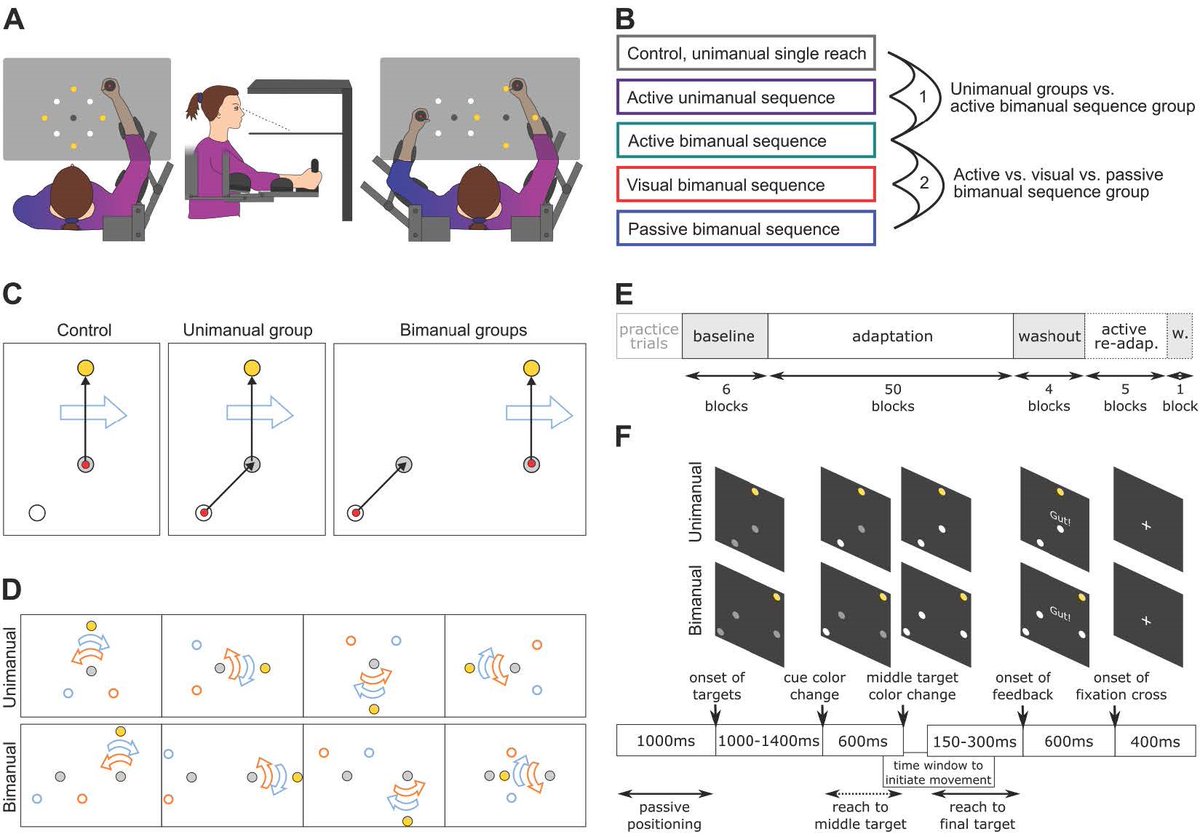
#JNeurosci: @Magda_Gippert @HeedLab@IanSHoward1@arnovillri@BernhardSehm et al. @MPI_CBS showed in humans that the brain seems to use kinematic information in learned motor sequences involving different body parts to adjust movements of the same sequence
https://t.co/LmnLQDtsA2
Our data (with @RachelGZsido
@nifti12 @abhayKoushik@Witte1Veronica@arnovillri) suggest cycle-specific dynamics of increased central serotonergic uptake followed by extracellular serotonin loss underlying the premenstrual onset of depressed mood in PMDD: https://t.co/zKWMTuKnAm
Abu-Rumeileh et al. review the role of neurofilament light chain protein as a CSF and blood biomarker in non-primary neurological conditions within intensive care medicine, surgery, internal medicine and psychiatry. https://t.co/yU2sc2b8RQ
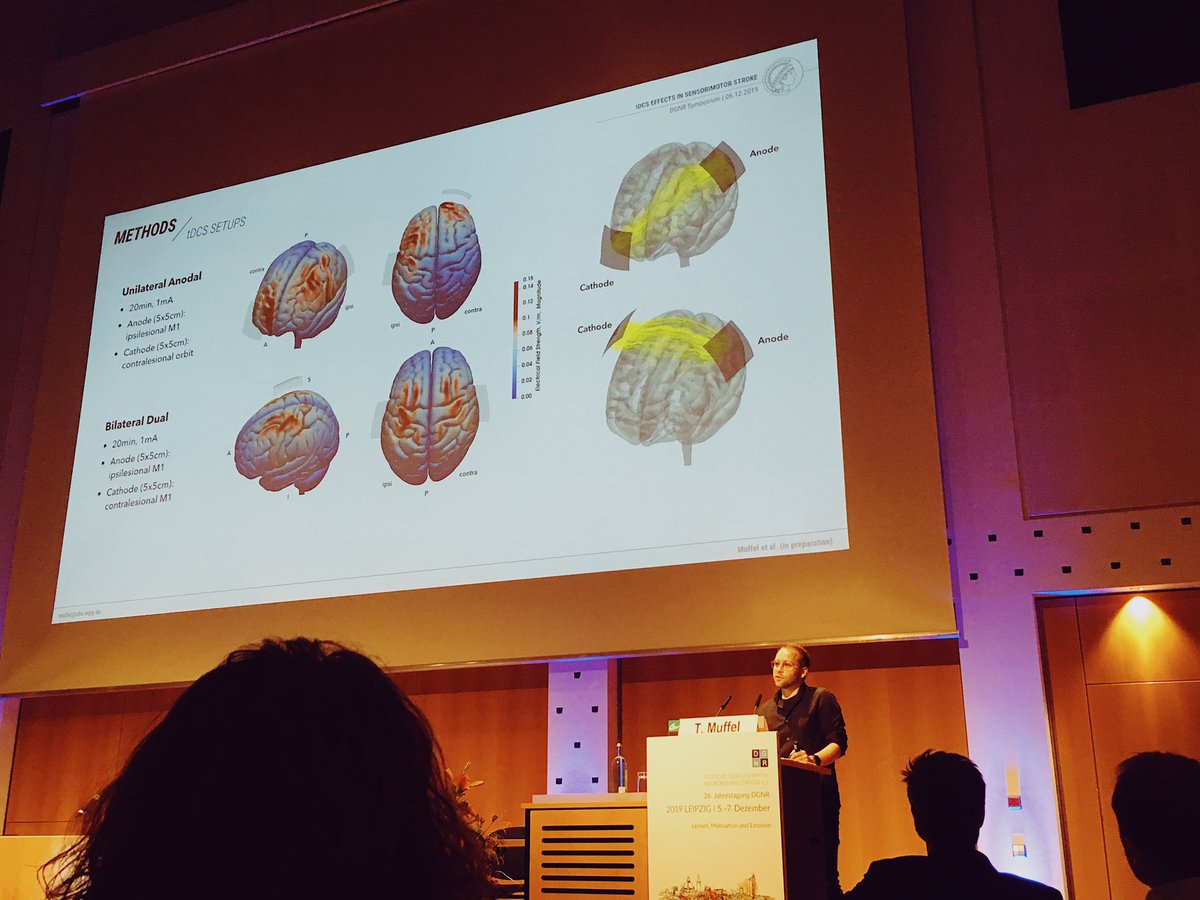
Muffel et al. find that bilateral tDCS may be more beneficial than unilateral anodal tDCS for modulating sensorimotor functions in chronic stroke patients
@MPI_CBS@tmuffel
https://t.co/jiVt3iecvu
Pre-registered, double-blind, randomized, placebo-controlled trial (n=62) by Jonker et al finds no effect of anodal #tDCS on motor cortical excitability and no evidence for responders
https://t.co/8tIYUpnP35
Curfew in Barcelona last night. The juxtaposition of the man on the piano playing “Eternal Flame” by The Bangles and the scene unfolding behind them is quite something.
#Schlaganfall, #Parkinson & #depression entstehen durch Störungen im #Gehirn. Man sucht daher nach Wegen, wie man präzise einzelne Hirnareale stimuliert - statt wie bisher diffus große Hirnbereiche. Das gelang nun erstmals für den Tastsinn @maxplanckpress https://t.co/YYhYQNjwXN
New paper in Press from a long-lasting fMRI endeavor: tACS in the mu-alpha- (but not gamma-) range applied over somatosensory regions specifically reduces rs-fMRI derived centrality of stimulated SI. with @arnovillri
https://t.co/KPgJoT4uf2
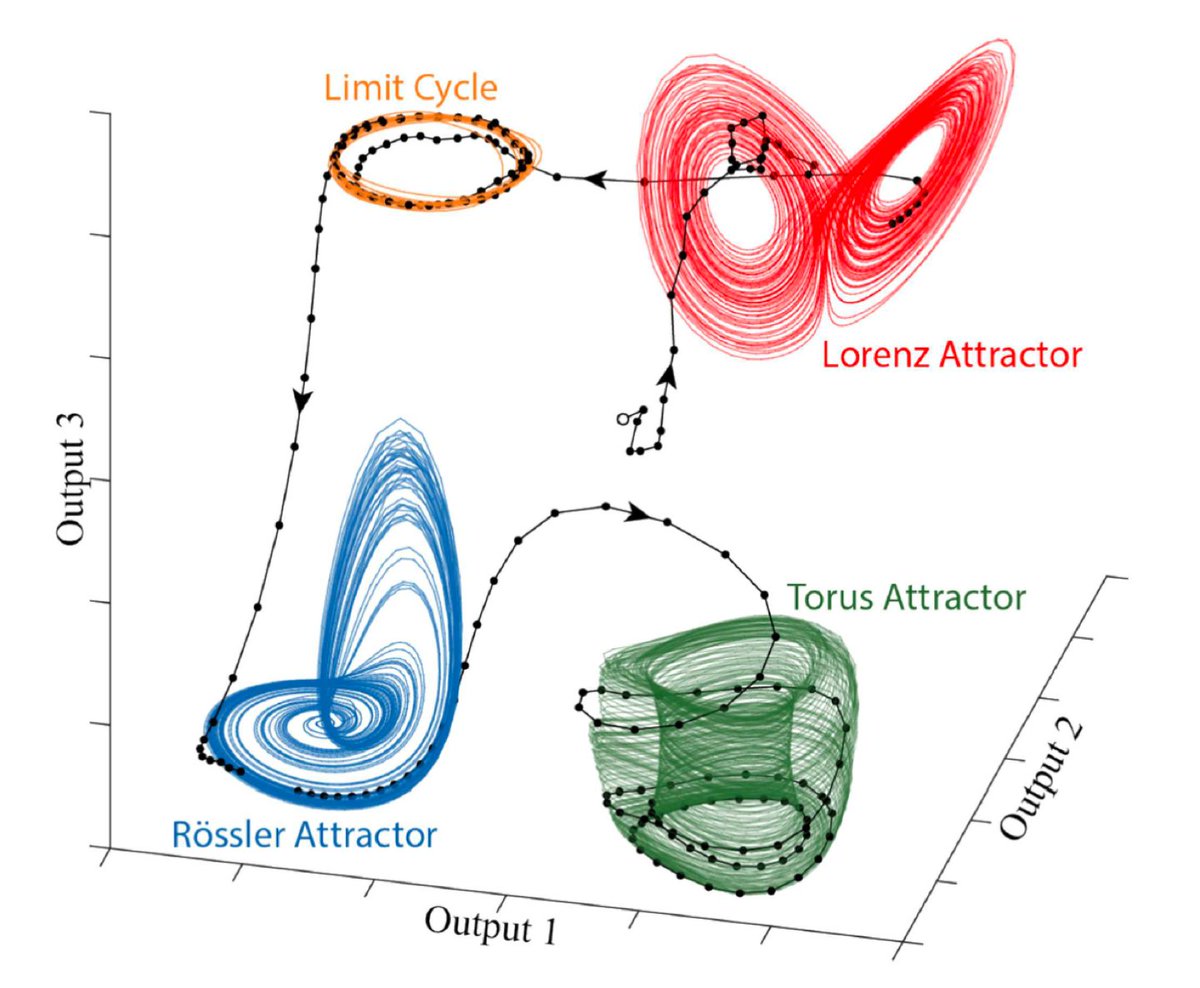
New work from @zhixin_lu just out in Chaos: https://t.co/KFCukXZUmG
"Invertible generalized synchronization: A putative mechanism for implicit learning in neural systems"
Thought-provoking editorial in BRAIN:
“functional fMRI is ~30 years old and continues to divert many young talented researchers...”
And response by @fMRI_today and @vdcalhoun:
https://t.co/kHORvtKLAE
h/t @dngman
Last conference this year with several contributions of our group and Institute by @BernhardSehm@al_gregori@PeiChengShih@arnovillri @BenjaminKalloch and many more. Not having to travel far to reach out is a big plus, by the way!
@CohenLabNIH is looking for a talented computational neuroscientist to join our team as a postdoctoral fellow! Unique opportunities to combine M/EEG, MRI & closed-loop brain stim to investigate motor skill learning and neurorehab applications. Please RT! https://t.co/b7hfSdYTsx
Frontiers | Anodal Transcranial Direct Current Stimulation Over S1 Differentially Modulates Proprioceptive Accuracy in Young and Old Adults | Frontiers in Aging Neuroscience https://t.co/b9j0ozcnvE