Presented at #ESCCongress:
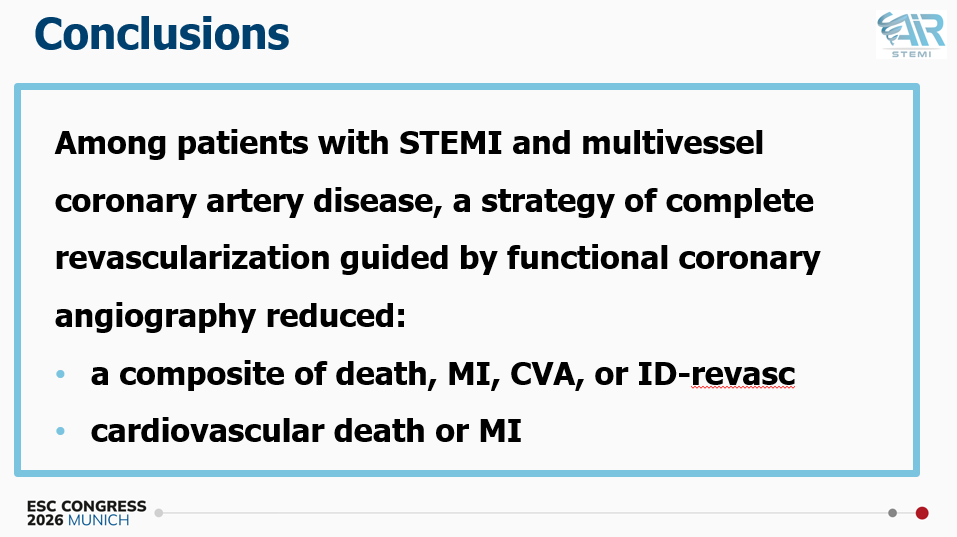
Among patients with ST-segment elevation myocardial infarction and multivessel disease, physiology-guided angiography led to a lower risk of major cardiovascular events than conventional angiography-guided treatment. Full AIR-STEMI trial results: https://t.co/NcPWnhsoak
@escardio
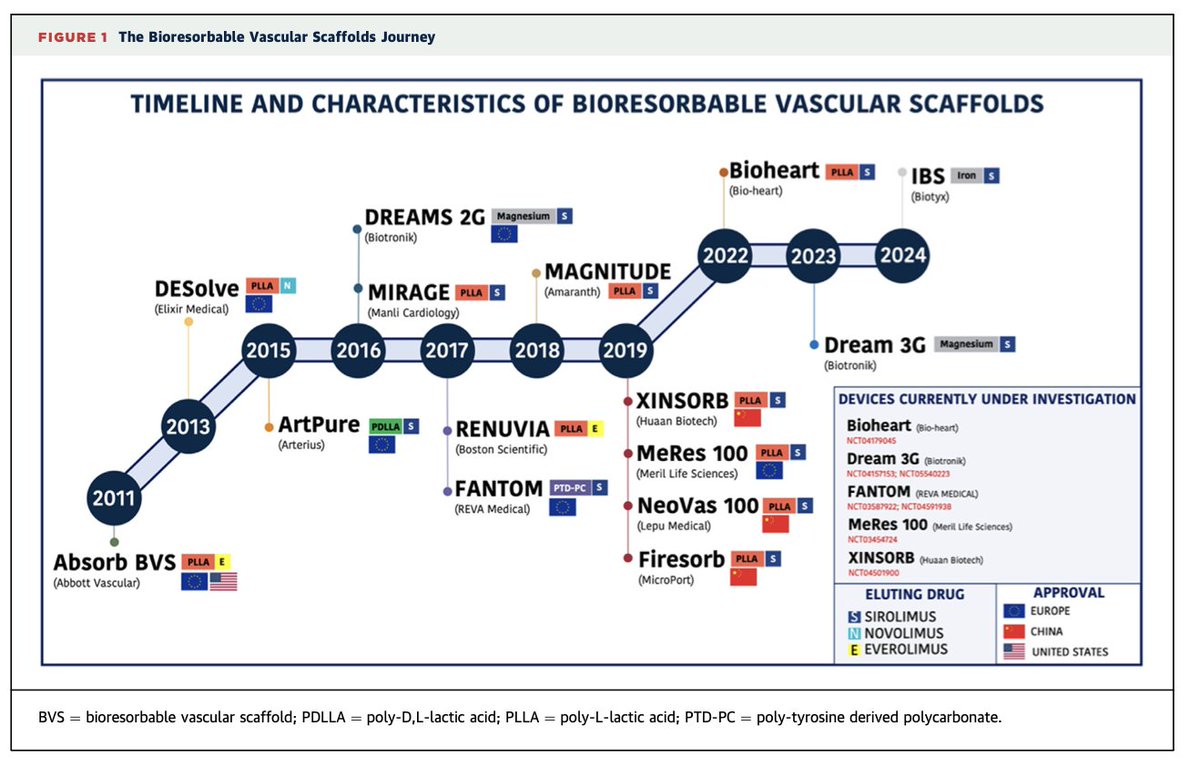
#BRS journey continues. Through challenges and advancements, the fight to prevent stent-related issues remains as relevant as ever. The #Bioheart trial stands as the latest proof, although relying on a surrogate endpoint: #LLL
🔗Our comment: https://t.co/fKLDeHfyUm
@sbrugaletta
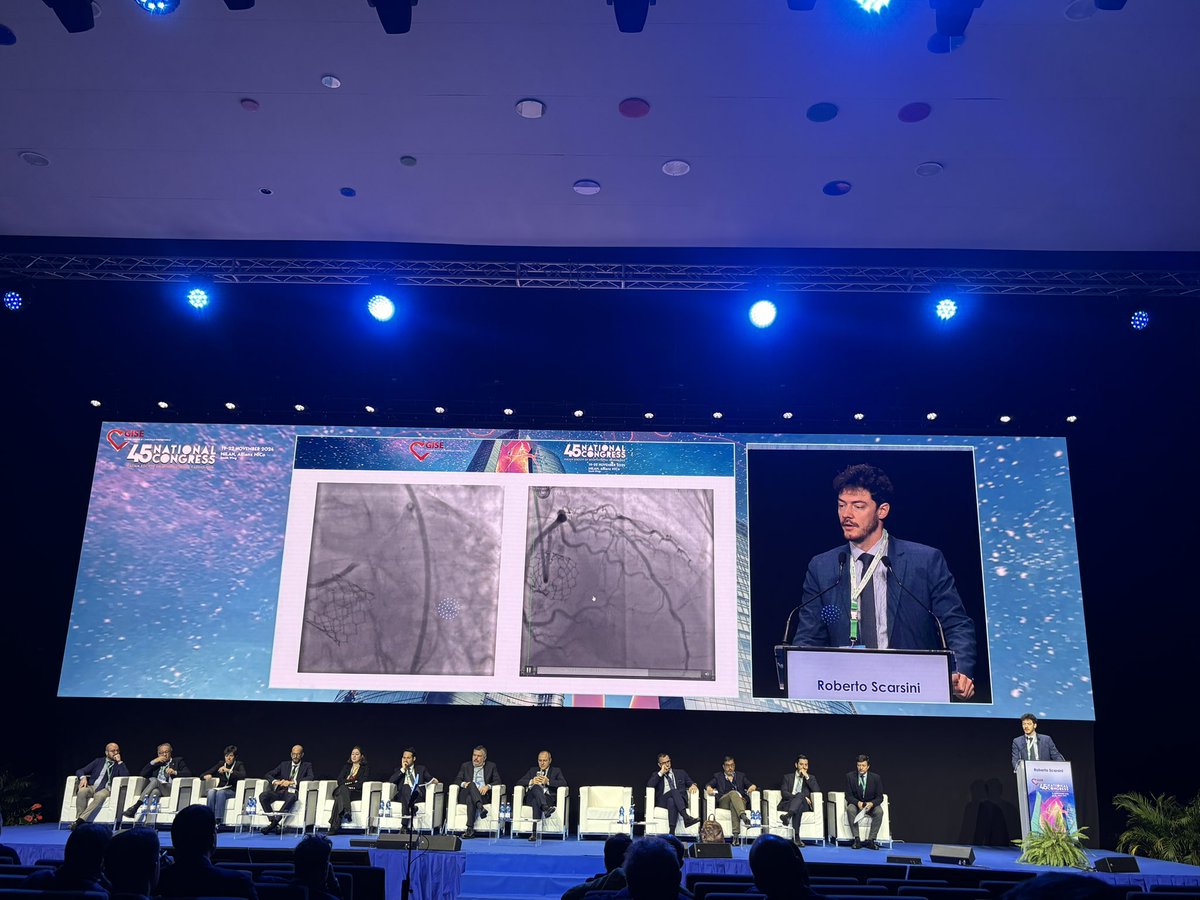
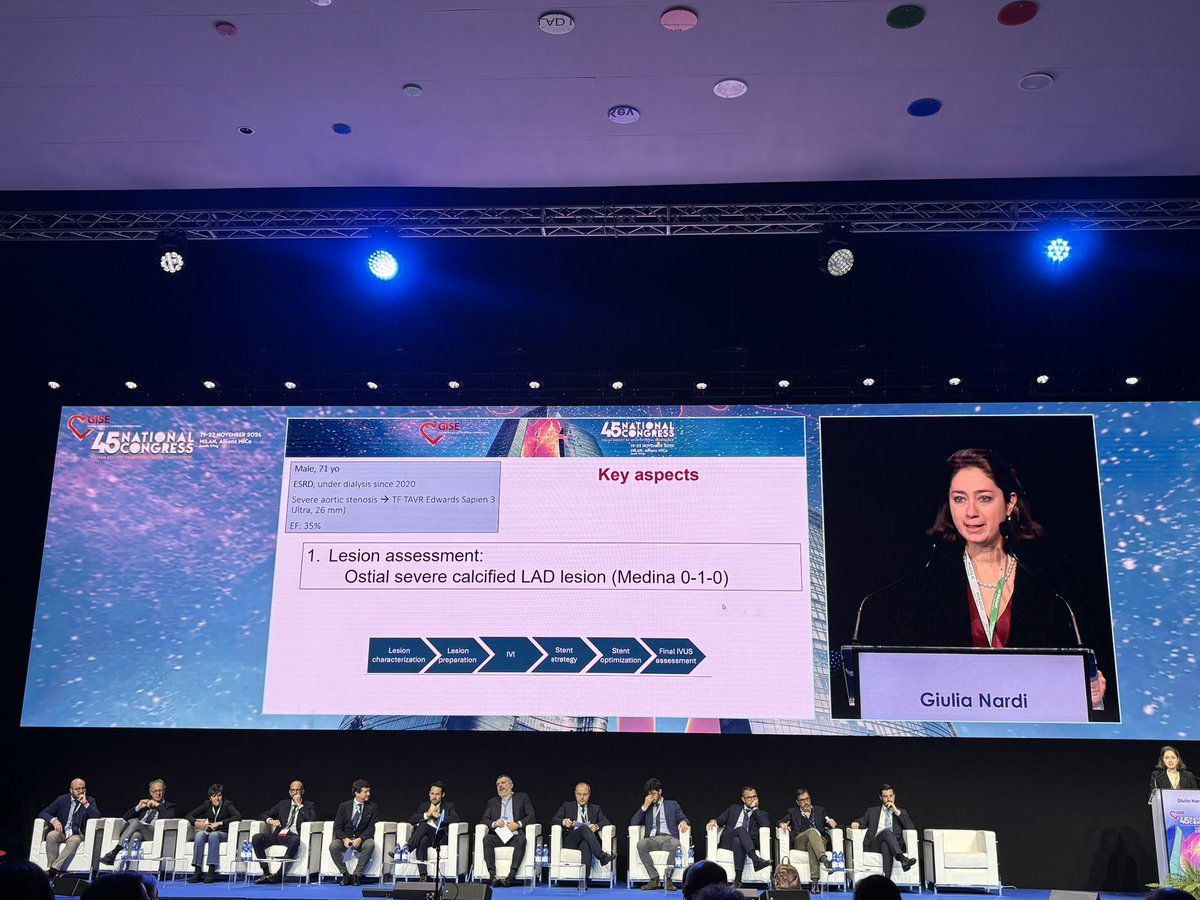
🪨🔥Hard rock morning session at #GISE45 in the main auditorium
🎯Many available algorithms to know for device and treatment selection
📍Pivotal role of imaging to understand calcium morphology and plan the strategy
⚔️Combined strategy with devices to optimise stent expansion
TAVI Wars, Episode III. Troubling data for the Acurate neo2 in the regulatory trial just presented here at #TCT2024 (currently unpublished), with increased cardiac mortality (as had occurred with the first-generation valve in our SCOPE 2 trial) and stroke, with noninferiority not achieved for the primary outcome compared with other commercially available valves. The discussion seems somewhat detached because if I had just entered the main arena now, I would have thought the trial was positive. They are justifying this with the high rate of underexpanded valves and are strongly recommending post-dilation after implantation, if necessary. What happens now?
Want to learn more about transcatheter coronary sinus (CS) reducer technology? Watch this interview of author @Jmparadis27 by @Ortega_Paz!
They discuss the recently published paper on the A-Flux CS reducer and the first-in-human experience.
Access the paper below👇
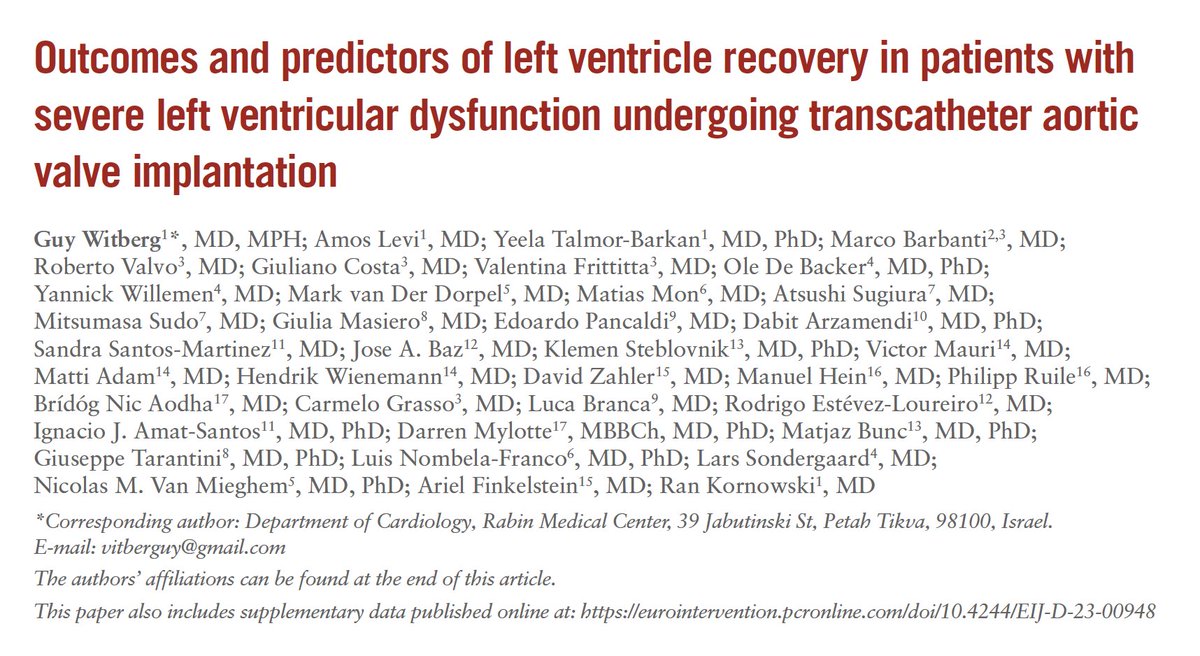
In this multicenter registry of 10,872 patients undergoing TAVI, baseline ejection fraction was ≤30% in 914 (8.4%) patients. Of them, the left ventricle recovered in 59.5%, including 26.7% patients whose left ventricle function normalized completely.
No recovery was associated with a significant increase in 3-year mortality (adjusted hazard ratio 1.32; p<0.001).
Three variables were associated with a higher likelihood of left ventricle recovery following TAVI: no previous myocardial infarction, estimated glomerular filtration rate >60 mL/min, and mean aortic valve gradient >40 mmHg before TAVI.
Teams caring for patients with severe aortic stenosis and severe left ventricle dysfunction should assess the likelihood of left ventricle recovery following TAVI. This information and its prognostic implications should be discussed with the patients.
Article: https://t.co/q6uvu21crE
Editorial: https://t.co/cdONHjwDiC
#TAVI and untreated #CAD
TAVI-first approach in patients with stable CAD can be safely performed with low rates of unplanned coronary revasc
#aorticstenosis#TAVI#CAD#PCI#EHJ
https://t.co/8OWLGIWD17
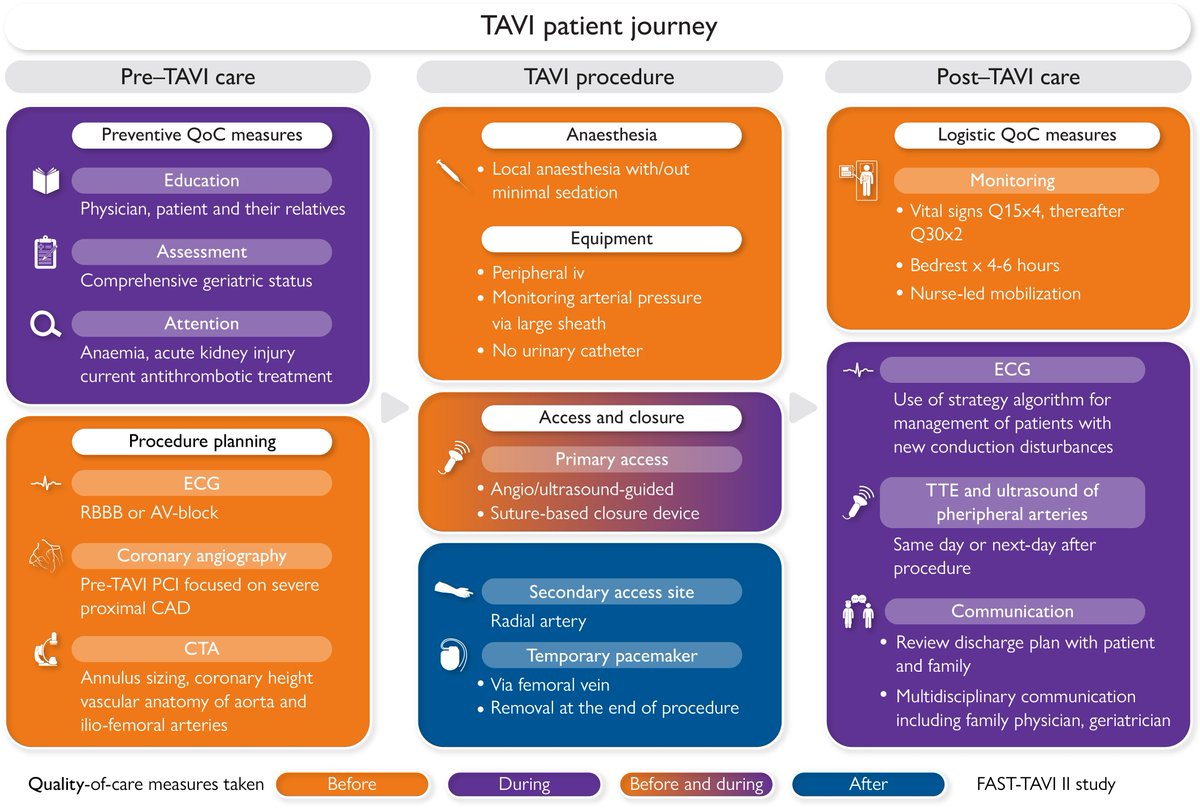
Shortening in-hospital stay after transcatheter aortic valve implantation: a déjà vu in percutaneous interventions. Read the latest Editorial in EHJ:
https://t.co/UGhqhiSYUx
#TAVI#cardiotwitter@ESC_Journals@escardio
Current European guidelines now recommended TAVI above surgery in high surgical risk, suitable moderate risk patients, and in those over the age of 75.
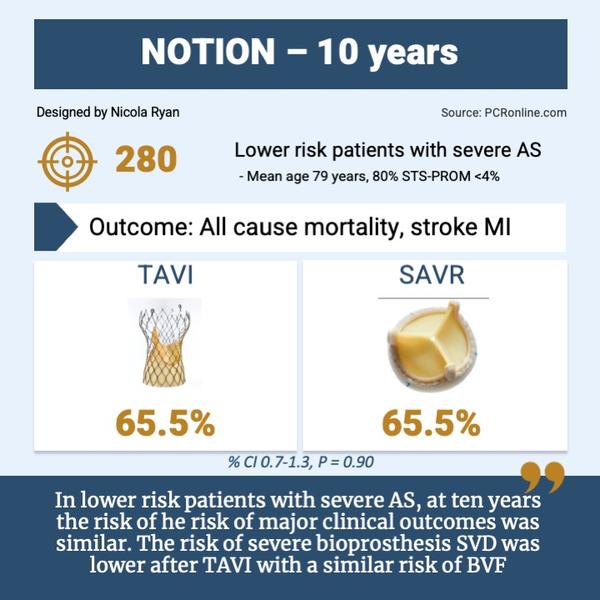
#EAPCI/PCR Journal Club: @NicolaRyanI1 reviews ✍️🏽 the 10-year outcomes of the NOTION trial, that compared clinical outcomes and valve durability between #TAVI and #SAVR in the lower risk population.
➡️ https://t.co/1mJuMMgqvh
#TAVR #cardiotwitter
🔴 Here we go, your #PCRwebinar on #Bioresorbable scaffolds | Pros and Cons is broadcasting live📡! H. Möllmann, @EmanueleBarba13, @baumbach_a & Manel Sabate are online now!
💻 https://t.co/UdNnIXJuqh (access via your free My PCR account)
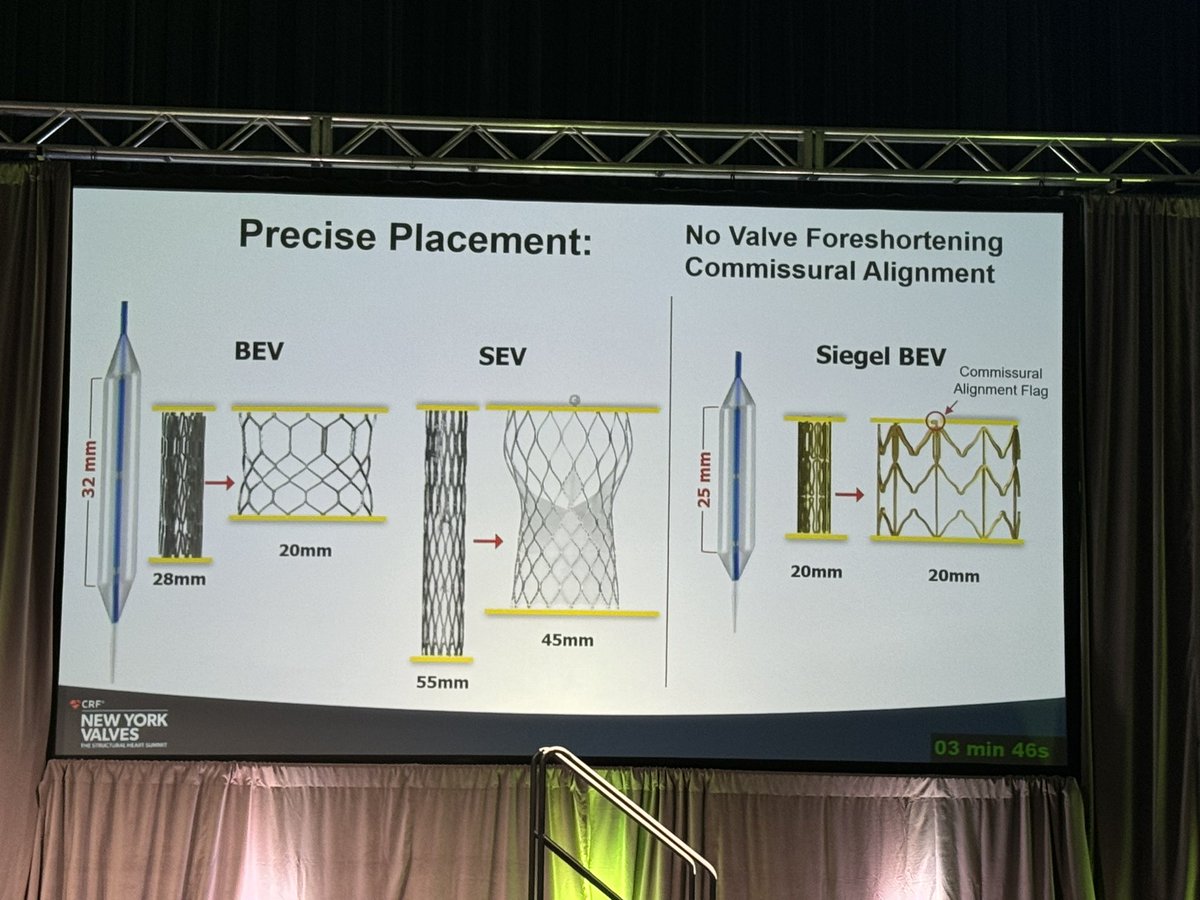
Excessive oversizing in SAPIEN 3 valve implantations often leads to THV deformation and potential complications. Optimal sizing and careful monitoring of INR levels are key to improving patient outcomes. Read more. https://t.co/OZdbcqQKRa
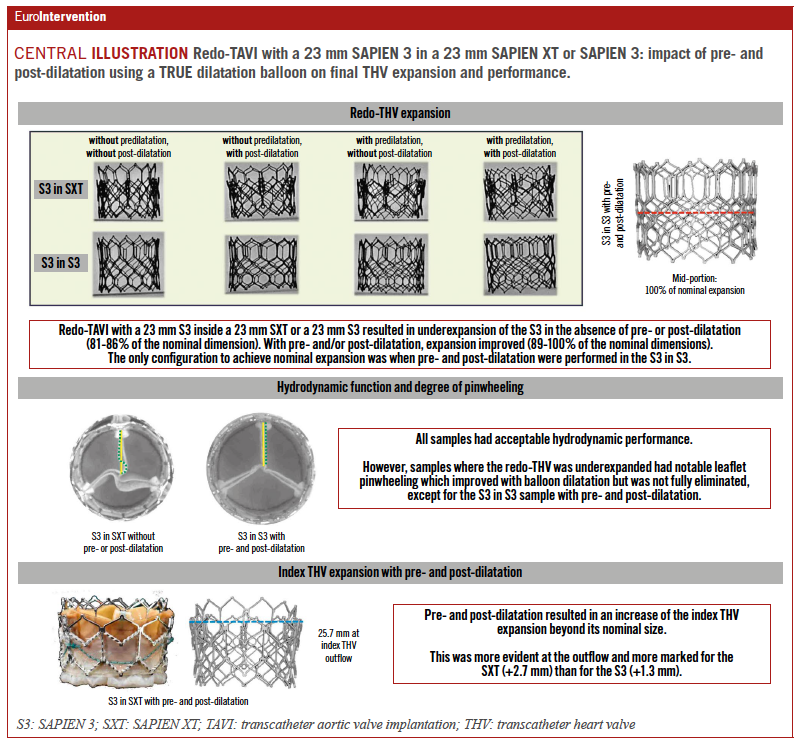
In redo-TAVI, full redo-THV expansion is achieved only with SAPIEN 3 in SAPIEN 3, utilizing pre- and post-dilatation. This emphasizes the pivotal role of CT assessment and underscores the necessity of pre- and post-dilatation considerations. #EAPCI https://t.co/TRgHAL9lqd