LA volume index as an independent predictor of mortality in #HFrEF – regardless of functional MR severity
Routine measurement of LA volume index may enhance risk stratification in these patients https://t.co/YXPKiH4xUn #JACCHF#vhdMR
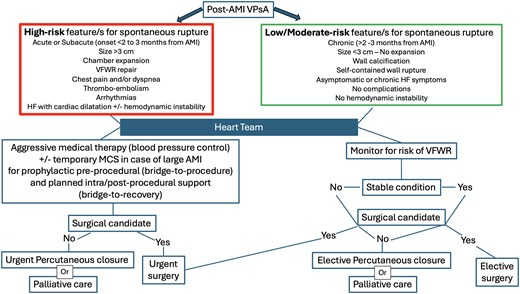
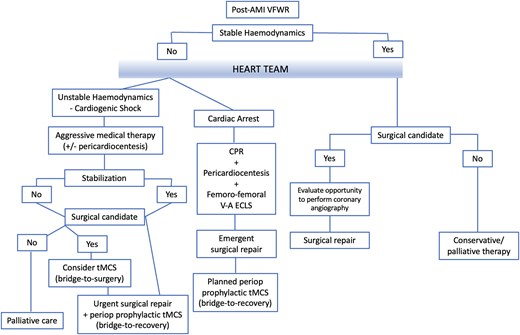
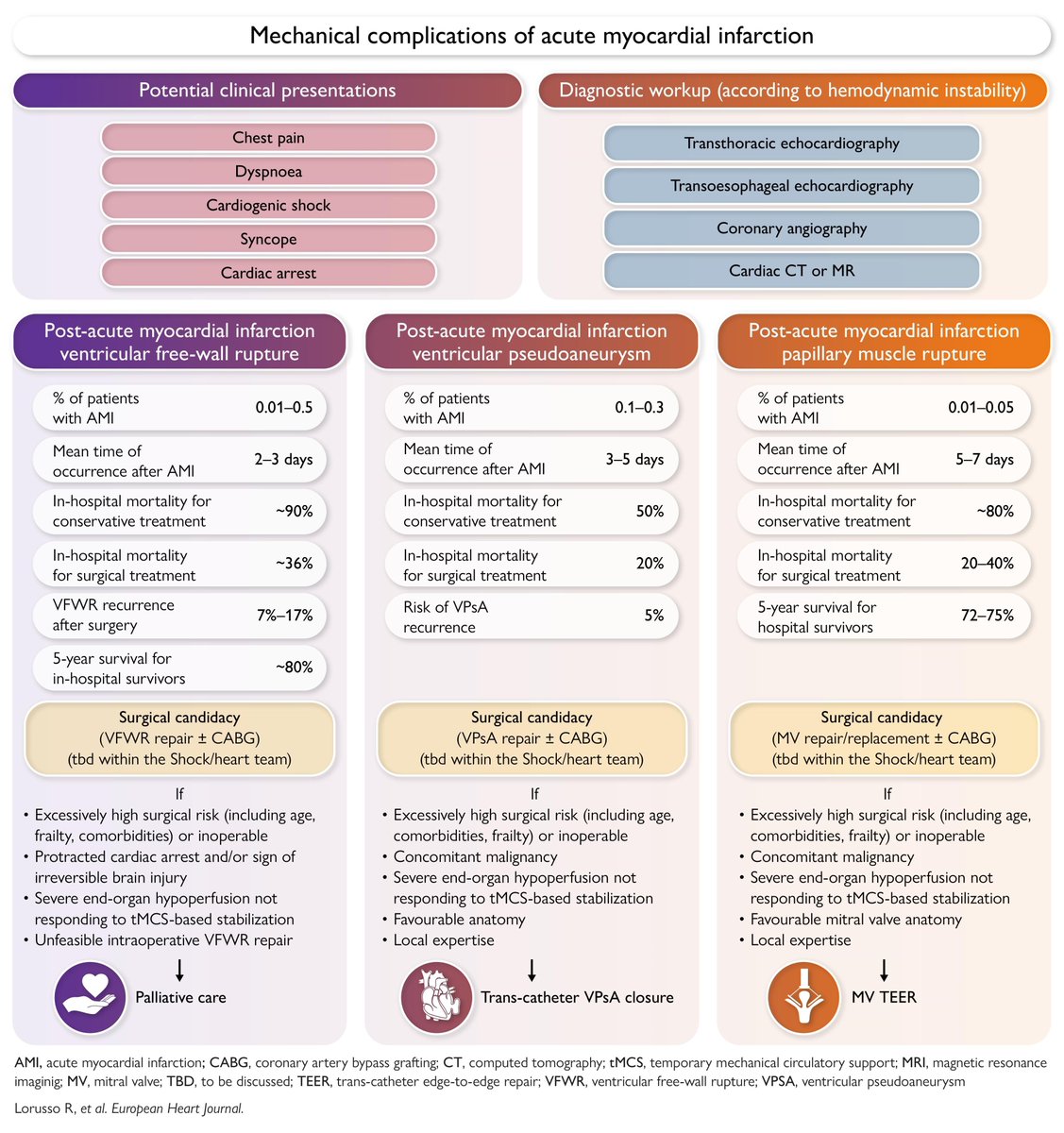
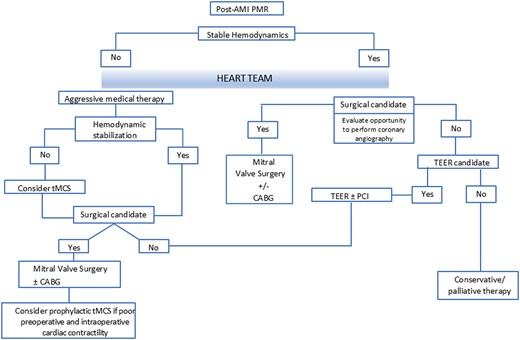
📌Ventricular free-wall rupture, ventricular pseudoaneurysm & papillary muscle rupture complicating acute myocardial infarction
A clinical consensus statement of the @escardio & @EACTS#PositionPaper#MechanicalComplications#MI
Distinguishing DORV with subaortic VSD from true d-TGA in the ME LAX view is a classic #echofirst pitfall: in both, the aorta appears to arise from the RV. The discriminator is LV commitment to the aorta.
📌 DORV with subaortic VSD, PS, d-TGA @doc_ecmo@OungSavly
In this #JACCHF review, @ParagGoyalMD et al summarize current clinical #ATTRCM risk prediction strategies, highlight remaining evidence gaps, & discuss health system approaches for systematic screening. https://t.co/eaeIkhuuGU
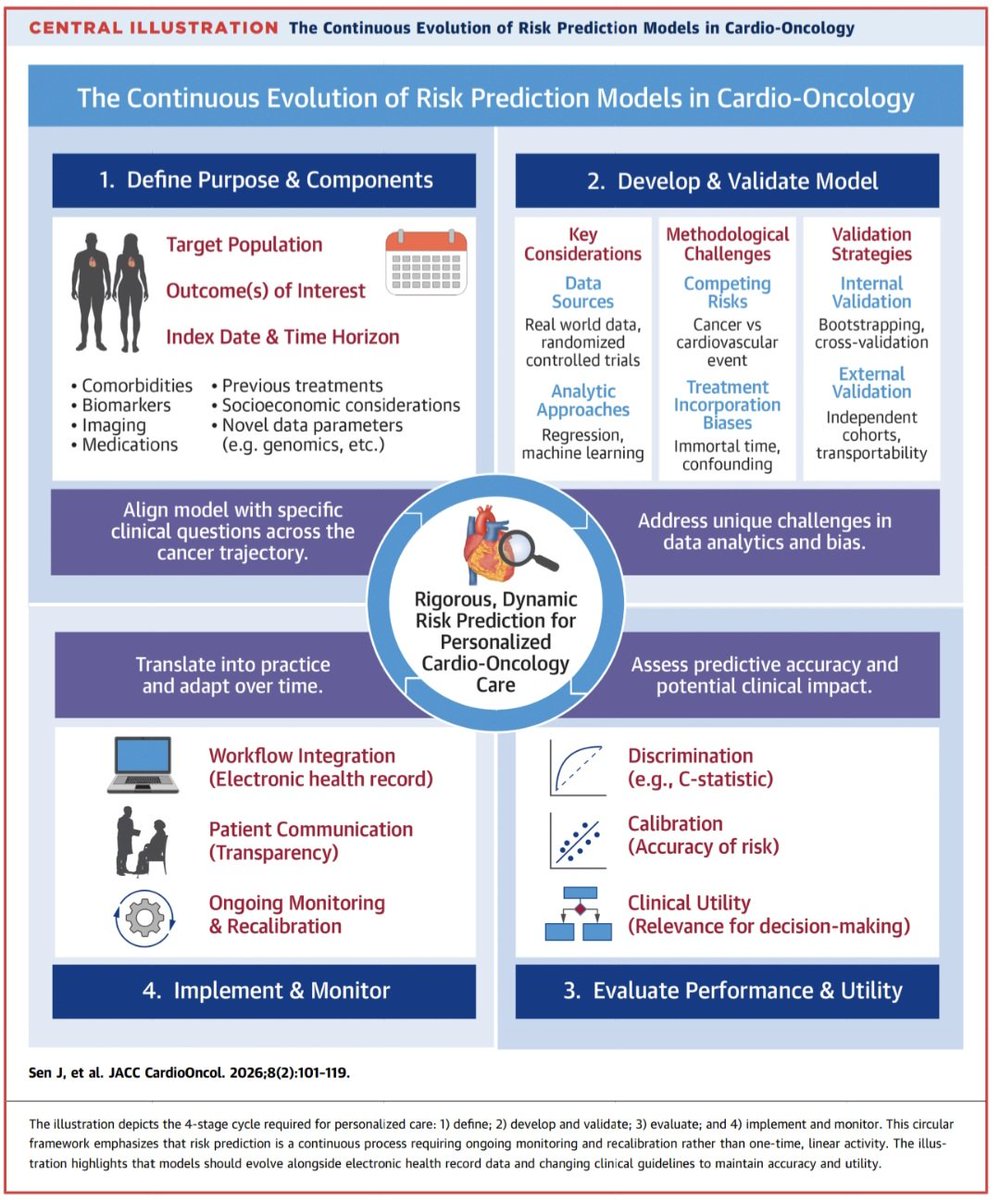
Predicción de riesgos en Cardio-Oncología. ☢️🫀🦀
🟦El riesgo CV en pacientes con cáncer no depende solo de la quimioterapia. La evaluación debe incluir una combinación de factores clínicos, oncológicos y terapéuticos. 🔎⤵️
🔹Factores cardiovasculares basales: edad, HTA, DM, tabaquismo, dislipidemia, cardiopatía previa, ERC.
🔹Características del cáncer: tipo de cáncer, estadio, pronóstico, riesgo de recurrencia.
🔹Terapia oncológica. Cada tratamiento tiene toxicidades distintas➡️ antraciclinas → disfunción ventricular, trastuzumab → CTRCD, inmunoterapia → miocarditis, radioterapia → enfermedad coronaria y valvular. También importan: dosis acumuladas, combinación de terapias, duración del tratamiento.
🔹Biomarcadores e imagen: troponina, BNP/NT-proBNP, FEVI, strain longitudinal global (GLS).
🔹Riesgo dinámico: el riesgo cambia durante toda la evolución del paciente y debe reevaluarse conforme avanzan los tratamientos y aparecen nuevos hallazgos clínicos.
📜🆓️⤵️ State-Of-The-Art Review @JACCJournals 👌🏻
https://t.co/aOje6mNj0B
https://t.co/g30svF91yi
VA-ECMO Strategy — Cannulation, Flow Direction, and LV Decompression📝
👉VA-ECMO physiology is defined not only by the cannulation site, but also by flow direction, ventricular loading, and systemic oxygen delivery.
👉Peripheral femoral VA-ECMO requires careful surveillance for retrograde aortic flow, watershed physiology, differential hypoxia, distal limb ischemia, and LV distension.
👉Central VA-ECMO with LA venting may provide more direct systemic support and effective left-heart decompression when peripheral support is flow-limited.
@yourICM@FOAMecmo@ELSOOrg
Presentación atípica de tromboembolismo pulmonar diagnosticado en ecocardiograma de estrés
📙 https://t.co/Mh5P7A8KKw ◀️
Caso completo para Socios SEIC
¡Registro gratis!
👤 https://t.co/Ncdoce0EJG ◀️
#aprendeconcasos
#EHJCVI 🔍 What if calcium, not just anatomy, drives success in percutaneous mitral commissurotomy? In CALCIMIT, CT-derived MVCS predicted outcomes. ⚡ Time to integrate quantification? 👉 Find out more: https://t.co/tzP5gYp164
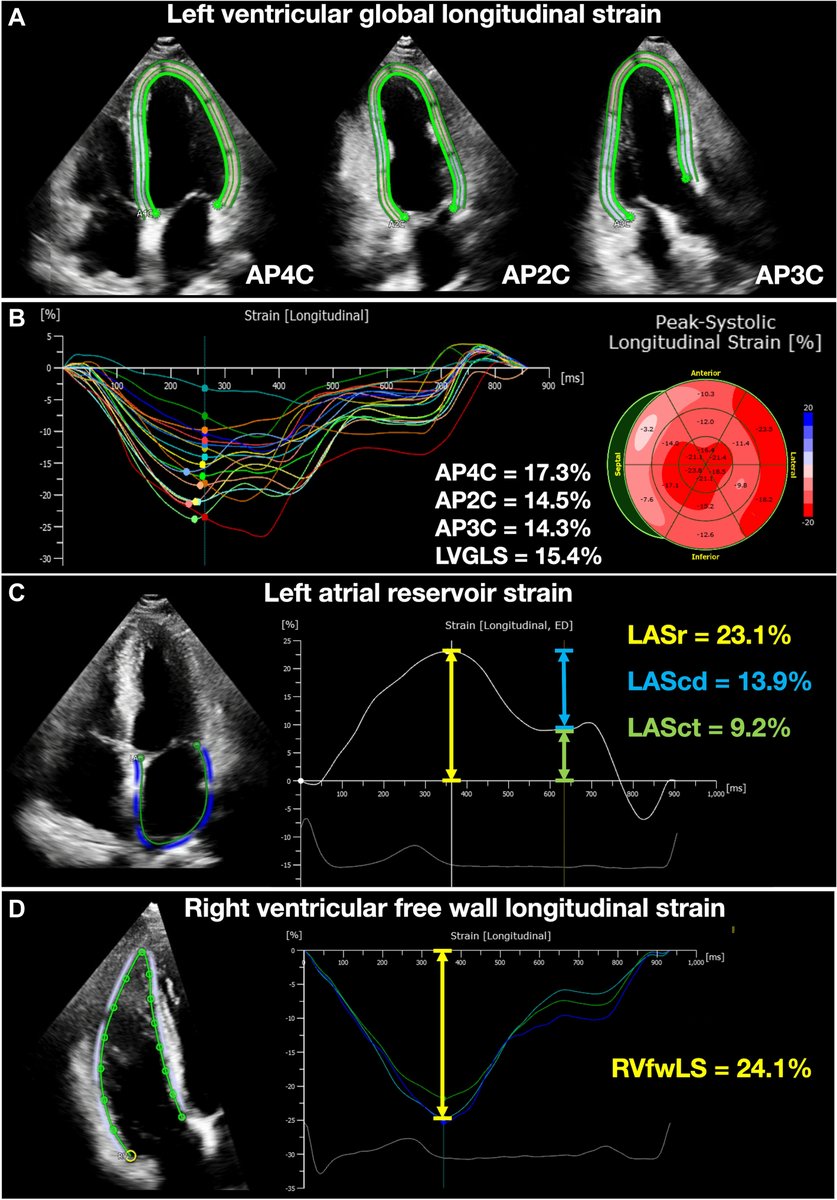
💓 Left atrial reservoir strain (LASr) predicts heart events better than LV or RV strain. 🩺 Routine LASr measurement may improve risk assessment and patient care 📊 https://t.co/x1DwWY3mgp
#JACCAsia@pi_the_anion
In blood speckle imaging (BSI), also called blood speckle tracking (BST), the camera is run at a very high frame rate because the speckle pattern created by moving red blood cells 🩸changes extremely quickly #echofirst
https://t.co/fP6ZfVXUox
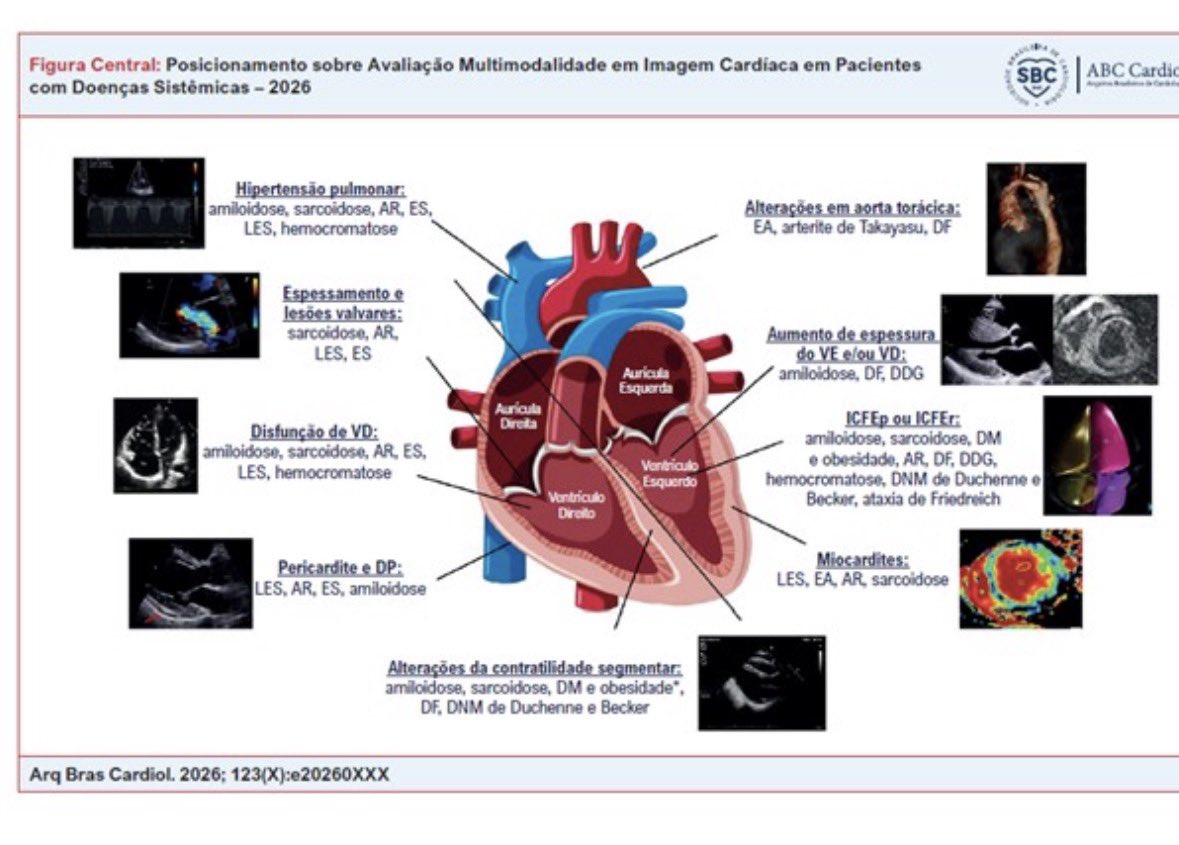
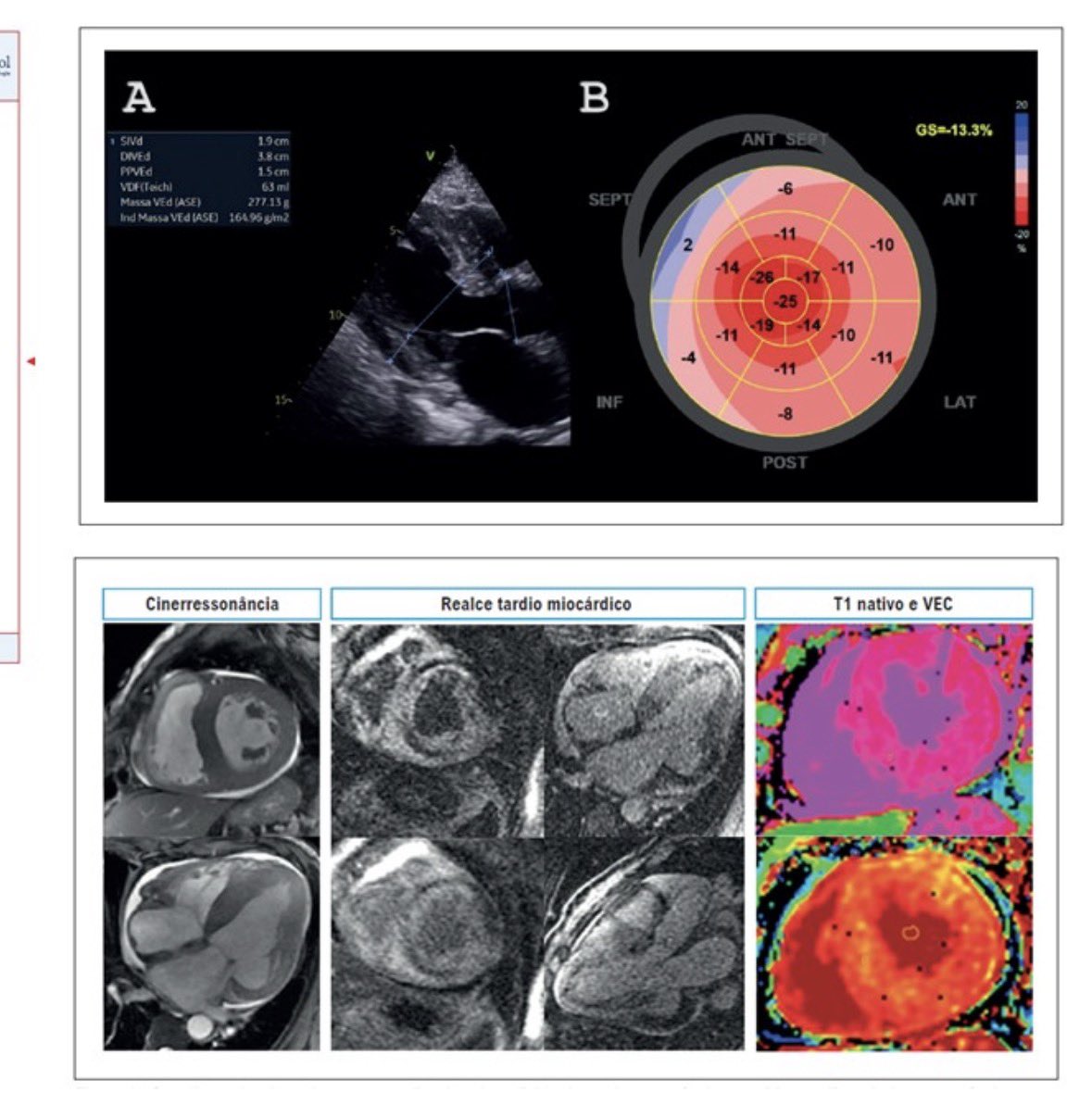
Position Statement on Multimodality Cardiac Imaging in Patients with Systemic Diseases – 2026 https://t.co/rLFWB5Rs70
🗣️ Proud to share the new document of the Brazilian Society of Cardiology.
🌍 This is an unprecedented document led by a CV Imaging society that we know.
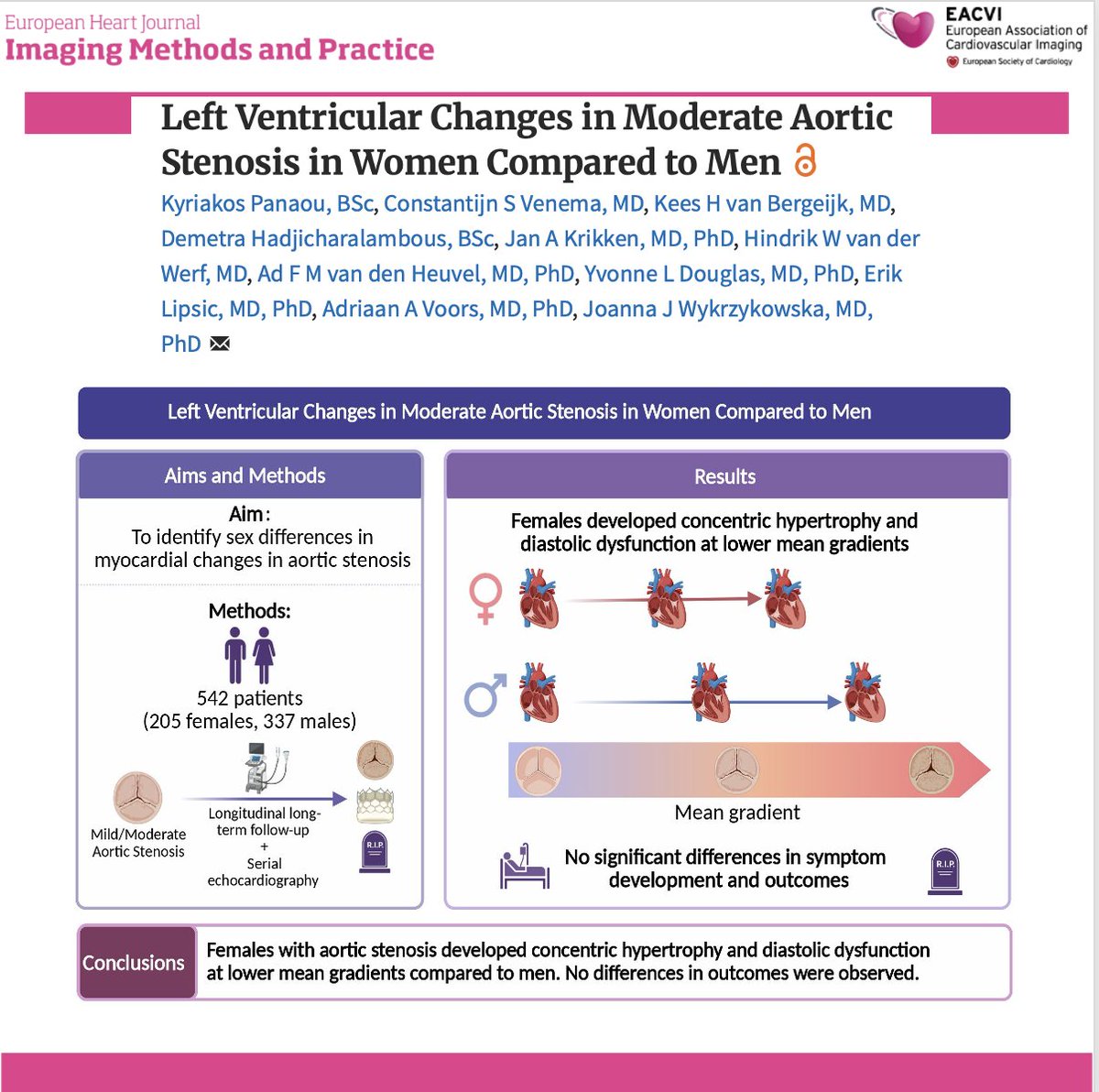
📄 Sex differences in moderate aortic stenosis: new longitudinal insights
🔗 https://t.co/ZuPlMei8wf
🫀 A longitudinal study of >500 patients with moderate aortic stenosis highlights important sex-specific differences in left ventricular remodeling.
✨ Key findings:
🔹 Women develop concentric hypertrophy and diastolic dysfunction at lower transvalvular gradients
🔹 They exhibit more pronounced diastolic dysfunction throughout follow-up
🔹 Dyspnoea is more common at presentation
🔹 Despite this, no differences in outcomes were observed:
➡️ symptom onset timing
➡️ aortic valve replacement
➡️ mortality
📊 These findings suggest greater sensitivity of the female myocardium to pressure overload, even at earlier stages of disease
💡 Clinical take-home message:
👉 Sex-specific differences emerge early (moderate AS stage)
👉 This may support:
closer surveillance in women
more tailored management strategies
rethinking timing of intervention
🚺 Aortic stenosis is not the same disease in women and men:
the pathophysiology differs—even when outcomes appear similar.
#Cardiology #AorticStenosis #Echocardiography #SexDifferences #WomenInCardiology #HeartValveDisease #CardiacRemodeling #HFpEF #TAVR #PrecisionMedicine 🫀📊
🚨New Research Topic alert! 🚨
📢Exploring Myocardial Work in Cardiovascular Disease: Advancing Diagnostics and Prognostics across Diverse Clinical Contexts” is now open for submission
⚠️Submit your article by 12 October 2026 ➡️ https://t.co/TEPEwM8t16
#echocardiography#HF
Una puntuación basada en la tomografía computarizada cardiaca para categorizar la gravedad de la calcificación el anillo mitral y predecir la embolización valvular
🗂️ https://t.co/jNizCtDM0y ◀️
Repaso del Comentario crítico publicado en "Lo mejor de la literatura en..."
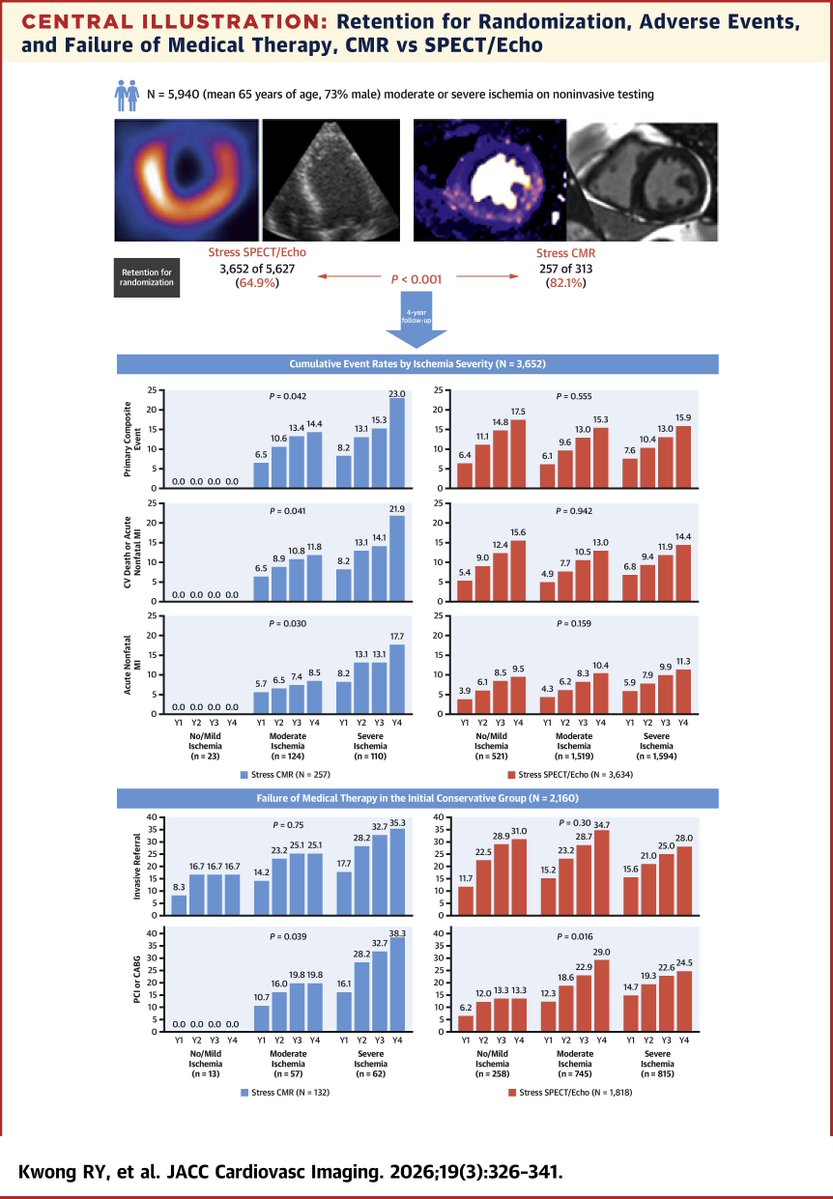
This post hoc analysis of ISCHEMIA with 4-year outcome demonstrated that ischemia severity by #CMR had a stronger association with all ISCHEMIA trial endpoints compared with SPECT/echo. https://t.co/qXmoeLJ9iH #JACCIMG