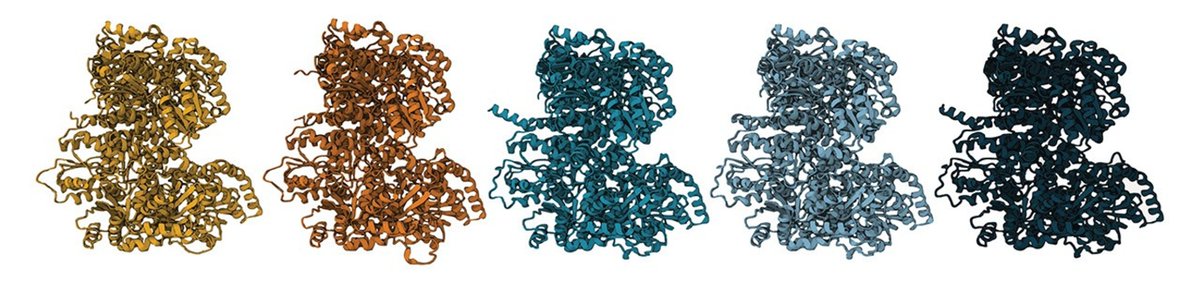
Our new paper, out today! We resurrected an enzyme first used by life on Earth 3 billion years ago. We validated a #biosignature in rocks that helps reveal ancient life on Earth to guide the search for ancient life on other worlds! @NASA#astrobiology
https://t.co/Em0bovaqED
How did life begin? Bacteriology’s Betül Kaçar joined Neil deGrasse Tyson on his podcast, @StarTalkRadio, to explore the beginnings of life on Earth and what it might tell us about life elsewhere. 🌎💫 Watch their conversation: https://t.co/c9UDsz32EZ
Life doesn’t wait for Earth to become “easy.”
Our new study shows that ancient life used rare Earth metals (molybdenum and tungsten) 3 billion years ago, reshaping how we think about metabolism, evolution, and the search for life beyond Earth.
https://t.co/DOa7IoH2fm @NASA
More than 3 billion years ago, life appears to have used molybdenum even though Earth’s oceans held only trace amounts of it—complicating the simple “tungsten first, molybdenum later” picture. @NASA@NatureComms https://t.co/2f4zb1IQDN
The toughest and arguably the most sacred part of being a scientist is the commitment to see the world for what it is, without the comfort of looking away.
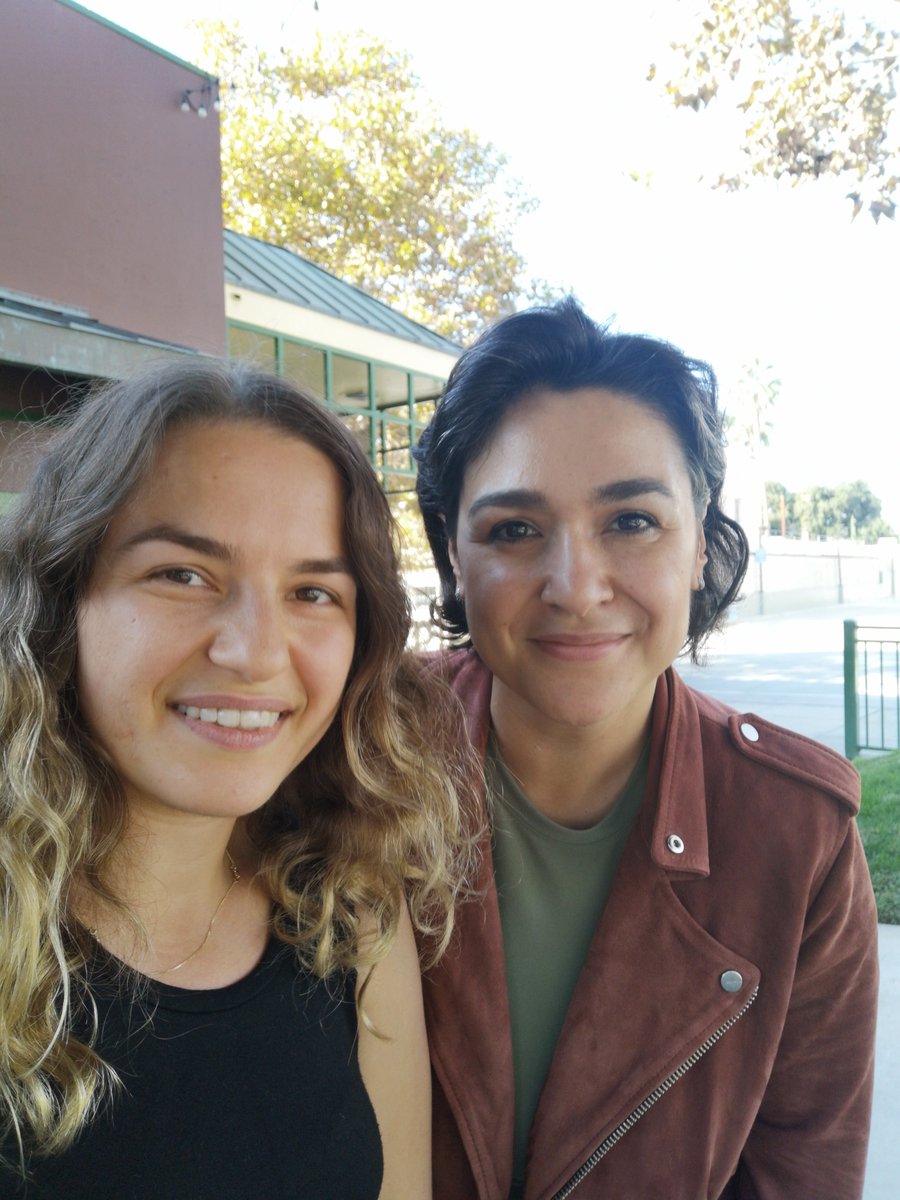
Çok kısıtlı zamanda da olsa, kahve isteğimi kırmadı @betulland. 💚 Betül hocanın JPL ortaklı projelerinden, kadın mentörlerin öneminden, Nanopore sekanslamaya ve start up fikrime kadar pek çok konuyu konuştuk. İyi ki geldiniz hocam, tekrar görüşmek dileğiyle! #Pasadena
Scientists just reconstructed an enzyme used by life 3.2 billion years ago, confirming a chemical fingerprint left by ancient microbes. The discovery reveals new clues about Earth’s early biosphere & gives future explorers a reliable sign to search for past life on other worlds. https://t.co/I776A8ewh5
Our new paper, out today! We resurrected an enzyme first used by life on Earth 3 billion years ago. We validated a #biosignature in rocks that helps reveal ancient life on Earth to guide the search for ancient life on other worlds! @NASA#astrobiology
https://t.co/Em0bovaqED
Check out @NASA’s new press release on how we recreated a molecule used by some of Earth’s earliest life forms, helping us understand how life began here and how we might spot signs of life on other planets! Big congrats to first author, Holly Rucker!
https://t.co/Jt79mIO4MV
Looking for life on other planets means searching for more than what’s here now, but what thrived billions of years ago.
Find out why from astrobiologist @betulland: https://t.co/kDkB9yHT2s
Looking for life on other planets means searching for more than what’s here now, but what thrived billions of years ago.
Find out why from astrobiologist @betulland: https://t.co/kDkB9yHT2s
By studying the way life once endured a frozen, unstable planet, @NASA astrobiologist @betulland is hoping to find clues for how we might face environmental challenges today—and prepare for what’s coming next.
At Breakthrough Discuss 2025, Betül Kaçar (@UWMadison & @NASA ) explored “Ancient Biological Signatures,” revealing how resurrecting Precambrian enzymes in living cells reveals Earth’s early biosignatures. Her innovative fusion of synthetic biology and ancestral reconstruction advances our understanding of life’s origins and promises new tools for detecting life beyond Earth. Watch talk here: https://t.co/YBrqasZb5w
Science is a patient act, and the simple desire to understand is one of the most beautiful and powerful parts of being human. Part of my conversation with @bigthink & @templeton_fdn is now online. Hope you enjoy it, stay curious! ✨
https://t.co/OXTNSeODuf
By bridging molecular, ecological and planetary scales, planetary microbiology illuminates life’s past while critically informing strategies for the environmental and exploration challenges of our future. Read the #AppEnvMicro editorial: https://t.co/egJbeOPJC1
Life remembers.
Planetary microbiology explores how ancient microbial innovations reshaped our planet and continue to guide our search for life on Mars, Europa, and across the cosmos.
Out now, happy reading!
https://t.co/ZJR0B83mpw
By bridging molecular, ecological and planetary scales, planetary microbiology illuminates life’s past while critically informing strategies for the environmental and exploration challenges of our future. Read the #AppEnvMicro editorial: https://t.co/egJbeOPJC1