When you feel sad, remember that tiny proteins called kinesins are working inside you 24/7 just to keep you alive.
So be kind to yourself, your body is doing everything it can to keep you alive!
(video by thequantara)
The Bhanot Lab is thrilled to congratulate our PI, Dr. Purnima Bhanot (right), on her promotion to Professor! 🎉
A well-deserved milestone recognizing her contributions to science, mentorship, and the research community. We��re proud to celebrate with you! 🔬👏🏾
Good AI for biology may be less about replacing experiments, and more about learning which experiment should come next.
The most interesting part of this Science paper is not that AI found better proteins, it is that AI changed which experiments were worth doing.
Protein engineering is difficult not only because sequence space is enormous, but because mutations interact: two individually beneficial substitutions can cancel each other, while other combinations become strongly synergistic.
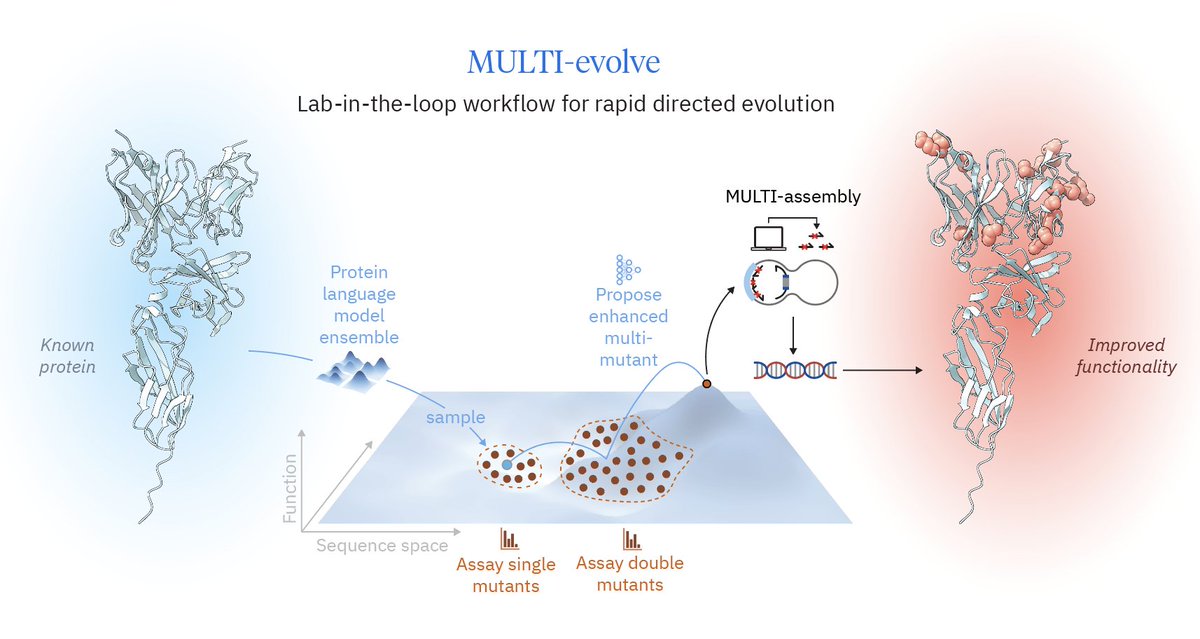
MULTI-evolve first uses protein language models or existing screens to identify promising single mutations, then measures only their pairwise combinations. Those strategically chosen experiments teach a neural network the local epistatic landscape, allowing it to jump directly toward higher-order variants carrying five to seven mutations.
The framework produced substantial gains across an enzyme, an RNA-editing system and a therapeutic antibody, while a parallel assembly method made the predicted multimutants practical to build. What I find important is the shift from “more AI” to more informative biology.
The model does not replace directed evolution; it redesigns the experiment so that a few hundred measurements reveal how mutations cooperate. This is where Bio × AI becomes genuinely powerful: not searching an impossible sequence space blindly, but deciding which small part of it the laboratory should interrogate next.
AI is most useful here not as an autonomous protein engineer, but as a strategy for spending experimental evidence more intelligently.
The breakthrough is not replacing directed evolution. It is making every experimental round more informative.
https://t.co/wZyVcn8azq
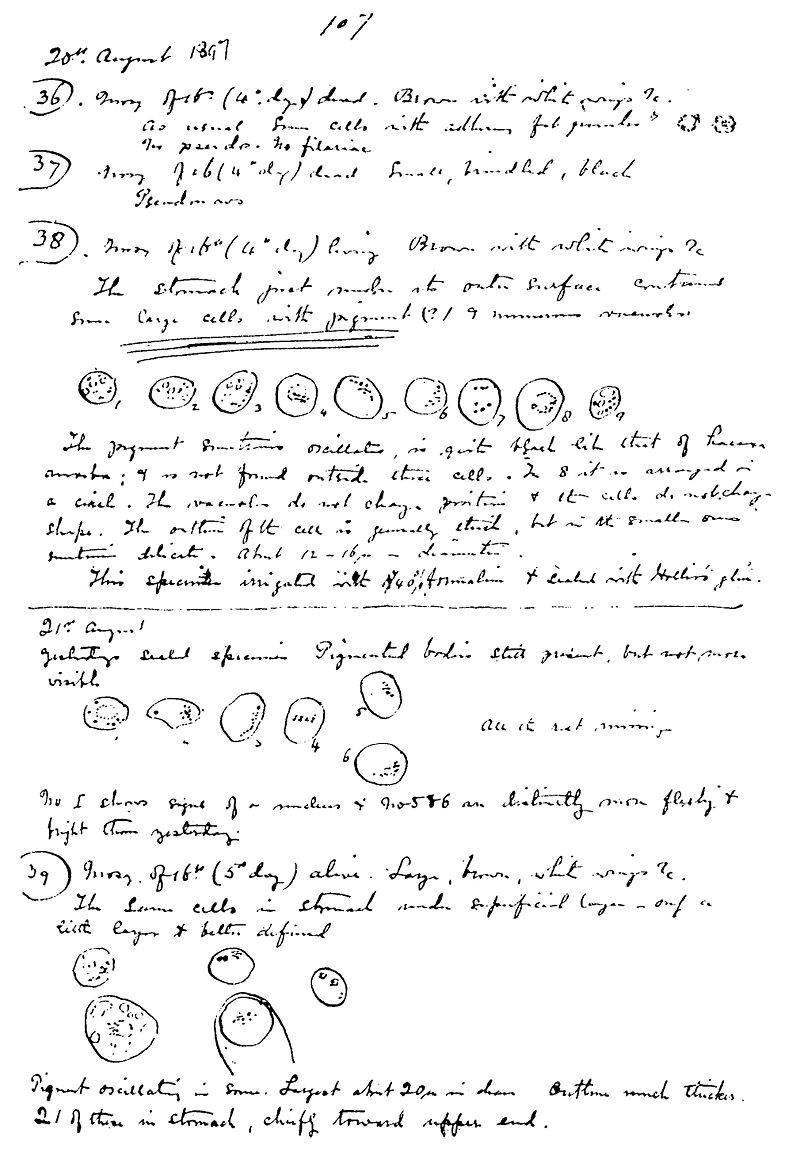
Did you know Nobel Prize laureate Ronald Ross was the first person to link mosquitos and malaria transmission?
"The work, was most exhausting, and so blinding that I could scarcely see afterwards," he said. This is a page from his notebook.
New paper alert! @BhanotLabRU is delighted that their work on PfPKG inhibitors is appearing in #JMedChem. Great partnership with Rutgers medicinal chemists & Schrodinger's computational biologists. @BhanotLabRU
Read here ➡ https://t.co/NLc5b0Vaax
We are searching for the Plasmodium falciparum MSP1 antibody. If anyone possesses it and is willing to share, we would greatly appreciate it. Alternatively, we would also be grateful for any information regarding where we might be able to acquire it.
Many thanks…
Congratulations to #PennState researcher Manuel Llinás on being named Ernest C. Pollard Professor in Biotechnology! https://t.co/GElLdfbgRK @LlinasLab@PennStateBio
Early-career scientists, have you completed a Ph.D. in the last 10 years? Been the first author of 2+ peer-reviewed papers? Join our #mBio Junior Editorial Board to gain more valuable experience. Learn more and apply by Oct. 31: https://t.co/0jY3ylW9O2
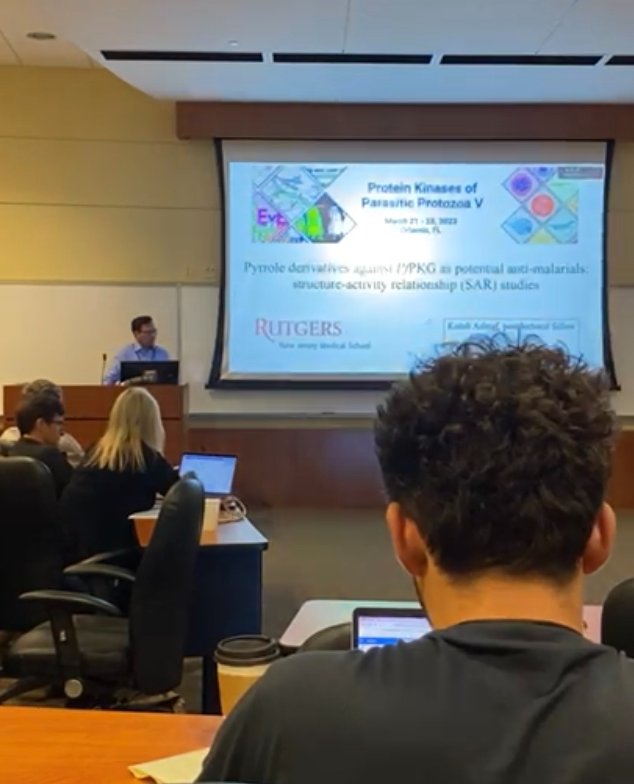
It was rewarding to attend the Protein Kinases of Parasitic Protozoa Conference at Orlando, FL recently. Our Postdoc @kutubashraf116 presented his work about kinase inhibitors.
Congratulations to our FOL, Dr. George Yap @RutgersNJMS for being elected as one of the American Academy of Microbiology Fellows, 2023! We also Congratulate Dr. Fidock @fidocklab and Dr. Laura Knoll for their valuable contributions in parasitology. https://t.co/7YjIQeiecy
Join us in congratulating the 65 fellows newly elected to the American Academy of Microbiology! Fellows are elected annually through a selective, peer-review process based on their scientific achievements and original contributions. https://t.co/NQPpBG6dLC
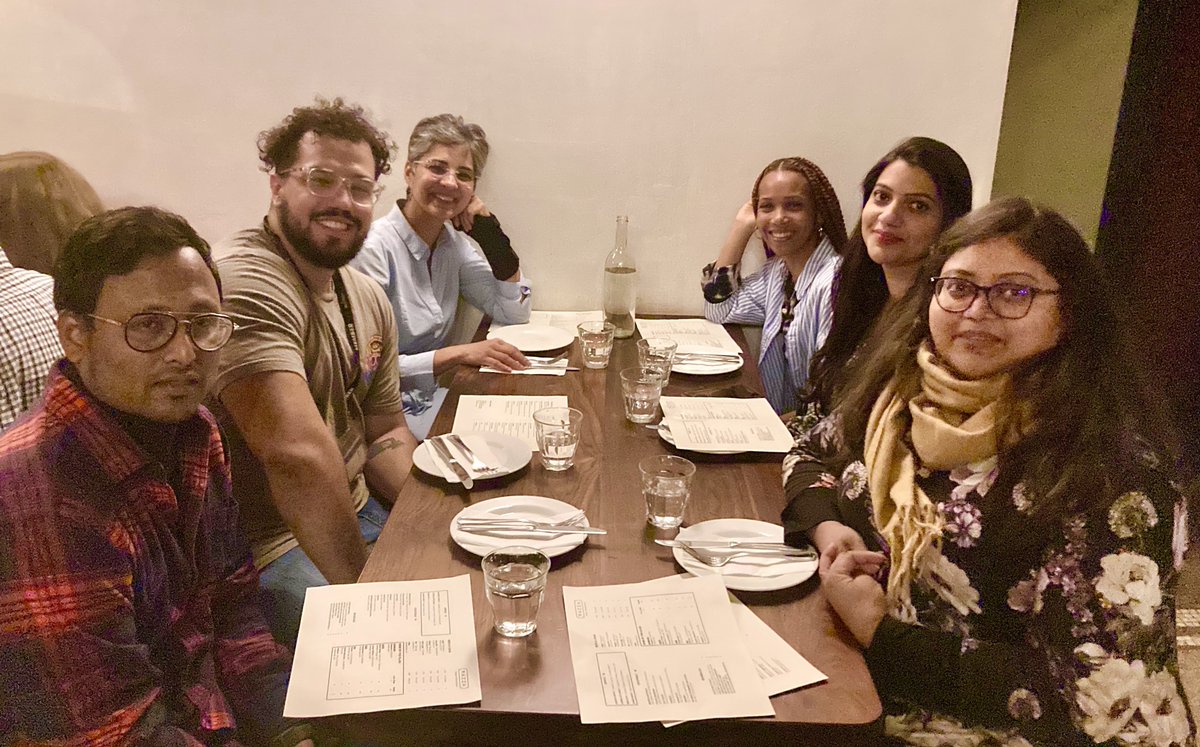
Happy belated New Years everyone! The Bhanot lab had the lovely opportunity to ring in the new years together this past Friday over some delicious pizza!
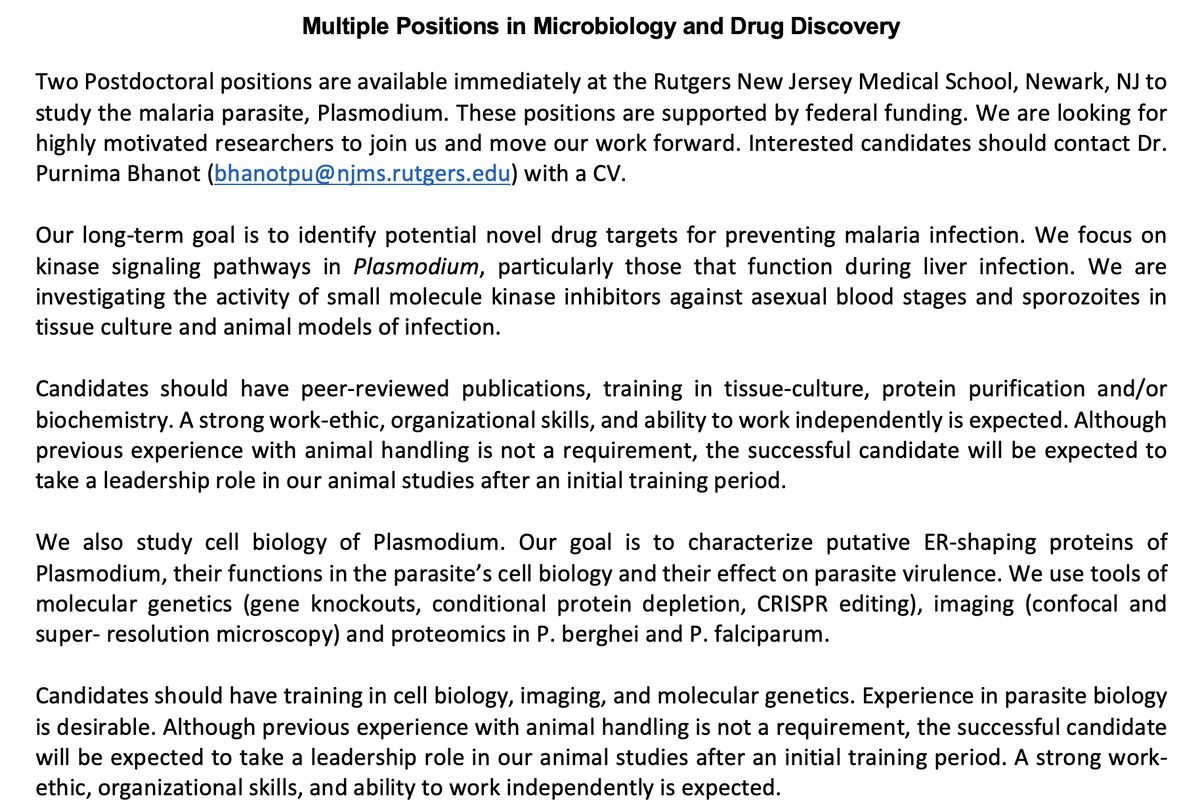
Two fantastic post-doc positions within the Bhanot lab available! We fully encourage any motivated and eager-to-learn post-doc hopefuls to apply, details in the screenshot below.
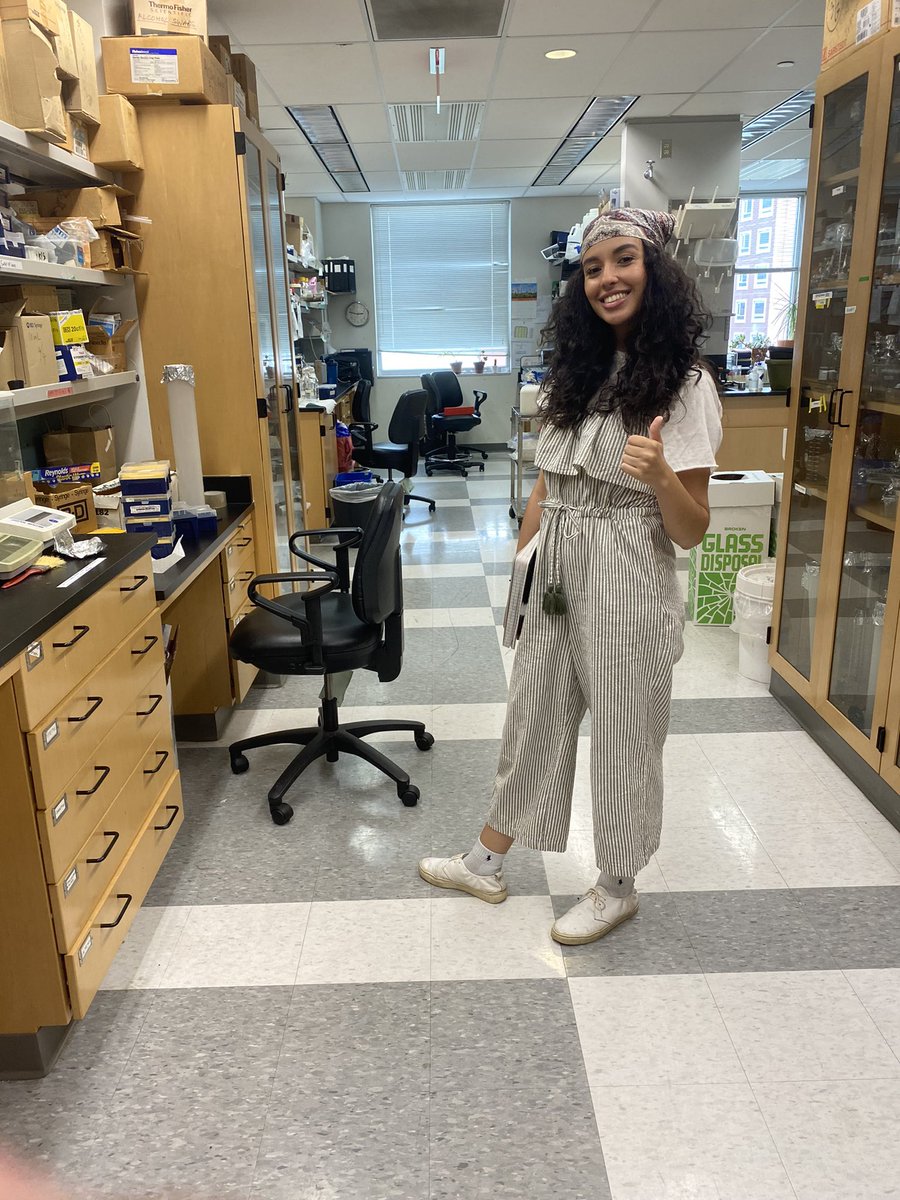
Today is our Master's student Tiffina is last day of lab during her extended rotation! Tiffina has shown a level of creative thinking and dedication to the lab that will be missed. Good luck with the rest of your classes Tiffina!