I'm thrilled to announce that my minireview is out! Thanks @JVirology for the opportunity to voice my views on the potential for predicting the latent HIV reservoir using #deeplearning. #virology#HIV#AI
https://t.co/73qGK2IvoP
A 33-year-old woman at MIT wrote the code that ran inside the Apollo 11 lunar lander, and 20 seconds before Neil Armstrong touched the moon, her program made a decision the astronauts didn't know was happening that was the only reason the mission didn't crash.
Her name was Margaret Hamilton.
She led the team writing every line of code that would fly humans to the moon and back. The part almost nobody knows is that she had to fight to be allowed to do the work at all.
Code in 1965 was not treated as real work.
Rockets were serious. Circuits were serious. Writing code was something the men at NASA thought secretaries could do on the side. Hamilton was told this to her face more than once.
So she started calling what her team did "software engineering."
She used the phrase on purpose. In meetings. In memos. To force people to treat it as a discipline instead of a chore. Colleagues laughed at her the first few times she said it out loud.
That phrase is now the name of the biggest engineering profession on earth.
The story of what her code did on July 20, 1969 is the one every kid should be taught.
Neil Armstrong and Buzz Aldrin were 3 minutes from touching down when the computer inside the lunar module started flashing an alarm.
1202.
Then again. Then 1201. Five alarms in four minutes. The computer was telling the astronauts it could not finish everything it had been asked to do.
The computer they were flying with had less memory than a modern microwave.
Someone on the checklist had left a switch in the wrong position, and a radar the astronauts did not even need right then was flooding the computer with data. It was eating around 13% of the machine's brain at the exact moment every second mattered.
In almost any other system, that overload would have frozen the machine.
A frozen machine 30,000 feet above the moon means a crash. It means two dead astronauts and a third one orbiting alone above them, waiting for a signal that would never come.
Hamilton's code did something else.
She had built the software with a rule almost nobody in her field was using at the time. When the machine ran out of room, it would not treat every task as equally important. It would look at the list of jobs it had been asked to do, throw out the ones that could wait, and keep running only the ones keeping the crew alive.
The radar was the low priority job.
The landing was the highest.
So the computer did what she had told it to do. It dumped the radar. It kept flying. The alarm was not a failure. It was the machine reporting that it was handling the overload exactly the way she had designed it to.
Down in Houston, a 24-year-old engineer named Jack Garman recognized the alarm from a test his team had run months earlier. He shouted "Go" to the flight controller. The controller shouted it up to the crew. The landing kept going.
Armstrong touched the surface with 25 seconds of fuel left.
The part that gets lost in every retelling is why Hamilton had built that safety net in the first place.
NASA had not asked for it.
She had added it on her own, years earlier, because her 4-year-old daughter Lauren had once crashed the simulator by pressing a button during a test. The button was one the astronauts had been told they would never press.
Hamilton wanted the code to survive that button press anyway.
Her bosses told her it was a waste of time. Astronauts do not make mistakes.
She insisted. The safety net went in.
Two years later, on the way to the moon, an astronaut left a switch in the wrong position. The exact class of mistake she had been told would never happen.
There is a photograph of her from that period.
She is standing next to a stack of paper as tall as she is. Every page in that stack is the code her team wrote for the mission. She is smiling at the camera like she knows something the rest of the aerospace industry has not figured out yet.
In 2016, Barack Obama put the Presidential Medal of Freedom around her neck and said the astronauts did not have much time, but thankfully, they had Margaret Hamilton.
Every autopilot in every plane you have ever flown on uses a version of what she invented. Every pacemaker. Every self driving car. Every satellite in orbit.
The idea that a machine should know which job matters most and drop the rest when it runs out of room is now the foundation of almost every safety system on the planet.
She wrote it because a 4 year old crashed a simulator and nobody else thought it was worth fixing.
The men in the room laughed at her for calling it engineering.
Then her code was the only thing in the sky that did not fail.
We’re excited to share that our PNAS paper is out!!! We dived deeper into that why some common cold coronaviruses can infect the gut and why children may be more susceptible to the infection! 🦠
Check the paper out 👀
@k_pyrc@MCB_UJ@JagiellonskiUni
https://t.co/kc5zJTt66k
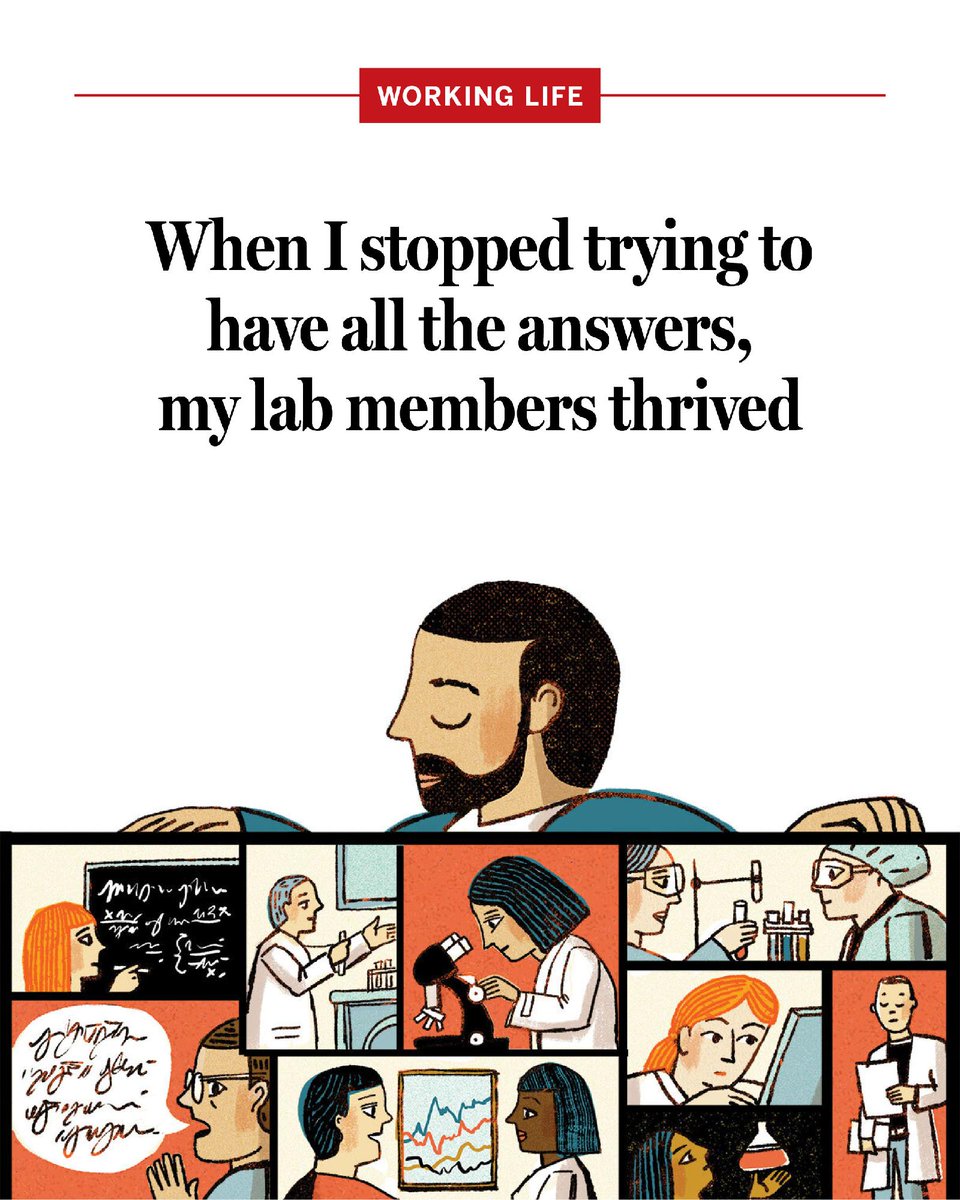
“… it took time to figure out how to let go and lead without hovering over every single move, to be there when people struggled without taking the wheel.” #ScienceWorkingLife https://t.co/Qg5VEK4EDt
I am super proud to post a BEAUTIFUL review in Nature Reviews Microbiology that started as Dinh's PhD thesis introduction, and matured over a two year period, into a view on how he studies RNA virus evolution and how those concepts can be used in applied virology. Dinh Tran joined my group as a PhD student coming from a background of solid evolutionary sciences and population genetics, and trying to transform his wisdom to us and how we develop antiviral approaches. He is now a postdoctoral fellow, applying all these concepts to his own research program.
This is a very useful review, I hope you enjoy it. It is written for a broad audience, for students and scientists in the field and in related fields.
https://t.co/DyxiUyW3Rt
Share it with everyone!
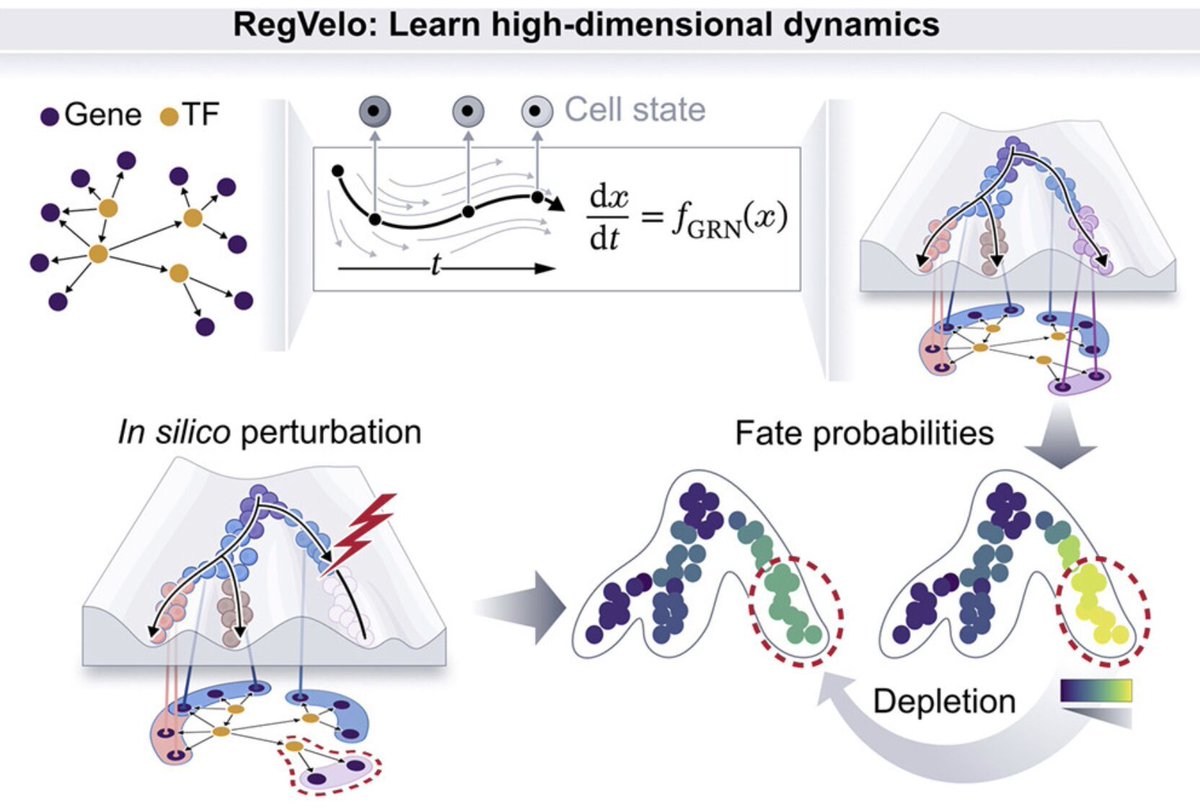
Excited to share our RegVelo paper in Cell
https://t.co/ZAnQphaXsg
We unify RNA velocity + GRNs into one model → better OOD prediction of perturbations (e.g. gene KOs), with examples incl. neural crest KO predictions 🔬
Big thanks to W Wang, Z Hu & T Sauka-Spengler 🙏
“I will miss the creativity of teaching.”
During #TeacherAppreciationWeek, check out this #ScienceWorkingLife essay from a retired professor emeritus on how she challenged students to think beyond facts—and how she learned to teach like a scientist. https://t.co/1RvNo1g5pc
In a new Science study, researchers report that specific regions dense in cytosine and guanosine dinucleotides are epigenetically modified during inflammation to enable gene expression and that these changes persist during the animal’s lifetime.
The finding has implications for understanding how the genome determines the longevity of memory, which affects tissue fitness.
Learn more in a new #SciencePerspective: https://t.co/VJwEsaHD5W
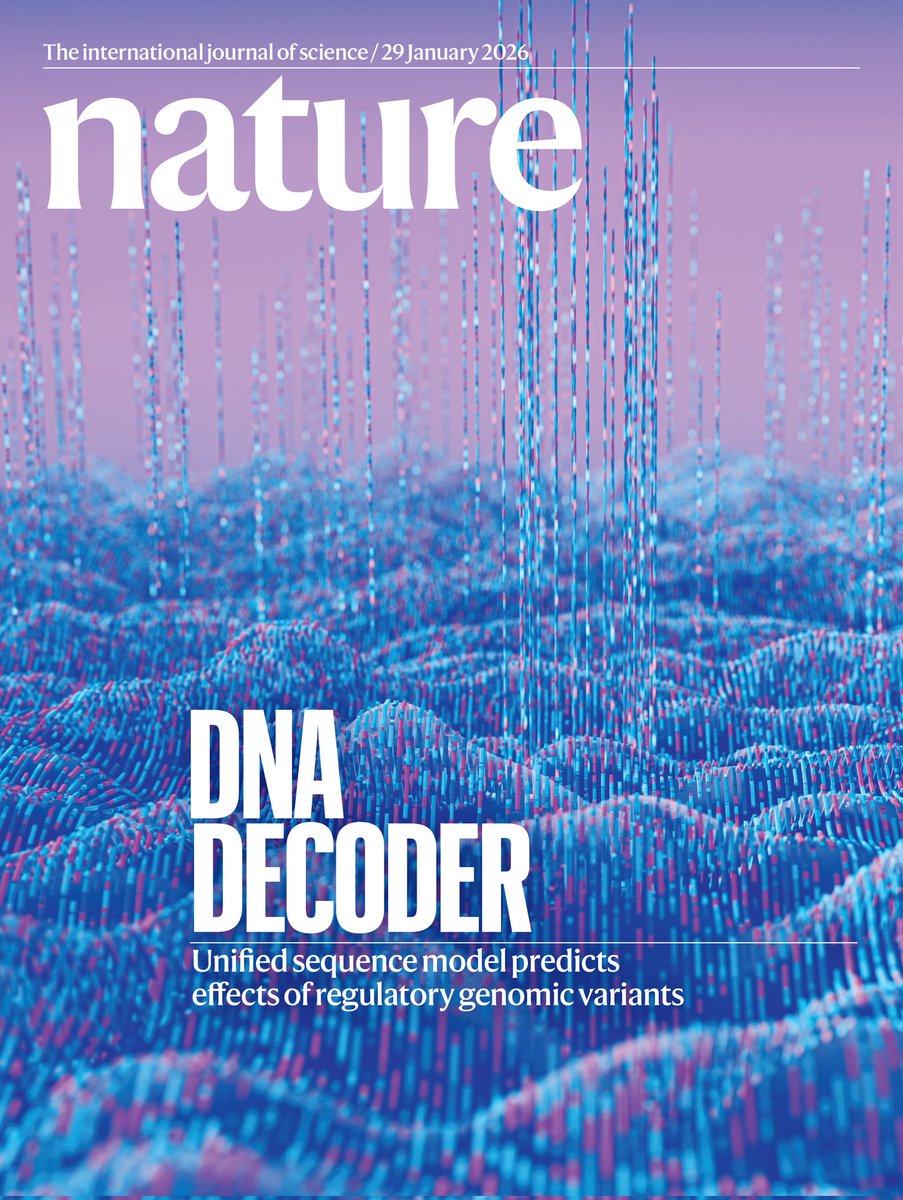
AlphaGenome is out in @nature today along with model weights! 🧬
📄 Paper: https://t.co/1fHzSPiY1x
💻 Weights: https://t.co/z6JWLT4Mpv
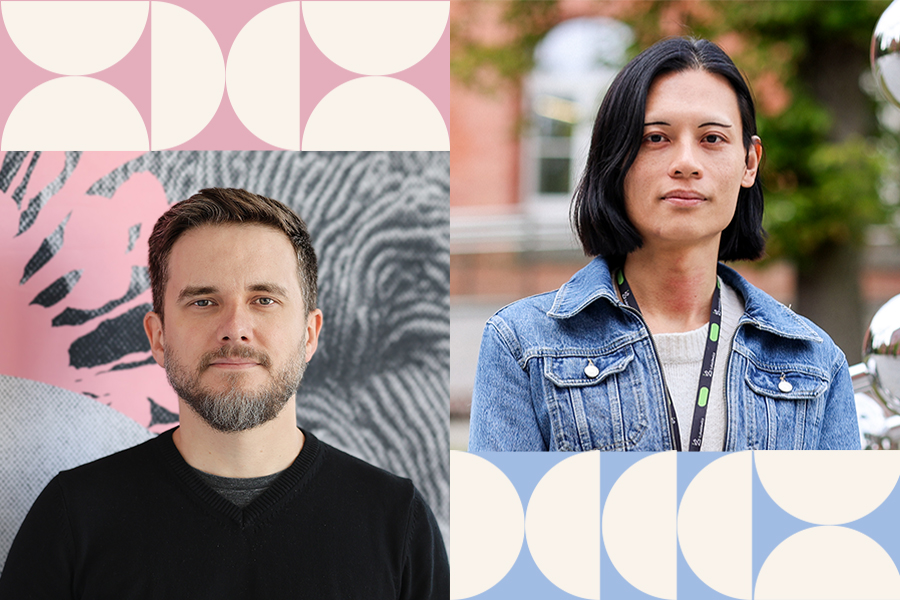
Getting here wasn’t a straight path. We sat down @googledeepmind to discuss the story behind the model, paper & API: https://t.co/cT8CiXfnxQ
📣 CSBJ is now a Science Partner Journal published with @AAAS
Press release: https://t.co/aDqj5S2ubd
Submissions (same EM login/workflow): https://t.co/B2WrqEAajw
🎓 Kolejni naukowcy Łukasiewicz – PORT z habilitacją!
dr hab. Marek Wagner kieruje Grupą Badawczą Odporności Wrodzonej, dr hab. Heng-Chang Chen – Grupą Badawczą Wirusologii Ilościowej.
Gratulacje! 👏
➡️https://t.co/PvzfGfauwI
#biomedycyna#immunologia#wirusologia
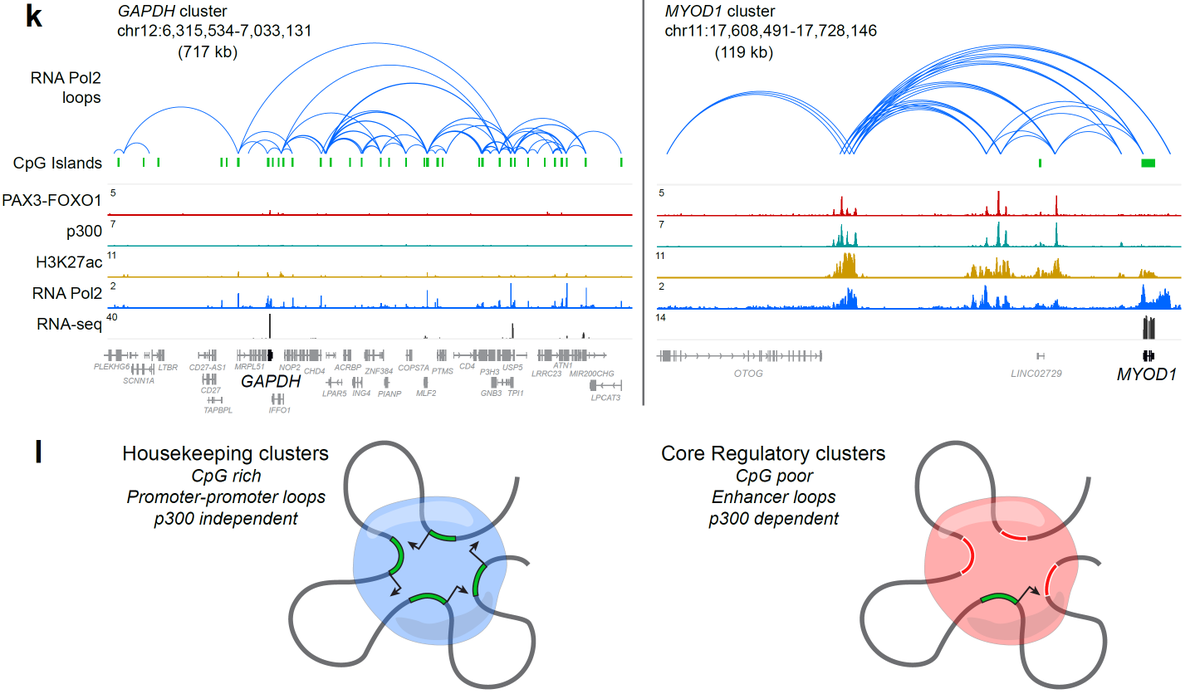
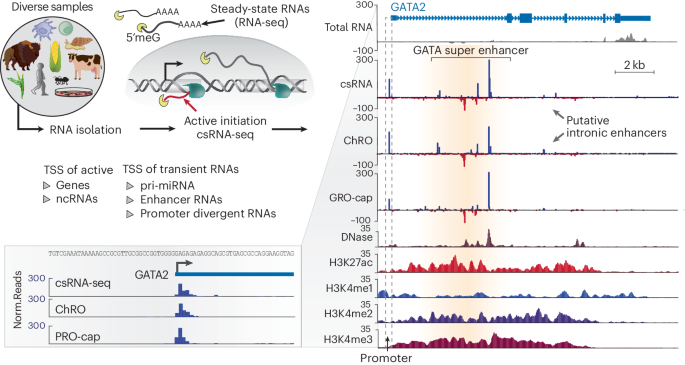
New Article! Profiling active RNA polymerase II transcription start sites from total RNA by capped small RNA sequencing (csRNA-seq) https://t.co/2eWy2y6PpJ
Voting for the international society for antiviral research board members is open! Vote for me, if you want me aboard, or vote any of the great colleagues that have added their names. Join ISAR and attend the annual conference we hold around the world. https://t.co/FdAVQ333Jt
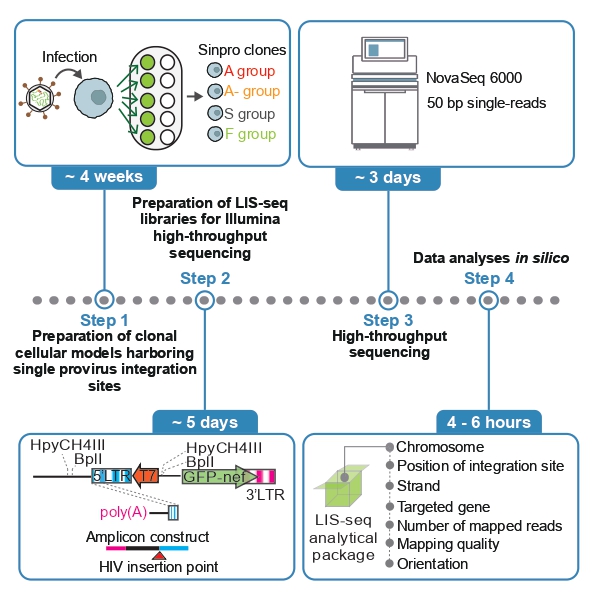
📢We are thrilled to share our streamlined in vitro transcription-based protocol, lentiviral integration site sequencing (#LISseq), to map single provirus integration sites. 📷See https://t.co/1dhCZs10Ya for the step-by-step protocol.
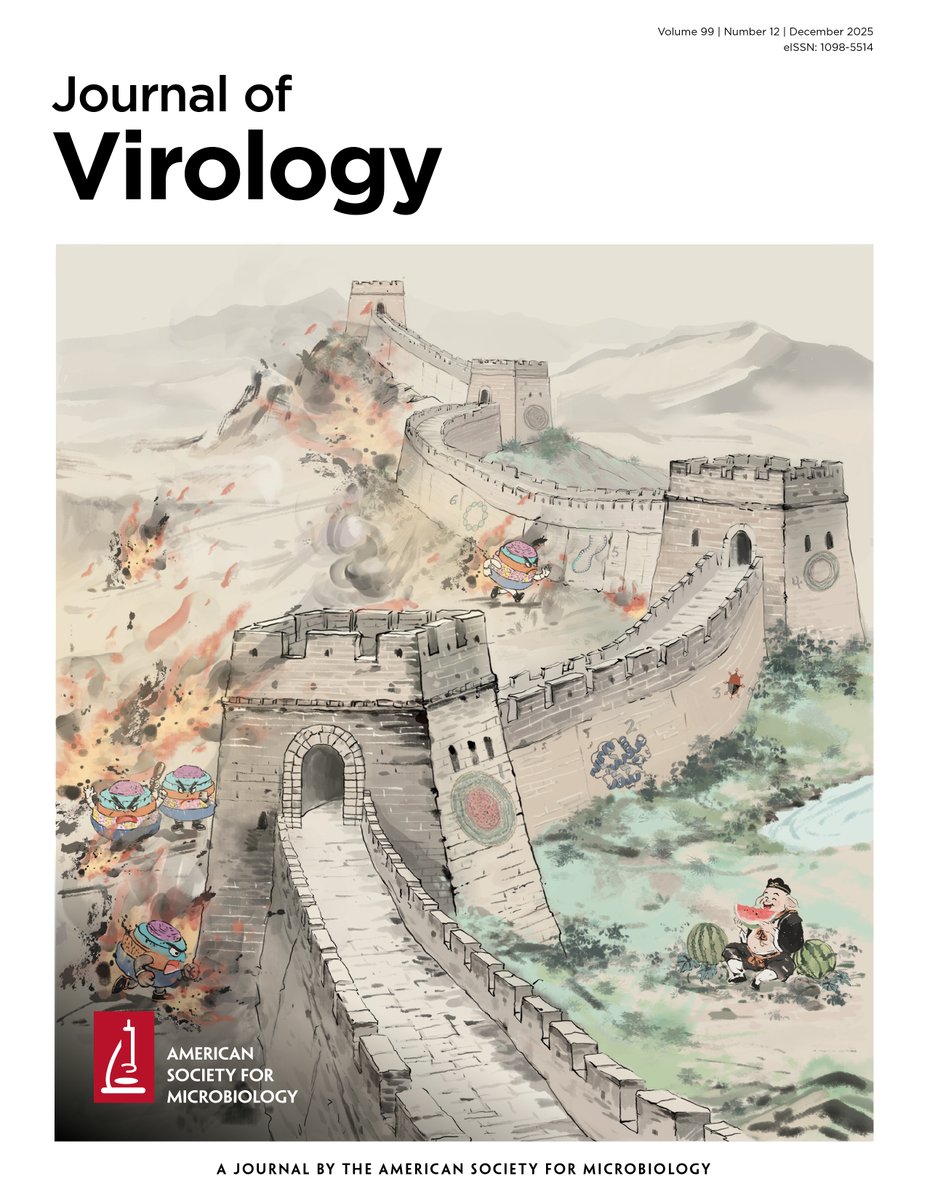
Before we say goodbye to 2025, JVI would like to end the year with a very attractive cover image. See our December issue! The image depicts 7 vaccine platforms under scientific development. Big thanks to George F. Gao, Guorui Peng, et al. See https://t.co/GxEcuJK0Yu, #jvirology
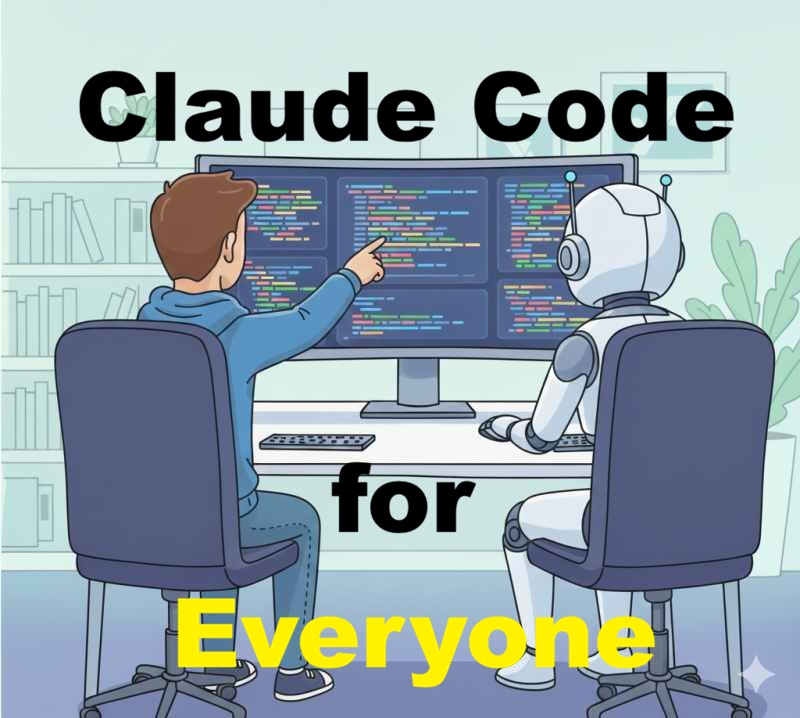
Excited to share "Claude Code for Everyone"—a set of step-by-step, hands-on tutorials to help you put AI to work on your laptop. It isn’t just an AI coding tool for developers; it is a powerful local AI agent to support research, writing, editing, and more.
What’s inside:
- Windows + Mac setup guides
- A clear learning path: Basics → R / Python
- Practical workflows with VS Code, Git, WSL (Windows), and Docker
- Real projects (e.g., using Claude Code to help write a research paper)
- Spanish, Chinese, and Japanese versions
Check it out: https://t.co/9OBTuJdRAU
I’d love your feedback (and topic or language requests)!
#AI #ClaudeCode #Python #RStats #VSCode #Git #DeveloperTools #Productivity
Attention scientists from all over the world🙃
The Call for Letters of Intent for #HFSPResearchGrants 2027 is now open!
Get your international & interdisciplinary team. It's time to put your bold research idea into practice!
🔗https://t.co/5NuUBYBUkC
📅 15 Dec 2025–26 Mar 2026