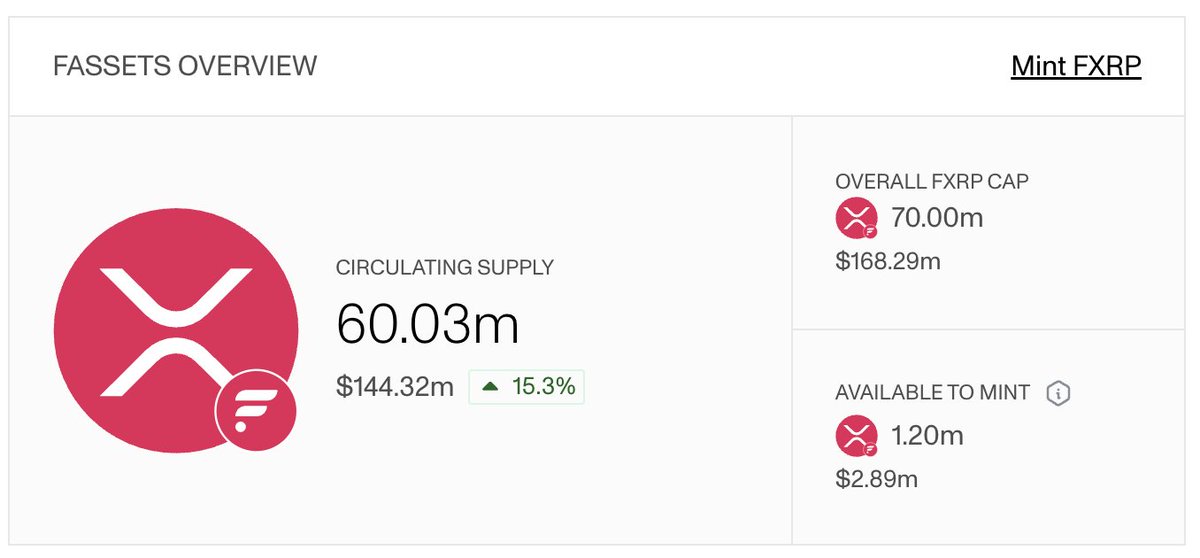
XRPFi stats move every day on the largest XRP DeFi ecosystem. ☀️
From FXRP deployed to transactions, users, and more.
Bookmark the live dashboard and check it out before it moves next week.
🔗https://t.co/v5dEUJdrOT
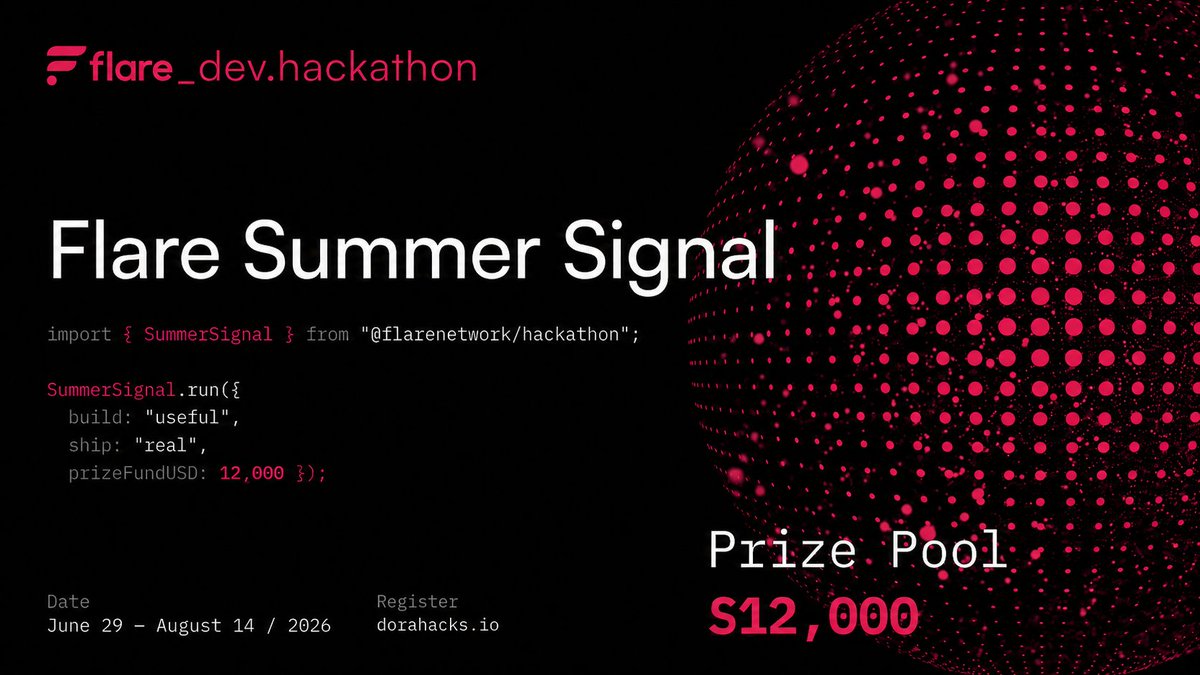
The @FlareDevHub Summer Signal builders keep shipping interesting ideas.
The variety of use cases the Flare stack and FCC can support is the most exciting part.
Share some projects that stood out recently👇
FXRP proved FAssets work.
Flare 2.0 is the upgrade: execute across chains, prove external actions, run logic in verifiable compute.
More assets follow on the same rails. FCC on Songbird tests it first.
Most of you are staked. For those still figuring it out:
1. Pick a validator
2. Stake on the P-chain
3. Start earning
🔗 https://t.co/lrapRtBlDv
Still wondering how? Here's the ideo walkthrough → https://t.co/Bg5XLebGlb
Missed this morning's workshop?
Every @FlareDevHub Builder Online Workshop is in Dev Corner playlist on YouTube; FCC, TEEs, interoperability, and more.
Building for Flare Summer Signal? Start here 👇
https://t.co/xo906pR569
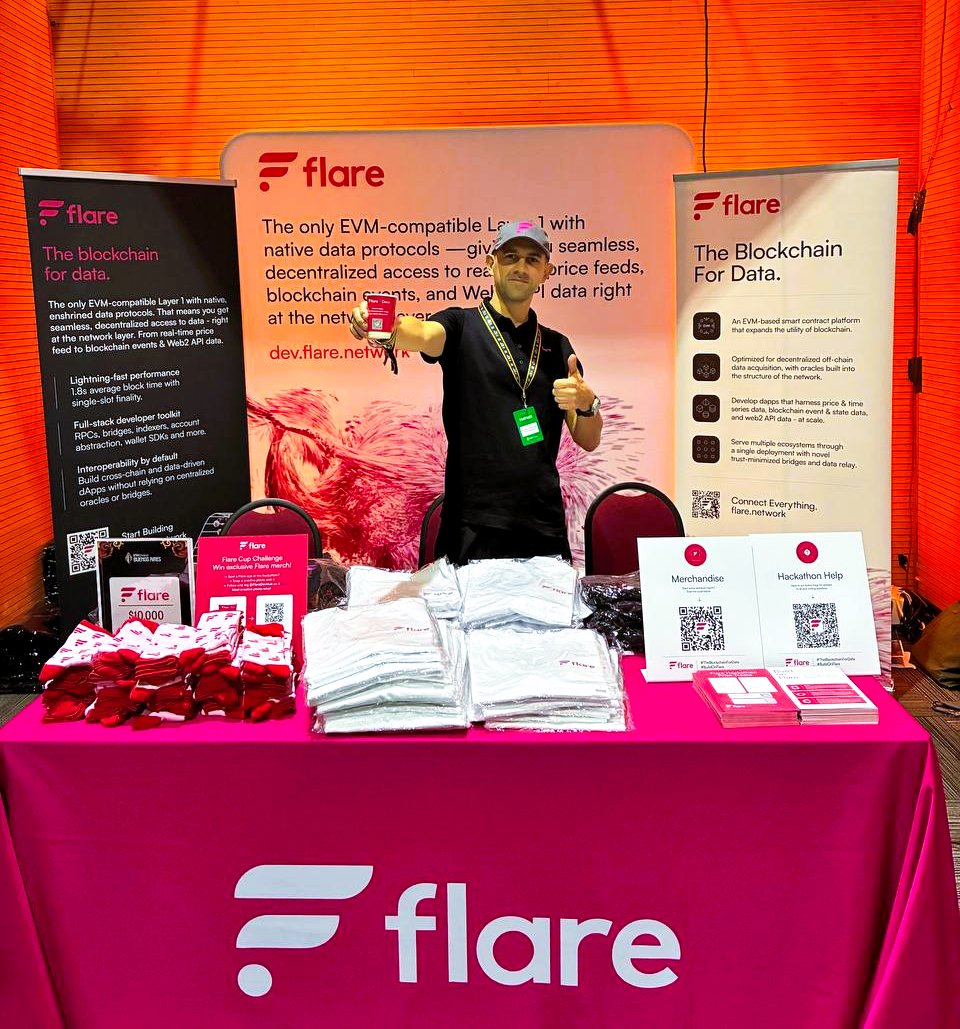
Flarehub was live at Devfest Owerri and the energy was unmatched
Builders, creators and curious minds everywhere. This is the ecosystem in motion
Want to plug in, join the flarehub community and let's build together. https://t.co/DoyCCIudBy
#DevfestOwerri#BuildonFlare@gdgowerri
Swap Flare to XRP trustlessly with @OxenFlow F-Assets feature! 🚀 @NicholasLobue explains in this cool clip from @flareforward . Full video: https://t.co/dMUPFwx2BF
Devs around the world are starting to create their own implementations to support the FDC's educational materials.
This is a great contribution, thanks to @FlareAfrica_ and everyone who is helping to shape it!
Project @Firelightfi takes inspiration from (re)staking platforms like EigenLayer and Symbiotic—but we’ve made some deliberate departures.
(Re)staking has been a clever architectural idea: reuse staked capital to bootstrap new forms of network security. But as the cycle matured, the model has struggled to meet its original promise. Why?
Cost of capital. Restaked ETH competes with ETH’s native staking yield. If you’re taking on incremental risk, the incremental yield must clear a higher bar—and too often (re)staking rewards trade below plain staking. That math simply doesn’t scale.
Viable use cases. “Borrowing” security is interesting, but adoption has been thin. Many potential consumers of that security are early-stage and can’t afford it; technical integrations remain complex and limited, which narrows the surface for real demand.
Layer on top the points fatigue—long, open-ended campaigns that trained expectations but under-delivered at TGE—and you get a model that needs recalibration. That’s an execution problem as much as a design one, but it still matters.
Firelight’s approach: keep what works, change what doesn’t. We target assets with a lower cost of capital (e.g., XRP, XLM) and focus on a single, high-conviction application: DeFi cover/insurance. Instead of being a generic “security marketplace,” we’re laser-focused on underwriting and protecting tier-one DeFi markets—where demand is tangible and risk modeling actually matters. And on incentives: we’ll keep points programs short, transparent, and tied to real participation—no endless gamification loops.
We’ll face our own challenges, no doubt. But we’re choosing different input variables: cheaper capital, a narrower scope, deeper integrations, and concrete deliverables. If (re)staking was a great prototype for reusing trust, Firelight is our attempt to productize that insight where it can create immediate, defensible value—coverage that DeFi actually needs.