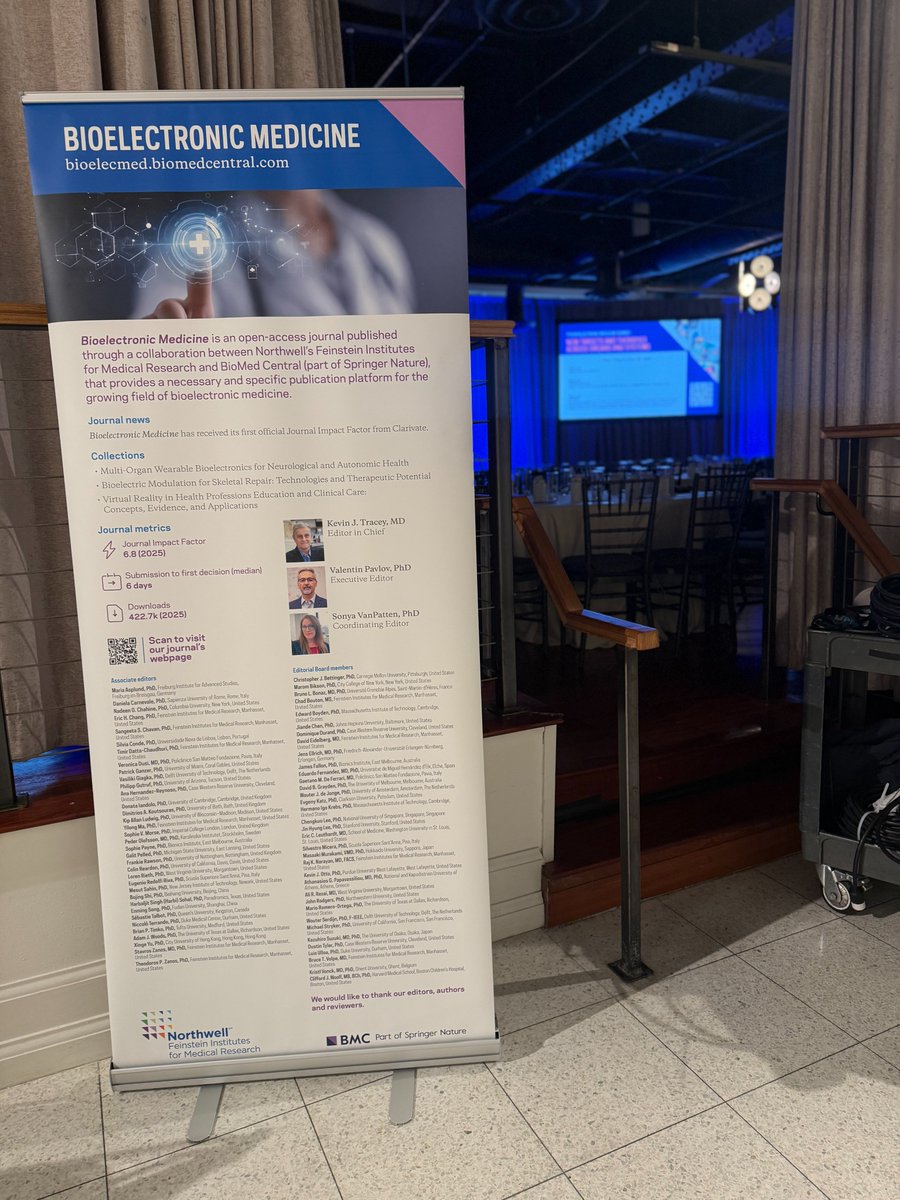
An #OpenAccess science journal published by the Feinstein Institutes for Medical Research and @BioMedCentral @SpringerNature. Tweets curated by senior editors.
Nominations for the Ross Prize in Molecular Medicine, made possible through the generosity of Feinstein Institutes board members Robin and Jack Ross, are now being accepted through Nov. 16th: https://t.co/MqSptJQKHD Information about the annual award here: https://t.co/bpBiOiBQBU
SPARC has closed. Its stated purpose: "accelerate development of therapeutic devices that modulate electrical activity in nerves to improve organ function."
Here Patel and colleagues lay out what a decade bought: over $350 million, close to 100 projects, 500 papers, 300 open datasets, cross-species vagus maps, ASCENT for modeling stimulation, safety models now used in FDA submissions, open implant platforms. All of it public. SPARC was a big win for bioelectronic medicine.
But was it a big enough win, and where are we today?
We know very little more about translating this technology to the millions of patients who need it.
We have precious few randomized, well powered, controlled trials of implanted VNS or taVNS in people suffering the complications of inflammation.
That may not have been SPARC's stated mission. But the basic anti-inflammatory mechanisms were already well established when the program began.
We need to move faster from mechanism to therapy.
The obstacles are real. As a cofounder of SetPoint Medical, I know them well.
So what are the solutions?
Where are the new paths to moving faster?
Should we accelerate studies of approved devices to expand their indications?
Should we run well designed trials of the over-the-counter devices to get answers to simple questions about wellness and effectiveness?
There is a fantastic opportunity for new entrants with new ideas.
Who are you, and what are your ideas?
https://t.co/ZAuhl6R7lD
September article: Accelerating the development of bioelectronic medicine: outcomes and innovations from the NIH SPARC initiative #BioelectronicMedicine#SPARC#AutonomicNervousSystem https://t.co/PL4JvRX9xC
We are only one month away from the 7th Bioelectronic Medicine Summit in NYC! Seats are selling fast, but there are still spots remaining. Reserve your seat TODAY to hear the latest developments, discoveries, and translational advances in this rapidly growing field of medicine! #2026BEMsummit @NorthwellHealth
Many thanks to our Participating Sponsors:
GOLD @SetPointMed , SILVER @cognitotx BRONZE: @neuvotion, @Medtronic, @BlackrockNeuro_@Novocure, @Verasonics, @SpringerNature, Microdul AG, @ActuatedMedical
Sept 28-29th, Chelsea Piers, NYC.
https://t.co/E6ZCQb0cvI
August article: Accelerating the development of bioelectronic medicine: overview and impact of the NIH Stimulating Peripheral Activity to Relieve Conditions (SPARC) initiative | #BioelectronicMedicine#SPARC https://t.co/LMgNzSaREb
Join us for the Seventh Bioelectronic Medicine Summit: New Targets and Therapies Across Organs and Systems. September 28-29, 2026 at The Lighthouse, Chelsea Piers, NYC. Hosted by the Feinstein Institutes for Medical Research #BioelectronicMedicine https://t.co/ou6vM1v7nb
Published today: "Continuous vs. intermittent chronic vagus nerve stimulation: effects on T-cell dependent antibody response, heart rate variability and body weight in immunized mice", by Gerber, Mughrabi et al. #BioelectronicMedicine#VNS#HRV https://t.co/wiT7o4NPym
Looking to submit your bioelectronic medicine related research? Check out our journal and submission guidelines at https://t.co/OLqkk1qzBv #BioelectronicMedicine
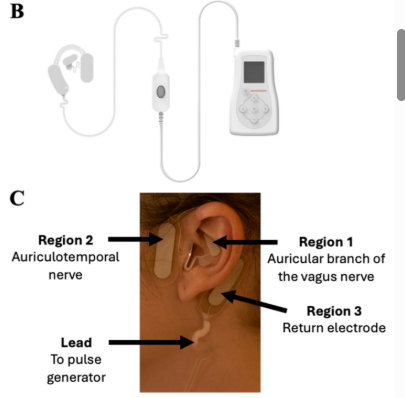
Effects of transcutaneous auricular vagus nerve stimulation or combined vagal and trigeminal nerve stimulation on platelet function and laboratory hemostasis parameters in healthy human subjects | #BioelectronicMedicine#TaVNS#TrigeminalNerve#platelets https://t.co/6sOD1ylzJ3
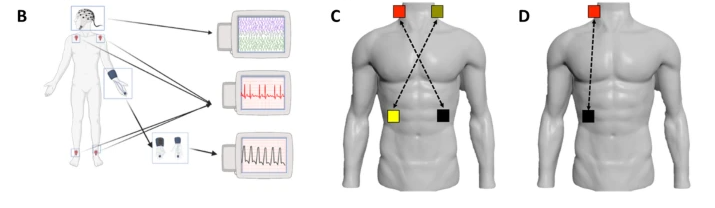
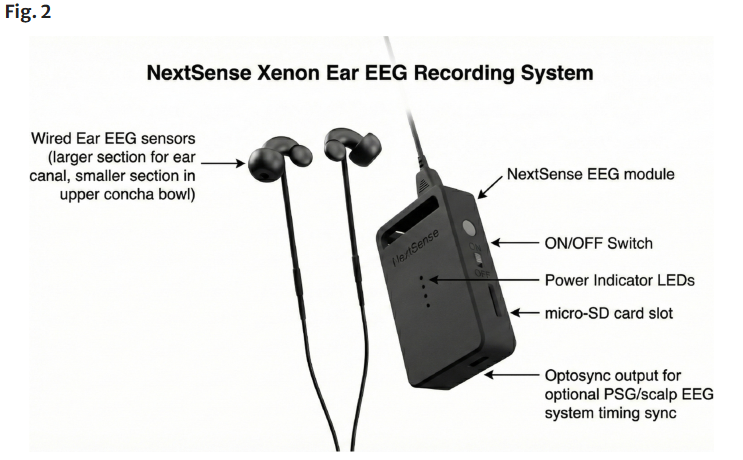
A novel, wearable, in-ear EEG technology to assess sleep and daytime sleepiness. Published May 22nd, 2026 https://t.co/qVeUfaeVVh #EEG#Sleep#wearables#BioelectronicMedicine
Participant-centered tolerability of transcutaneous auricular #vagus nerve stimulation: insights from two crossover studies #BioelectronicMedicine#TaVNS Pub: May 08, 2026
https://t.co/aUm0XvlknH
#Vagus nerve stimulation in #Crohn’s disease: long-term outcomes, mechanistic insights, and the promise of non-invasive approaches #BioelectronicMedicine Pub: April 17, 2026
https://t.co/cdQvPHw2Zz