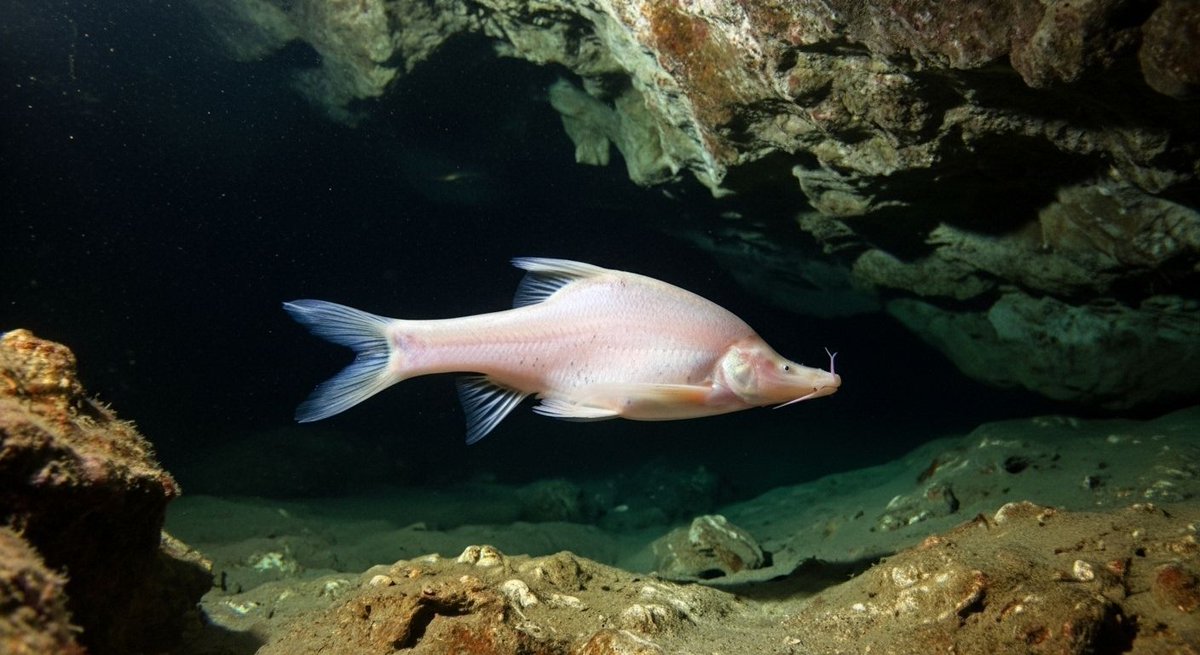
How does a cavefish (🐟) with a duplicated genome (🧬🧬) adapt to life in darkness? Our new study in @molecology reveals a key mechanism: its two subgenomes follow distinct evolutionary paths. This genetic division of labors accelerates diversification. https://t.co/zQWbgbpOk6
Application process:
1️⃣ Student contacts a CAS researcher and jointly prepares the application
2️⃣ PI submits the application through the internal system
3️⃣ Host institute evaluation
4️⃣ Expert review organized by the CAS Bureau of International Cooperation
5️⃣ Final approval
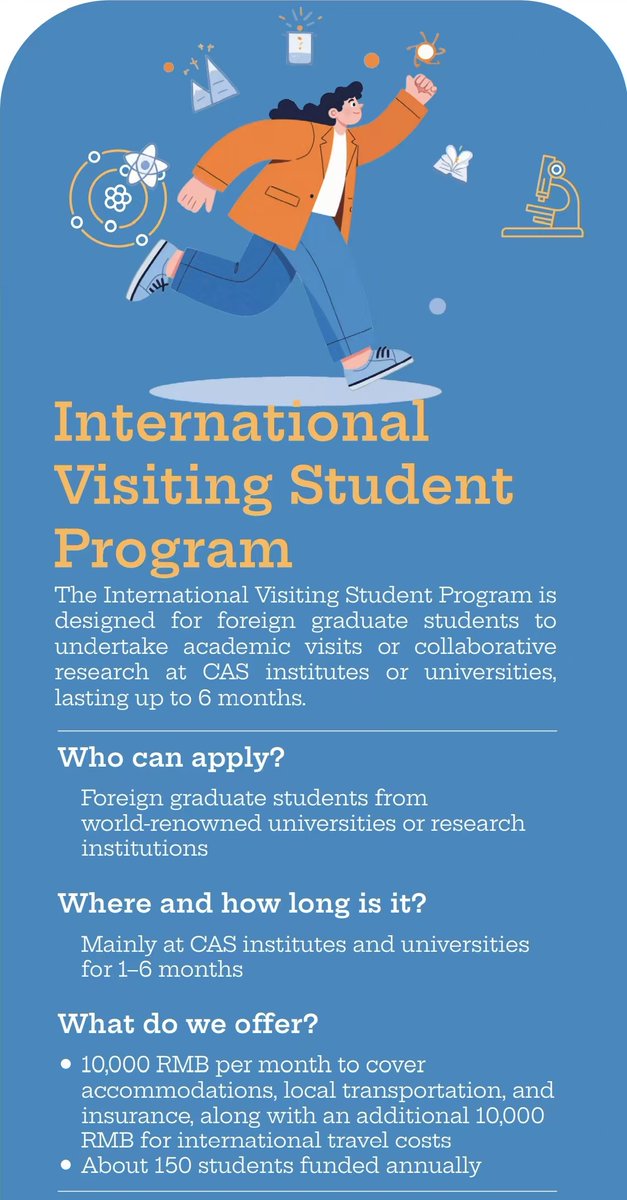
‼️ Are you interested in coming to China 🇨🇳 for a 1–6 month short-term research visit? 👉 The Chinese Academy of Sciences is now inviting international graduate students for academic visits or collaborative research, with monthly funding and travel support! ✈️📚😊
New story on the Avian Hybrids blog!
Flipping the script: Another inversion in the Common Quail genome
https://t.co/MoG6rYb1AC
Based on the Molecular Ecology study by Sara Ravagni, Santiago Montero-Mendieta and their colleagues | #ornithology
Out in MEC!
New study by @Biomendi, @Baocheng_Guo, et al. reveals how a #cavefish 🐟 with a duplicated genome 🧬 adapts to life in darkness. Results show that each subgenome follows a distinct evolutionary path.
@WileyEcolEvol
🔗: https://t.co/HysWHna3QI
📷: Yahui Zhao
📚 Estudi publicat a Molecular Ecology per l'equip CONSEVOL (📷@ebdonana), Uppsala Unversity, Acadèmia Xina de Ciències i IRBioUB ha descobert com reorganitzacions cromosòmiques antigues estan donant forma a l'evolució d'aquesta au, especialment en poblacions illenques.@Biomendi
@molecology Using a de novo genome, we reveal ancient inversions forming adaptive "islands" 🏝️ that accelerate evolution in common quails. Protecting these genomic "engines" may safeguard the species’ adaptive potential amid climate change. Full story on my website 👇 https://t.co/lfrG3IsQER
📢 Our paper "Large Inversions Shape Diversification and Genome Evolution in Common Quails" is now out in Molecular Ecology! @molecology 🐦🧬 https://t.co/6zNRhcqPyI
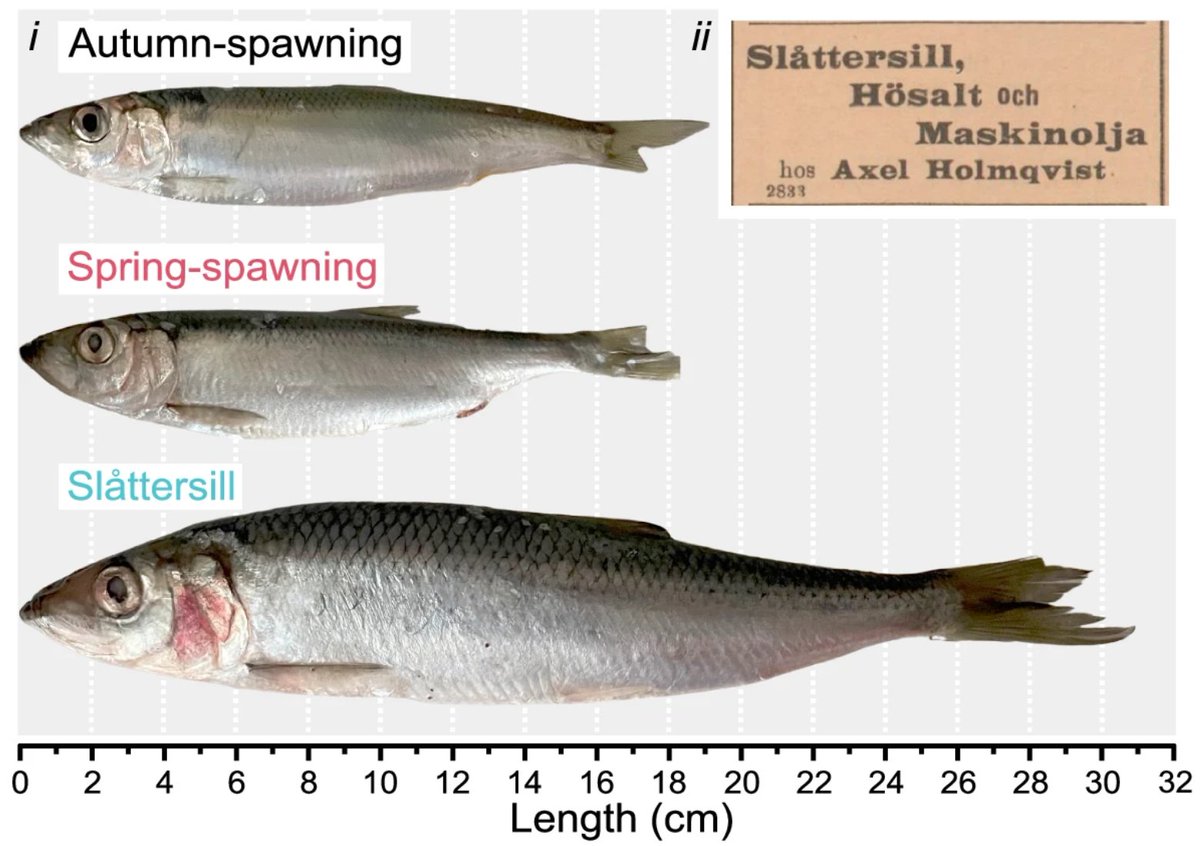
How does a plankton-eating fish evolve into a fast-growing, fish-eating predator? 🐟🤔 We are excited to share our new study in Nature Communications @NatureComms and answer this question! 1/n
I've been living in Beijing 🇨🇳 for over a year now. My top tip for non-Mandarin speakers coming to China is to grab a VPN! 🛜 Tested a few, but WannaFlix has been the most reliable so far 👏 Feel free to use my affiliate link: https://t.co/71sGEej35G #ChinaLife
Happy to share my incredible postdoc experience at IOZ-CAS! 🐠🔬🇨🇳 Grateful for the opportunity to be a researcher in China, where I've been embraced by the warmth of its people and vibrant culture. A truly unforgettable journey! Here is my story: https://t.co/z1hOnFPBTC
Great talk by @tmarquesbonet today at Institute of Zoology (IOZ-CAS), Beijing 🇨🇳 ~ His research on the genomic variation of primates is truly impressive!
Excited to see the #SMBE2025 website up! As a postdoc at IOZ living in Beijing, I’d more than happy to help fellow researchers with any questions or tips about China 🇨🇳 Let’s connect and share ideas!
We are delighted to announce the launch of the official #SMBE2025 website: https://t.co/91fBe95z7S
Key dates can be found on the website.
We would like to remind you that the portal for submitting symposia proposals will be open on September 20th, 2024.
@SMBEmeetings
China extends visa exemption entry for citizens from 12 countries (including Spain, Germany, France, Italy, ...) until the end of 2025: https://t.co/wqTqkRkfwH