Research to Commercialization (#R2C )| Week 3
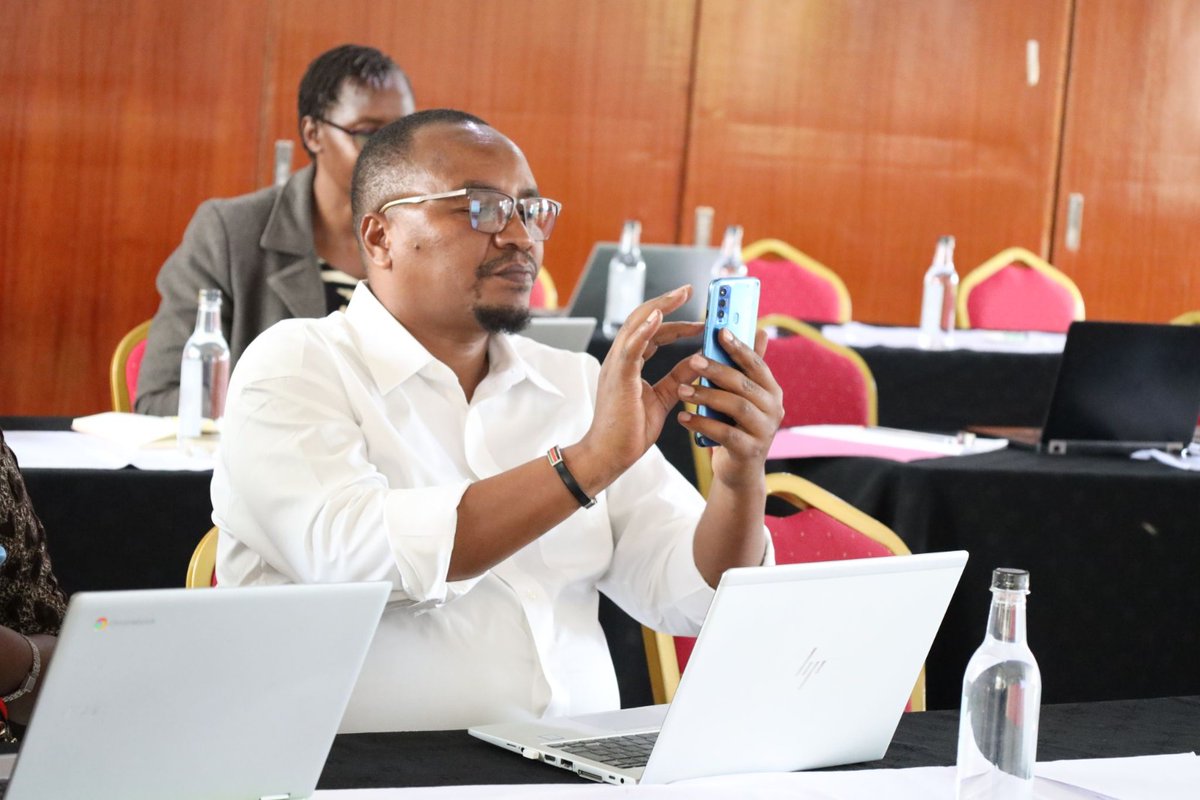
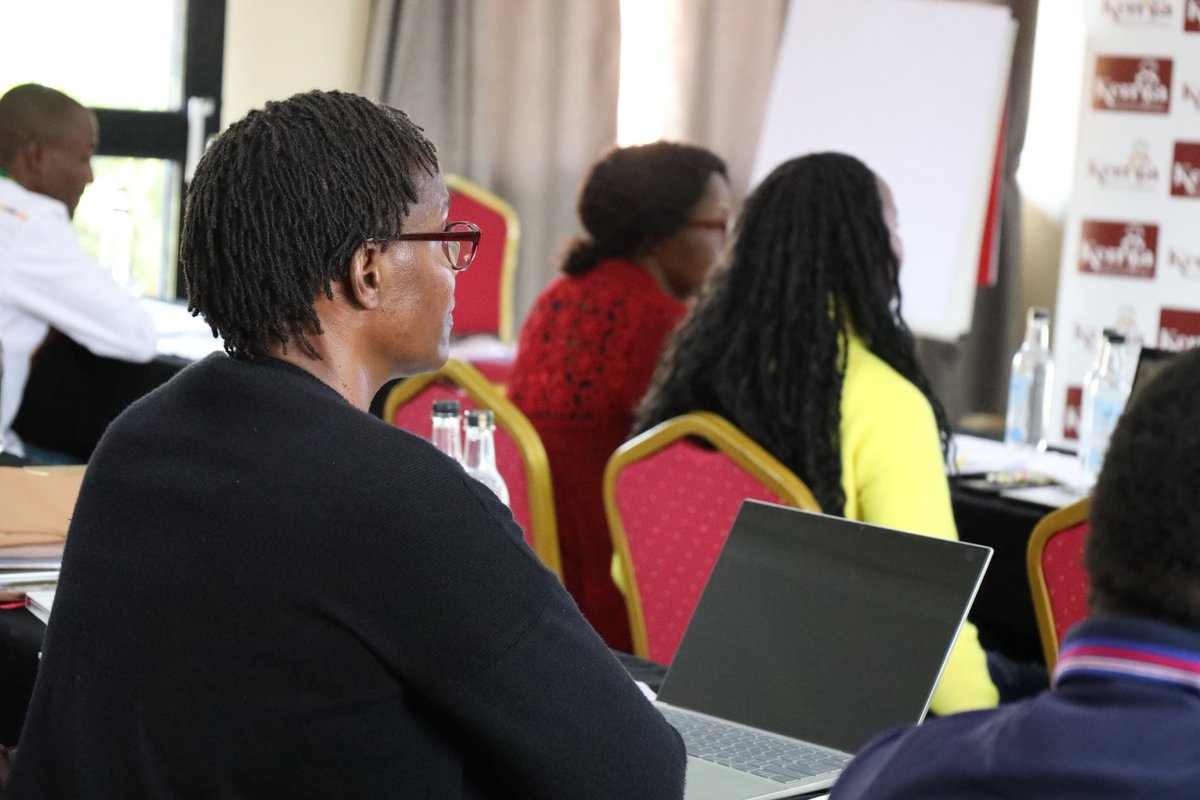
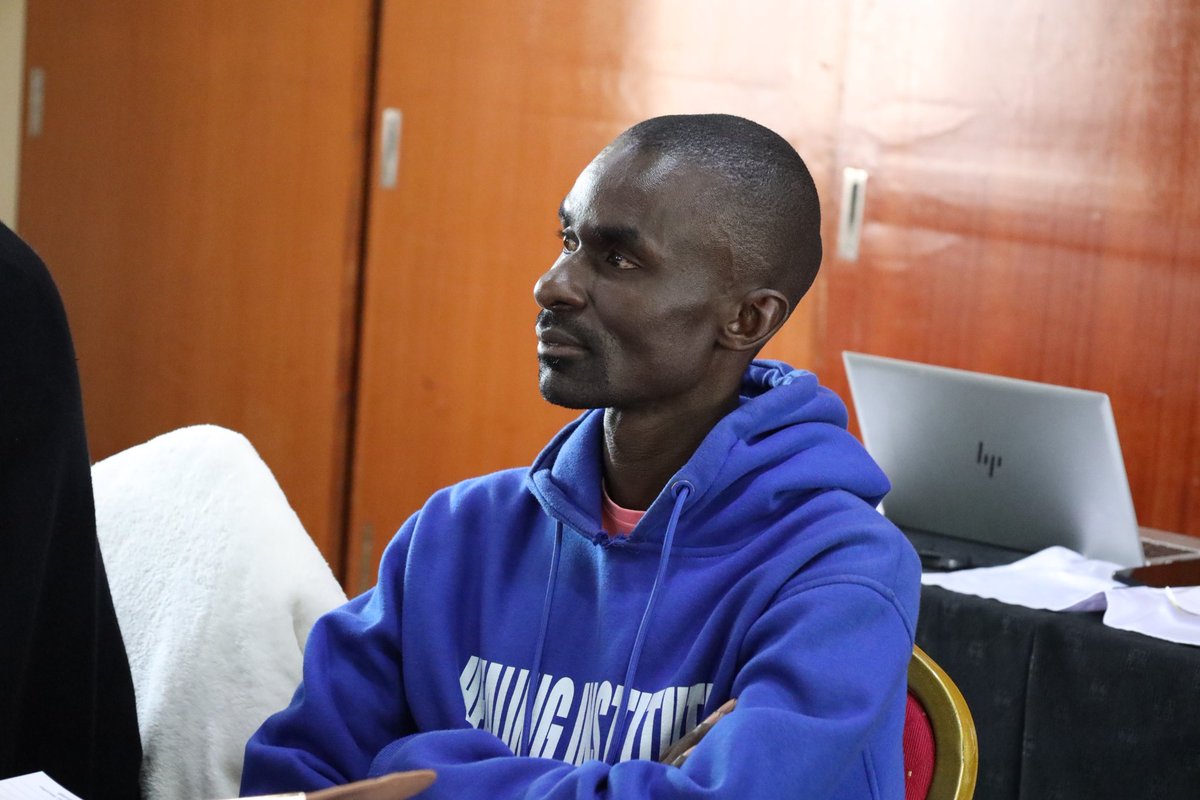
The final session of Day Two of the R2C Accelerator Programme, facilitated by Dr. Florin Kwamboka, CEO of Alpharise Network Ventures, equipped participants with practical strategies for building networks that support research commercialization and innovation growth. The session focused on helping innovators understand how strategic relationships can accelerate the journey from research and innovation to market adoption.
Participants learned that successful commercialization depends not only on strong research and innovative ideas but also on access to markets, capital, talent, industry expertise, and strategic partnerships. The discussion emphasized the importance of viewing networks as critical infrastructure that connects innovators to opportunities, resources, and collaborators.
Through interactive activities, participants mapped their innovation ecosystems, identified gaps in key value flows, and explored ways of strengthening relationships that can support commercialization. The session also highlighted the role of corporate allies, innovation hubs, research institutions, and regional networks in providing market access, credibility, technical support, and growth opportunities.
As the concluding session of the day, participants developed actionable plans for expanding their networks and identifying strategic partners. The engagement reinforced the importance of collaboration, stakeholder engagement, and ecosystem building in transforming innovative ideas into impactful and market-ready solutions.
Research to Commercialization (#R2C) Accelerator Programme | Cohort 4 |Innovation Pitch Session
The final session of Day 4 of the Research to Commercialization (R2C) Accelerator Programme featured a five-minute innovation pitch exercise, allowing participants to showcase their innovations and receive feedback on their commercialization potential.
Facilitated by Philip Gondi, Sonia Claire Awino and Yvonne Njeri, the session focused on helping innovators communicate their value proposition, market opportunity, and scalability to potential investors and partners.
The innovators presented diverse solutions addressing challenges across health, agriculture, energy, education, and technology,
Research to Commercialization (#R2C) Accelerator Programme | Cohort 4 | Week 2, Day 4 |
Strong financial management is a critical pillar of successful commercialization, yet it is often overlooked by innovation-driven ventures. To address this gap, the first session of Day 4 of the Research to Commercialization (#R2C) Accelerator Programme focused on Accounting for Innovators, facilitated by Dennis Maloya, CEO of Métier Matrix.
The session introduced participants to accounting fundamentals and its role in building sustainable, investment-ready businesses. The discussion highlighted how effective accounting supports decision-making, resource management, regulatory compliance, and business growth.
Building on this foundation, participants explored key accounting concepts, including the different types of accounting and the principles that guide effective financial management. The discussion highlighted how accurate financial records contribute to better pricing strategies, efficient resource allocation, stronger operational performance, and improved fundraising outcomes. Participants were also guided through the accounting equation, Assets = Liabilities + Equity, gaining a clearer understanding of how assets, liabilities, and owners’ equity shape a venture’s financial position.
The session concluded with a practical reminder that commercialization success depends not only on the strength of an innovation but also on the ability to manage finances effectively. The innovators were encouraged to establish proper accounting systems early to improve accountability, attract investors, and support sustainable business growth.
#EnablingInnovations #researchtocommercialization
A great pitch is not just about what you say, it is about the story you tell.
R2C Cohort 4|| Day 5
The first session kicked off with an insightful and engaging pitching recap led by Yvonne Njeri, equipping participants with the essential skills needed to communicate their ideas with clarity, confidence and purpose.
Here are the key highlights:
1. A winning pitch must have five essential elements, a clear problem statement that articulates who is suffering and why it matters, because no problem means no pitch. It must have a compelling solution that is simple, specific and memorable. It must demonstrate evidence and credibility through data, user feedback or a prototype tested against reality. It must show a viable business or impact model that answers who pays, who benefits and how it scales. In addition, it must close with a bold, specific ask because vague asks get vague responses.
2. Strong presentations builds trust and engagement. Body language communicates confidence before you even speak and your presence matters as much as your words. Participants were guided on posture, eye contact and presence standing tall with open posture, maintaining steady eye contact and ensuring calm posture creates authority. On gestures and movement, participants learnt to use natural hand gestures to reinforce points, match facial expressions to their message and move with purpose. On managing nervous habits, the key takeaways were to slow down speech, reduce filler words, avoid fidgeting and practice by recording yourself.
3. Investors do not just invest in ideas. They invest in business models that create, deliver and capture value. A strong pitch tells the full story in three acts; create value by showing the problem, the unique solution and the value created; deliver value by showing who your customers are, how you reach them and how you build relationships and capture value by demonstrating how you make money, your pricing strategy and why your model is sustainable and scalable.
#KeNIA #EnablingInnovation
Week 2 - Research to Commercialization (#R2C) Accelerator Programme | Cohort 4
The second session of the Research to Commercialization (#R2C) Accelerator Programme continued with an insightful engagement on “From Research Excellence to Commercialization Excellence”, facilitated by Kennedy Onyango, Grants and Resource Mobilization Specialist.
The session underscored the need to advance innovations from the prototype stage to scalable, investment-ready enterprises, highlighting the importance of strengthening commercialization pathways within Kenya’s innovation ecosystem.
A key focus of the discussion was the persistent gap between research output and market uptake. While Kenya has recorded a steady increase in patent filings, commercialization outcomes remain limited. This is largely attributed to weak academia–industry linkages and incentive structures that continue to favour academic publication over market-oriented innovation.
To address this gap, participants were introduced to structured commercialization frameworks designed to enhance scalability, market readiness, and investment preparedness. The session also featured group discussions, where participants exchanged insights and explored practical applications of the concepts covered.
Key Highlights Included:
📷 The Five Pillars of Commercialization Growth: Market, Product, Finance, Partnerships, and Scale as a holistic framework for scaling innovations.
📷 Business Forecasting Approaches: A structured methodology for projecting target markets, adoption rates, and 3–5year growth trajectories.
📷 Scalable Financial Modelling: Shifting from static budgeting to dynamic tracking of gross margins, monthly burn rates, and financial runway.
📷 Commercialization Pathways: Exploration of seven routes, including start-up formation, venture building, licensing, spinouts and technology transfer models.
#EnablingInnovations, #ResearchtoCommercialisation
Week 2 - Research to Commercialization (#R2C) Accelerator Programme | Cohort 4 |
"Most innovations don't fail because the technology is poor. They fail because customers don't see enough value."
Today's Research to Commercialization (#R2C) Accelerator Programme engagement concluded with an insightful discussion on Marketing for Commercialization, facilitated by @GeorgeMasilla , Communications Lead at the Kenya National Innovation Agency (KeNIA).
The discussion highlighted the critical role of marketing in transforming innovations into market-ready solutions. Participants were encouraged to view marketing not merely as advertising, but as a strategic process of understanding customer needs, creating value, communicating solutions, delivering impact, and generating sustainable returns.
Key Highlights Included:
✅ Understanding marketing as a commercialization and value-creation tool.
✅ Recognizing the importance of customer needs in innovation adoption.
✅ Exploring Technology Push and Market Pull innovation approaches.
✅ Developing compelling value propositions that communicate clear customer benefits.
✅ Understanding the differences between B2B and B2C marketing strategies.
✅ Leveraging trust, demonstration, referral, partnership, and content as drivers of market penetration and growth.
Research to Commercialization (#R2C) Accelerator Programme | Cohort 4 | Week 2, Day 2
What determines whether an innovation is successfully commercialized or remains an untapped intellectual asset?
The first session of Day 2 in Week 2 of the Research to Commercialization (#R2C) Accelerator Programme focused on Intellectual Property (IP) Valuation and Commercialization. Facilitated by @Leziro , Senior Patent Examiner at @kipikenya , the session unpacked how innovations transition from protected ideas to market-ready ventures through structured IP assessment and valuation.
Participants examined how Technology Readiness Levels (TRLs) influence commercialization potential and investor confidence. They also explored IP valuation approaches, including cost-based, market-based, and income-based methods.
The session also highlighted commercialization pathways such as licensing and spin-offs, alongside the valuation of patent portfolios and companies. Emphasis was placed on negotiation, the distinction between value and price, and strong documentation supported by credible, evidence-based data to protect and value intellectual assets.
Key Highlights Include:
📷 Clear distinction between IP evaluation (protectability) and IP valuation (commercial worth) in innovation decision-making.
📷 Role of Technology Readiness Levels (TRLs) in determining maturity, investor confidence, and commercialization readiness.
📷 Application of cost-based, market-based, and income-based valuation methods across different contexts.
📷 Importance of commercialization pathways, including licensing, spin-offs, and investment structuring.
📷 Influence of IP protection, patent portfolios, and structured documentation on commercialization outcomes.
📷 Strategic role of negotiation in bridging the gap between perceived value and actual price.
#EnablingInnovation #researchtocommercialisation
Research to Commercialization (#R2C) Accelerator Programme | Cohort 4 | Week 2, Day 2 | Commercialisation Journey
The final session of Day 2 in Week 2 of the Research to Commercialization (#R2C) Accelerator Programme focused on the Commercialization Journey, facilitated by Dr. Monica Mburu, CEO of @Afyalishewell and a beneficiary of the #R2C Programme.
Drawing from her experience in building a company that harnesses the healing power of nature through innovative health food products, Dr. Mburu demonstrated how research can be transformed into viable business ventures through strategic execution. She emphasized formal company registration, strong brand development, clear understanding of customer needs, and defining a precise buyer persona to guide product design and market positioning.
Using Afyalishe Wellness Limited as a case study, she illustrated how product differentiation, improved packaging, competitor analysis, customer feedback, and market engagement drive commercialization success. Participants were encouraged to showcase their prototypes, embrace constructive criticism, and continuously refine their innovations.
She further challenged innovators to diversify products and revenue streams, stressing that adaptability, persistence, and customer-centric thinking are essential for long-term sustainability and competitiveness.
#EnablingInnovations #researchtocommercialisation
Research to Commercialization (R2C) Accelerator Programme | Cohort 4 | Week 2, Day 2
Transforming scientific research into market value requires structured commercialization pathways, effective intellectual property management, and strong collaboration between academia, industry, government, and society.
Delivered virtually, the session featured Dr. Solomon Omwoma Lugasi, who guided participants through the practical realities of managing intellectual property and navigating commercialization frameworks, highlighting how strategic IP decisions can unlock pathways for research-driven innovations to reach the market.
Participants gained practical insights into intellectual property management, technology transfer, and commercialization strategies that support the successful transition of research innovations into the marketplace.
Key Highlights
📷 Market-Pull Approaches: Examined the shift from traditional linear innovation systems to collaborative models such as the Triple and Quadruple Helix, which strengthen linkages between research, industry, government, and society.
📷 The Equity Equation: Highlighted the importance of founder-friendly institutional equity structures that enhance investability and support venture growth.
📷 Commercialization Pathways: Explored key considerations for choosing between technology licensing and the creation of spin-off companies.
📷 Legal Foundations: Emphasized the role of the Invention Disclosure Form (IDF) as a critical instrument for establishing ownership, protecting intellectual property, and enabling commercialization.
📷 Risk and Governance: Discussed conflict-of-interest management, institutional safeguards, and legal provisions that support responsible technology transfer and commercialization.
#EnablingInnovations #researchtocommercialisation
If you're an Arsenal fan and never got the chance to watch Arsenal's trophy lift, you can relive all 44 minutes of Arsenal's title winning celebrations here 😍
On this matter of UTUMISHI GIRLS ...
I can't stop asking myself questions about these 8 girls. When they were arranging those mattresses in the dormitory, putting turpentine and later lighting fire, did it click in their minds that some students were going to lose their lives as a result?
Or what did they expect as the outcome?
Inauma sana 😢 People have cried in this school. God.
R2C Cohort 4|| Day 4
The last session was led by Joram Mwinamo, CEO of @SNDBX_space Ubuntu , who shared powerful insights on the entrepreneurial journey and the challenges researchers face when turning ideas into businesses. He highlighted the common mistakes startups make building in isolation without engaging customers, seeking perfection in the MVP, trying to do too many things at once, or falling in love with the product rather than the customer problem. Joram Mwinamo emphasized that true success comes from listening to customers, validating ideas and adapting quickly. He concluded by addressing the hurdles researchers encounter in selling, gaining traction, managing administration, attracting talent, ensuring compliance and mobilizing capital. To overcome these, he encouraged innovators to maintain research rigor while applying lean startup methodology, balancing structured inquiry with agile product development.
#KeNIA #EnablingInnovation