Excellent example of a straightforward gap in the market.
You can rinse and repeat this sort of thing in every niche, for every vertical, and make quick money. Big business or small.
In July we open-sourced a dynamic graph of everything a child learns in primary school. 1,590 concepts, 3,221 dependencies.
Now we’re turning every concept into interactive experiments kids can play and learn from.
First one, age 7: heat and water.
Everything that used to be a boring textbook can now be an engaging experience, potentially tailored to every child.
Kids education just got a massive upgrade.
Introducing Microsoft-Decision-1, our new model for fast decision-making.
It delivers top performance on structured decision tasks, outperforming both LLMs and other decision models in latency and quality.
We’re already testing it across Microsoft for everything from incident response and quality control to scientific discovery.
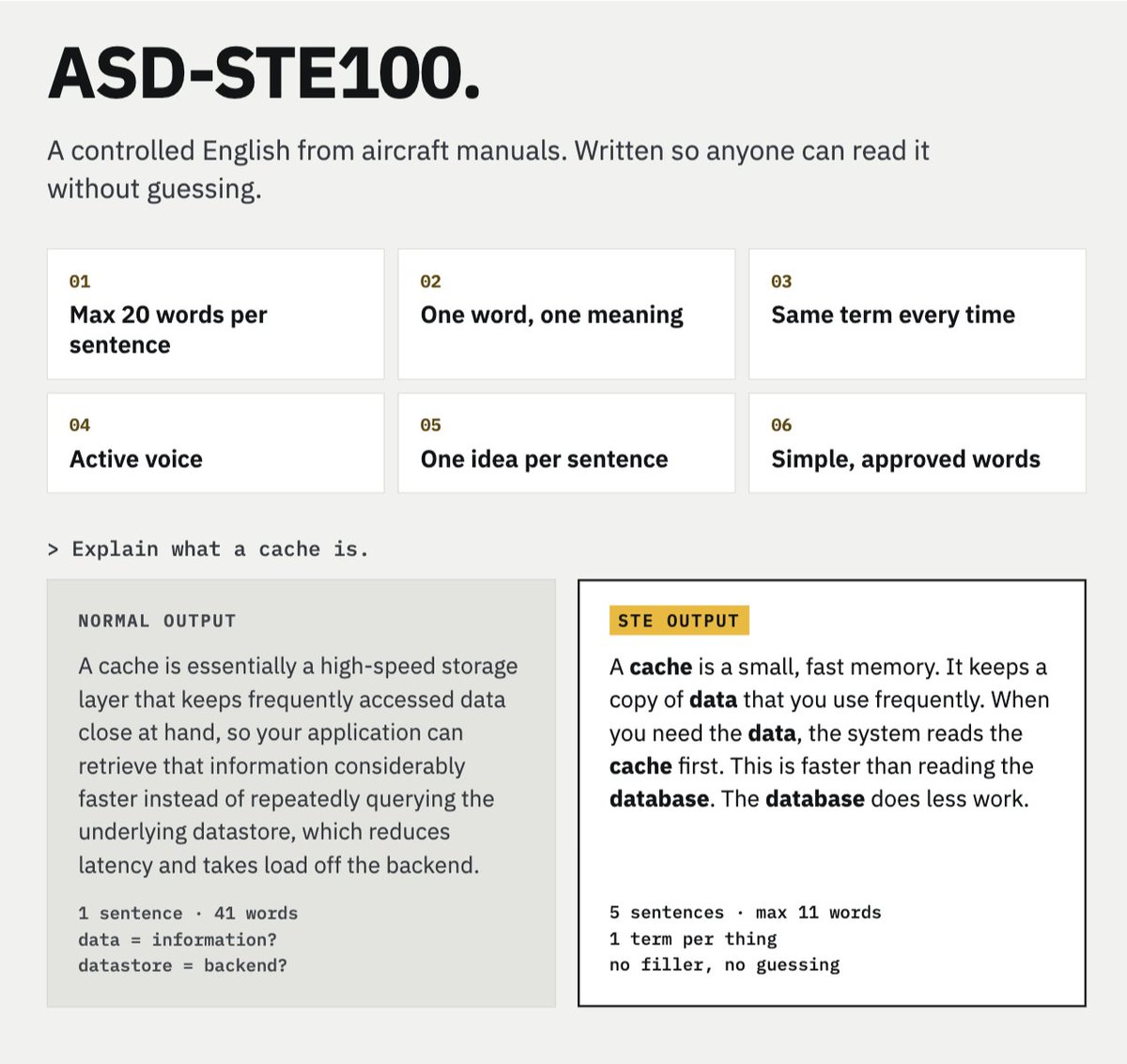
Dr Karpathy tweeted about this yesterday... First time I heard about "ASD-STE100".
Asked Claude to explain what it is in an HTML...
Its really cool that this style of writing has a name!
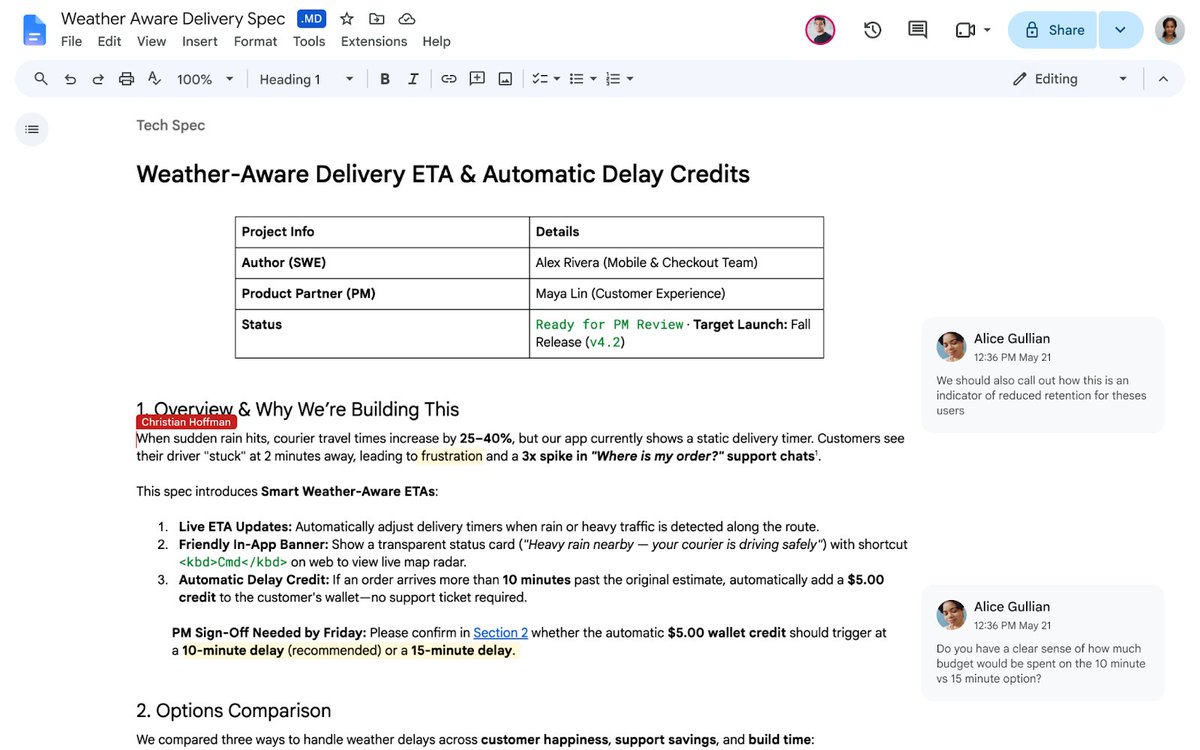
We are making Markdown files work natively across Google Drive and Docs.
You can now preview .md files in Drive, open them in Docs, edit them, comment on them, and collaborate without converting the file into a Google Doc!
Uber publicó cómo armó su infraestructura de MCP y hay varias ideas muy buenas acá.
imaginate una empresa con miles de servicios internos y muchos equipos conectando agentes a esos sistemas por su cuenta.
cuando eso empieza a crecer, terminás con tooling fragmentado, infra duplicada, distintas formas de exponer tools y poca consistencia en seguridad, discovery y operación.
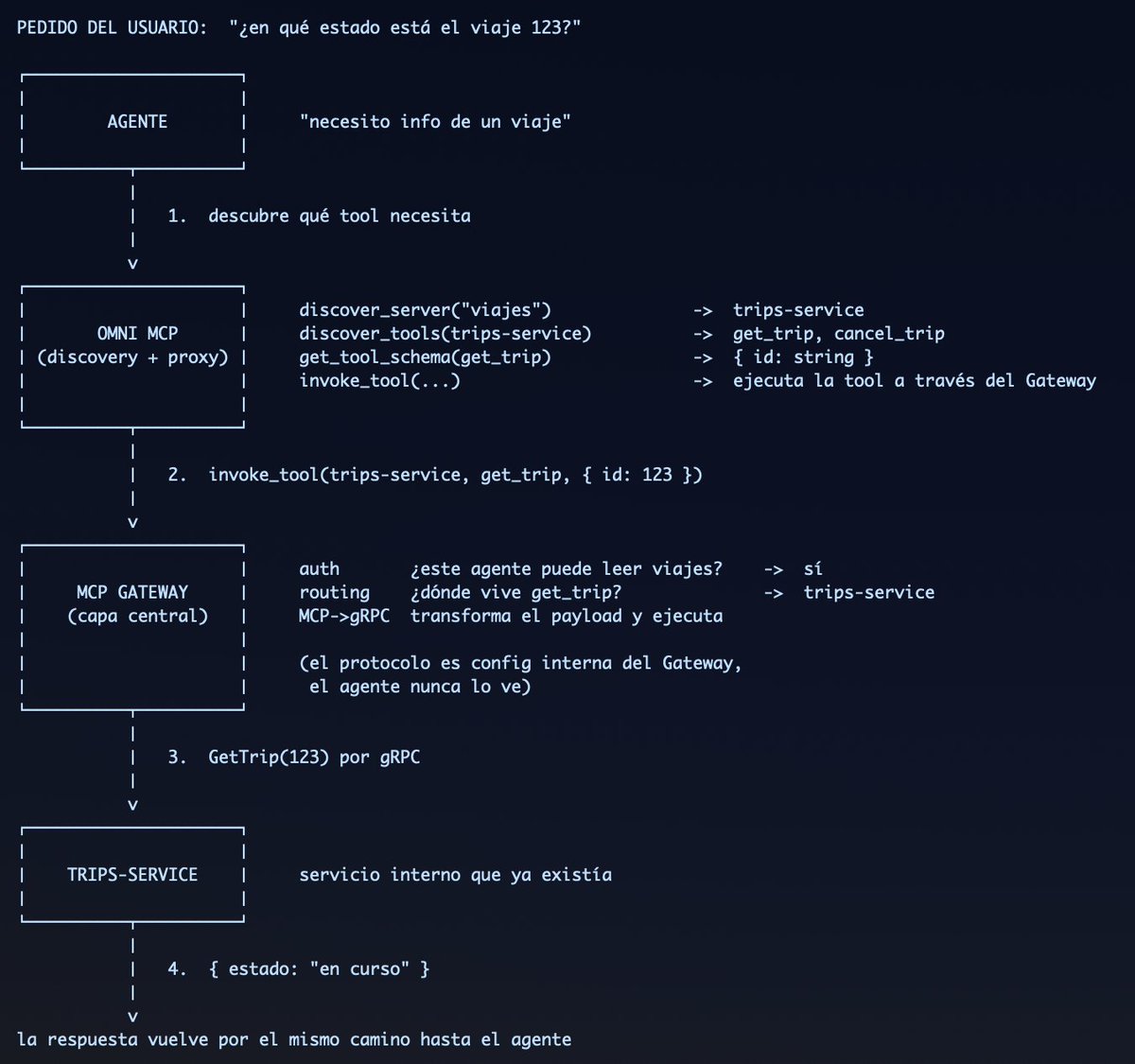
por eso Uber hizo un MCP Gateway: una capa central entre los agentes y sus servicios internos.
el agente habla MCP y el gateway se encarga de routing, permisos, ejecución y de traducir las llamadas a HTTP, gRPC o TChannel según corresponda.
como Uber ya tenía miles de APIs internas, también hicieron AutoCrawler: recorre sus definiciones, detecta métodos y schemas y genera MCP tools automáticamente. incluso usan un LLM para mejorar las descripciones.
hoy tienen +800 MCP servers y +5000 tools. y ahí aparece otro problema: no podés cargar todas esas definiciones en el contexto del modelo.
para eso crearon Omni MCP. en vez de pasarle miles de tools al agente, este va descubriendo qué server necesita, qué tools tiene disponibles, carga el schema de la correcta y recién ahí ejecuta.
me parece un muy buen ejemplo de cómo cambia la arquitectura cuando los agentes pasan de usar unas pocas tools a trabajar con miles.
terminás necesitando algo muy parecido a un API Gateway para agentes.
I gave various AI the following prompt:
"This is your free time. Do whatever you like. The only condition is that you do something. Come back and tell me about it, explain what you found out, or show me what you made if you decide to make something."
Here's what they did...
I fucking love people who become more themselves with age. Stranger taste. Clearer boundaries. Louder laugh. Less interest in impressing random people. Watching somebody slowly stop auditioning for the world is fucking beautiful.
Figure paid 44,000 people $15 million to film themselves doing chores. That footage just taught a robot to make beds in 30 houses it had never entered.
The dataset is called Index. People in 108 countries upload first-person video of everyday tasks, 30 minutes of footage arriving every second, and Figure pays them for it. Helix 2.5 was pretrained on all of it before it ever touched a task.
The controlled experiment is the whole story. Figure trained two identical policies on the same task data. The one starting from random weights succeeded 9% of the time in unseen homes. The one pretrained on Index hit 56%. Same robot, same tasks, same fine-tuning. The only variable was watching humans.
Bed making landed at 67%. Towel folding 62%. Tidying toys, the messiest job, 40%. All in rented homes the robot had zero data from, using whatever couches and bedding were already there.
Figure also says transfer improved so smoothly with data that they forecast their largest run's final loss to four decimal places before training started. That's the same predictability that made GPT models scale. It now applies to physical movement.
Which explains the $3.5 billion of compute Figure just committed. Helix 2.5 matched its previous model with half the task-specific data across 30x more environments. The bottleneck shifted from robot hours to human video.
Every clip of someone loading a dishwasher is training data now. Figure just proved it's worth paying for.
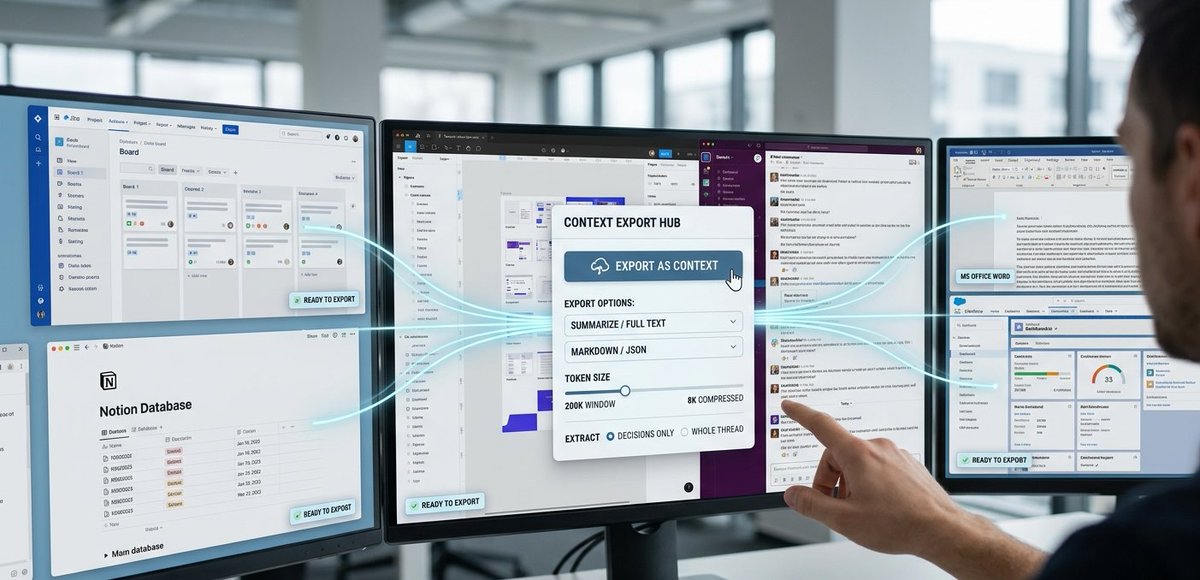
"Export as context" should already be a button or feature in most tools and products. Native. Like one-finger double-tap zoom in Google Maps.
"Export as context" might become the GenAI equivalent to "save as PDF".
How much time do you spend on context smithing external files?
Everything is a wrapper
A restaurant is a wrapper of a butcher which is a wrapper of a cow which is a wrapper of grass which is a wrapper of photosynthesis which is a wrapper of the sun
We have three cool announcements today:
(1) @OpenAI is launching commerce in ChatGPT. Their new Instant Checkout is powered by @stripe.
(2) We're releasing the Agentic Commerce Protocol, codeveloped by Stripe and OpenAI.
(3) @stripe is launching an API for agentic payments, called Shared Payment Tokens.
It's clear that internet purchasing modalities are going to change a lot, and we're excited to start to lay some of the foundations.
Links below!