Managing a team isn't just a promotion.
It's an entirely new craft.
New mindset. New skills. New systems.
Lead your team. Manage your boss.
We've got a free 30-min Lightning Lesson to help.
Managing Up With AI: From Super IC to Trusted Leader
https://t.co/hhSfN1eDQx
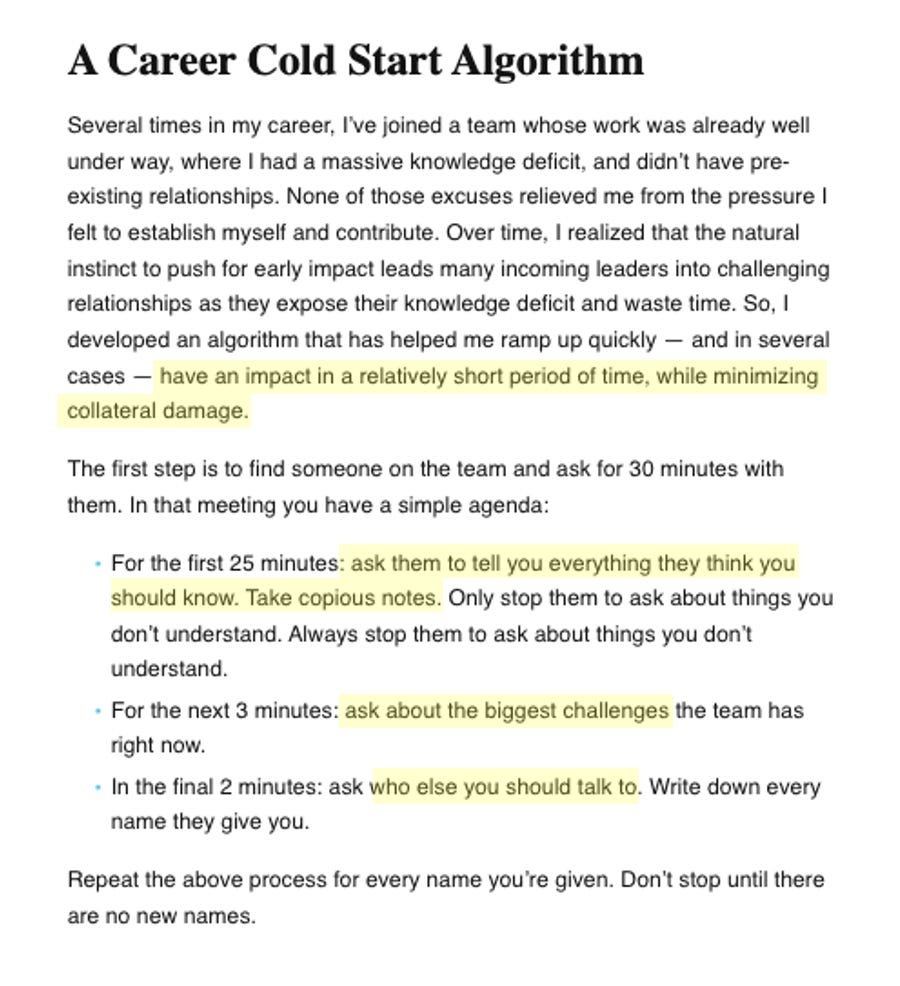
Your reputation arrives before you do. Every room you've never been in already has a version of you based on what the last person said. That version is built entirely on small moments. The email you returned. The deadline you kept. The gossip you didn't participate in.
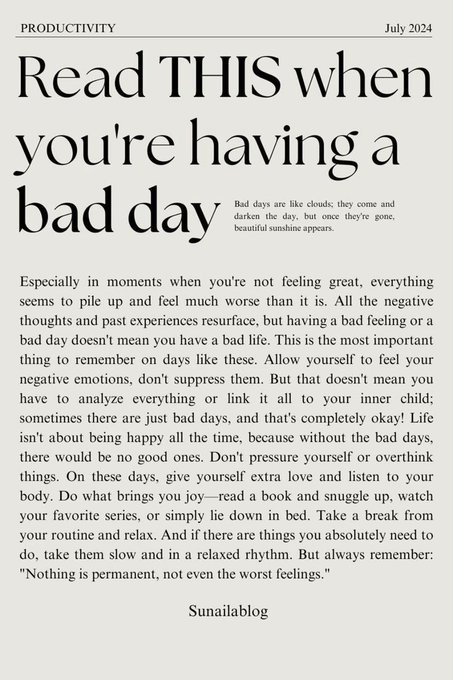
The biggest cheat code on the planet is the ability to be in a good mood regardless of what's going on in your life. Not letting external events dictate how you feel is a skill we can learn. If you can train yourself to be in a bad mood you can train yourself to be in a good one.
THE JOB MARKET IS ABOUT TO GET WEIRD.
And most people are not prepared for what is coming.
Companies in 2026 are not looking for data scientists.
They are not looking for ML engineers.
They are not looking for people who can build models from scratch.
THEY ARE LOOKING FOR AI NERDS.
The person who walks into a meeting, sees a 4 hour manual process, and kills it in 10 minutes with Claude Code and LLMs.
The person who refuses to do anything manually twice.
The person who looks at every repetitive task and asks one question:
Why is a human still doing this.
That mindset is worth more right now than a machine learning PhD.
More than five years of Python experience.
More than any certification from any university.
THE NEW VALUABLE SKILL IS NOT TECHNICAL.
It is a refusal to accept inefficiency.
The people who develop that refusal this year will be completely unemployable in the old way and completely irreplaceable in the new one.
Which side of that line are you on.
Rules Quietly Followed By People Who Last Long In Corporate!!!!!
1. They never put anything in writing they would not want forwarded to the entire leadership team.
2. They build relationships during calm periods so they have real allies when the storms arrive.
3. They never speak negatively about a former employer in any room, no matter how justified it feels in the moment.
4. They know the difference between being busy and being productive and they ruthlessly protect their time for the latter.
5. They always make the person above them feel informed, never surprised.
6. They treat the receptionist, the intern, and the janitor with exactly the same respect they give the CEO. Without exception.
7. They keep a private record of their own accomplishments because no one else will remember them accurately at review time.
8. They know when to speak, when to listen, and when to simply leave the room and let others exhaust themselves.
9. They never make an enemy they do not absolutely have to make. Even difficult people are managed, not confronted unnecessarily.
10. They always have an updated resume, an active network, and enough financial runway to walk away if the situation demands it.
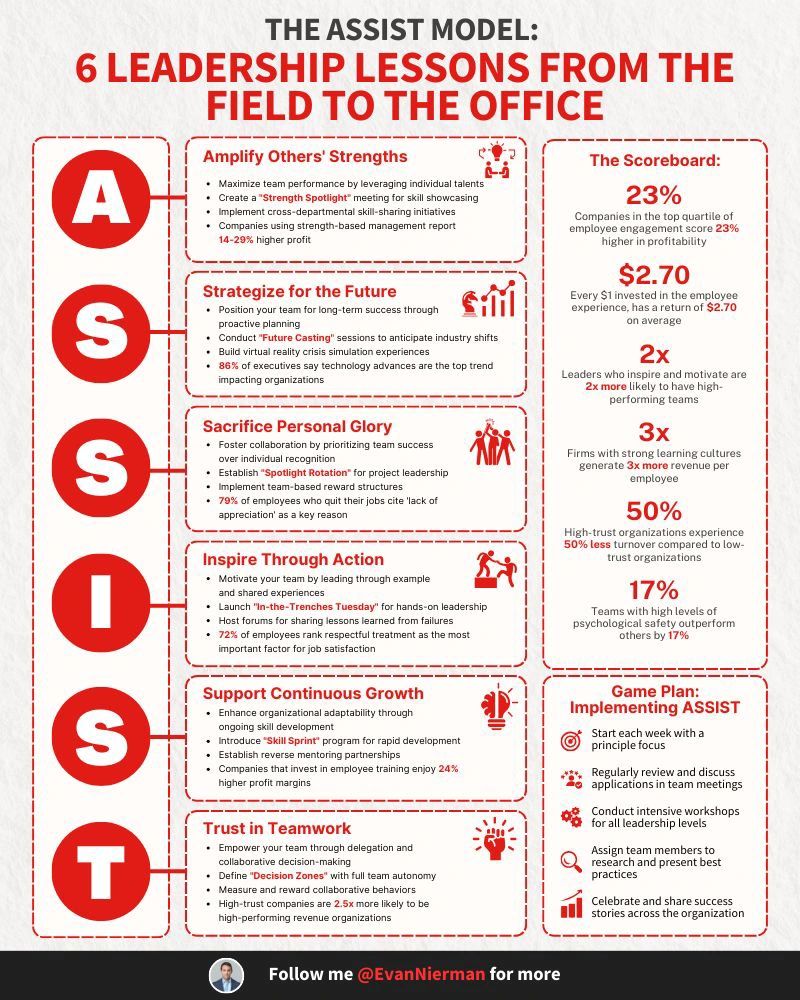
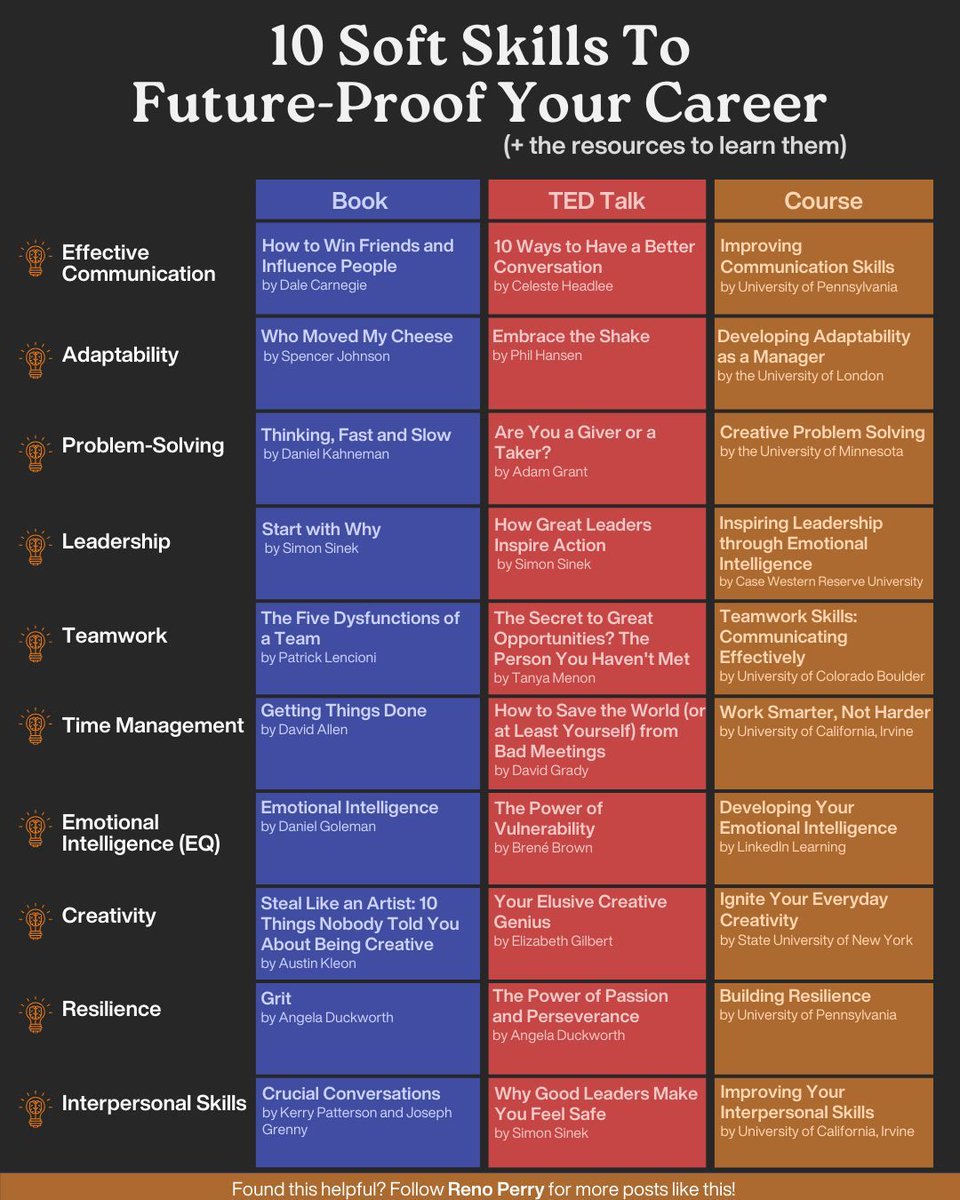
Hard truth: You don't start magically leading when they give you a title. You lead and the title eventually catches up. The good news? Anyone can do it. It's how you show up. How you treat people. How you deliver. Start with these 9 skills:
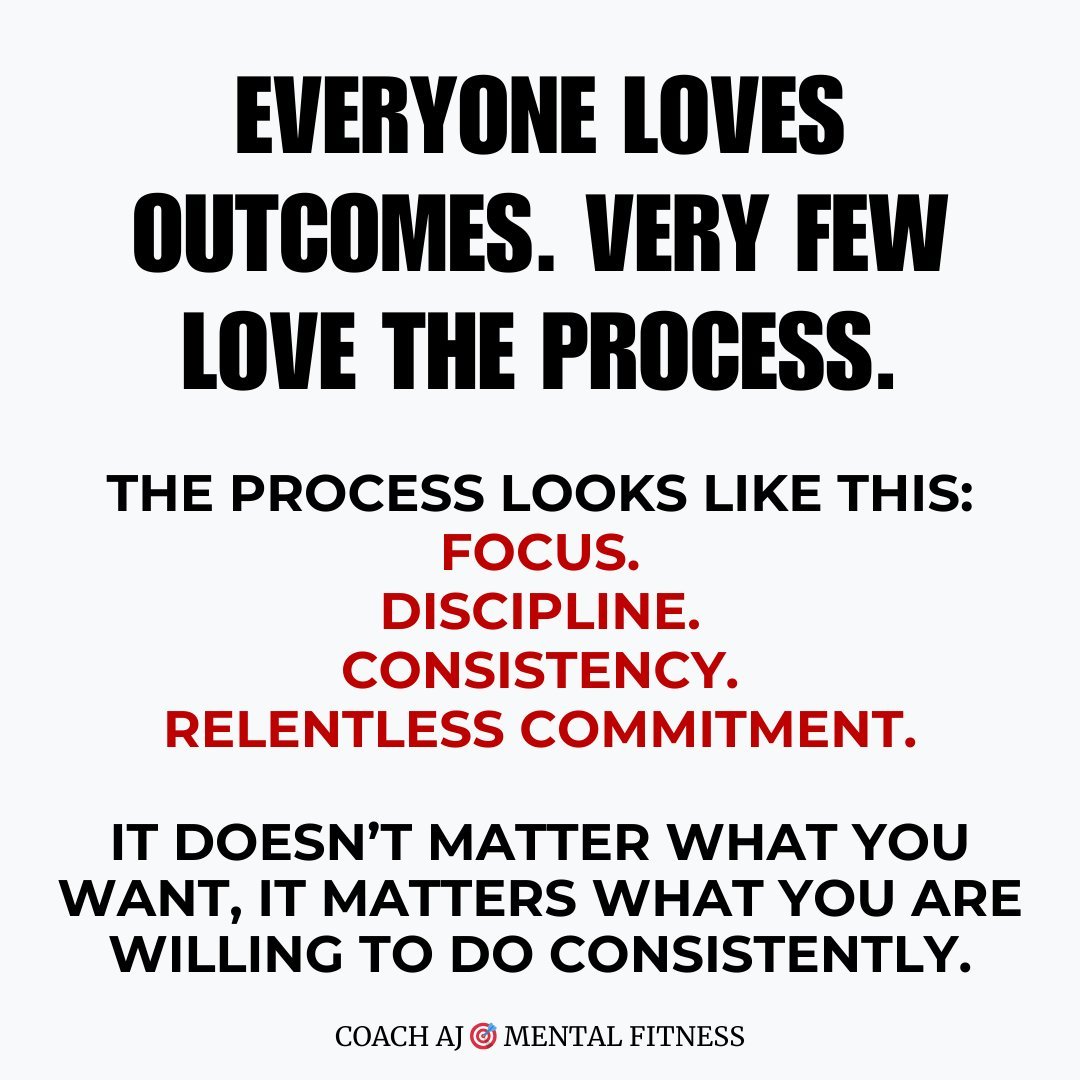
@thewinningdiff1 Winning comes from your habits and what you are willing to consistently do.
This is why everyone emphasizes that you need to the focus on the inputs and the process.
"We are not trying to repeat an outcome.
We are trying to repeat a process."
You don’t build dynasties by chasing results.
You build them by mastering the habits that produce them.
The scoreboard only reveals what the process already decided.
The best CEO advice I received throughout my career:
• trust must be #1 business core value
• customer service is not a department
• sales is the hardest job in any company
• customer focus > competitor focus
• agency (can do) > intelligence (IQ)
• adopt a beginner’s mindset - experts are lifelong learners
• tactics drive strategy - adapt faster
• always try to add value and be helpful
• own it and never point fingers
• influence > authority
• learn and use people’s names
• show up when it matters most to your customers
• earn a seat next to your customer, not across from her
• our job is to educate and inspire
• we are all in sales
• stay accessible, curious and humble
• people do business with people they trust, respect and like
• if you are waiting for a title to lead, you are not ready to lead
• the language of business is finance
• there are no IT projects, only business projects
• pay your best people the very best you can
• hire people based on their good judgment and high rate of learning
• in a celebration lead from the back, in a crisis lead from the front
• you are not a team because you work together - you are a team because you trust, respect and care for each other
• to improve the customer experience, start with the employee experience
• you are not taller by making others look smaller
• revenue growth ahead of expenses
• remove bad apples quickly
• leave your desk and spend time with customers
• culture is what happens when the managers leave the room
• tactics drive strategy
• there is nothing more important than our customers
• if you are waiting for a better title to lead, you are not ready to lead
• business is personal - you can be decisive and also be kind, graceful and empathetic
• recognize effort but reward outcomes
• your company is only as good as the company you keep
• your brand is what people say about you when you’re not in the room
• learn to speak your customer’s language
• often remind people that their work matters
• a zero sum mindset limits your growth
• your company is only as good as the company you keep
• innovation opportunities are found at the edges, not centers (how your customers serve their customers)
After decades of working with leaders at companies like Apple, Salesforce, and Cisco, we've identified 4 storytelling techniques that consistently work to deliver important messages in high-stakes settings:
1. Start with the unexpected
Don’t begin your presentation with context. Instead, begin with the moment that makes people think, “Wait…what?”
Instead of something like:
“Here’s an update on our September campaign…”
Try starting with the most interesting detail:
“I broke our biggest marketing rule last month, and it worked.”
Lead with the surprise. You can add context later.
2. Let people feel the tension
After the surprise, don’t rewind to the beginning. Take your audience to the moment where things weren’t working.
Flat numbers.
Missed goals.
Stalled progress.
Instead of:
“The campaign was underperforming, and our team went back to the drawing board.”
Try:
"We were two weeks out from the end of the quarter. The campaign wasn’t producing results, and the team was out of ideas. That’s when I decided to take a risk...”
You don’t need to explain the problem. You need to make people feel it.
3. Use real dialogue
When your audience hears what was actually said, they stop listening to you and start visualizing the moment. This helps them connect emotionally with what you’re saying.
Instead of:
“The campaign manager said team morale was low and they were struggling to find a solution.”
Try:
“My campaign manager pulled me aside in the hallway and said, ‘We’ve tried everything. The team has been working overtime, and we don’t know what else to do.’”
Dialogue brings listeners into the moment with you. It makes the story real.
4. Share the lesson
Never assume people will infer the meaning you intended.
End your story by answering:
- What does this mean?
- How should someone act differently now?
Example:
“Breaking our biggest marketing rule helped us turn this campaign around and hit our numbers. I strongly suggest we revisit our marketing guidelines. We could be leaving a ton of revenue on the table.”
Without the lesson being clear, even a good story feels unfinished.
These are the same techniques we teach to our clients at Duarte. Try them out during your next presentation and watch how people lean forward and tune in to your message
As a manager, my 1:1s were broken for years. I cancelled on my best people. Used the time as a live status report. Did most of the talking. I thought I was leading. I wasn't even managing. Here are 4 tests to know if your 1:1s are actually working...