Stay tuned for Issue 39 of Atar Magazine, coming shortly tonight from the Sudan Facts Center for Journalism.
Editorial
The fall of Al-Fashir to the Rapid Support Forces (RSF) was more than a military defeat. It was a revelation of how deeply Sudan’s institutions have eroded. As images emerged on October 28 showing RSF fighters entering the city, Sudanese society reacted with grief, fear, confusion, and in some places, celebration. This divide suggests a nation not only at war with armed factions, but at odds with itself.
Al-Fashir did not fall to a foreign army. It was surrounded by forces drawn from nearby cities: Nyala, Ad-Daein, Al-Jenaynah, reinforced by foreign advisors, advanced weaponry, and mercenaries from other continents. The use of military drones over Darfur marked a shift in the nature of the war: remote strikes, unseen operators, and technology previously unknown in Sudan’s conflicts. Why was Al-Fashir considered valuable enough to justify this level of violence and investment?
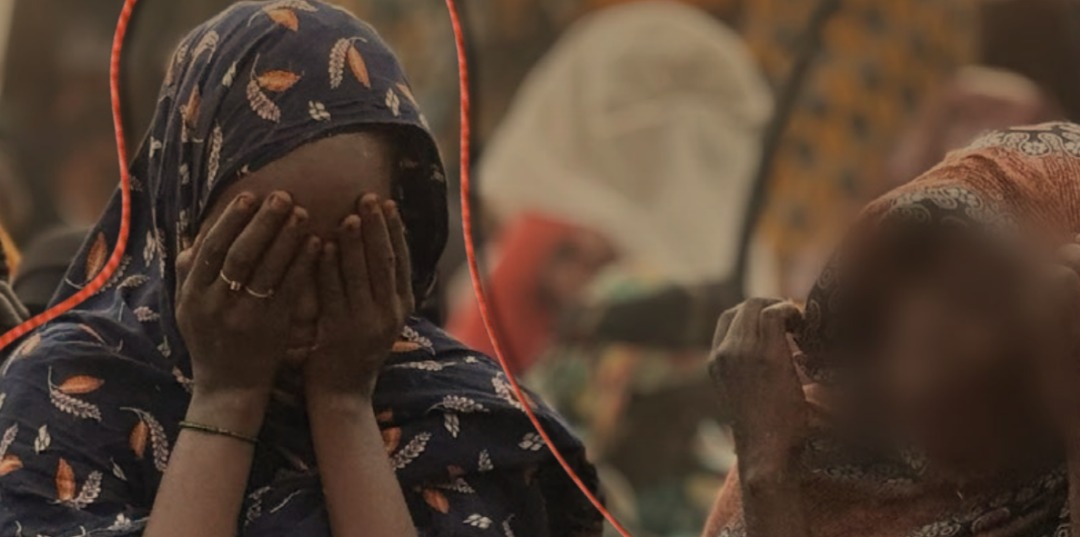
The RSF has framed its campaign as a fight against “Islamists” and the legacy of Sudan’s post-independence state. But Al-Fashir was not an Islamist base nor a refuge for political leaders. Its residents and soldiers of the Sixth Infantry Division refused to abandon the city, not out of ideology, but because they saw themselves as custodians of a place central to Sudan’s identity. Their refusal led to collective punishment: killings, sexual violence, and summary executions—some documented on camera by RSF fighters themselves. RSF commander Mohamed Hamdan Dagalo, known as Hemedti, later dismissed these actions as “uncontrolled excesses.”
The irony is that those claiming to dismantle Sudan’s old order were part of it. Hemedti served as Deputy Head of the Sovereignty Council, was a key figure in the transitional government, and before that, a security ally of former president Omar al-Bashir in Darfur, Kordofan, and Khartoum. His primary rivalry was never with Islamists, who were politically weakened or imprisoned, but with the Sudanese Armed Forces (SAF) itself, the institution he hoped to replace with his own force.
The battle for Al-Fashir also made clear that the war is no longer dictated solely within Sudan. While drones struck Darfur, delegations from the RSF and the SAF traveled to Washington for preliminary talks on a ceasefire. The United States, Saudi Arabia, the United Arab Emirates, and Egypt are pushing for a three-month truce and a framework for political negotiations. The same actors enabling the military escalation are now shaping the diplomatic process. Decisions about war and peace are increasingly influenced from abroad.
Drone warfare has altered the military balance. After suffering losses in conventional fighting, the RSF used drones to reassert reach, from Darfur to Khartoum and Port Sudan. The SAF, in response, is seeking advanced air defense systems from foreign suppliers. The war has become a marketplace: of drones, weapons, influence, and geopolitical leverage. Cities are not just battlegrounds; they are being economically and socially emptied.
The real danger is no longer the fall of a single city, but the collapse of the Sudanese state as an idea. When civilian protection is treated as secondary, and mass violence becomes a tool for negotiation or territorial gain, the war ceases to be political. It becomes a process of dismantling.
Today, Al-Fashir is more than occupied territory. It is a question: can Sudan still produce a political framework capable of holding the country together? Or has it entered a future governed by militias, foreign sponsors, and permanent fragmentation? What is at stake is not just control of land, but whether the very concept of Sudan can survive.
To receive a weekly PDF copy of the magazine, please send an email containing the word "أتر" or "Atar" to: [email protected]
بودكاست عن الألم، والمقاومة، والحب والدعم والروقان والمعافرة وإزاي الكاميرا ممكن تكون مراية ووسيلة نجاة.
الجزء الأول 👇🏻
https://t.co/RaBSvisEO8
#الأمومة#السينما#الجندر#ميديا
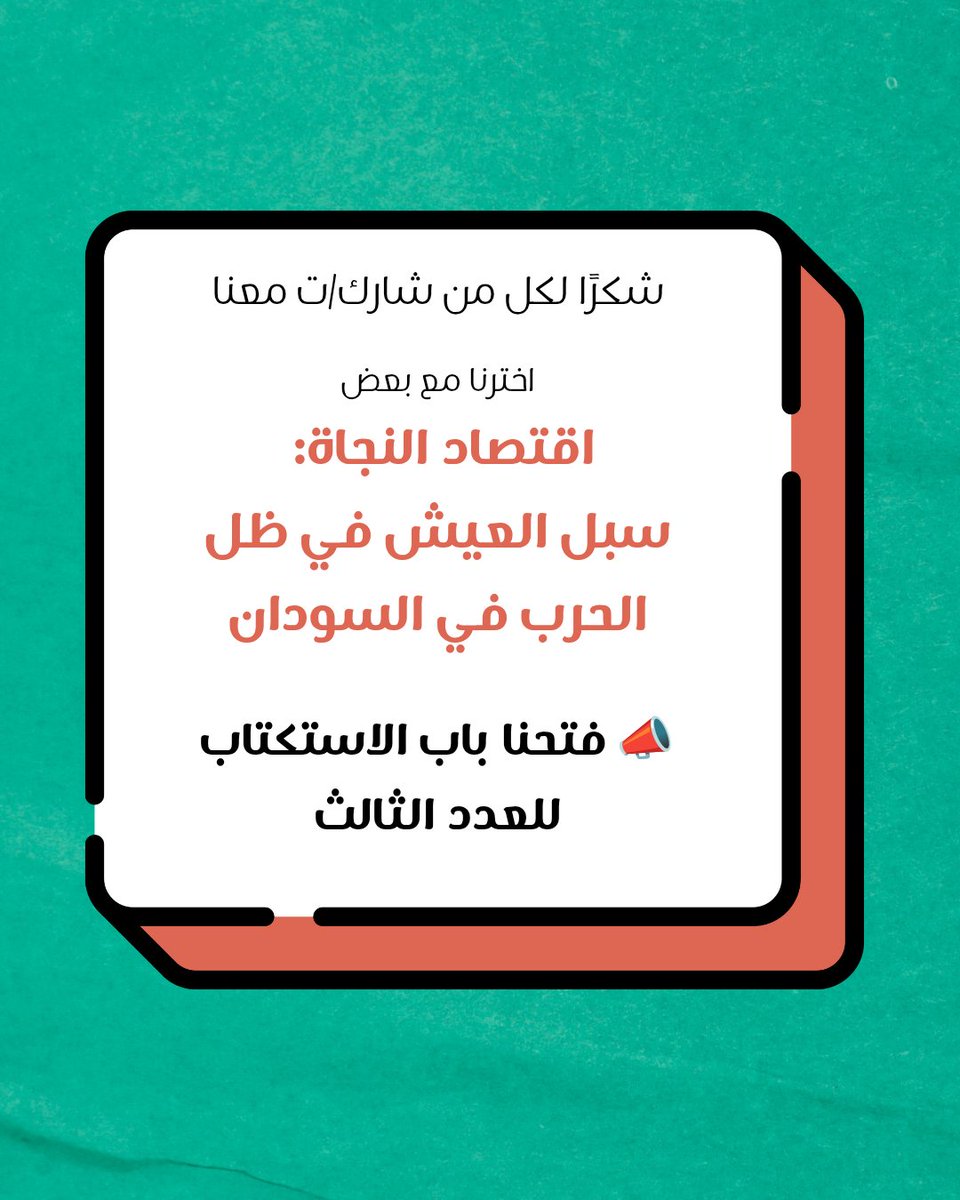
استكتاب العدد الثالث من فريدة
"اقتصاد النجاة: سبل العيش في ظل الحرب في السودان"
نأكل شنو؟ ونشتري من وين؟ دواء العيان؟ مواصلات النزوح؟ الفوط الصحية؟ نرجع بيتنا ولا لا و نعيش بشنو؟
مرحبا بالجميع...
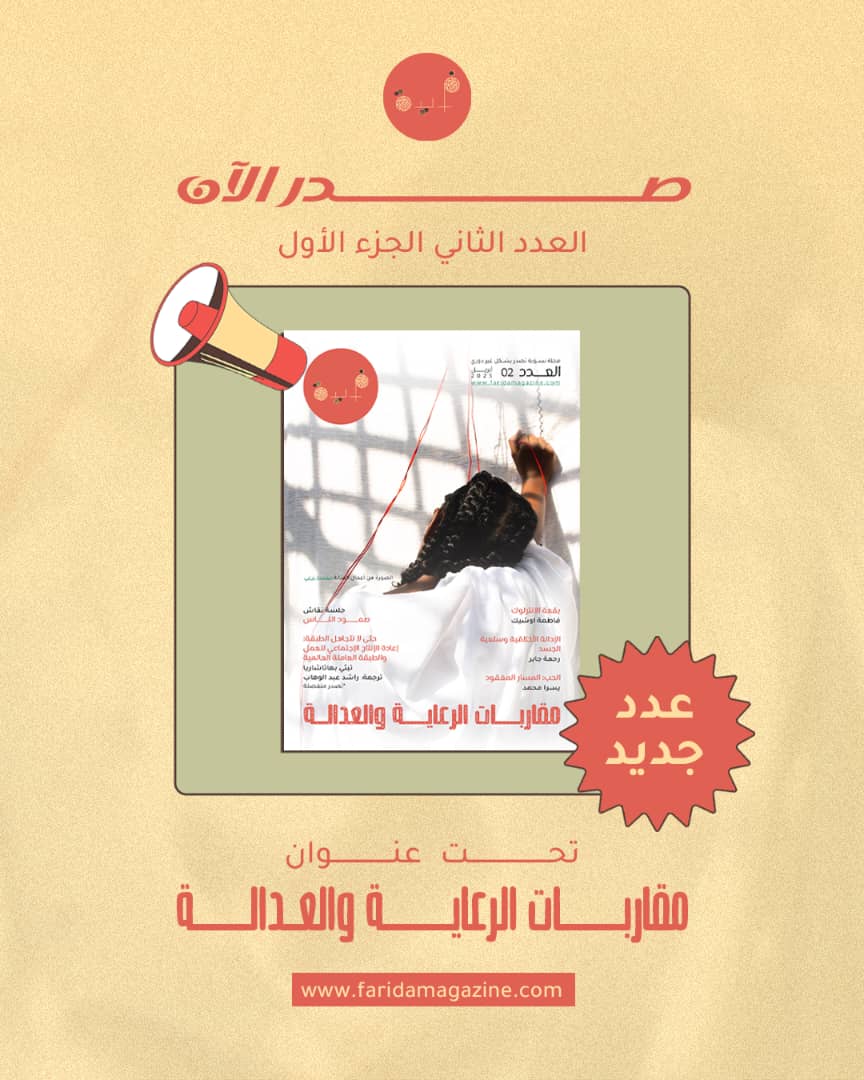
بينما مازلنا نعمل على الجزء الثاني من العدد الثاني من مجلة فريدة، والذي يواصل فحص "مقاربات الرعاية والعدالة".
نود التفكير معكن/م في ثيمة العدد الثالث من المجلة.
شاركن/و مع��ا في إختيار ثيمة العدد الثالث من مجلة فريدة النسوية. نفكر في اتجاهين:
بقعة لن تراها الدولة، فهي تتعاطى مع الدورة الشهرية والحيض كشئ لا يجب إدراجه ضمن ميزانياتها، و بالتالي بمثابة أسرار لا يجب أن تدرج في المناهج، ولا أن تستوعبها البنى التحتية وفق حساسية نوعية في أماكن العمل، والمدارس والمستشفيات.
ملف جراح الحرب الخفية، الصحة النفسية للنساء خلال الحرب
في هذا الجزء من المقالات، نستكشـف كيف تحـاول النسـاء إعـادة بنـاء مـا دمرتـه الحـرب داخـل عقولهـن قبل منازلهن، ولا يتعلق الأمر ف��ـط بالبقـاء علـى قيـد الحيـاة، بـل بالمطالبة بالحـق فـي الحـزن، والغضـب، والشـفاء
يشرع هذا العدد من "فريدة" في فضاءاتٍ جديدةٍ للتفكير النسوي، حيث تُعلّق "مقاربات الرعاية والعدالة" مصابيحها على أسئلةٍ طالما أُسقطت من حسابات القوة: كيف نعيد بناء مفهوم العدالة من منظور الرعاية التضامنية؟ وكيف نُترجم المعاناة اليومية إلى رؤى سياسية فاعلة؟
مركزة الرعاية والعدالة
ما الذي نراه عندما نكون محاطات/ين بالعنف من كل جانب؟
يأتي هذا العدد كعدد مزدوج، بين يديكن/م الان الجزء الأول منه، نحاول عبره التعرف على التحولات التي حدثت في حياة الناس مع الحرب، عن الأثر النفسي للحرب، عن تجارب الأمهات....
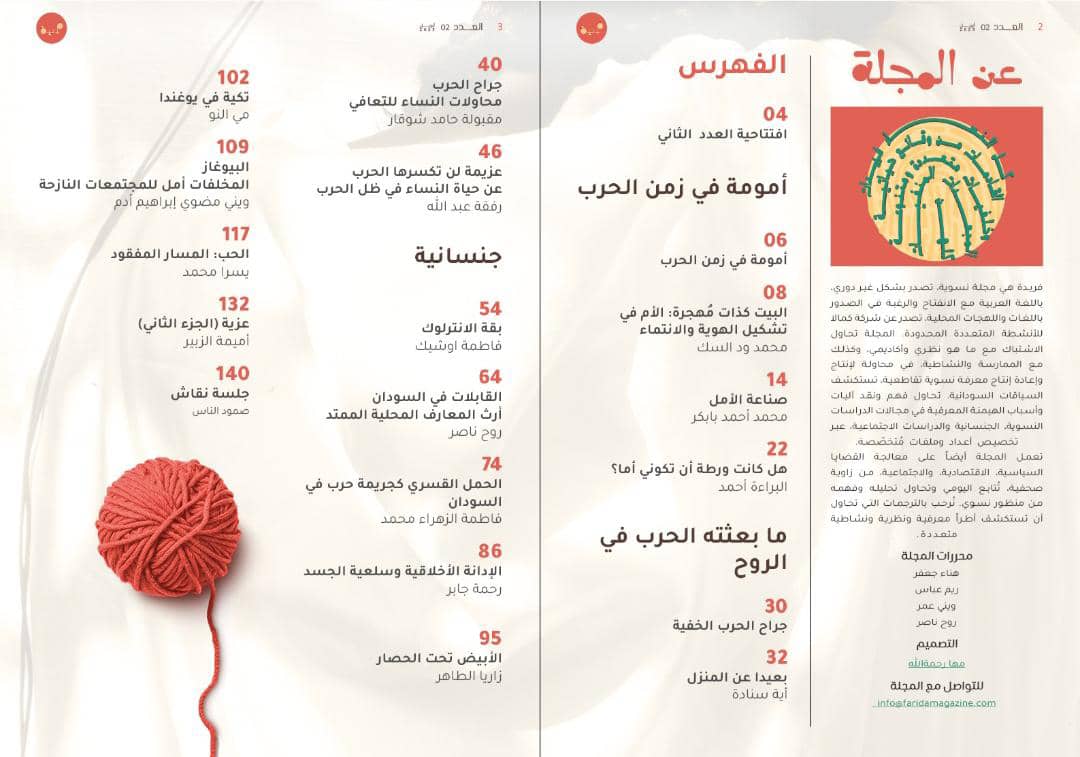
تطالعن/ون فهرس العدد الثاني من مجلة فريدة النسوية. يحاول هذا العدد أن يقول بأهمية انتاج المعرفة المكتوبة في سياق الحرب كإحدى مواقع المقاومة، عبر الكتابات التي ستقرأنها/ تقرأونها في ثنايا هذا العدد، يقول الكُتًّاب وتقول الكاتبات إن سياق العنف والموت هذا هو أيضا سياق للتضامن.
كلمة
سنةٌ من «أتَـر»..
ماذا حدث؟ وما الذي تعلمناه؟
مرحباً،
أمامكم العدد 49 من مجلة «أتَـر»، التي تأتيكم أسبوعياً من مركز فاكتس للصحافة. بهذا العدد نكون قد بلغنا السنة، وأيّ سنة؟ سنة ستُكتب في التاريخ تحت باب الحرب، والمعاناة، والنزوح، والتشرد، والمجاعة.
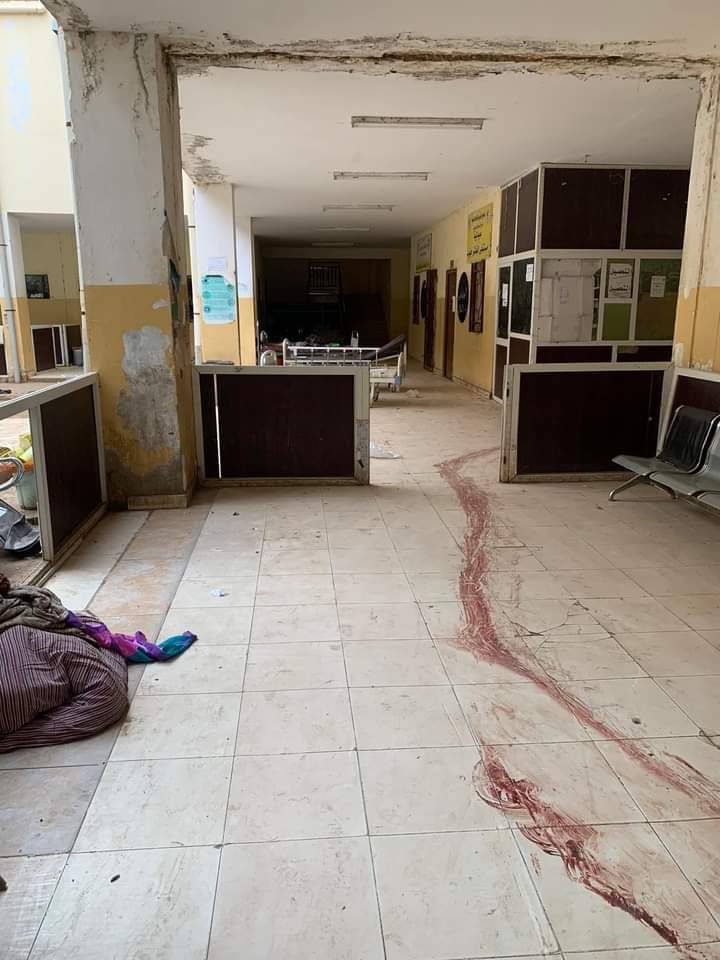
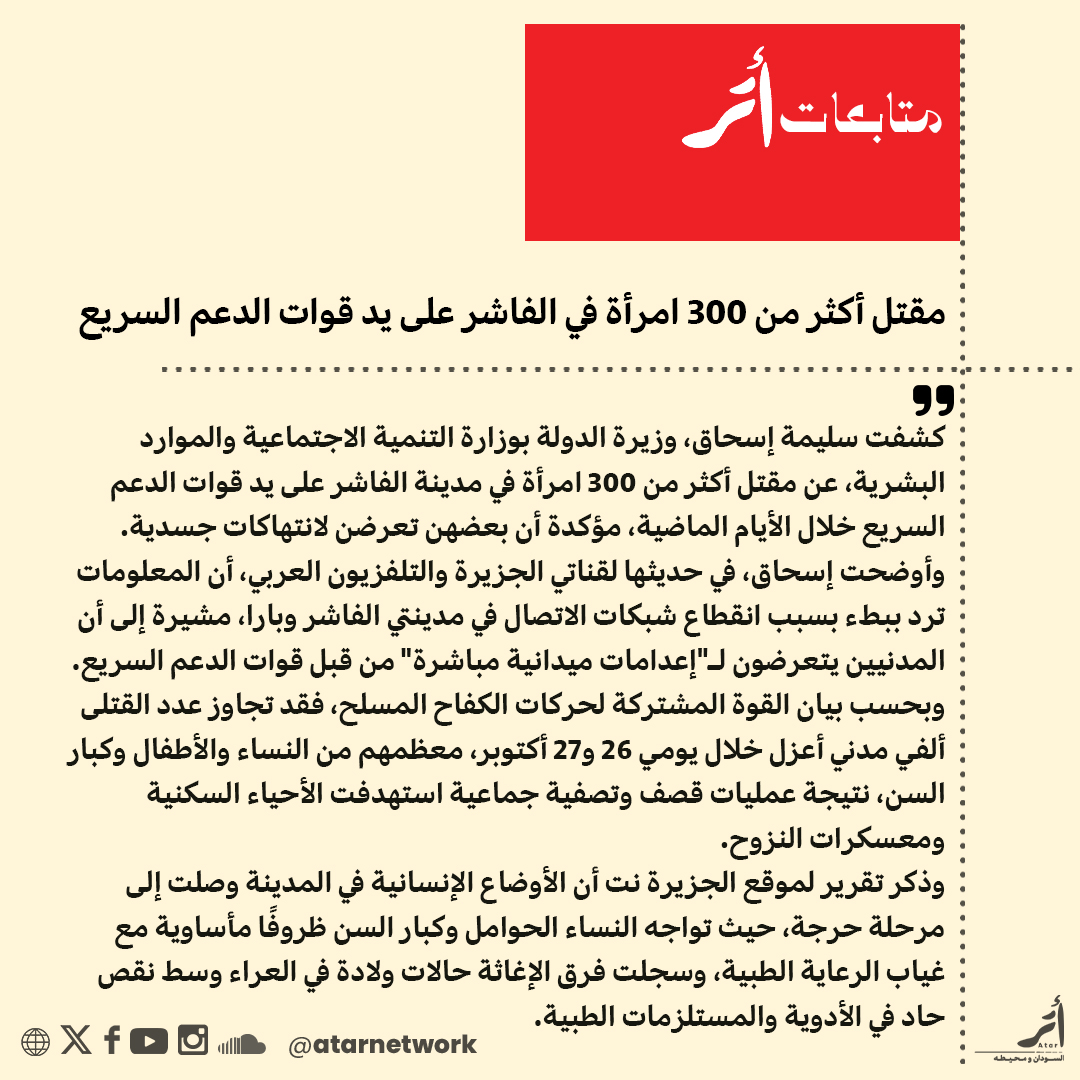
مليشيا الدعم السريع تستبيح مستشفى الفاشر الجنوبي بالسودان واعتدوا على الكوادر الطبية والمرضى والجرحى وتم العبث بالأجهزة وسرقة سيارة الإسعاف، علمًا بانه المستشفى الوحيد الذي يعمل في المدينة ويعالج المواطنيين .
كما أن افراد المليشيا قامت بالتصوير والتوثيق لحظة الهجوم على المستشفى يوم الأمس
جرائم الدعم السريع لا حصر لها 🧵
#السودان
#sudan
#rsf_crimes
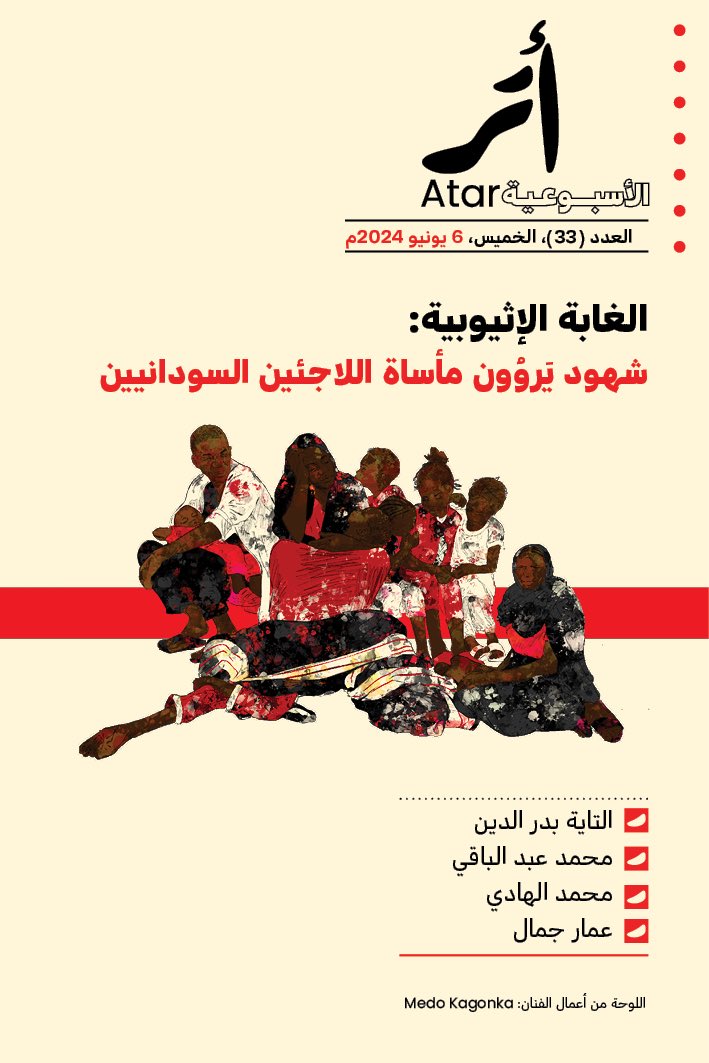
الغابة الإثيوبية: شهود يَروُون مأساة اللاجئين السودانيين
عندما انطلقت الرصاصة الأولى في منتصف أبريل من العام الماضي، بين الجيش وقوات الدعم السريع، ما توقَّعت رحاب محمدين، التي كانت تقيم بمنزل أسرتها بحي ودّ دُرو الأم درمانيّ، أنها مُقبلةٌ على فصل جديد من المعاناة يمتدُّ لأكثر+
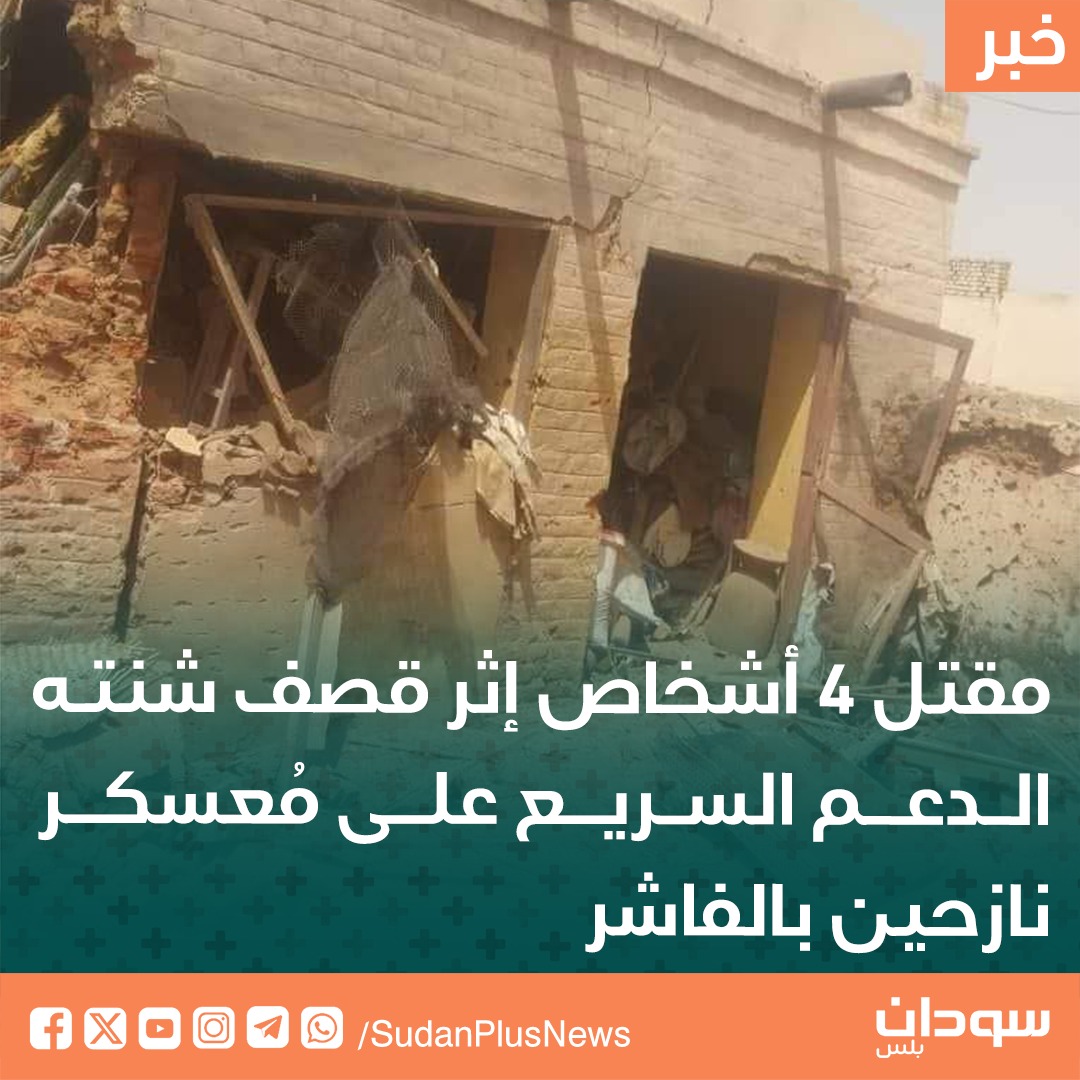
قالت المنسقية العامة للنازحين واللاجئين، إن (4) نازحين قتلوا "الجمعة" خلال قصف شنته مليشيا الدعم السريع استهدف معسكر أبو شوك للنازحين شمالي مدينة الفاشر.
قالت تنسيقية لجان مقاومة كرري، إن مليشيا الدعم السريع قصفت اليوم مركزًا لإيواء الفارين من ويلات الحرب بالثورة الحارة الثامنة، نتج عن القصف عدد من الجرح.ــى والقتــ.لى.
My last take with @SmallArmsSurvey. After 15 April War Port Sudan chosen as administrative capital ignoring it didn't have the service efficiency civil structure or geopolitical stability to embrace a new capital in light of the sociopolitical divisions.
https://t.co/J4XstwSeoi
العزيزات والأعزاء، إننا نلتمس اللطف منكن/م في المساهمة في مساعدة رفيقة فلسطينية بإنجلترا في لم شملها مع ابنتها في غزة، التي فقدت والدها في الحرب وبقيت وحيدة في وسط الإبادة والخطر.
ساهمن/وا في المساعدة المادية ونشر حملة التبرع عبر الرابط التالي 👇🏾
https://t.co/sHD1vR7YH2