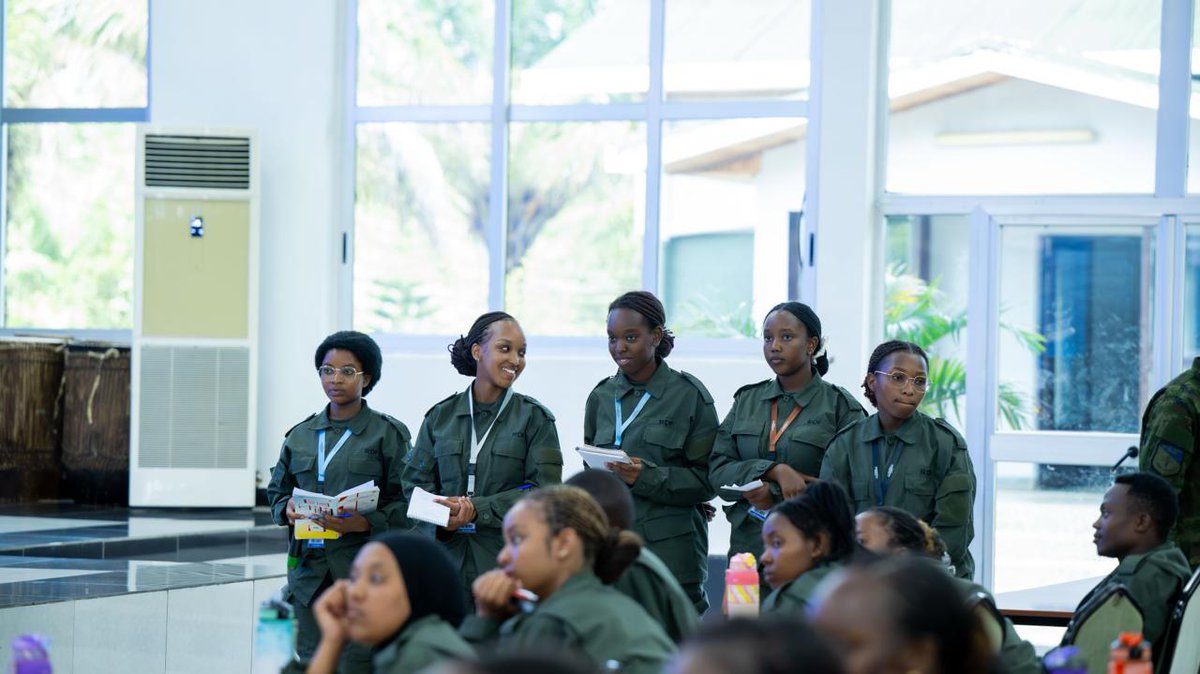
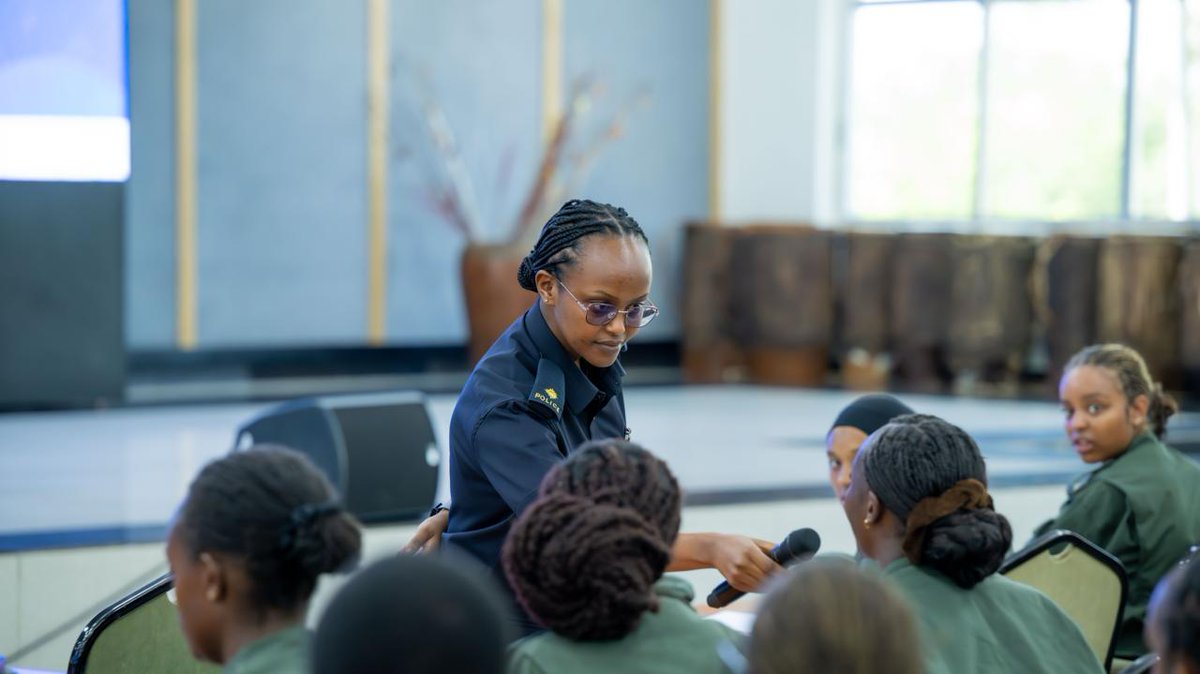
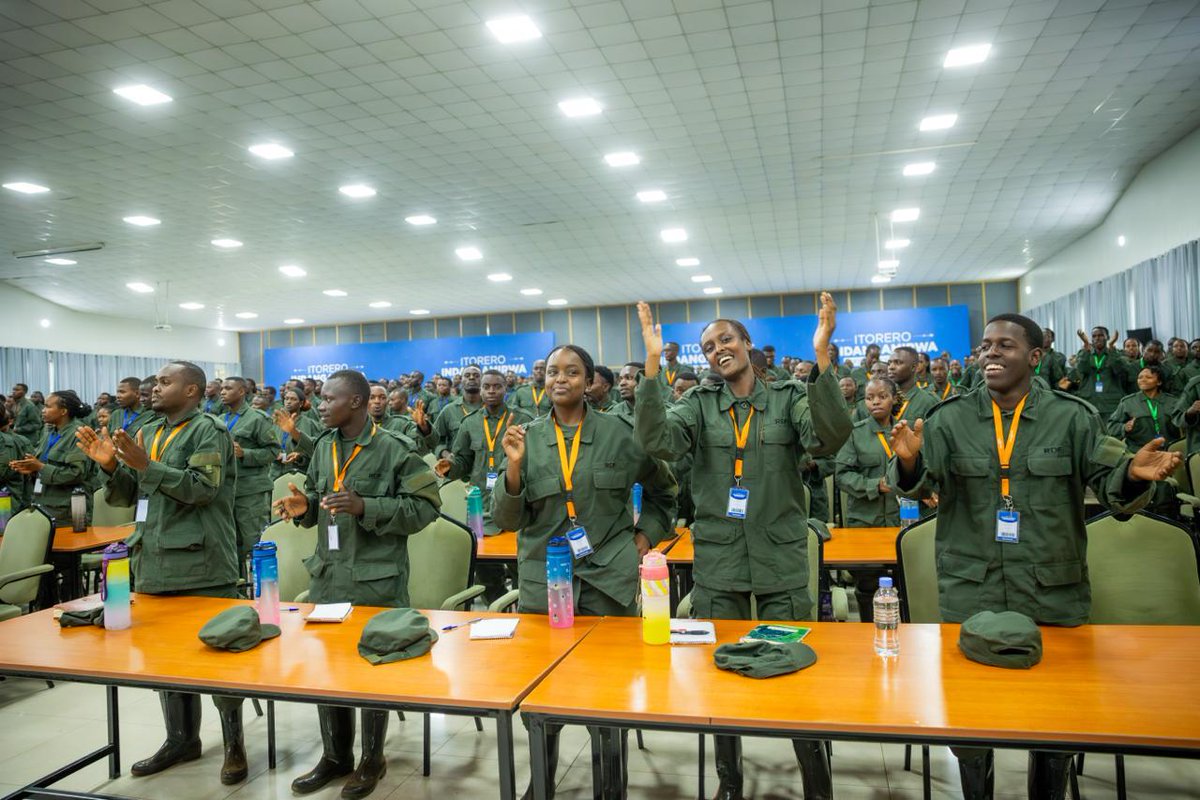
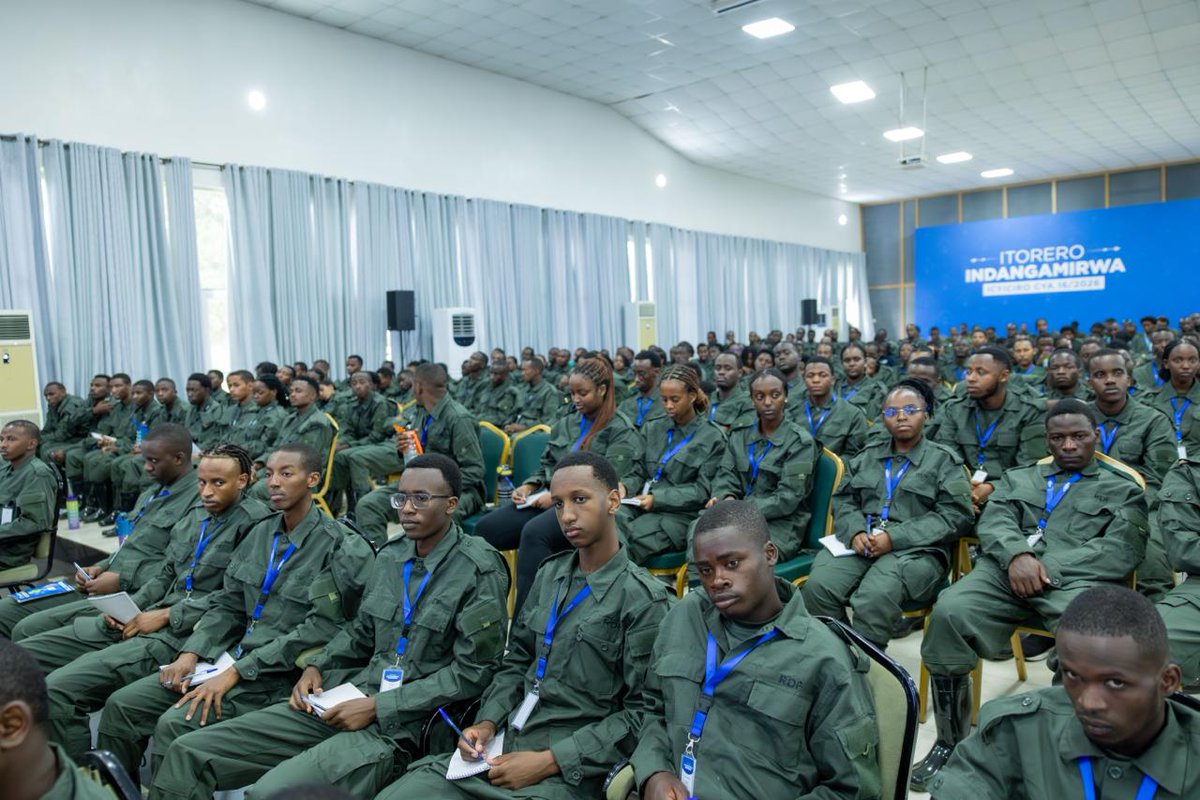
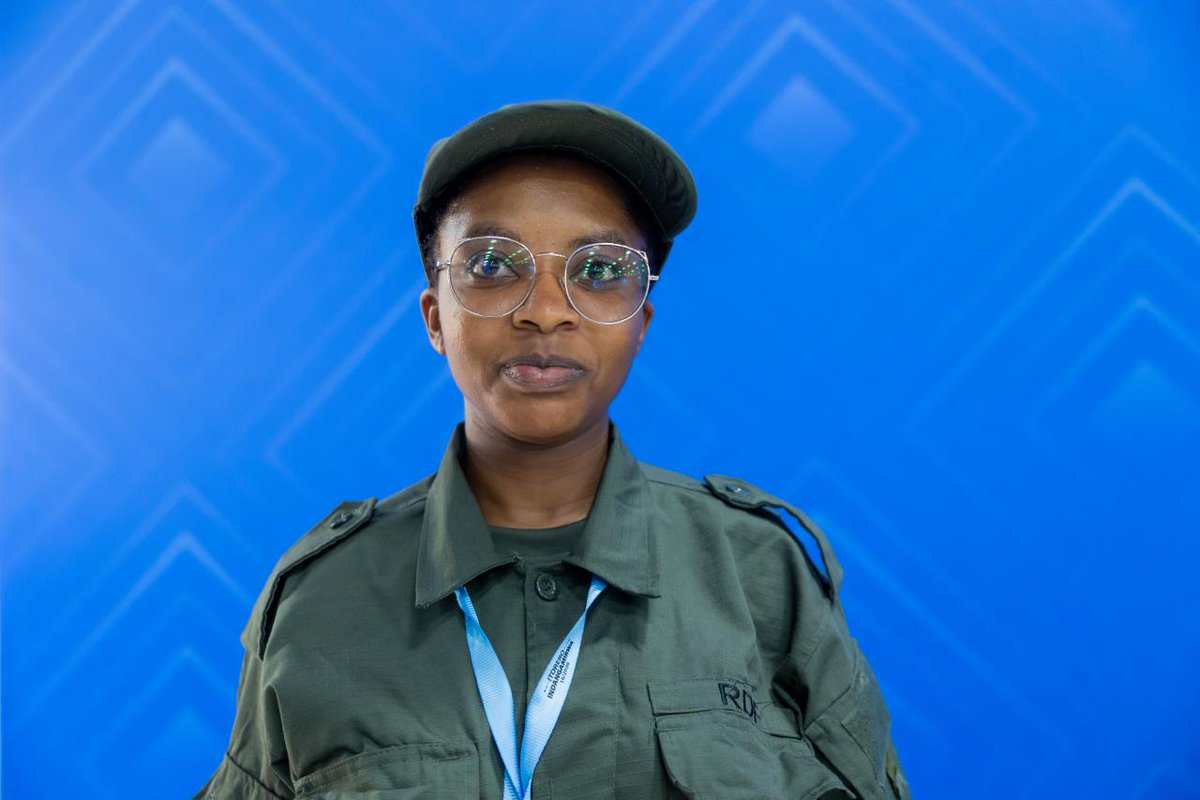
Watch how Itorero #Indangamirwa16 stepped into the weekend🥳
@dj_iraa and @MassambaIntore understood the assignment and participants made it a night to remember.
Today, young officers from @Rwandapolice and @RwandaMoD engaged participants of Itorero #Indangamirwa16 in an inspiring dialogue on the power of youth in nation-building.
Drawing from their own experiences, they challenged participants to turn ambition into action, embrace service and patriotism, and become a driving force behind Rwanda's continued transformation.
More pictures: https://t.co/JE1Bb3QqMW
🎥Tugomba kuba abambasaderi b’u Rwanda aho turi hose.
Umva ubutumwa Byiringiro Jean d’Amour yakuye mu kiganiro urubyiruko ruri mu Itorero #Indangamirwa16 bahawe na Minisitiri @onduhungirehe na Ambasaderi @AmbMukantabana.
Le ridicule ne tue pas! @chastegahunde stop tes calomnies. Le juge Mahrez n’a pas du tout démissionné de son poste, il est nommé à la Chambre Civile. Il l’a annoncé en mars 2026 à toutes les parties en préparation du procès Rwamucyo en spécifiant que c’est un choix de carrière.
The Minister of Foreign Affairs and International Cooperation Amb. @onduhungirehe and Rwanda's Ambassador to the United States, Mexico and Argentina, @AmbMukantabana, are engaging participants of Itorero #Indangamirwa16 in a dynamic discussion on "Rwanda's diplomacy and the role of young Rwandans at home and across the world."
From Rwanda's foreign policy priorities to the country's growing global partnerships, the session highlights how young Rwandans can help shape Rwanda's story, build meaningful connections, and represent the nation with pride both at home and around the world.
Dr Rwamucyo Eugène, Du Rwanda à Paris : coupable de génocide, condamné à 27 ans de prison, un verdict rétablissant l'honneur des victimes.
Moment historique ce 17 juillet 2026, le couperet est tombé. La Cour d’Assises de Paris en reconnaissant la culpabilité du Dr Rwamucyo Eugène pour génocide contre les Tutsi au Rwanda en 1994, fait jaillir l’étincelle de la justice. C’est la fin d’une épuisante saga judiciaire pour les victimes. N’en déplaise à ses défenseurs qui avaient préparé un feu d’artifice pour leur rêve d'un injuste et injustiable acquittement qu'ils avaient préparé par des coups de force médiatiques. Les preuves et le verdict des jurés ont déchiré le rideau du mensonge et de l’arrogance de Rwamucyo et ses sympathisants. Sa condamnation est un rappel à l’ordre à ses défenseurs qui recouraient incessamment aux arguments moqueurs et insultants dans la tentative de désorienter les jurés. Le nommé Chaste Gahunde, génocidaire de très haut calibre lourdemment impliqué dans le génocide en Commune Mabanza, ex-préfecture de Kibuye, a fomenté une campagne diabolique outrancière de soutien à la criminalité de Rwamucyo. Ce jugement de condamnation comporte des leçons importants, entre autres les suivantes:
A. L’effondrement du rideau du mensonge et de l’arrogance
1) Rwamucyo prétendait qu’il a une femme tutsi, Mukabanyana Mamérique. Or, celle-ci est une ancinne agent de l’Office Rwandais d’Information (ORINFOR). Elle n’est pas tutsi. Elle a été appelé à la barre pour soutenir son mari, et dans sa déclaration, elle a dit qu’elle n’avait pas d’ethnie particulière qui la caractérisait avant et pendant le génocide. C’est archifaux. Tout Rwandais majeur portait obligatoirement une carte d’identité à mention ethnique. Cette carte sauvait des Hutu sur des barrières et envoyait des Tutsi à la mort.
2) Rwamucyo niait qu’il n’y avait pas eu de Tutsi tués pendant le génocide au Centre Universitaire de Santé Publique de Butare (CUSP) dont il était directeur général et au Centre Hospitalier Universitaire de Butare (CHUB). Devant les tribunaux Gacaca, Rwamucyo en personne a été reconnu coupable d’assassinat de son employée du CUSP Cécile Nyirasikubwabo en collaboration avec Félicité Musanganire agent du CUSP en 1994. Musanganire qui vit en Afrique du Sud est la fille de Dominique Mbonyumutwa et mari du génocidaire Dr Pierre Mugabo. Deux autres agents tutsi du CUSP ont été tués pendant le génocide : Gasana Callixte et Mukamusoni Césarie. Rwamucyo les connaissait bien. Mais devant la Cour d’assises, il a continué de les enterrer dans sa mémoire comme il l’a fait en 1994 en ordonnant et coordonnant l’enfouissement des corps des victimes tutsi pour cacher les preuves du génocide.
B. Dr Rwamucyo a commis le génocide comme penseur, planificateur et acteur intellectuel actif
3) Rwamucyo prétendait qu’aucun médecin et aucun membre du personnel médical n’a participé au génocide à Butare.C’est tout le contraire. Au total, les tribunaux Gacaca de Butare ont reconnu coupables de génocide 29 médecins et 31 infirmiers et infirmières qui exerçaient au CUHB, CUSP, LABOPHAR, CARAES et Kabutare.
Parmi les autres médecins condamnés pour génocide commis au CHUB par les juridictions Gacaca de Butare Ville, figurent Dr Nshimyumukiza Jotham qui était directeur du CHUB reconnu coupable d’assassinat de l’assistant médical Karekezi Jean Claude et autres agents tutsi du CHUB ainsi que des malades tutsi. Dr Pascal Habarugira qui a terminé sa peine de 19 ans l’an dernier qui a été reconnu coupable d’assassinat d’une infirmière Mukangango Vénantie. Dr Nyiraruhango Berthe reconnue coupable d’assassinat d’un enfant tutsi et d’une infirmière nommée Uzamukunda Hawa. Dr Nyagasaza Aloys reconnu coupable d’assassinat de l’assistant médical Nkundayezu Bernardin. Dr Twagirayezu Emmanuel reconnu coupable de livraison de malades tutsi aux miliciens et aux soldats de l’Ecole des Sous-Officiers. Ce ne sont que des exemples.
Parmi les meurtriers condamnés par les tribunaux Gacaca figurent également des infirmières et des membres du personnel médical du CUSP qui étaient les subordonnés directs de Rwamucyo, agissant souvent sous ses ordres ou exécutant les ordres conçus de commun accord. Citons: Uwimana Thérèse condamnée à 19 ans de prison le 04/06/2007, Musabyemariya Marceline 12 ans de prison le 07/2008, Mukamurangwa Marie Rose 19 ans de prison le 04/06/2008, Nyiramisago Thérèse 19 ans de prison le 04/06/2008, Kantengwa Annonciata 19 ans de prison le 04/06/2008 et Mukamuzima Philomène 19 ans de prison le 26/03/2008. Toutes ces bonnes dames génocidaires ont terminé leurs peines et vivent paisiblement dans la société rwandaise et dans leurs familles.
Entre autres témoins, le Dr Rony Zachariah, arrivé le 20 février 1994 au Rwanda, comme coordinateur des activités de Médecins Sans Frontières au Rwanda. Il oeuvrait au CHUB pendant le génocide. Il a indiqué à la Cour qu’un nombre de victimes se situant entre 150 et 200, membres du personnel du CHUB et des malades tutsi, ont été arrachées du CHUB et tuées par leurs collègues, par des miliciens et par des soldats de l’Ecole des Sous-Officiers (ESO).
Un autre élément probant, c’est que, après le génocide, la direction du CHUB a entamé une recherche d’identification de son personnel tutsi tué pendant le génocide et des malades tutsi massacrés à l’hôpital ou ses environs. 82 noms ont été recueillis. Ils sont honorés et cités lors de chaque commémoration annuelle au CHUB. En voici certaines d’entre elles à titre d’illustration : Karekezi Jean Claude alias DOGO, Kajeguhakwa Wenceslas, Kezankore, Nyangezi Protais, Kayitegere Capitoline, Mukagakwaya Immaculée, Kabalisa Jean Damascène, Ntawukuriryayo Callixte, Mukamazina Vénantie, Samusoni Wilson, Gakwanzi Marie Claire, Mukangango Vénantie, etc.
4) Rwamucyo mentait que dans sa Commune d’origine, Gatonde, ancienne Préfecture Ruhengeri, Sous Préfecture Busengo, qu’il y avait seulement une seule famille tutsi, et que donc il n’y pas eu de génocide là-bas. Faux. Il y avait des Tutsi à Gatonde et ils ont été exterminés comme partout sur le territoire rwandais. Des intellectuels et cadres politiques et militaires originaires de cette Commune, tel Ferdinand Nahimana, Ndagijimana Jean Claude, et autres, ont joué un rôle clé sur le plan national dans la planification et exécution du génocide.
Des victimes tutsi de Gatonde ont assassinés à partir du 8 avril 1994 sous la supervision du Sous-préfet de Busengo Dismas Nzanana, condamné par la justice rwandaise à la perpétuité. Elles ont été tuées à divers endroits notamment au bureau de la Sous-préfecture Busengo, à la paroisse catholique de Janja, à la Cour d’Appel de Ruhengeri et dans des rivières Mukungwa et Nyabarongo. Trois redoutables barrières sont encore dans la mémoire de quelques très rares survivants. Elles étaient situées à Bunyironko, Ibyibuhiro et Mu Biziba.
Parmi les miliciens qui les ont massacrés figurent: Bazirake Bernard qui était responsable de Cellule, Ruzindana Prosper (il a coordonné et dirigé l’attaque qui a exterminé la famille de Nyirambarubukeye), Nizeyimana Pierre alias Kaguta, Ngendahayo Emmanuel, Nayigiziki Valens (il a dirigé l’attaque qui a tué la famille de Seguhirwa Pierre et sa femme Mukankusi), Ntakabanoza, Nahimana, Hakiza, Ntamahungiro, Rwakarenga (il a particulièrement dirigé l’attaque qui a tué la famille de Murengerantwari), Nsekambabaye, Munyabarame, Ntamunsi, etc.
Les Tutsi de Gatonde ont été malmenés depuis octobre 1990 aux premiers jours de la guerre de libération. Plusieurs d’entre eux ont été mis aux arrêts sous la fabrication de complicité avec le FPR. Citons: Batsinda Wellars qui sera tué en avril 1994, Mpendwanzi Joseph, Barihenura Joseph, Barinyenzi et Ngirabatware Jean alias Kimuna.
Entre autres victimes tutsi de Gatonde que nie leur voisin Rwamucyo Eugène, citons: Batsinda Valens, Kabusoro Floride, Mutezimana Aphrodis, Byagusetsa Juvénal, Minsiriyo David, Uwizeye Alphonsine, Chantal Dufitamahoro, Ndakaza Fabien, la famille Uzabakiriho Edouard, la famille Rurinda, Nyiramahirwe, Munyaneza, Nyirangoga, etc.
Concluons
Un grand merci à la justice française qui, cette dernière décennie, a accéléré le turbo judiciaire pour lutter contre l’impunité et honorer la mémoire des victimes. Les Etats occidentaux qui rendent justice aux victimes du génocide des Tutsi font un travail historique montrant que la compétence universelle et l’imprescriptibilité du génocide ne sont pas un vain mot. Les jugements et condamnations des génocidaires rwandais montre que l’exil lointain qu’ils pensaient qu’il leur garantirait l’impunité, n’est pas un aboutissement blindé. Justice est rendue, même si elle ne remplace pas l'horreur des crimes et la souffrance des survivants. Mais c'est justice. Mugire amahoro.
On July 17, 2026, a historic moment unfolded as the Paris Assize Court delivered a spark of justice. The verdict was handed down: Dr. Eugène Rwamucyo was found guilty of genocide and crimes against humanity committed in Butare in 1994. The Court upheld the 27-year prison sentence originally imposed by the court of first instance on October 30, 2024. This appellate ruling merely confirms facts that were already evident and publicly known. It marks the end of an exhausting legal saga for the victims. The matter is settled—much to the dismay of his defenders, who had prepared for a celebration of an acquittal that would never come. The evidence and the jury’s verdict tore through the veil of lies and arrogance maintained by Rwamucyo and his sympathizers. His conviction serves as a stern rebuke to those defenders who constantly resorted to mocking and insulting arguments. One of the ringleaders is the genocidaire and genocide denier Chaste Gahunde, who, throughout the trial, published a series of blatantly false statements in an attempt to mislead the jury.
A. The collapse of the veil of lies and arrogance
1) Rwamucyo claimed to have a Tutsi wife, Mukabanyana Mamérique. In reality, however, she is a former employee of the Rwandan Office of Information (ORINFOR). She is not Tutsi. She was called to the stand to support her husband and stated that she had no specific ethnic identity before or during the genocide. This is completely false. Every adult Rwandan was required to carry an identity card that specified their ethnicity. This card saved Hutus at roadblocks and sent Tutsis to their deaths.
Rwamucyo denied that any Tutsis had been killed during the genocide at the Butare University Public Health Center (CUSP)—where he served as Director General—or at the Butare University Teaching Hospital (CHUB). Before the Gacaca courts, Rwamucyo himself was found guilty of the murder of Cécile Nyirasikubwabo, a CUSP employee, acting in collaboration with Félicité Musanganire (also a CUSP staff member) in 1994. Musanganire, who lives in South Africa, is the daughter of Dominique Mbonyumutwa and the wife of the genocidaire Dr. Pierre Mugabo. Two other Tutsi CUSP staff members were killed during the genocide: Gasana Callixte and Mukamusoni Césarie. Rwamucyo knew them well. Yet, before the Assize Court, he continued to bury them in his memory—just as he had done in 1994 by ordering and coordinating the burial of the bodies of Tutsi victims to conceal evidence of the genocide.
3) Rwamucyo claimed that no doctors or medical staff members participated in the genocide in Butare. The reality is quite the opposite. In total, the Gacaca courts of Butare found 29 doctors and 31 nurses guilty of genocide; these individuals had practiced at the CHUB, CUSP, LABOPHAR, CARAES, and Kabutare facilities.
Other doctors convicted of genocide committed at the CHUB by the Butare City Gacaca courts include Dr. Jotham Nshimyumukiza—the former Director of the CHUB—who was found guilty of murdering medical assistant Jean-Claude Karekezi, other Tutsi CHUB staff members, and Tutsi patients; and Dr. Pascal Habarugira, who completed his 19-year sentence last year and was found guilty of murdering a nurse, Vénantie Mukangango. Dr. Berthe Nyiraruhango was found guilty of murdering a Tutsi child and a nurse named Hawa Uzamukunda. Dr. Aloys Nyagasaza was found guilty of murdering medical assistant Bernardin Nkundayezu. Dr. Emmanuel Twagirayezu was found guilty of handing over Tutsi patients to militiamen and soldiers from the Non-Commissioned Officers' School. These are merely examples.
Among the murderers convicted by Gacaca courts were also nurses and medical staff from CUSP who were Rwamucyo’s direct subordinates, often acting under his orders or carrying out orders devised jointly. These include: Uwimana Thérèse: sentenced to 19 years in prison on June 4, 2007, Musabyemariya Marceline: 12 years in prison (July 2008), Mukamurangwa Marie Rose: 19 years in prison on June 4, 2008, Nyiramisago Thérèse: 19 years in prison on June 4, 2008, Kantengwa Annonciata: 19 years in prison on June 4, 2008; and Mukamuzima Philomène: 19 years in prison on March 26, 2008. All these nurses who participated in the genocide have completed their sentences and are living peacefully within society and among their families.
Among the witnesses was Dr. Rony Zachariah, who arrived in Rwanda on February 20, 1994, to coordinate the activities of Médecins Sans Frontières (Doctors Without Borders). He was working at CHUB during the genocide. He testified to the Court that between 150 and 200 victims—comprising CHUB staff members and Tutsi patients—were forcibly taken from CHUB and killed by their colleagues, militiamen, and soldiers from the Non-Commissioned Officers' School (ESO). The Court found his account credible.
Another piece of evidence is that, following the genocide, the CHUB administration undertook an effort to identify Tutsi staff members killed during the genocide and Tutsi patients massacred at the hospital or in its vicinity. Eighty-two names were recorded. These individuals are honored and named during every annual commemoration at CHUB. Here are some of them by way of illustration: Karekezi Jean Claude (alias DOGO), Kajeguhakwa Wenceslas, Kezankore, Nyangezi Protais, Kayitegere Capitoline, Mukagakwaya Immaculée, Kabalisa Jean Damascène, Ntawukuriryayo Callixte, Mukamazina Vénantie, Samusoni Wilson, Gakwanzi Marie Claire, and Mukangango Vénantie.
4) Rwamucyo falsely claimed that in his native commune of Gatonde—located in the former Ruhengeri Prefecture and Busengo Sub-prefecture—there was only a single Tutsi family, and that, consequently, no genocide took place there. This is false. There were Tutsis in Gatonde, and they were exterminated just as they were throughout Rwandan territory. Intellectuals as well as political and military officials hailing from this commune—such as Ferdinand Nahimana, Ndagijimana Jean Claude, and others—played a key role at the national level in the planning and execution of the genocide.
Tutsi victims from Gatonde were murdered starting on April 8, 1994, under the supervision of the Busengo Sub-prefect, Dismas Nzanana, who was sentenced to life imprisonment by the Rwandan justice system. They were killed at various locations, notably at the Busengo sub-prefecture offices, the Janja Catholic parish, the Ruhengeri Court of Appeal, and in the Mukungwa and Nyabarongo rivers. Three notorious roadblocks remain in the memories of the very few survivors: those located at Bunyironko, Ibyibuhiro, and Mu Biziba.
The militiamen who massacred them included: Bazirake Bernard (a Cell leader); Ruzindana Prosper (who coordinated and led the attack that exterminated the family of Nyirambarubukeye); Nizeyimana Pierre, alias Kaguta; Ngendahayo Emmanuel; Nayigiziki Valens (who led the attack that killed the family of Seguhirwa Pierre and his wife, Mukankusi); Ntakabanoza; Nahimana; Hakiza; Ntamahungiro; Rwakarenga (who notably led the attack that killed the family of Murengerantwari); Nsekambabaye; Munyabarame; Ntamunsi; and others.
Tutsis in Gatonde had been mistreated since October 1990, the early days of the liberation war. Many were arrested on fabricated charges of complicity with the RPF. These included: Batsinda Wellars (who was killed in April 1994), Mpendwanzi Joseph, Barihenura Joseph, Barinyenzi, and Ngirabatware Jean, alias Kimuna. Among the Tutsi victims from Gatonde whose suffering is denied by their neighbor Eugène Rwamucyo, we can cite: Batsinda Valens, Kabusoro Floride, Mutezimana Aphrodis, Byagusetsa Juvénal, Minsiriyo David, Uwizeye Alphonsine, Chantal Dufitamahoro, Ndakaza Fabien, the family of Edouard Uzabakiriho, the Rurinda family, Nyiramahirwe, Munyaneza, Nyirangoga, and others.
In conclusion:
A huge thank you to the French justice system, which has significantly accelerated judicial proceedings over the past decade to combat impunity and honor the memory of the victims. Western nations delivering justice for the victims of the Tutsi genocide are performing a historic task, demonstrating that universal jurisdiction and the non-statute-of-limitations status of genocide are not merely empty words. The trials and convictions of Rwandan genocidaires show that the distant exile they believed would guarantee their impunity offers no ironclad protection.
🎥Nyuma yo gusura Ingoro y’Amateka y’Urugamba rwo Kubohora Igihugu ku Mulindi w’Intwari, Tuyizere Marcel uri mu Itorero #Indangamirwa16 yiyemeje kurushaho kwimakaza indangagaciro yo gukunda Igihugu no kwimakaza Ubumwe bw'Abanyarwanda.
Itorero #Indangamirwa16 began the week with a powerful exchange of wisdom and experience through a panel session featuring alumni who once walked the same path.
In breakout sessions, participants exchanged ideas, reflected, and connected with fellow Intore to build bridges between generations and carry forward the spirit of Itorero.
More pictures: https://t.co/JE1Bb3QqMW
Ese mwari muziko ko Radio Inkingi y’interahamwe Gaspard Musabyimana wari umwe muri ba maneko bakuru ba Habyarimana akanakorera radio rutwitsi RTLM ari Radio y’ingirwashyaka FDU-Inkingi rya Victoire Ingabire? Ni naho hava iryo zina Inkingi ribahuje. Ibisa birasabirana.
Rwanda’s Liberation continues to inspire patriotism, resilience, integrity, and a shared commitment to building the nation’s future.
Watch as the participants of Itorero #Indangamirwa16 share their reflections.
#Kwibohora32