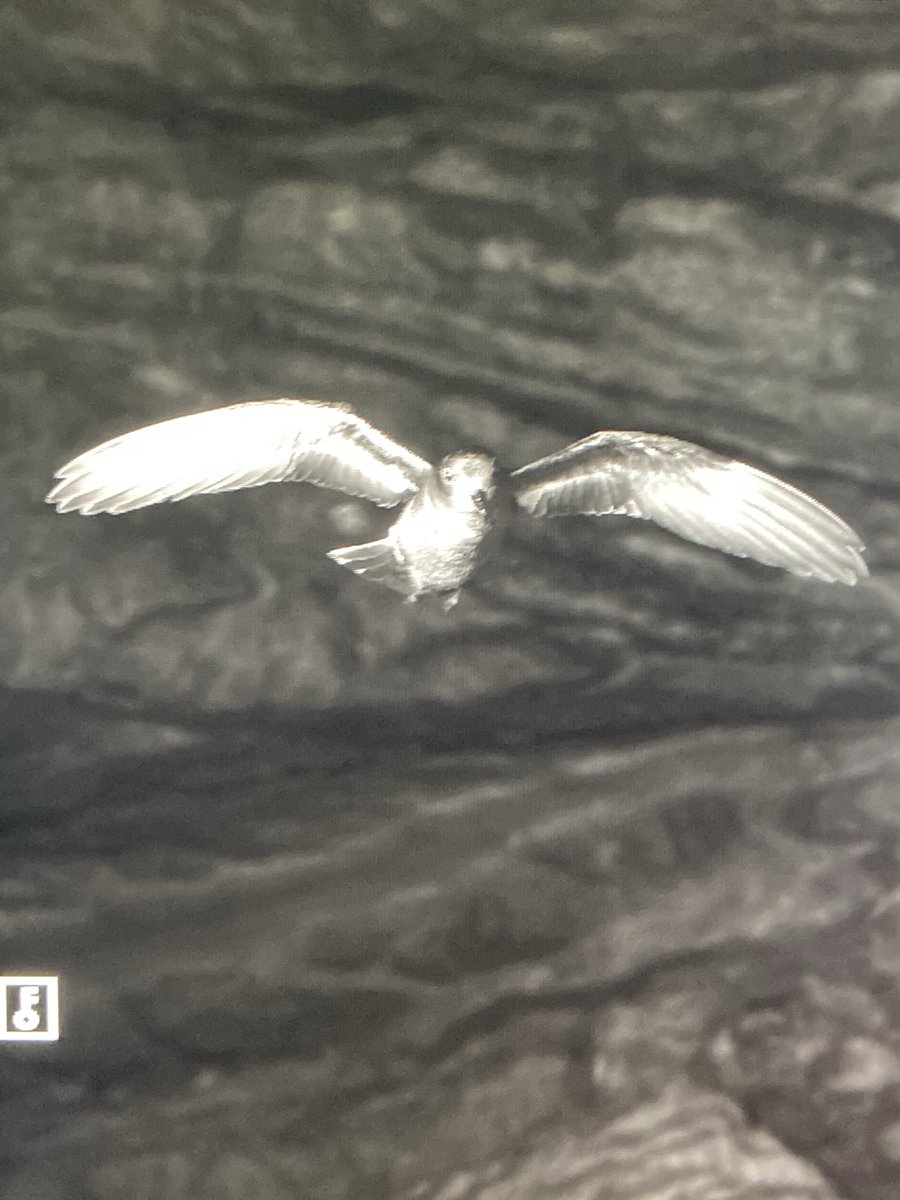
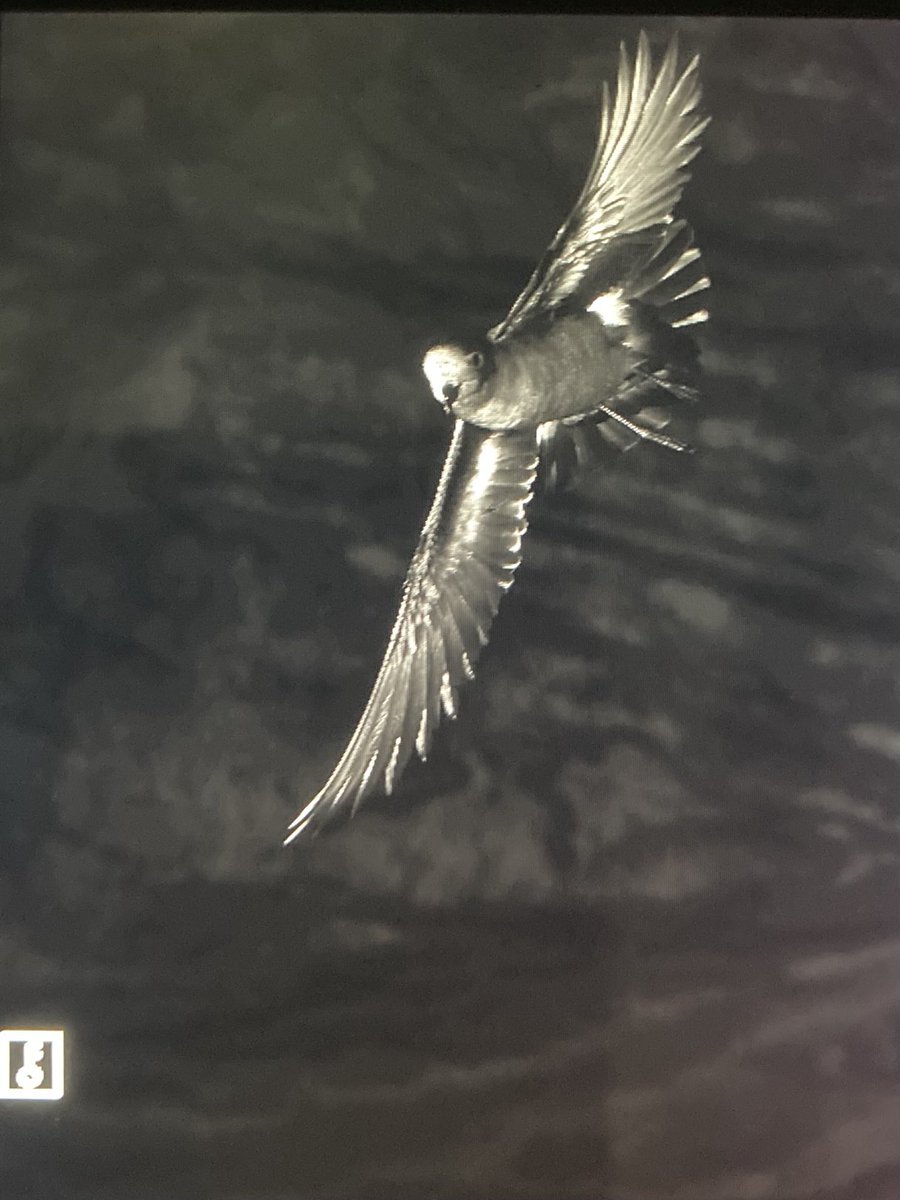
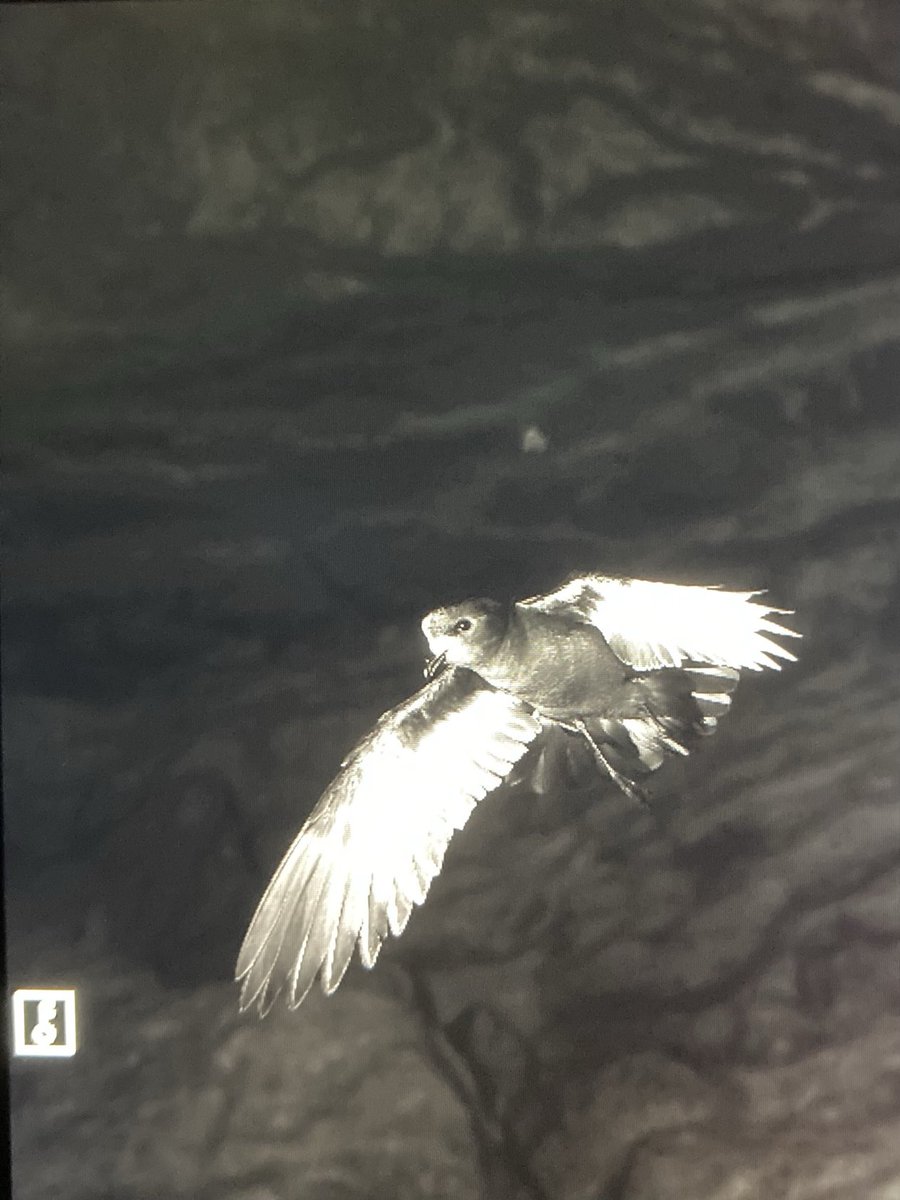
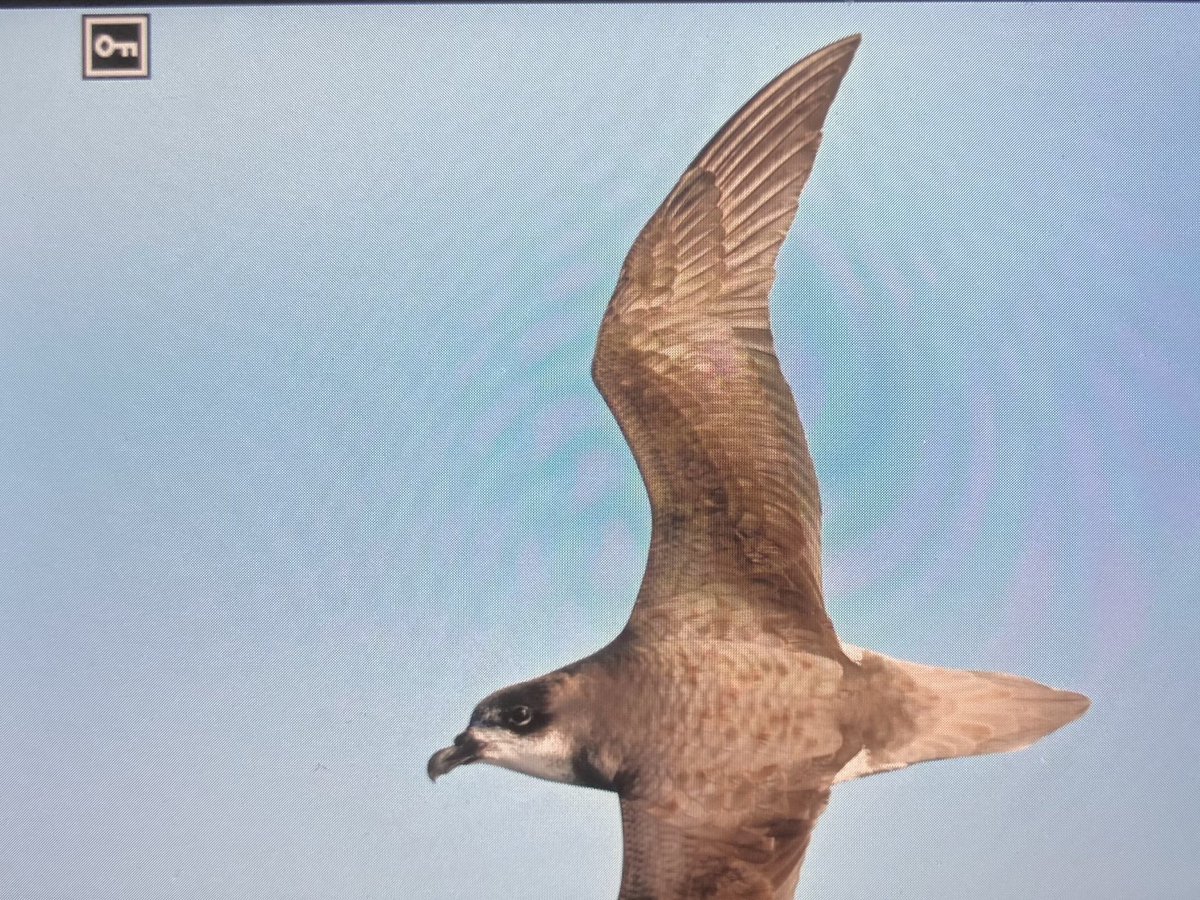
Hydrobates pelagicus melitensis. During the first night, we identified with my Pulsar thermal camera where the main activity was in the cave. That is where we put the trigger during the second night and the results were fabulous !
First night on Benidorm island : species 24/25 of the Petrels by Night project ! Hydrobates pelagicus melitensis ! And the cameras are still running but now we go to sleep a few hours. Thanks to the team : Ana, Sofia & Jason. Great to be able to join you here !
"Jumping" White-faced Storm-petrel. Entering its nest burrow at the end. In this colony, there are thousands of them but now with the strong moonlight, only a few were in the air. And it was s stormy night with lots of rain in the end. No pictures with the IR system ...
Looking for a conference to present your work on #seabirds in the Oceania region? Look no further than Oceania Seabirds 2025! Abstract submission is open until 28 Feb & we @AUS_NZ_Seabirds have travel grants to help attend. See the website for details https://t.co/xVuLkdPqbO
Happy new year everyone! ✨🎉
Our training grant applications are now open!
The deadline for applications is the 28th of February.
To apply for our training grants, click the following link or use the website as stated below: https://t.co/tvD0e1Q0ZZ
Cabo Verde 5.0
Fifth visit to Cabo Verde started today. Target : nocturnal IR pictures of Gongon or Cape-Verde Petrel (Pterodroma feae).
We went out at sea to see them in their element. Just a few results :
Happy New Year!
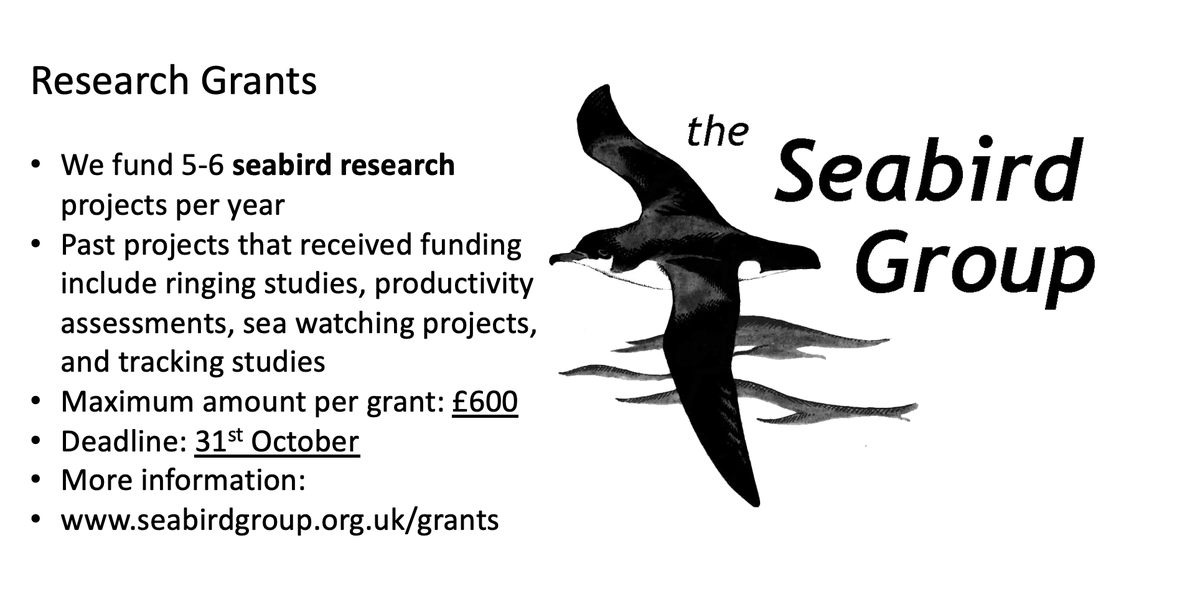
Applications for our 2025 Long-Term Volunteers and Seabird Monitoring Volunteers open TODAY.
For full details on the roles and how to apply, please see our website: https://t.co/wr4GviXU49
We're looking for a Spatial Analyst (Seabird & Energy) to join our team, mainly to support our work on mapping bird sensitivity to offshore wind development - could this be you? https://t.co/zNLFCgpkfm
📢 Important announcement!
Due to high demand for our next conference #IWSG2024, members who aren't able to attend in person will now be able to watch the main talks online.
Register here ➡️ https://t.co/Gsr8uAXJwD
Scientists have developed a rapid, accurate way to estimate seabird age (many live 70+ yrs). The new tool measures changes in an animal’s DNA as it ages. And it could revolutionise assessments of threatened seabird populations & boost conservation efforts!
https://t.co/XmuqQtGzXl
Workshop now available online from the @Acap_birds IAPC7 conference in Mexico last month. This workshop focused on the guidelines for working with albatrosses and petrels during the H5N1 avian influenza outbreak. https://t.co/CMtK4IV8rT
Save the Date! The 12th International Penguin Conference is heading to the stunning Phillip Island, Australia! From August 31st to September 5th, 2026. https://t.co/l0xh58VgLd @PhillipIslandNP@IUCNPenguin@Seabirders@AUS_NZ_Seabirds
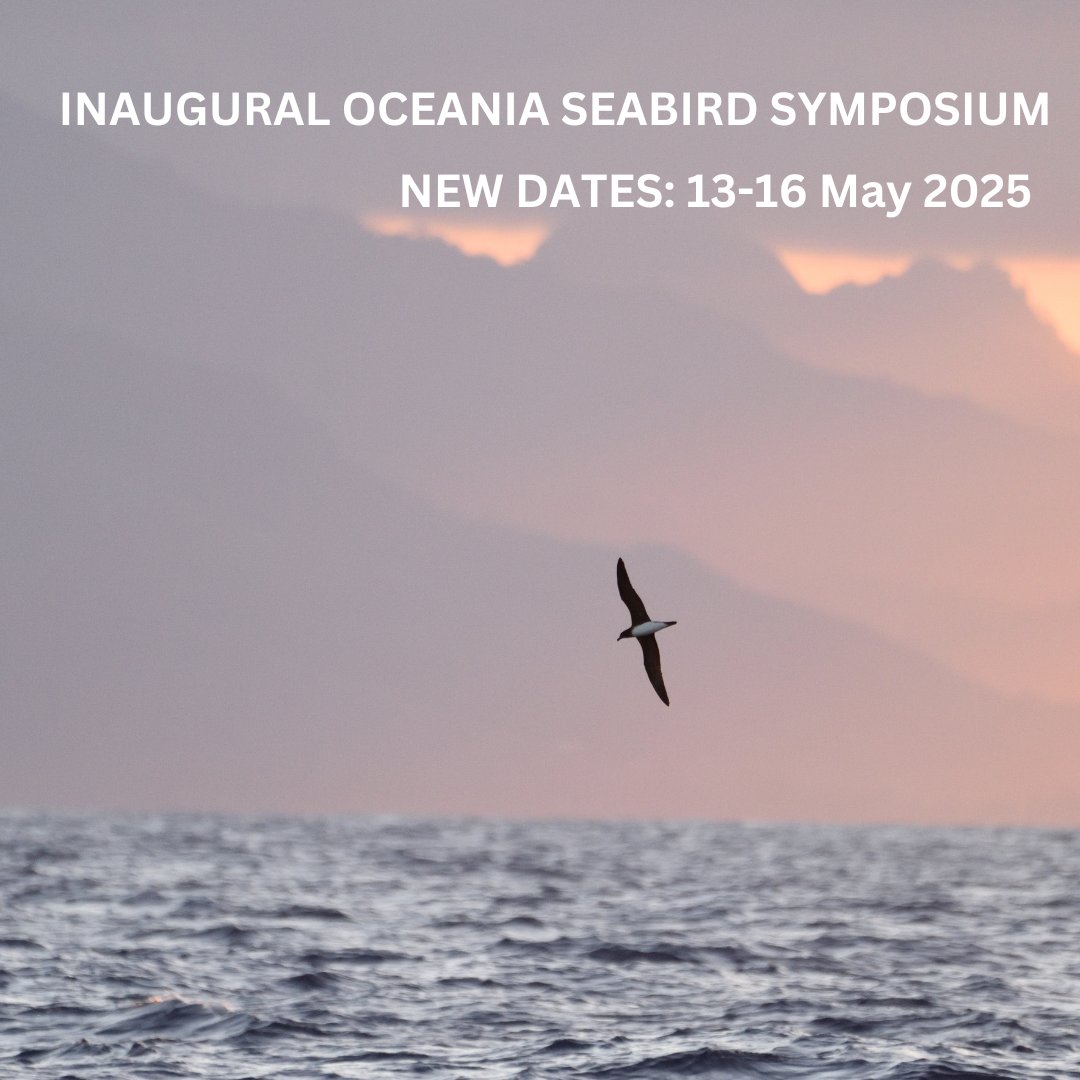
Oceania Seabirds will now be held from 13-16 May 2025 in Noumea, New Caledonia. This inaugural Symposium will bring the attention of the international and Oceania community to the importance of seabirds within the world’s largest body of water. https://t.co/DyvJxL6yuu
🚨 New paper!
Proof of concept for a new sensor to monitor marine litter from space🛰️👀
🌍An unprecedented view of the emissions and accumulation areas of marine litter by using satellites currently in orbit!
-More info: https://t.co/r38OqNFpv4
-Paper: https://t.co/pvpy9zU4oh
FYI: Oceania Seabirds: talking, listening & hands-on conference has been postponed due to recent unrest in New Caledonia. NEW DATES SOON. https://t.co/DyvJxL60EW
20 years ago there was no frigatebirds nesting on mainland Ascension, this was today.
The feral cat eradication on Ascension is a huge conservation success and this is the evidence! #Seabirds