Looking for the research that matters most to you?
Every abstract scheduled for presentation at #SfN26 is searchable in the 2026 Neuroscience Meeting Planner.
Search by topic, author, or keyword, & add what you find straight to your itinerary.
🔗 https://t.co/CvO2vifHDt
#NEUPrace Middle Fossa Craniotomy With Hydroxyapatite Cement as a Structural Repair for Noniatrogenic Cranial Cerebrospinal Fluid Leaks: A Case Series https://t.co/9MK4BgOwER by Shaftel et al @HenryFordHealth@CNS_Update
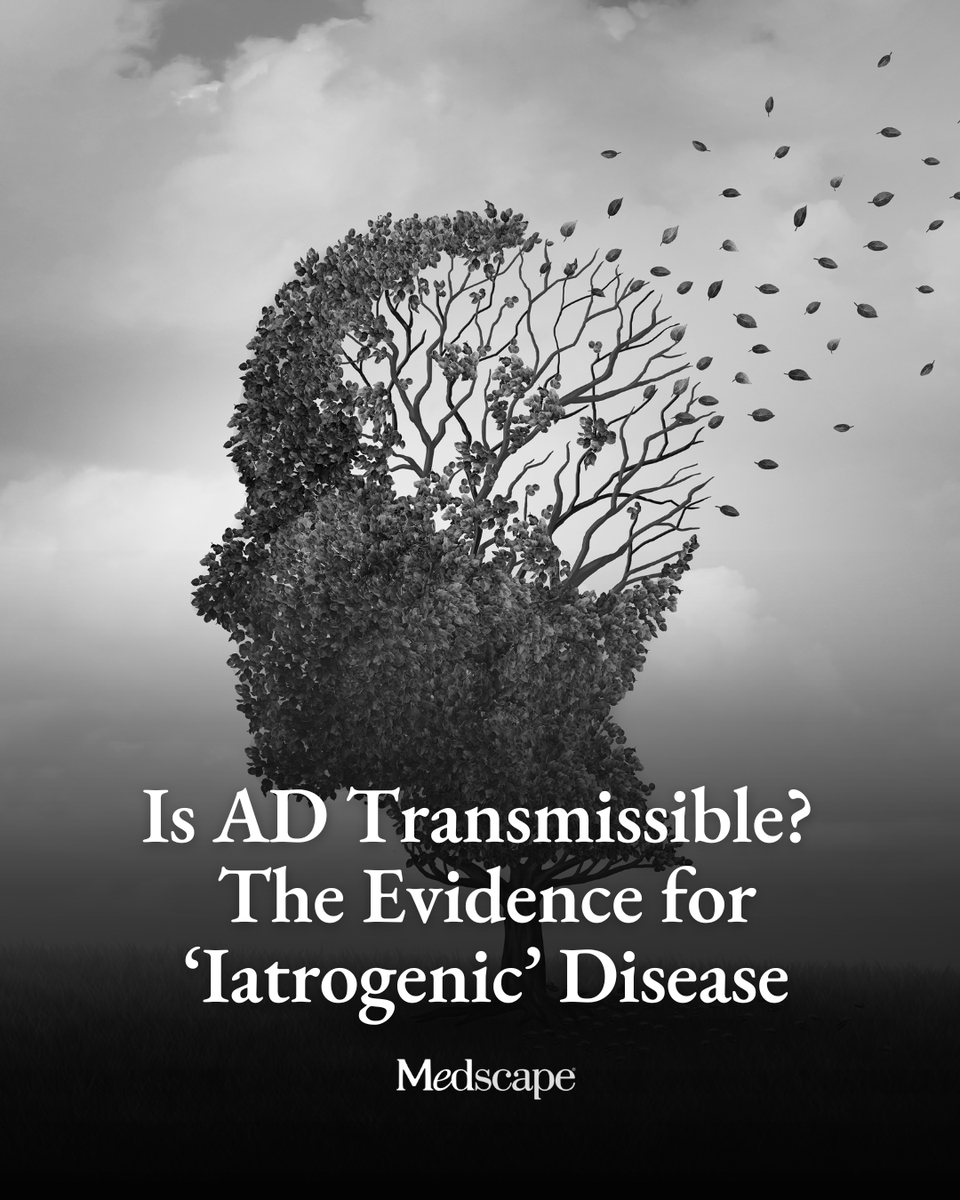
Alzheimer’s disease (AD) is not contagious. It cannot be caught through touching, caring for, living with, or otherwise having routine contact with someone who has the disease.
But a small and growing body of evidence suggests that, in rare circumstances, amyloid-beta pathology associated with AD — and possibly AD itself — may be transmitted from one person to another through certain medical procedures including childhood injections of cadaver-derived growth hormone (c-hGH), dura mater grafts, and reused neurosurgical instruments.
What evidence supports the existence of iatrogenic AD, what remains speculative, and how should clinicians discuss the findings with concerned patients? Tap the link to read more: https://t.co/UsTrjsdEoB
The Brain Is Two Separate Organs Joined by Evolution - Neuroscience News
https://t.co/TCyPguqcuw
Rather than originating from a single ancestral progenitor cell, the brain forms via two parallel lineages: an Otx2-expressing lineage destined for the forebrain and midbrain, and a separate Gbx2-expressing lineage that builds the hindbrain.
New Research: Integrated PET/MRI for the evaluation of gray matter atrophy and metabolic changes in idiopathic Parkinson’s disease https://t.co/rzjKTCQKlP #FrontiersIn#AgingNeuroscience
#ONSNew Increased Risk of Permanent Speech Production Deficits Following Resection of the Dominant Ventral Precentral Gyrus Compared With Broca's Area https://t.co/ojOlYXnyvc by Zhou et al at Huashan Hospital, Shanghai Medical College, Fudan University @CNS_Update@IsaacYangMD
Aging doesn't slow down our language skills! 🗣️🧠
A new MIT study reveals that the brain's language network remains just as strong in older adults as in youth, even while memory and executive functions decline.
Learn why:
https://t.co/W1EpZP4Jtk
#Neuroscience#Aging #BrainHealth
1/3
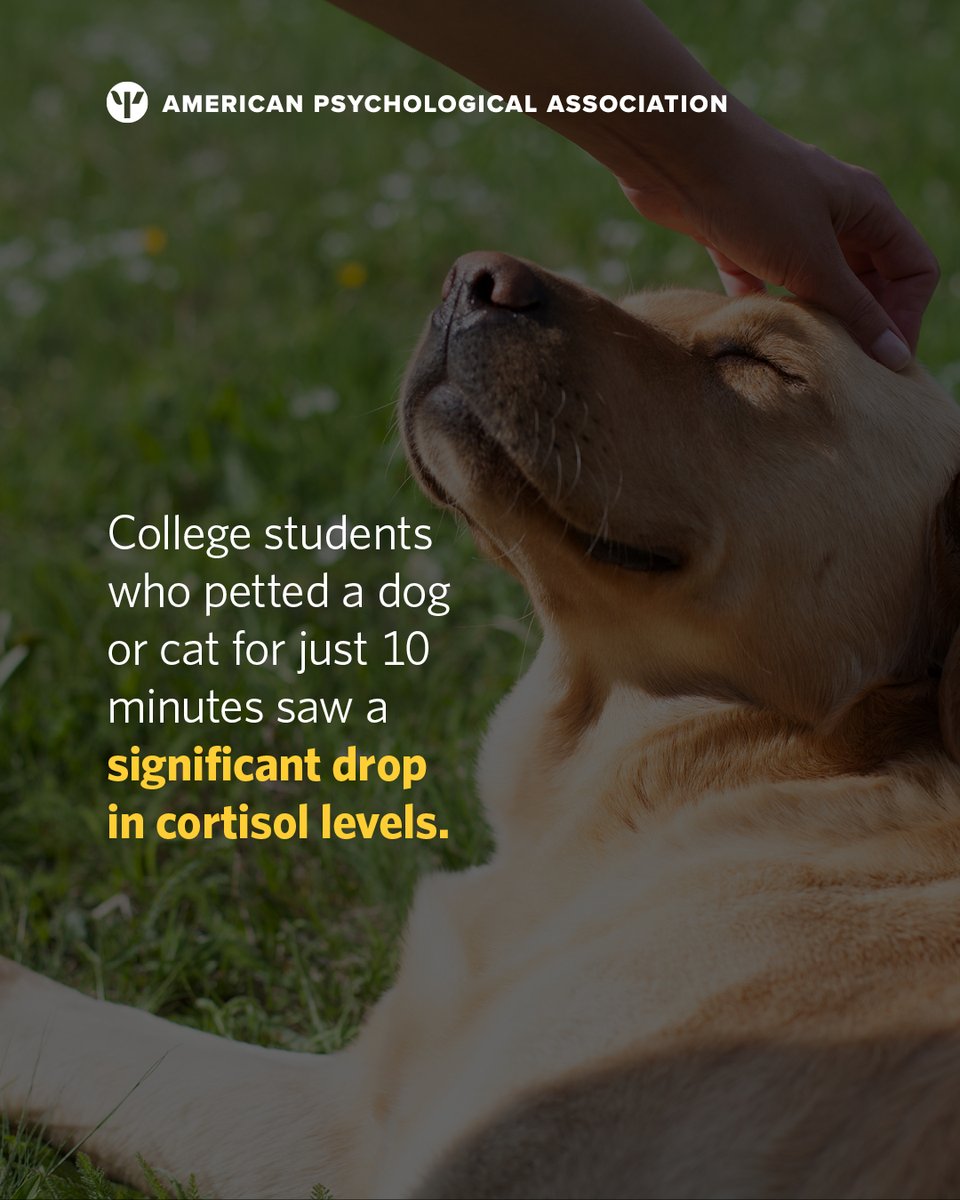
Feeling overwhelmed? Research shows just 10 minutes of petting a dog or cat can meaningfully reduce cortisol, your body’s primary stress hormone.
Learn more about the science of animals and well-being: https://t.co/XamfbP5Qwk
A potential new approach could help improve Parkinson’s disease treatment.
NIH-funded researchers identified a drug candidate that enhanced the benefits of levodopa in animal models while reducing involuntary movements associated with the treatment.
More research is needed to determine whether the approach would be safe and effective in people: https://t.co/gnDQ99WHy2
New Research: Editorial: Advancing neurodegenerative disease biomarkers: the role of neuroimaging in TDP-43 and tau proteinopathies https://t.co/BdQK5d8jJ9 #FrontiersIn#Neuroscience
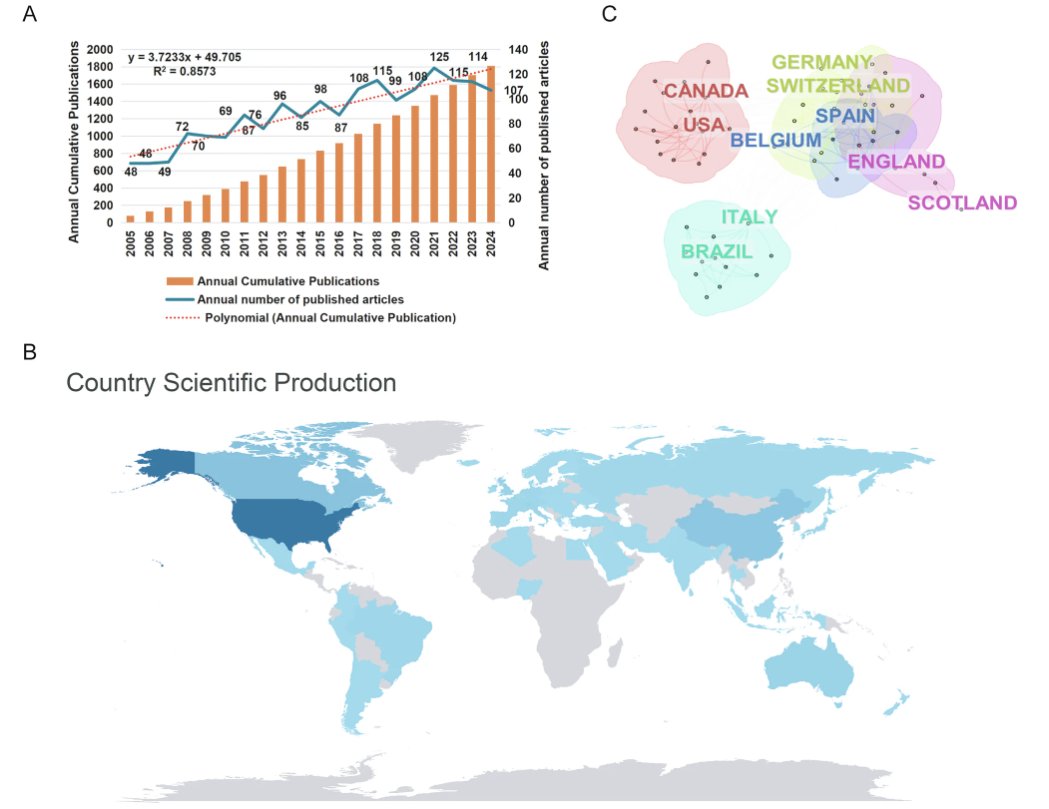
This study explored the research on electrical stimulation therapy in SCI to determine current research trends and emerging frontiers.
https://t.co/ds5jhY0cws