“In 2021, vascular surgeons produced an average of $1.6 million per full-time equivalent, ranking as the fourth-highest revenue-producing specialty in the health care system.” And that is for the obvious, billable services, not for everything else…. https://t.co/JLThmShti8
The framing for this has always seemed strange to me.
Surgery has a 0% failure rate at preventing recurrent appendicitis (yes if done well) and antibiotics a 44% failure rate.
Unless surgery is strongly contraindicated, appendectomy seems like the right choice.
Primary care doctors being happy about specialists getting a pay cut is why doctors are so ineffective.
We would rather settle grudges than work together.
If I wanted to keep doctors perpetually at each others' throats, I'd design a system exactly like the RBRVS.
Now that everyone is an expert on curing pancreatic cancer in mice, not rats - I want to add some context that goes beyond the headline.
You will want to read this.
Cancer is cured in mice all the time.
Thousands of times. ~90% of those “cures” fail in humans.
Why?
Because mice are:
Genetically simpler.
Treated earlier.
Short-lived.
Not humans.
Mice are a filter - not a finish line.
Yes, this study matters. It comes from the Spanish National Cancer Research Centre.
Yes, it’s pancreatic cancer - one of the deadliest there is. Yes, full tumor regression is impressive.
But here’s what it actually means:
“This approach is now good enough to risk years, trials, and millions of euros on.”
Not:
“Cancer is solved.”
What happens next?
More animal work.
Toxicology.
Phase I (safety).
Phase II (maybe works).
Phase III (beats standard care?).
Maybe 8-10 years if everything goes right.
The real damage isn’t failed drugs.
It’s failed expectations.
Every “cured cancer in mice” headline trains the public to believe:
Cures are being hidden.
Progress should be fast.
Scientists are lying when reality hits.
That’s how trust erodes.
Bottom line:
This is how real cancer progress looks.
Messy. Slow. Risky. Incremental.
Not miracles.
Not conspiracies.
Just science - doing the hard work.
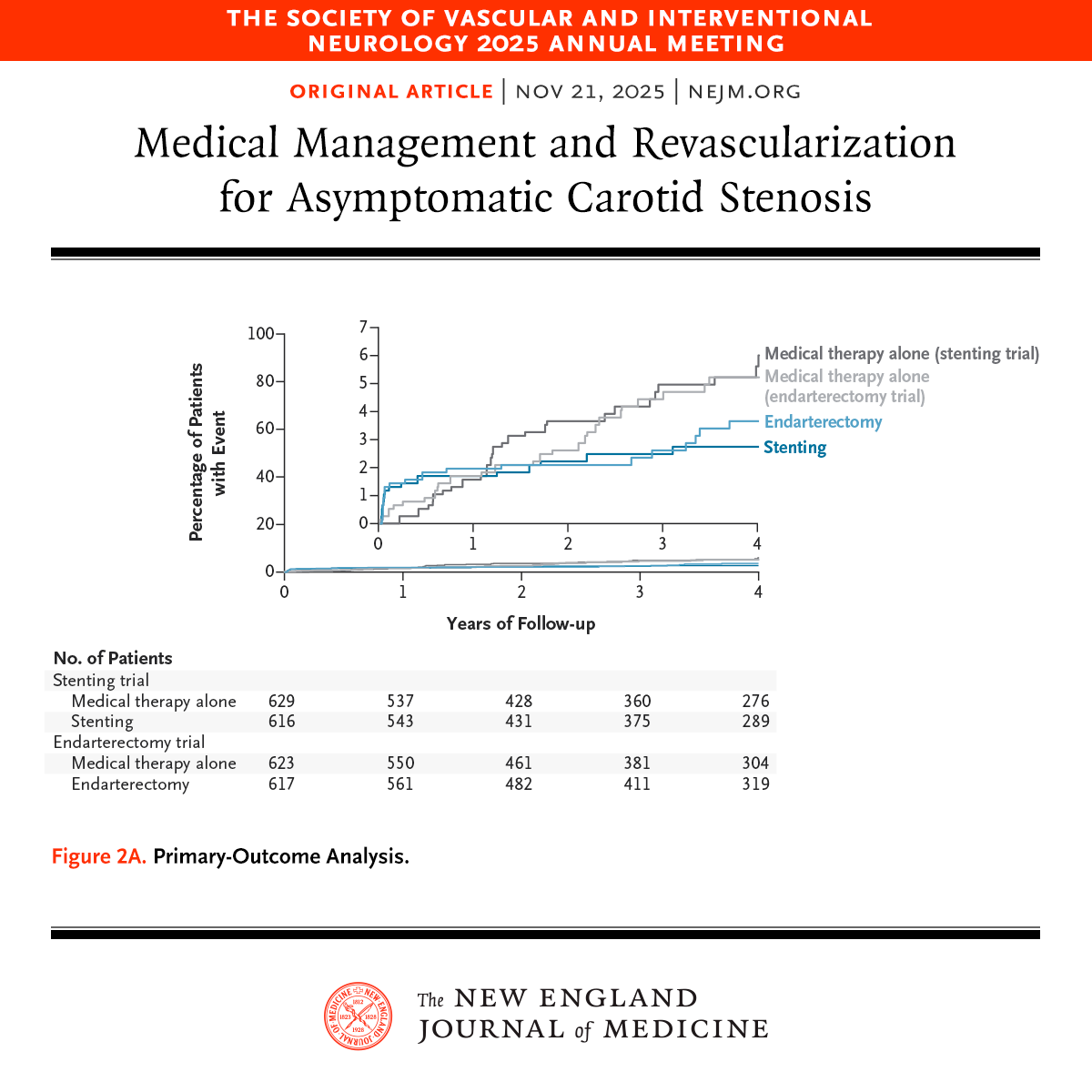
My Neutral Martian take of the CREST 2 trial of asymptomatic carotid vascular disease. On @Sensible__Med
Yet another medical reversal. Wow.
https://t.co/PSPg3nRlL0
Presented at #SVIN25:
CREST-2: In high-grade asymptomatic carotid stenosis, addition of stenting to medical therapy led to a lower risk of stroke over a 4-year period. Endarterectomy did not lead to a significant benefit. Full results: https://t.co/ojge1CjqiU
Editorial: Managing Asymptomatic Carotid Stenosis https://t.co/D9LH89Edyk
@svinsociety
In patients with subdural hematoma and an indication for surgical evacuation, middle meningeal artery embolization plus surgery led to a lower risk of reoperation for recurrence or progression within 90 days than surgery alone. Full EMBOLISE trial results: https://t.co/oNVFLwCmwE
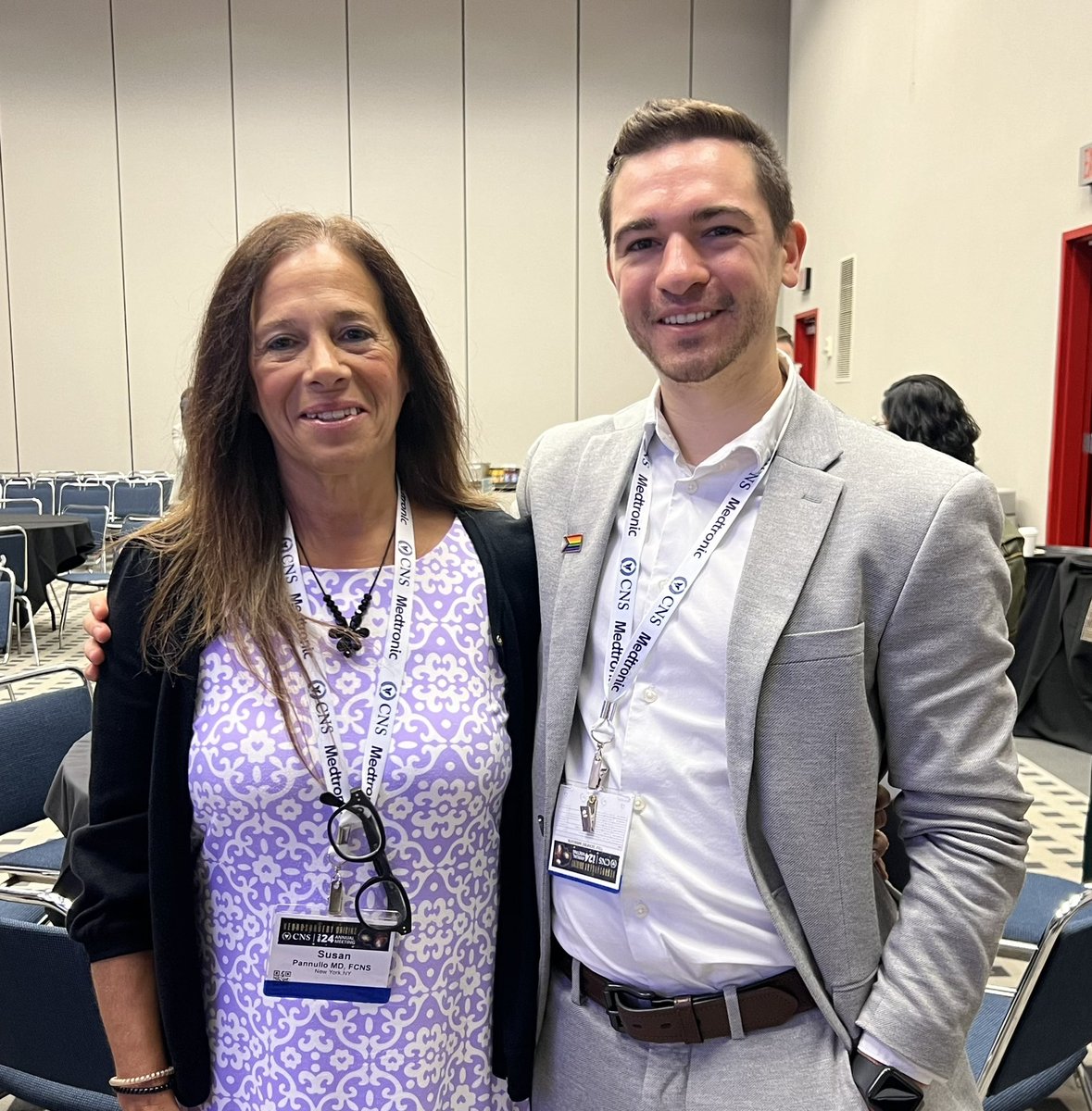
Yesterday we kicked off the morning with the LGBTQIA+WINS Breakfast at #2024CNS! Inspiring discussions on inclusion, diversity, & elevating all voices in #neurosurgery. Together, we’re building a stronger, more inclusive community. #WINSx2024CNS@CNS_Update@pridensgy