Addiction comes in all different forms, but this definitely lands. I’ll be sharing this one with my kids as it’s a perfect illustration of how it unfolds.
Applications are now open for the 7th Summer School in Advanced Economics, focusing on Causal Inference!
Next year's instructors will be the wonderful Jeff Wooldridge (@jmwooldridge) , Pedro Sant’Anna (@pedrohcgs ) , and Scott Cunningham (@causalinf )!
Applications are reviewed on a rolling basis, so don't wait too long to apply!
📅 June 27 – July 2, 2027
📍 Preveza, Greece
Apply here: https://t.co/qhBfBKVBI3
🔗 https://t.co/wa3MN9zcSZ
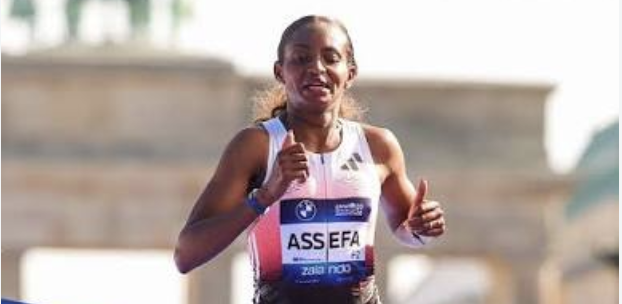
Tigst Assefa ran the third-fastest marathon in history on Sunday, winning the Berlin Marathon in 2:11:04.
For the last 2 kilometers, her Achilles tendon was "completely gone." It's been reported as a rupture.
"She was effectively running on one leg."
Through 40km, she was on world record pace, on pace to run 2:09:45. An unbelievable time. She started feeling pain at 31km and just pushed through. Holding on to the pace. But after 40km, she was visibly limping and slowed significantly
She still won in the 3rd fastest time in history.
After the race, she was immediately rushed for scans and medical treatment which confirmed a complete achilles tear, surgery, and missing ~6 months of competing.
Her manager said, "With a tendon like that, I don't know how she could finish."
Absolutely insane toughness. But it begs the question: how do you run 2 km on a ruptured tendon? Is that superhuman?
The science is fascinating. And it's something I personally experienced.
During World War II, anesthesiologist Henry Beecher studied 215 severely wounded soldiers.
About a third said they felt no pain at all, while nearly three-quarters said they didn't want any drugs for the pain. He concluded that "strong emotion can block pain."
Neuroscientist Howard Fields proposed an explanation for this phenomenon: the motivation-decision model. Your brain weighs pain against everything else you want at that moment.
When something bigger is at stake, it can turn pain down with its own opioids.
If you need to make it to the medic to help you and your squad survive...you don't feel as much pain. Your body is prioritizing its signals, and it decides this one (pain) gets in the way of a much more important goal.
Think of a pilot in an emergency. Alarms flashing and buzzing everywhere. They all matter. But a good captain tunes out everything except what's needed to steady the plane first.
That's our brain.
Now picture Assefa, she's in the closing miles of the race. A new world record is in her sights. She's spent years training for this and knows what it brings.
She feels the Achilles, a little at first, then more. But part of her tunes it out just enough. The pull of the finish is too strong. She still felt pain. It didn't go away and it got worse as the race went along, but the pain was up against a lot.
I've experienced this first hand.
In 2014, I raced a half-marathon as my tune up to attempt an Olympic Trials qualifier in the Marathon. With about a mile to go, my Achilles started to scream. I ignored it and closed my last mile in 4:30 to win.
I got the victory...but then was out for months because I partially tore my achilles.
I still felt pain, but if you asked me during or even after the race I would have told you, "Oh, just bad tendinitis." My brain had edited the signal.
So is it toughness? Yes. It still hurt a lot. As I'm sure it did with Assefa.
But toughness is more than handling discomfort. It's navigating it: asking whether the risk is worth the reward, without being blinded by the goal.
It's why sometimes the tough decision is to quit.
In my case, I should have stopped immediately. It was a meaningless tune up. For Assefa, maybe winning Berlin was worth it? It's hard to say.
The same brain that let her run on one leg is the one that can blind you.
On Everest, researchers found climbers so locked on the summit that they couldn't turn around. They called it an "escalation of commitment and difficulty stopping."
That's why real toughness is so hard to figure out. We're always pulled, sometimes to slow down, other times to press on. And both can be the right answer.
Real toughness is creating the space to take the right action. It's a decision-making process.
If the goal is big enough, your brain will let you push through almost anything. That's the gift and the danger.
Toughness is knowing which finish line is worth it.
New publication out today which looks at student mobility into and out of NI. Putting some meat on the bones of the often discussed 'brain drain'
Link to report: https://t.co/dGSjUHpuI2
For decades, Northern Ireland has been fretting about its “brain drain” — a phrase I’ve never liked because it implies that the youngsters left behind are a bit thick, writes Fionola Meredith 🖋️
Read more: https://t.co/WU0yThehBh
Lukasz Fabianski has officially announced his retirement from professional football at the age of 41. 👋🇵🇱
Wishing you the best of luck in your next chapter, @LukaszFabianski! ❤️
🚨 EXCL: Arsenal exploring move to sign Vinicius Junior from Real Madrid. #AFC interest early stage + clubs not yet in talks but idea approved at all levels. Much rests on contract process as no breakthrough yet & #RMFC do not want free exit @TheAthleticFC https://t.co/qYdS5vlfE6
ROAD TO BILBAO…
It’s time for #MatchDaySorted 🥳
📷 Follow & RT for a chance to win:
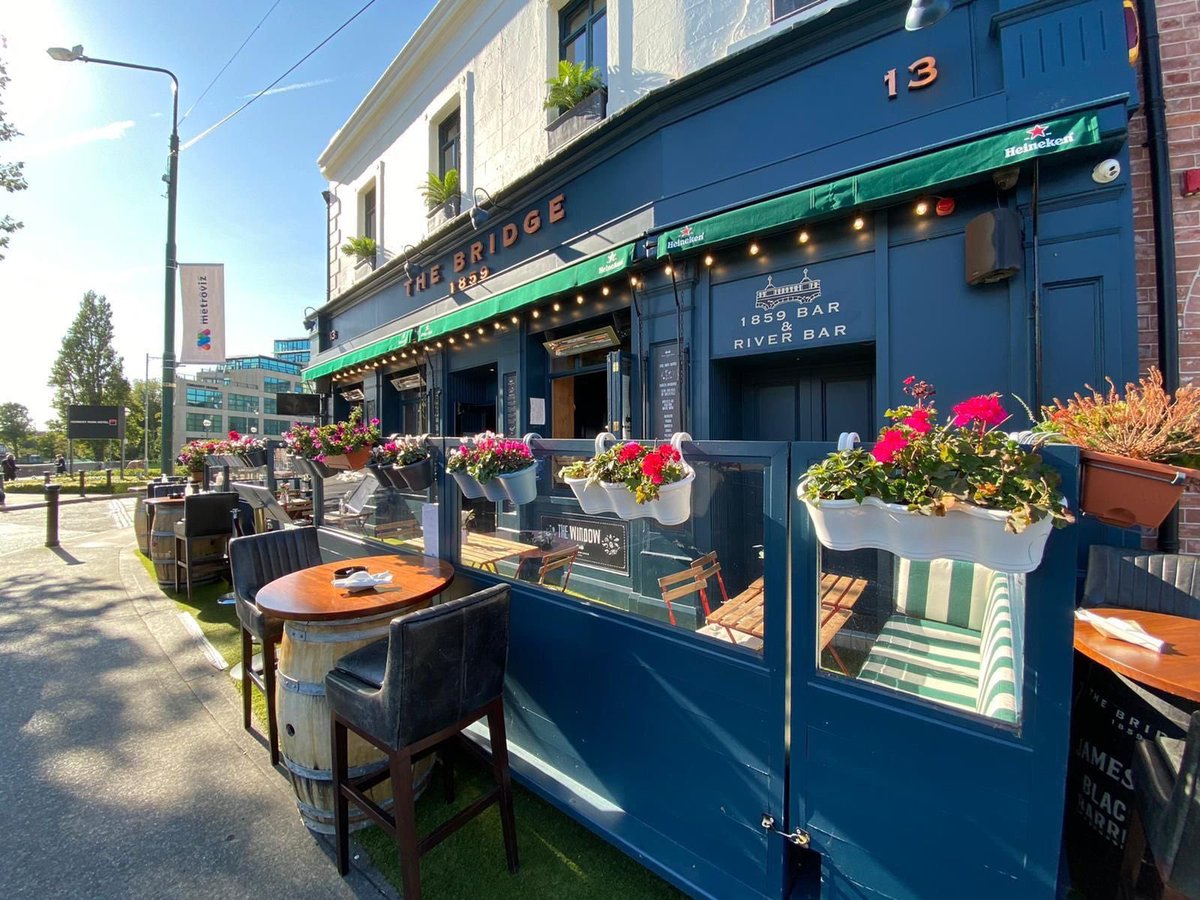
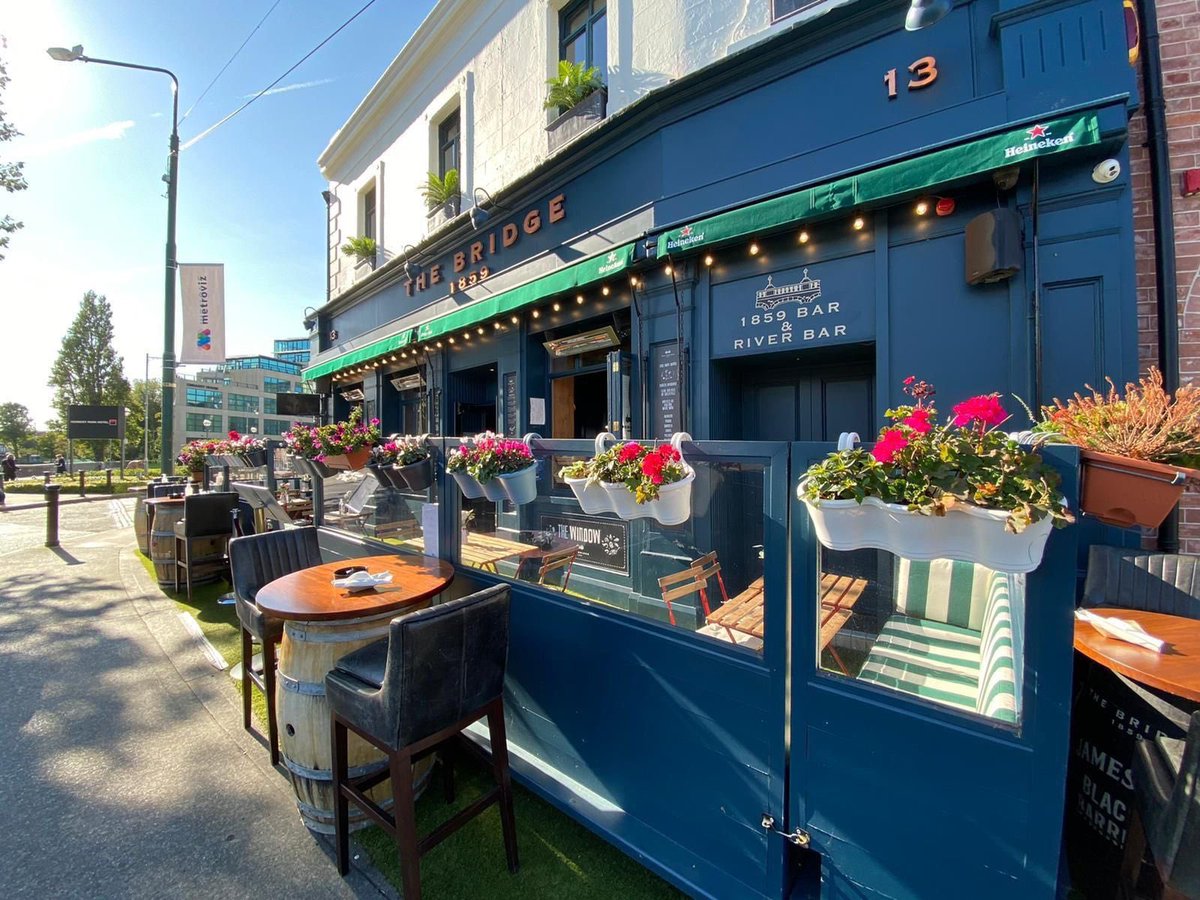
2x Tickets to Leinster v Toulon match on May 2nd in AVIVA
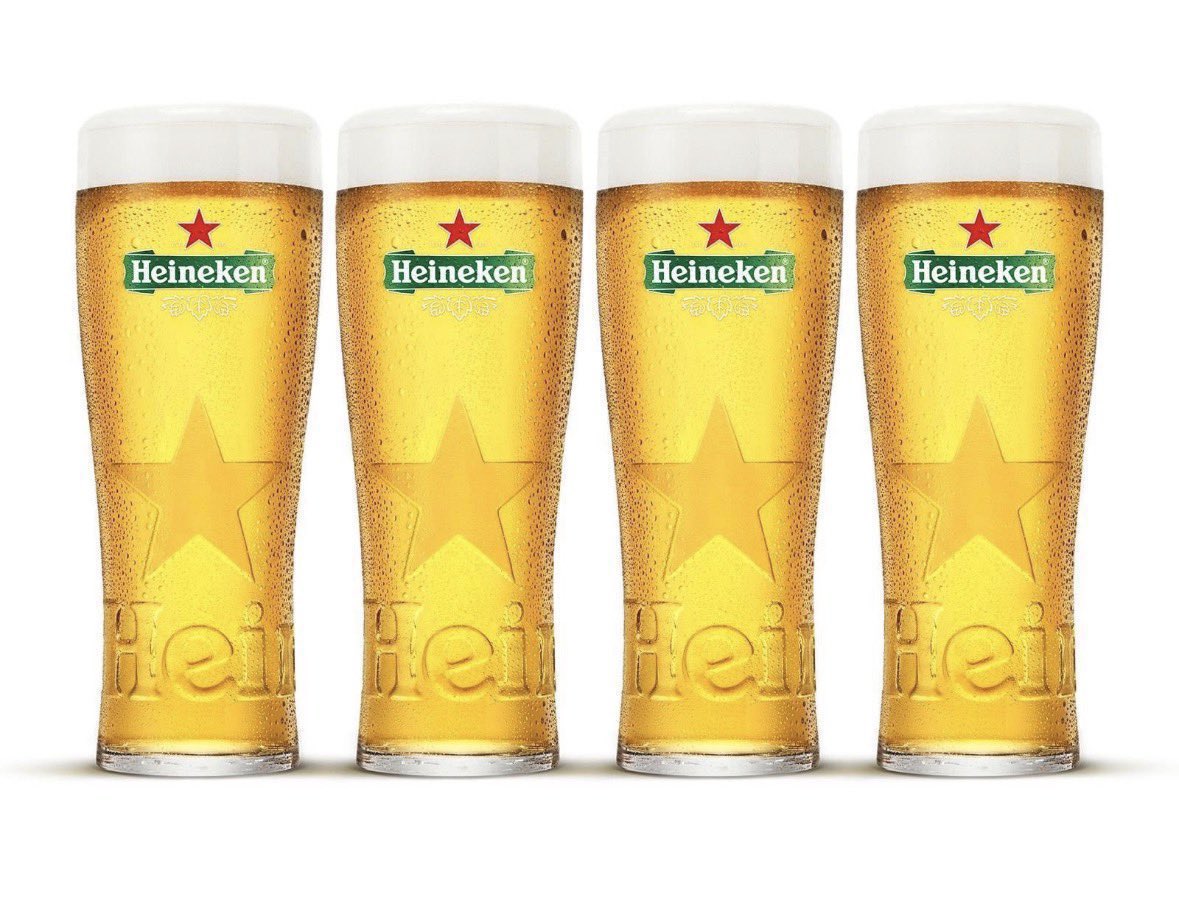
4x Pints of @Heineken_IE
2x Match Day Burger
Winner announced on Thursday , April 30th!
It’s time for #MatchDaySorted 🥳
📷 Follow & RT for a chance to win:
2x Tickets to Leinster v Sale match on April 11th in AVIVA
4x Pints of @Heineken_IE
2x Match Day Burger
Winner announced on Friday , April 10th!