@Ms_AbigailRouse I could be wrong but I feel like tech has influenced young students that spelling has to be correct on the first try. When I was growing up we didn't always ask right away. I never thought I'd say this but this could be an argument for bringing print dictionaries back to schools.
@Ms_AbigailRouse This resonates with me. I am currently a teaching assistant at an elementary summer learning program in my hometown and I've had to fend off questions about spelling a dozen times a day.
@EdelmanAnnie Tech provides these opportunities to students, but how does it also hinder students' abilities to read and read critically when the focus is on the tech itself over the learning? Where do we find a healthy balance?
As for the physical act of reading, there are tech tools that help with reading, but students still need to experiment with these tools and discover what works best for them, especially when learning disabilities are involved. The technology itself is not intuitive.
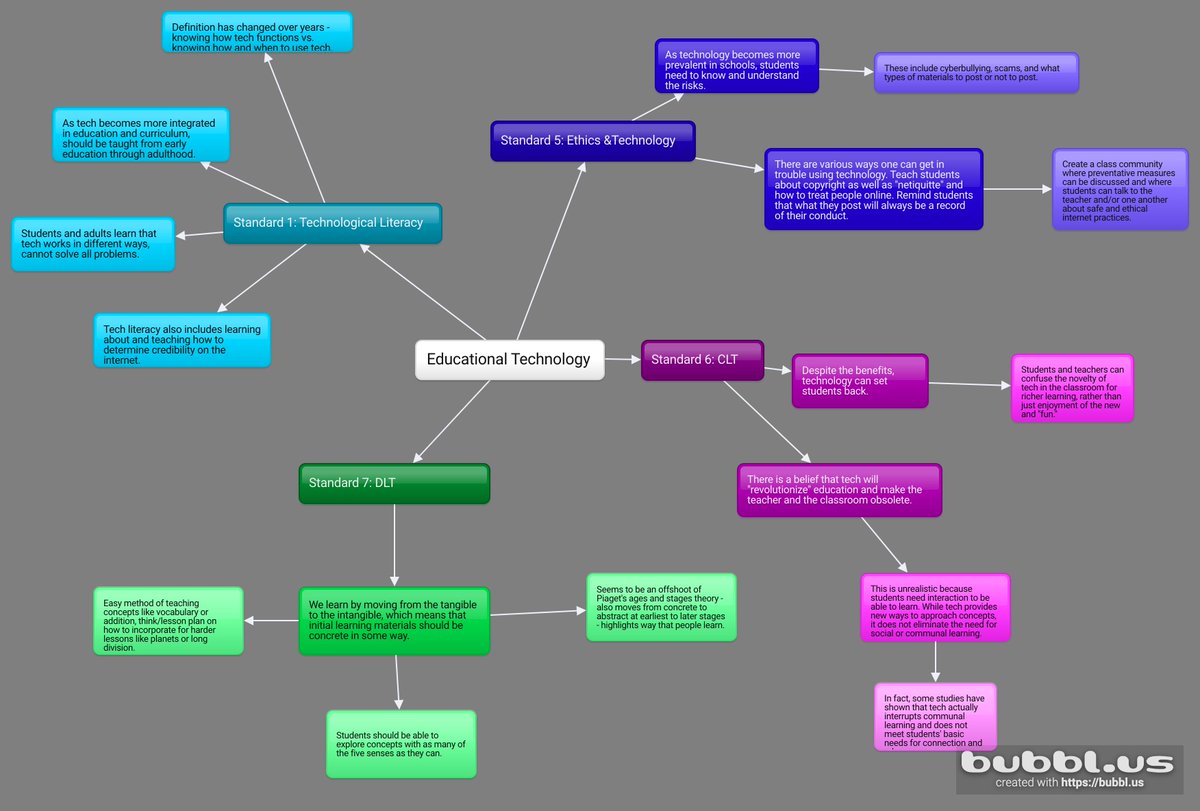
I've been thinking a lot about the idea that tech cannot solve everything and sometimes creates more problems. In reading, if a student is struggling, it's not going to make a difference if they are reading online or on paper without the proper supports.
#ed109
Because tech is neither all-knowing nor all-powerful, the role of the teacher is still important here, especially at a foundational level. The teacher still does need to facilitate a lot and help students read critically.
@EdelmanAnnie I was a young adult but still a camper. For children it is even more important to disconnect and participate because they are building skills in all areas, including communication, interpersonal interaction, and large and fine motor skills used/learned when actively participating
@EdelmanAnnie When I was at camp I always felt that I had to be behind the camera at all times, even when there were people at the camp who were there for that specific purpose. One year I decided to put the camera away and participate more. It was very freeing.
@MDrakegrad You make a good point with this article. There's a lot that does influence our lives, and we don't always notice how many things affect us in different ways. The last paragraph really brings it home in the way tech does affect every consideration in our lives. #ed109
To develop in school, kids need to have similar childhoods to the ones we had. Imaginative play and conversation lead to life skills, whereas overuse of technology in kids' lives can be damaging and help provide less knowledgeable and experienced people going into the future.
The kids in this story are 5 and 8, and the article details how the parents brought imaginative play back into their routine, and how this became a focus on the kids playing together and communicating with each other. #ed109
This frustration can limit critical thinking and our ability to think critically and research various topics with a variety of sources, as we've come to expect all information we might need to be easily and immediately available.
Over the years the size and portability of computers have made it easy to carry the internet in your pocket simultaneously with your backpack (phones and computers). We rely on the internet and its use for everyday tasks when we need information.
#ed109#NOT
Personally I know I fall victim to the ease of portable internet as well. A tradeoff for this is that we can usually get easy and reliable answers quickly, but when a search does not provide what we're looking for right away, we are more likely to become frustrated.
@callmeMsGeo Interesting that you include microwaves. A lot of time we only think of tech as computer based, and it's important to think about the innovations that exist without the use of computers that do make our lives easier. I've never even thought about people who don't use microwaves.
@danielpfinney Can we use the feed to play to student interests, instead of having to fight it? I would think in journalism education especially, but also in general, there are ways to format lessons around these interests.