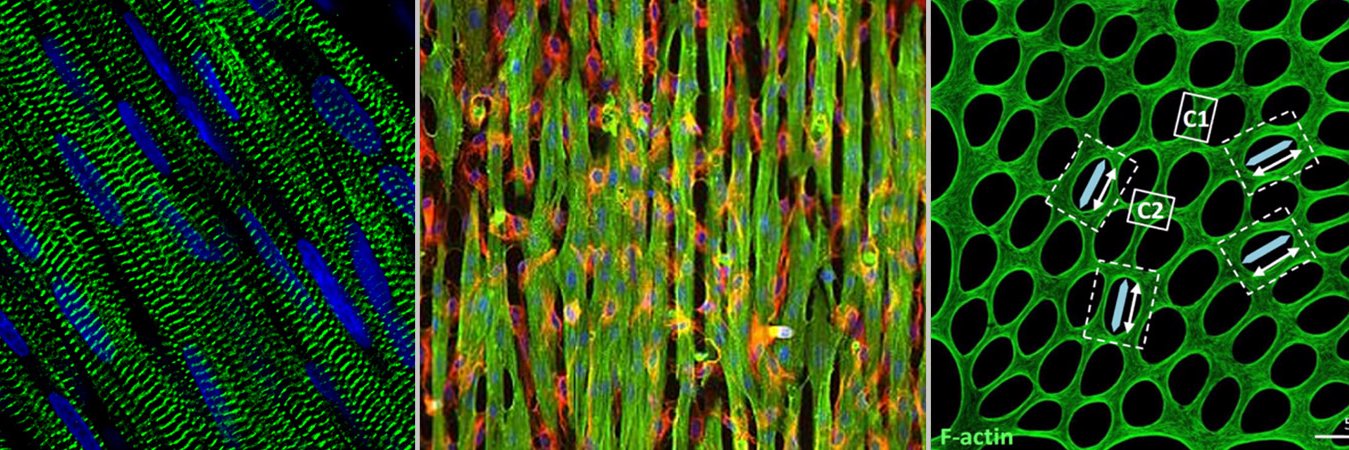
cardiac & skeletal muscle tissue engineering, differentiation of pluripotent stem cells into striated muscle cells, and ephys of excitable cells and tissues
Our newest paper "Regulation of sodium/calcium homeostasis by BacNav gene therapy rescues cardiac dysfunction in chronic heart failure" was just released in
@ScienceAdvances! Check it out here:
https://t.co/DkUl07srkj
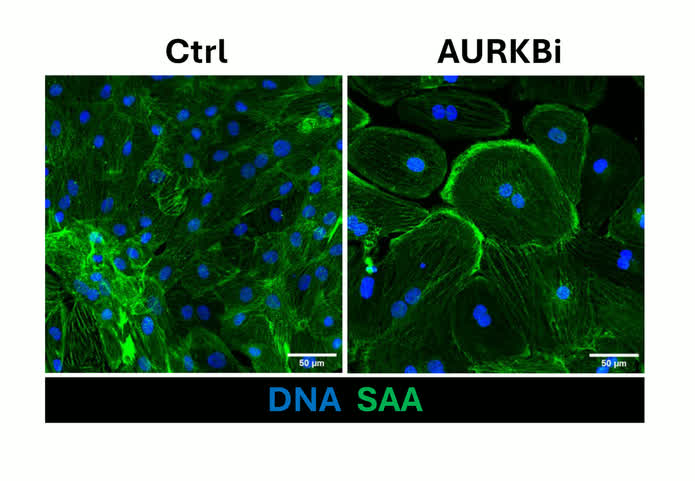
Inducing stable polyploidy in human iPSC-derived cardiomyocytes affects their transcriptome, cell cycling, and function. #AHAJournals#ResearchLetter@BursacLab https://t.co/KuQ4CIXjC8
Our newest paper, "Effects of Pharmacological Polyploidization in Human iPSC‐Derived Cardiomyocytes", was just released in the Journal of the American Heart Association! @JAHA_AHA
Check it out:
https://t.co/UmgsVjai53
Our new publication "BacNav Gene Therapy Improves Function of Infarcted Engineered Human Myocardium and NHPs" was released in Circulation Research! @CircRes
Check out the article and press release below:
https://t.co/b305zCJkht
https://t.co/Xzokm84GBE
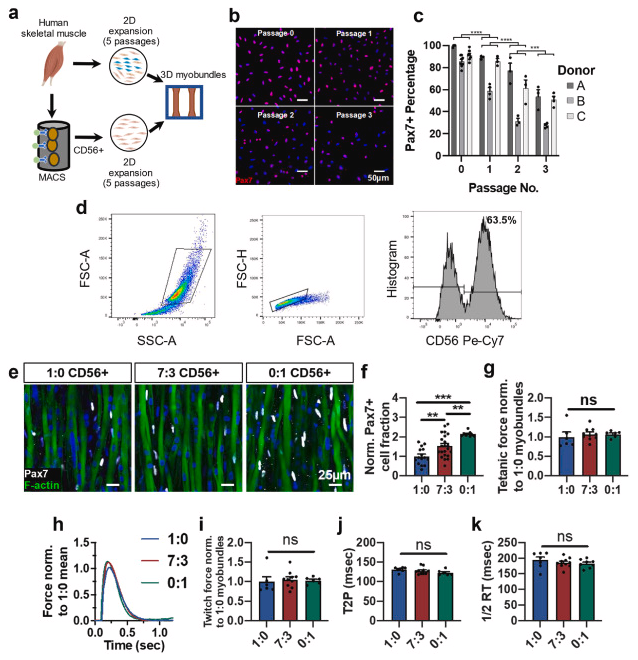
For the first time, @DukeU researchers including Torie Broer generated in vitro robustly vascularized, highly functional engineered human skeletal muscle tissues, that mimicked in vivo satellite cell abundance and density. 🛰️
https://t.co/VDpTkL5JLt
⚗️Dr. Alastair Khodabukus and colleagues, describe the first 3D tissue-engineered hiPSC-derived #SkeletalMuscle model of LGMD2B.
The model exhibits compromised contractile function, calcium handling, membrane repair 🩹 among other features. @BursacLab
https://t.co/YAKSLuR8o9
How is muscle replaced with fat in patients with limb girdle muscular dystrophy 2B? Our most recent work uses 3D engineered skeletal muscle to explore the molecular mechanisms at play in this untreatable disease.
https://t.co/5OIJUlT5Ty
@JainFoundation@DukeEngineering
Our newest publication "Bioengineered Model of Human LGMD2B Skeletal Muscle Reveals Roles of Intracellular Calcium Overload in Contractile and Metabolic Dysfunction in Dysferlinopathy" was just released in Advanced Science! @AdvSciNews
Check it out here:
https://t.co/Gb59NS7FVn
Can we use cancer's tricks to help make a non-regenerative organ grow? Our newest paper explores how a common skin cancer mutation can encourage heart cells to multiply.
https://t.co/ZYDFlQ7bck
Our newest paper "Time-dependent effects of BRAF-V600E on cell cycling, metabolism, and function in engineered myocardium" was just released in @ScienceAdvances!
Check it out here: https://t.co/dfPMQSxl3W
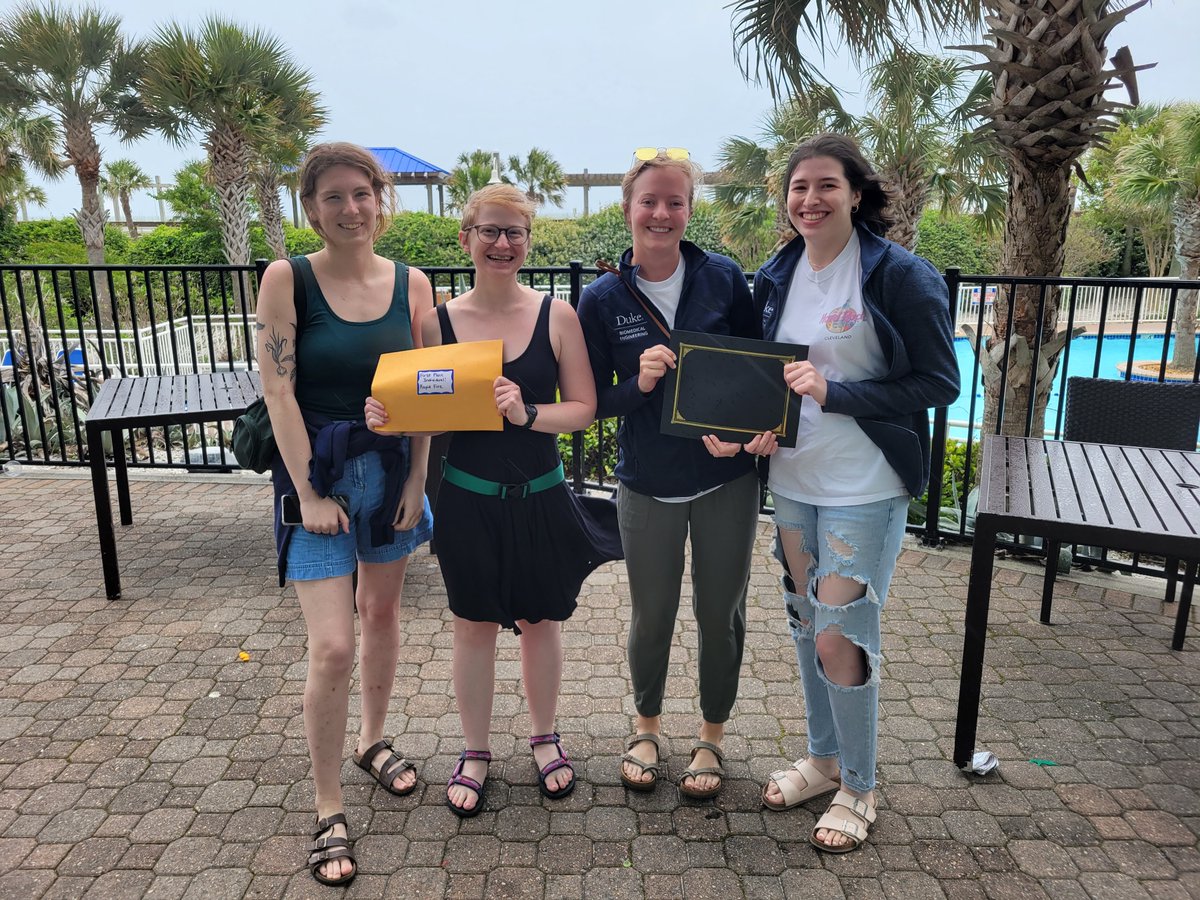
Congratulations to the Bursac Lab members recognized at the
@DukeEngineering BME Retreat!
Marisa - TA excellence award
Abbi - 1st place rapid-fire talk
Torie - TA of the Year award
Amber - NSF GRFP awardee
#PublicationFriday📚 #SCGE PI Dr. Nenad Bursac (@BursacLab) and his team observe satellite cells, cells responsible for #muscle repair, to address muscle degeneration human
https://t.co/FPD1BBCJrk
@dukebiochem
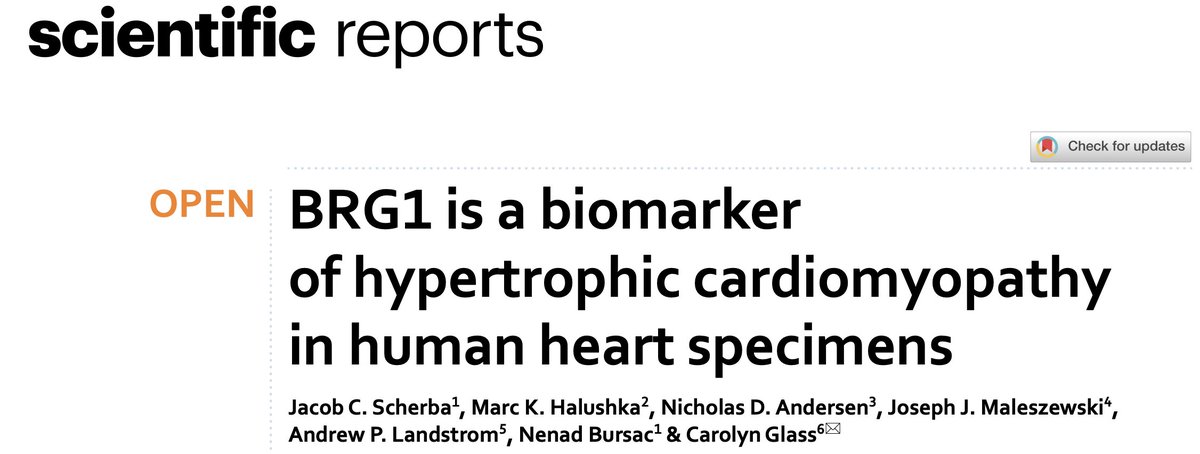
This one has been a labor of (mostly) love over the last 2.5 years or so, and I'm so happy to be able to share it now. Grateful to Dr. Glass,@Marc_Halushka, @APLandstrom, @joemaleszewski, Dr. Andersen, and @BursacLab 🫀
https://t.co/zOrXRhBiZf
Our most recent publication highlights our work optimizing the delivery route for cardiac regenerative therapeutics
https://t.co/dUnGDs4n1E
@FrontCVMedicine
Just one piece of years of collaboration led by @BursacLab, Adam Williams, Dawn Bowles and many others and supported by Translating Duke Health (@DukeMedSchool). Exploring the optimal method to deliver therapeutics for cardiac regeneration. https://t.co/Fvo0MXq1Iz