You've heard about Doug Liman's upcoming Bitcoin film, one of the first hybrid AI productions, made on a $70 million budget.
When I first saw the announcement, I always wondered: what's the budget breakdown?
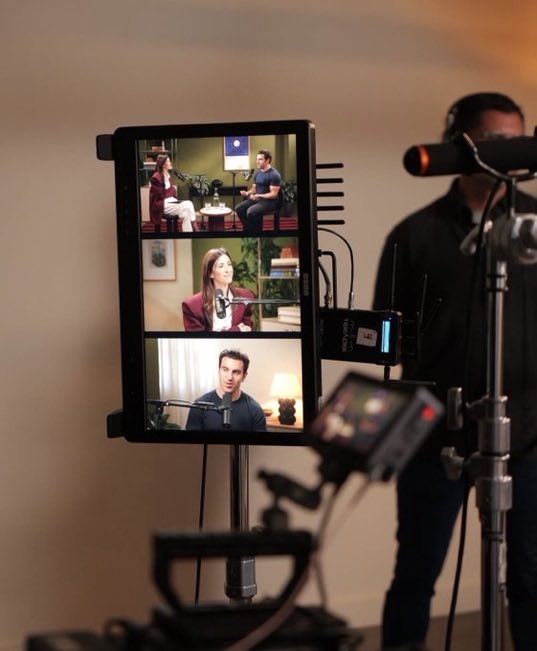
For the first time, we've got answers. I sat down with producer @RyanKavanaugh and he walked me through all of it: where the cost went, what the workflow was actually like, and how this is going to reshape filmmaking.
• His first budget came back at $150 million. He shot it for $70 million.
• How this was split between ATL, BTL, and R&D (100 person crew - everyone got full freight)
• 213 locations across 18 countries, all shot in 21 days on one stage
• 130+ day players, shot in under 2 days
• 60 patents came out of building the system to do it, and they're already in production on a half dozen other hybrid projects
Part of the new season of Inside the AI Studio by @vplandtweets, shot at @aionthelot. Full episode below.
Thanks! Yes I’ve been tracking your sauna research for years and I know they’re usually based on traditional saunas. It’s frustrating so many of these new sauna places popping up are all IR. But that’s great that there’s new research in IR benefits but crazy it’s 75 min. Guess that’s why they install tvs in these suites 😂
Video Insert is now live on H3 Max, the fastest video model on the market and ranked #1 for video editing.
With this new endpoint you can now generate and then insert a new scene into an existing video with H3 Max. Guide the scene with a prompt, reference images, or reference videos, then return to the original footage.
Take your original videos and then add a seamless new scene within it.
Video Insert is now live on H3 Max, the fastest video model on the market and ranked #1 for video editing.
With this new endpoint you can now generate and then insert a new scene into an existing video with H3 Max. Guide the scene with a prompt, reference images, or reference videos, then return to the original footage.
Take your original videos and then add a seamless new scene within it.
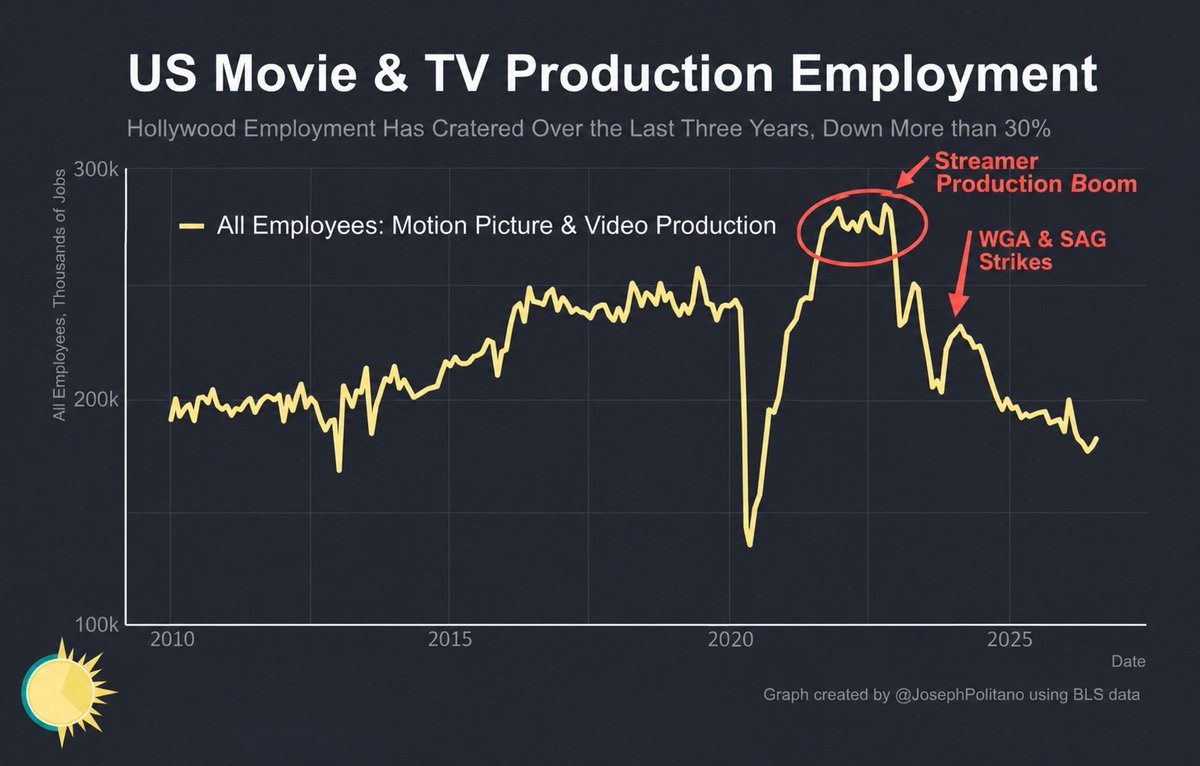
Look, this is a bummer thread and we’re definitely going through an industry shift, but AI is like 3rd or 4th on list of causes and was barely a factor in the early 2020s.
NEW from me:
Over the last four years, America has lost more than 200k jobs in creative fields like publishing, film, TV, or graphic design. It's the worst stretch for arts jobs outside of major recessions.
How much is AI to blame? And can the arts' business model survive?🧵