NEW Paper: Complex associations between #cancer progression and immune gene expression reveals early influence of transmissible cancer on Tasmanian devils. Pub via @FrontImmunol.
#CancerResearch
https://t.co/2chpi0hTQS
👉New paper: In vitro competition between two transmissible cancers & potential implications for their host, the Tasmanian devil. Pub via @EvolAppJournal.
https://t.co/xXv0pdAM3v
#CancerResearch
Featured on L'UM La Science podcast, Sophie Tissot, a doctoral candidate from our CANECEV international laboratory, delves into her research exploring the influence of nutrition on the development of cancers (recently published in @SciReports).
https://t.co/55OmVF99Ja
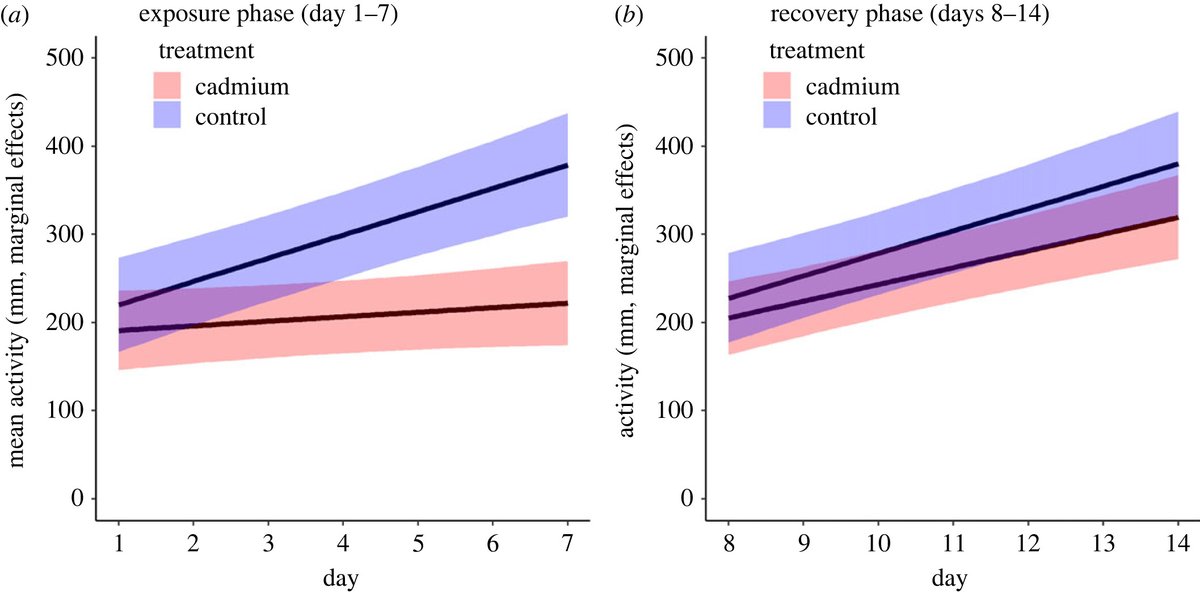
🔊New paper: Behavioural ecology meets oncology: quantifying the recovery of animal behaviour to a transient exposure to a #cancer risk factor. Pub via @RSocPublishing. https://t.co/tmltNlbcdr
New study in @royalsociety investigating how a short term sublethal exposure to a cancer risk factor affects the behaviour of a freshwater planaria and how it recovers from the damages over time.
Link to the paper:
https://t.co/wQEbyDXlXv
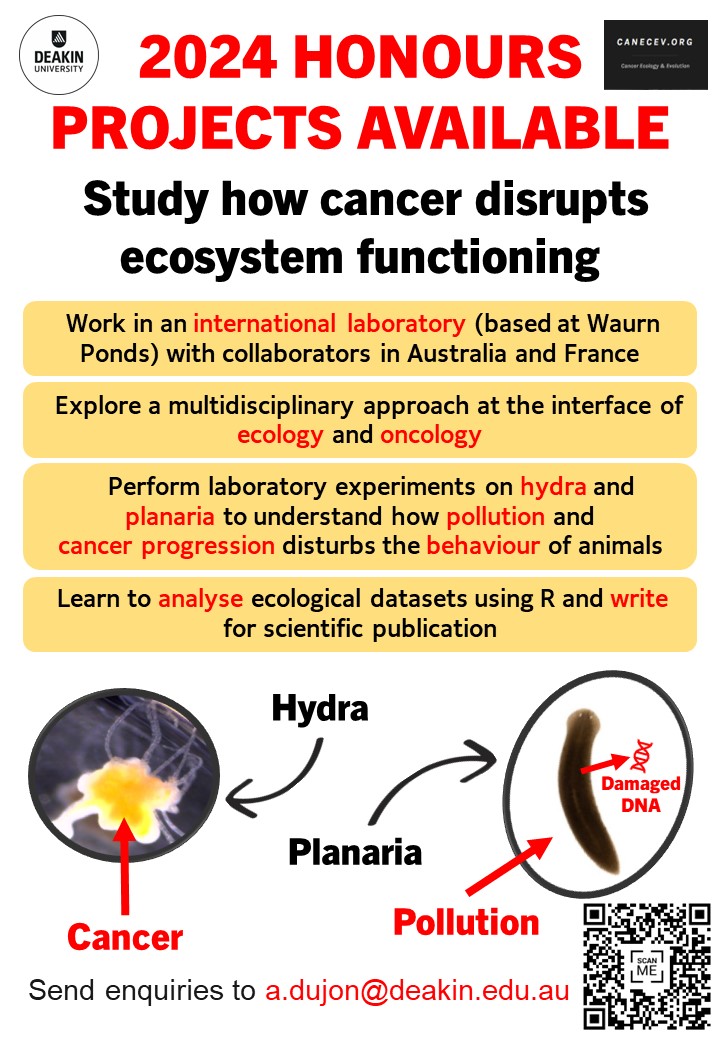
@AMDujon is looking for students in Australia for Honours project as part of the work done in the @CANECEV international laboratory.
Please help us by retweeting and sharing this with your networks. Thanks :)
#cancer#ecology#pollution
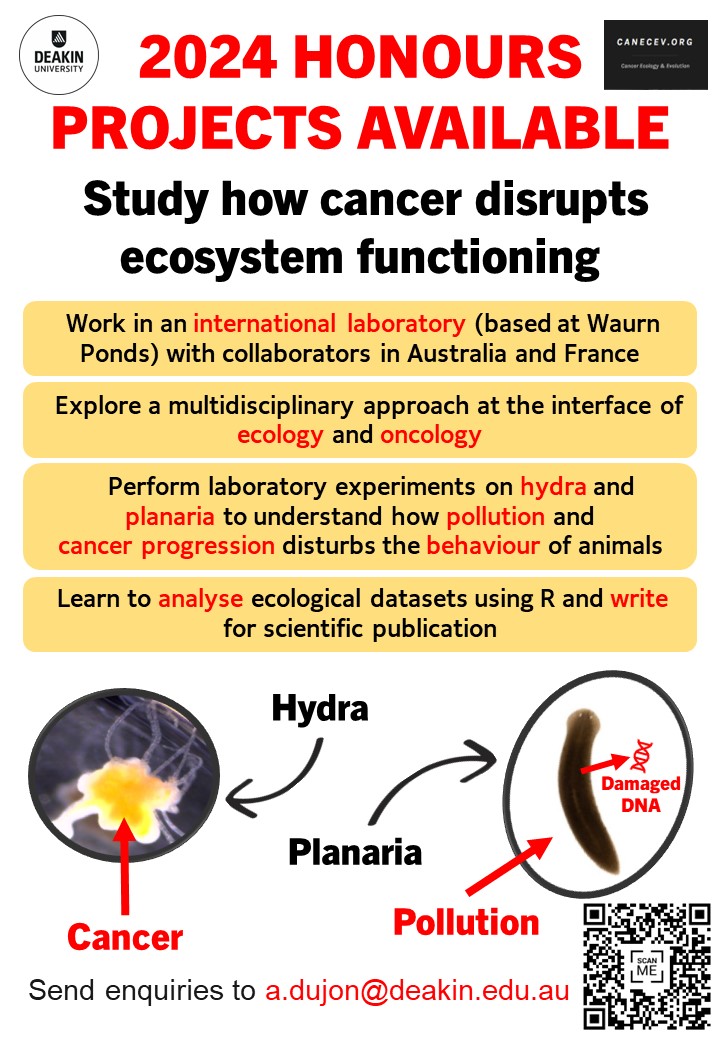
Looking for students in Australia for Honours project to work in the @CANECEV international laboratory. Retweets would be appreciated and help a lot.
#cancer#ecology#pollution
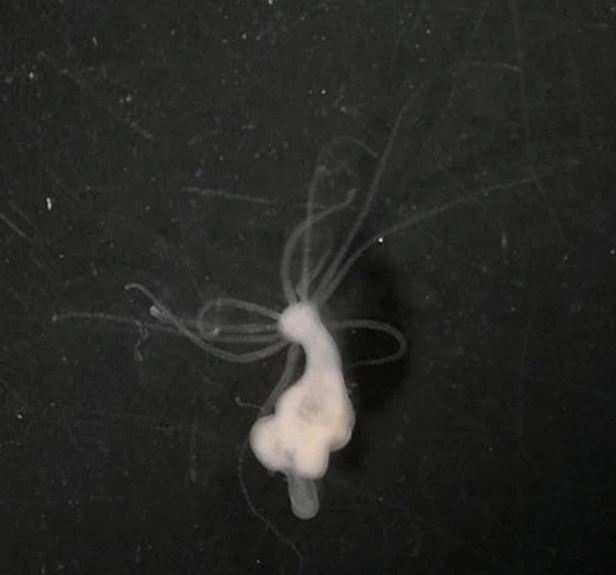
Close up of a dense mat of #Australian freshwater hydras in a mass culture I maintain in the @CANECEV lab. They are used to study the effects of #cancer on ecosystems. When they reach those densities, the whole space is packed with tentacles looking for preys to feed on.
🐺🦘🦠🐂🦭
Does parasite removal increase the risk of cancer in captive mammals, as predicted by the hygiene hypothesis? Our new study in @Ecol_Evol on 112 mammal species found no such evidence. This is good news!
Find the paper in open access here 👇
https://t.co/rScS6KPJfW
New paper! I am so pleased that my paper 'Genetic divergence of farmed blue mussels (Mytilus sp.) in Australian waters' is now published in Aquaculture!
Find it here: https://t.co/tK5RZbP9x8
@BeataUjvari@Dr_Nanotox@AMDujon@DrCraigSherman@WildGenesGroup @MusselsAreCool
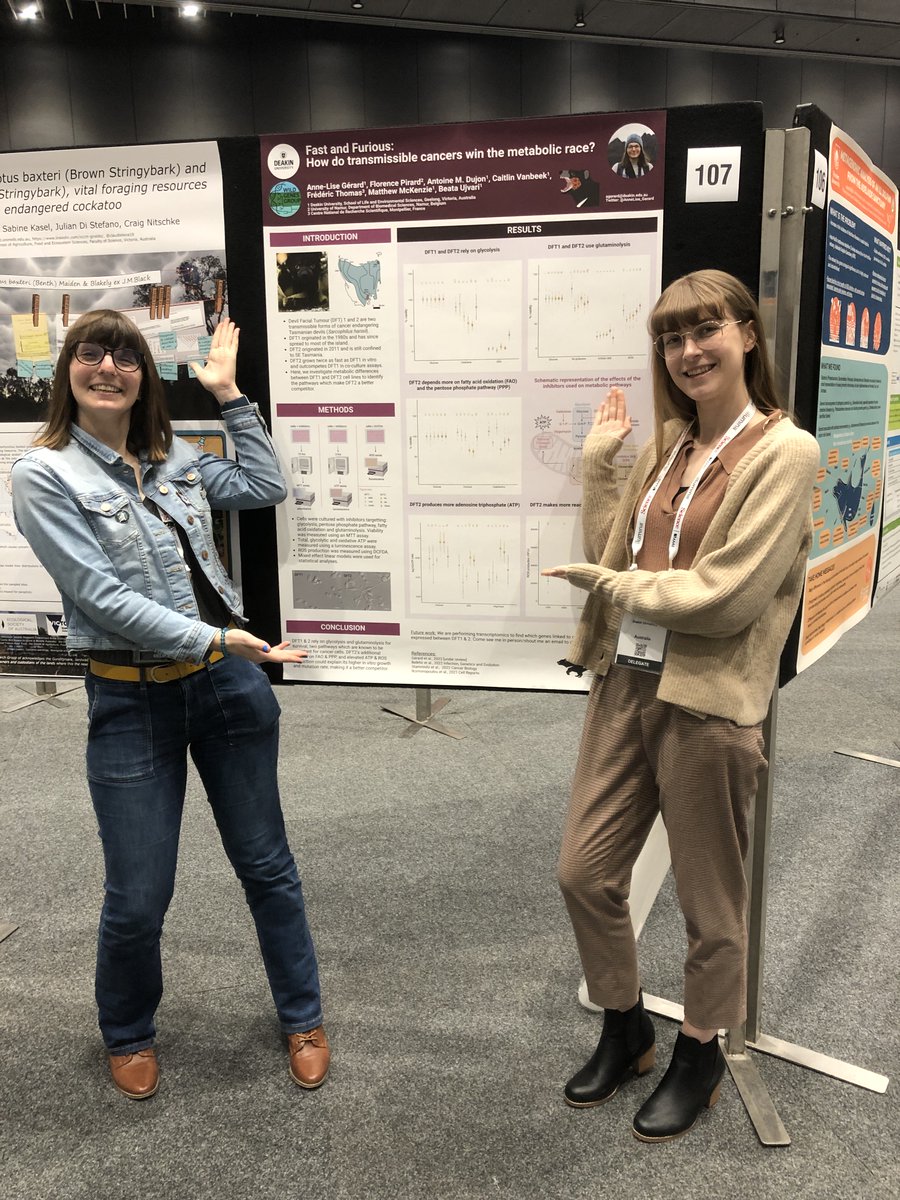
Busy days at #ICG2023 check out @AnneLise_Gerard and @Caitlin_Vanbeek's poster about the "Fast and furious, how transmissible cancers survive the metabolic race". Want to know more? Check poster 107 tomorrow! Cell culture designs by the fabulous @SiddleHannah
🧐 New paper alert: The #tumour is in the detail: Local phylogenetic, population & epidemiological dynamics of a transmissible #cancer in Tasmanian devils. Pub via @EvolAppJournal.
https://t.co/gblPgj9jnJ
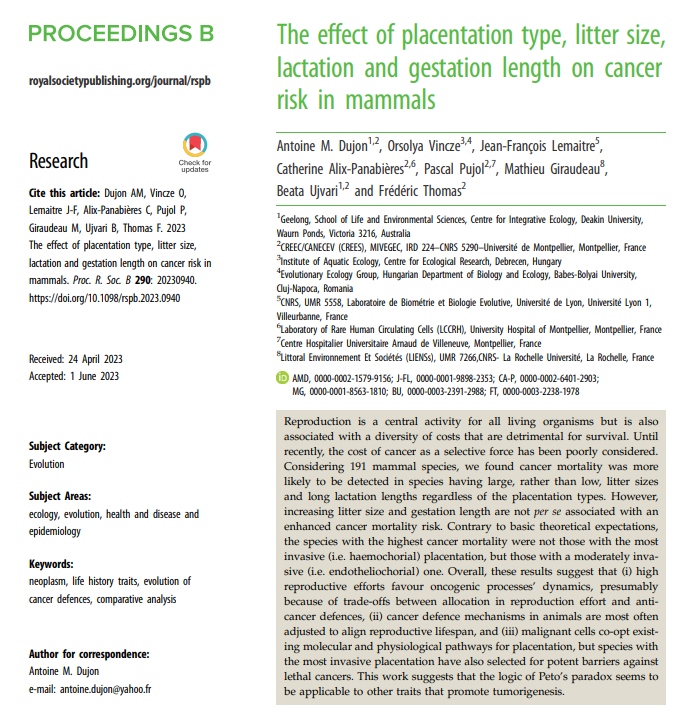
New study on how placentation is linked to #cancer risk in mammals. Placentation can be an invasive process with foetal cells invading maternal tissues, and we think that cancer cells may be able to use pathways responsible for that invasiveness to become more malignant (1/5)
🧐 New paper alert: Number of lifetime menses increases #BreastCancer occurrence in postmenopausal women at high familial risk, pub via @FrontEcolEvol. https://t.co/pp8IEBjlPP
Fun paper to write. I used the Drake equation 📡, created to estimate the number of civilizations in the Milky Way👽to estimate the number of species likely to have transmissible cancers, a form of disease 🦠 that can spread to entire animal populations🌏.
https://t.co/8ROYF7ku7i
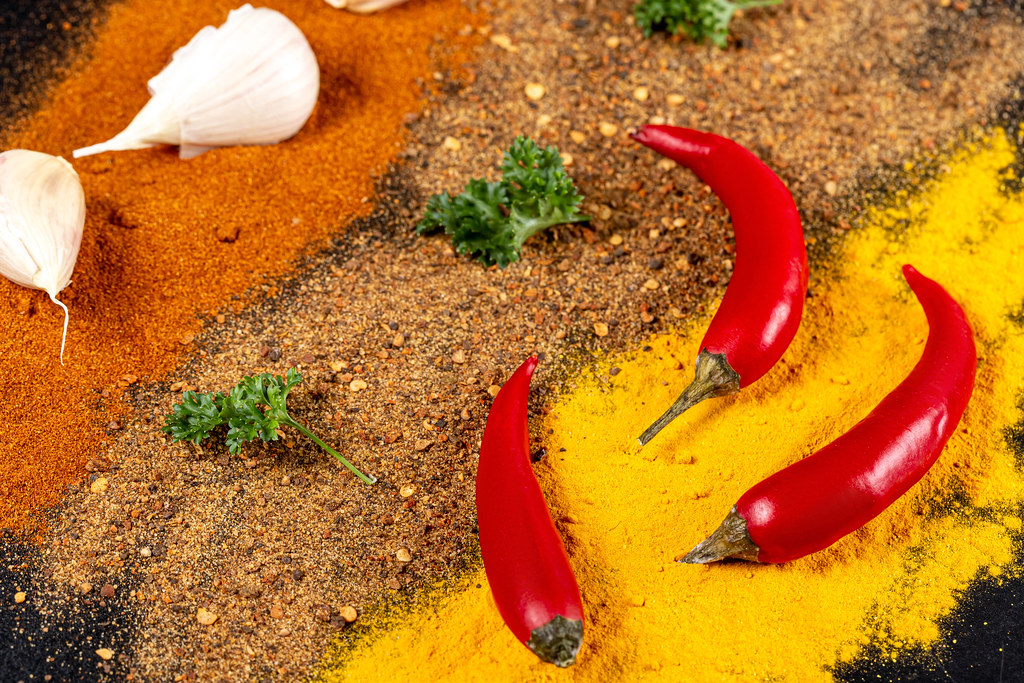
🚨New paper - No evidence that #spice consumption is a #cancer prevention mechanism in human populations. Pub via Evolution, Medicine, and Public Health.
https://t.co/fNEDA7wjxr
We recently explored if spice consumption by humans evolved as a way to protect them against #cancer. Short answer: it hasn't.
We published the study in Evolution, Medicine, and Public Health:
https://t.co/EECFAHNgc5
A thread on how we tested this hypothesis (1/7).