Today is National Voter Registration Day! Take a few minutes to visit https://t.co/V3uLF7XRqt and make sure you’re registered and have a plan to vote. Then check in with your friends and family and make sure they’re registered, too. Let’s get it done.
Proposal: add "pharmacoepidemiology" to all text editor dictionaries. IMHO, if someone spells it correctly - they intended to. Working across @overleaf@posit_pbc@quarto_pub@LibreOffice@only_office@Microsoft on multiple machines, it takes a minute to add manually. thx! :)
A “nocebo effect” is just a harmful “placebo effect”, but most people don’t even understand what a placebo effect is.
Placebo and nocebo effects are NOT simply change over time. And they definitely can’t be measures via ~vibes~.
Read more: https://t.co/aiWXoZ6T9V
This cutting-edge summer school/hackathon in reproducible critical care research was created by students and ECEs @ChariteBerlin@HarvardChanSPH. Planning to attend following @IntPharmacoEpi Conference in #Berlin: https://t.co/lE6rs3gEvz
Spectacularly elegant tools to investigate missing data are provided in the #rstats package smdi().
This jam-packed paper explains missing data bias then applies and validates solutions in #EHR data.
A veritable handbook on missing data. Software here: https://t.co/XWwr6T1NyX
** NEW PAPER from Sentinel Innovation Center **
A simulation study establishing validity of the diagnostics proposed in the smdi package for identifying likely missingness mechanisms is now published in Clinical Epidemiology and available open access
https://t.co/DwZMNfAjpZ
The proposed approach is intuitive and very easy to apply through our R package https://t.co/nFhsNvDvRH, which is available on CRAN. Huge shout out to @noah_greifer for making this package a breeze to use
https://t.co/YTHEYCUvhM
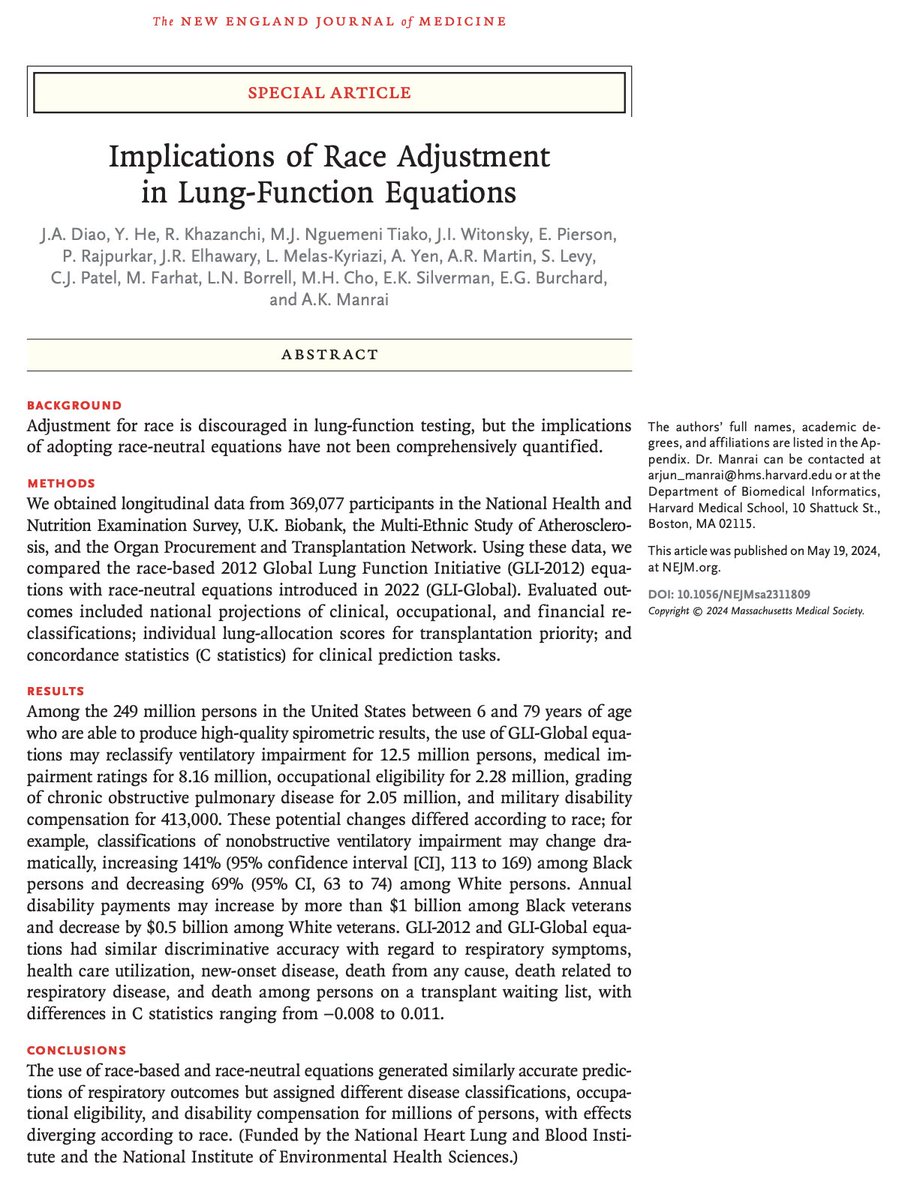
In 2020, @JamesADiao and I began studying race adjustment in lung-function equations. With amazing coauthors, today we published the past years of work in @NEJM, estimating the many clinical, financial, and occupational implications. #ATS2024
Full paper: https://t.co/Re6F7tp27P
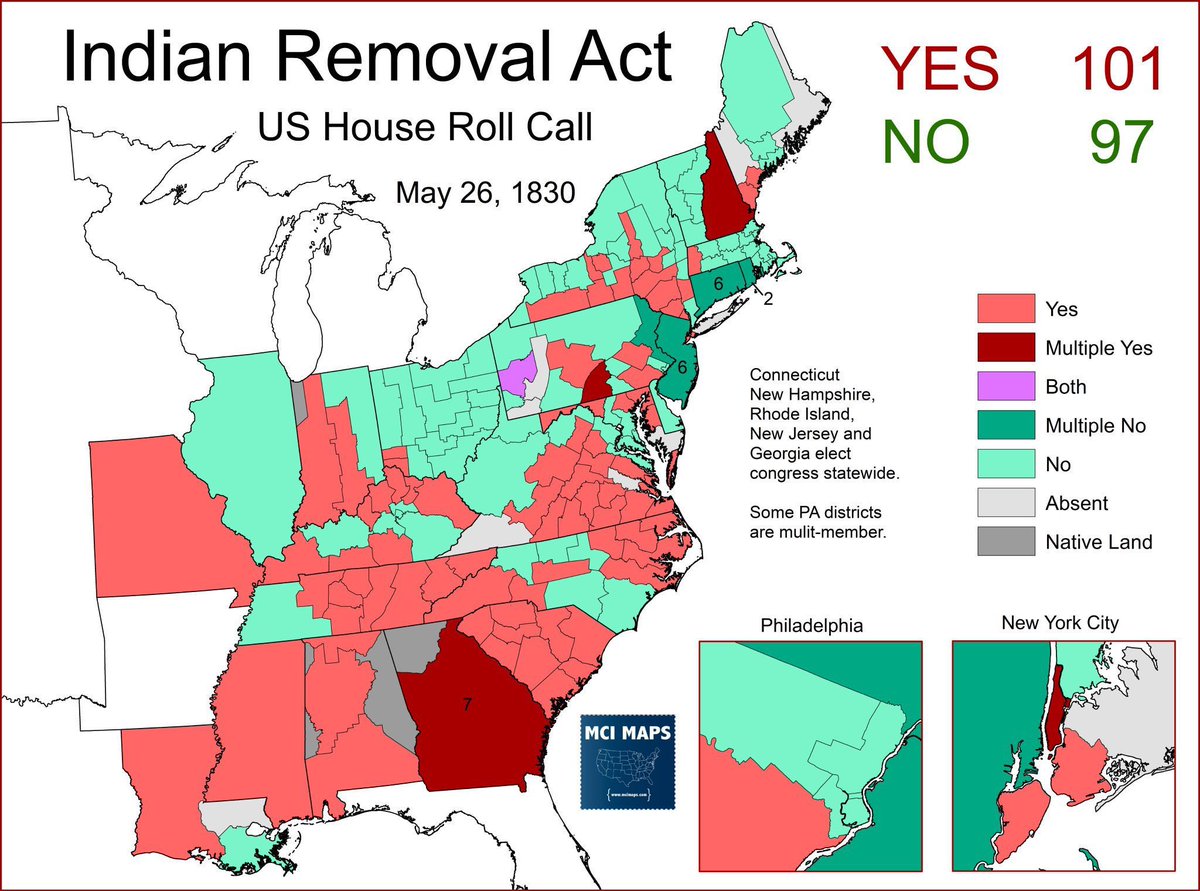
Andrew Jackson signed the Indian Removal Act today in 1830. It killed about 15k Native Americans out of the 100k the U.S. removed. Very important to know this affected more than the 5 largest Indigenous nations—it included many smaller ones like the Potawatomi people who suffered
The sense of optimism I’ve felt in the last six weeks is palpable. We’ve been conditioned to be against – against Ottawa, against frontline workers, against our neighbours. It’s time for us to be FOR something. For Alberta. For all of us.
Pygformula for #causalinference now available on our GitHub!
This comprehensive package is the 1st to implement #gformula in Python. Development led by Postdoc Fellow @JingLi17609667.
GitHub repository:
https://t.co/dtQXw0B8FR
Package documentation:
https://t.co/V1iFqmZGq5
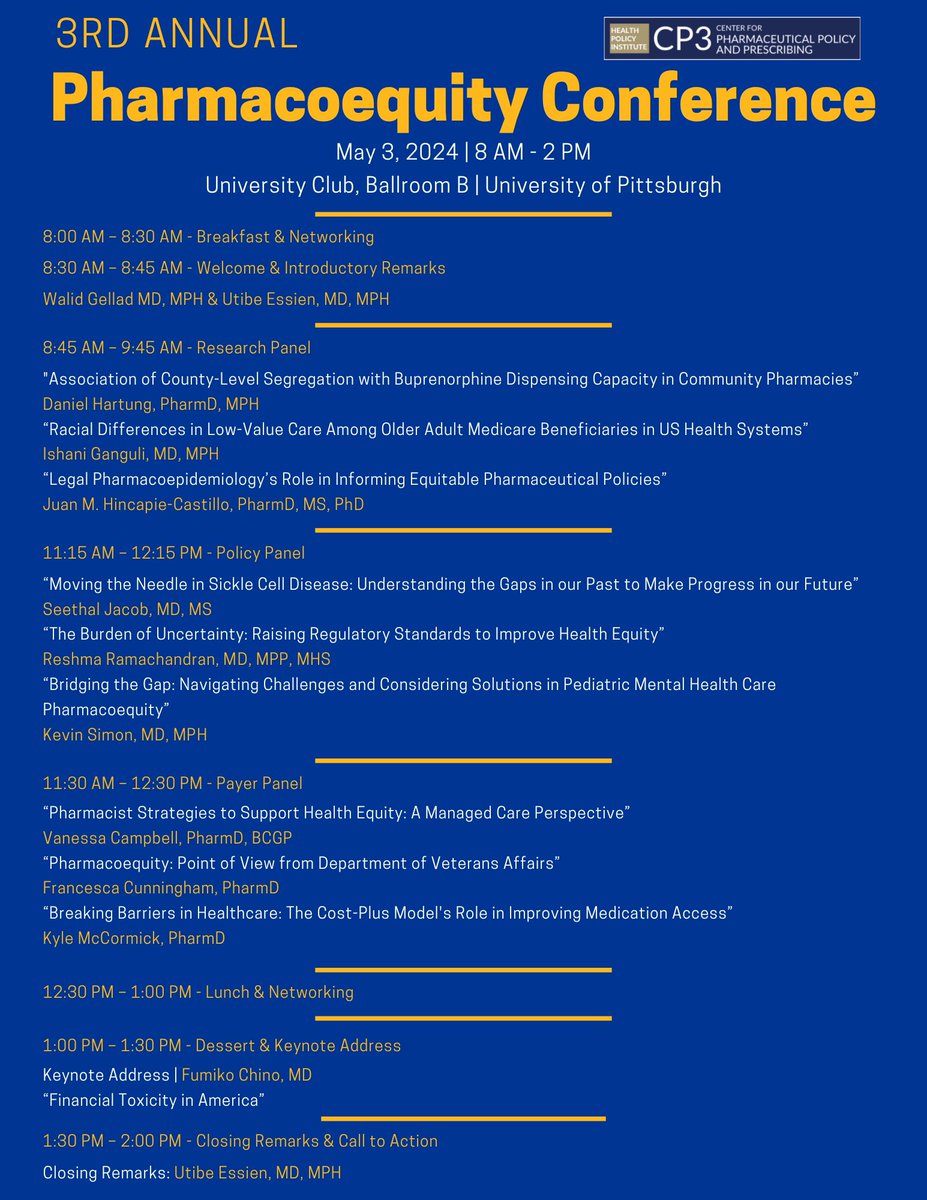
One week left to register for #Pharmacoequity2024!
No other conference gives you the opportunity to learn from and network with international leaders in providing solutions to equitable medication access.
Join us next week! Registration is free!
https://t.co/3v9GTrkFp3
The idea that there is widespread diversion of B.C. #SafeSupply drugs is "simply not true," RCMP commanding officer says. B.C. public safety minister slams Conservative politicians for making claim.
https://t.co/4L4bfnzIhk via @VancouverSun#HarmReduction
Heard a story on the news about a police “cleanup” of a large homeless encampment and it was really cringeworthy. They aren’t vermin or trash in need of removal, they’re people! Very dehumanizing. The welfare of people is more important than “local business owners” in my opinion.
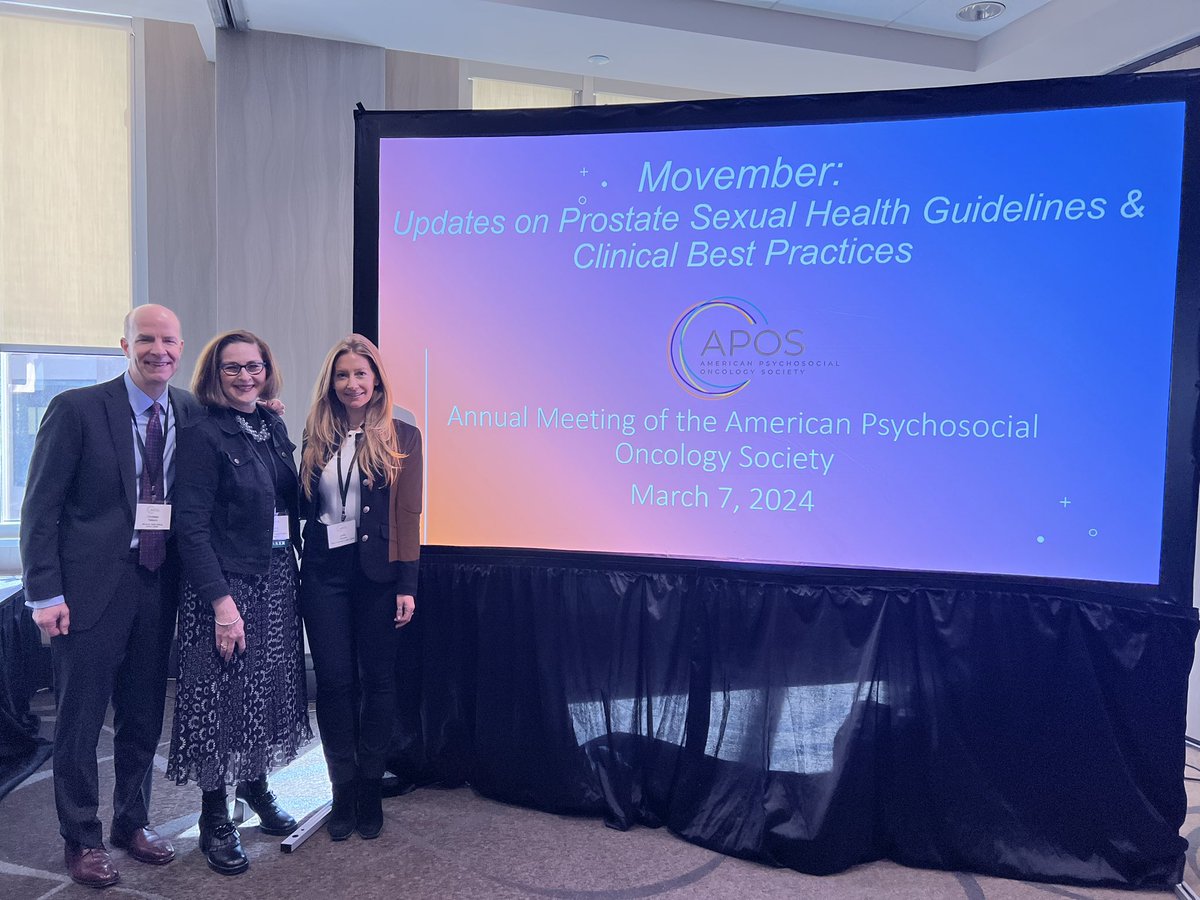
Great to be at #APOS2024 to present the International Recommended Guidelines for Sexual Care for Prostate Cancer Patients with #DrChrisNelson today. We missed you @DrWittmann, leader of this huge initiative. Thank you @APOSHQ for endorsing the Guidelines supported by @Movember
I was watching the movie Critical Thinking (@ditomontiel@JohnLeguizamo) the other night and had a thought: what if there was a remake called Causal Inference? Instead of chess it is causal inference training that someone, say university junior faculty, is teaching as a service learning initiative or education innovation perhaps, bringing data science and causal inference knowledge, methods, and skills to the students. The group then sees potential to use this to causally model the potential / hypothesized outcomes of a new policy or planning decision affecting the community. The group then goes to work producing decision-grade evidence through novel data collection and community involvement strategies, from design->interpretation. In the end the group uses causal inference to change the potential outcomes of their community through real-world evidence owned by the community. Might even call it "Community Inference" to emphasize involvement of everyone in policy-relevant research.