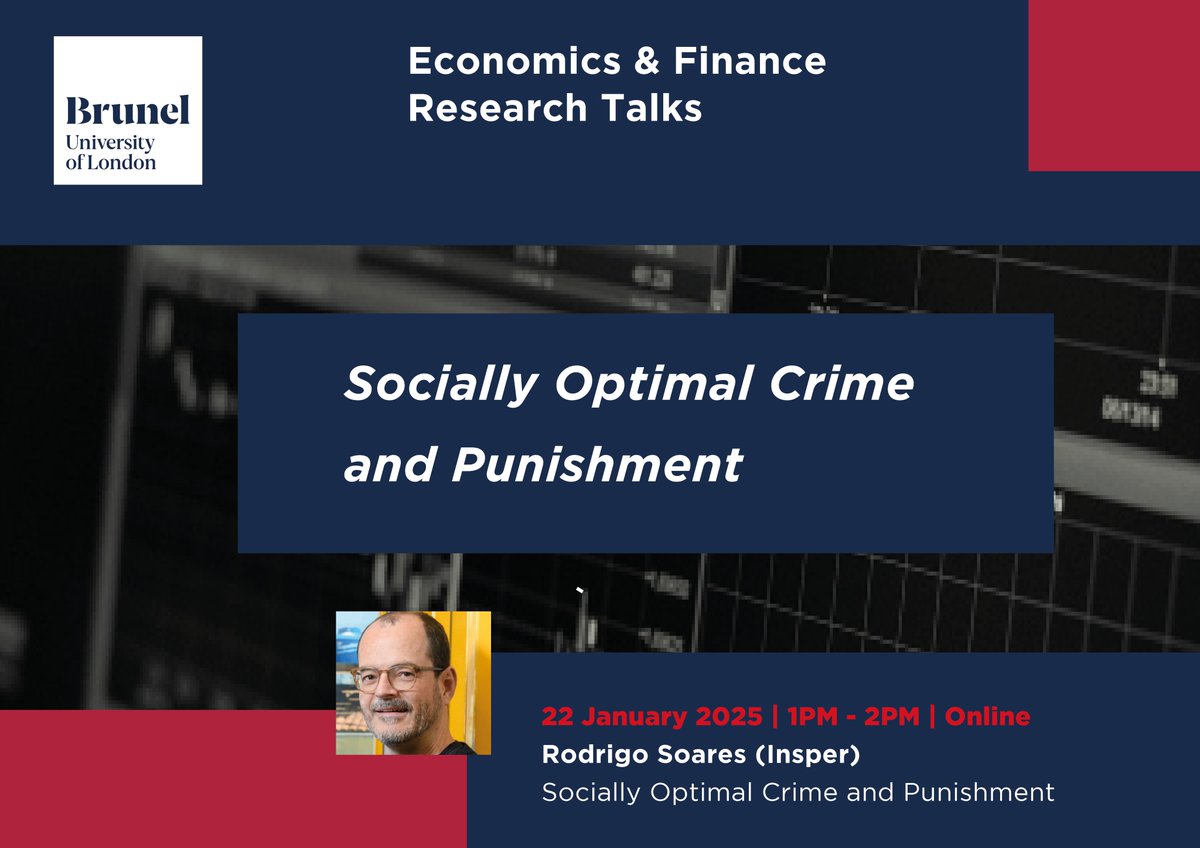
📣 Brunel's Open Data Analysis Research Group: Seminar #2
📅 This Friday: Dr Victor Jatula (Brunel University of London) will talk about the media discourse surrounding hashtag#Nigerian President Bola Tinubu’s first year in office.
👉 Learn more: https://t.co/p7qknVLzkE
Our first year Media students are developing a multimedia pitch this week, using Adobe Creative Cloud - https://t.co/aK4ozYRwZP - which all our Media students have free access to throughout their course! #BruMedia
My latest, ‘What is the EU doing on AI facial-scraping recognition — and is it enough?’, has just been published in the EU Observer.
Perhaps the article should have been subtitled, ‘Is the UK doing enough?’
In this piece, I examine the activities of foreign facial recognition technology companies, such as Clearview AI and PrimeEyes, that scrape images from the web in violation of data privacy laws in the EU and UKThe UK ICO sanctioned Clearview AI in 2022 for indiscriminately scraping photos and metadata of UK residents, but this was overturned by the First-Tier Tribunal on appeal. Clearview AI argued that it falls outside the ICO’s jurisdiction because (a) it does not process personal data of UK residents in connection with behavioural monitoring, and (b) even if it does, its provision of services to foreign law enforcement and intelligence agencies excludes it from UK GDPR’s scope.
The ICO, in my view, correctly concluded that both the creation of facial recognition profiles (indexing) and the subsequent use of the database to identify individuals constitute behavioural monitoring. However, the First-Tier Tribunal ruled that the creation of the profiles alone does not qualify as behavioural monitoring. According to the Tribunal, the automated generation of biometric profiles, even when paired with metadata, does not reveal anything about the subject’s behaviour. While it acknowledged that subsequent use of the database could involve behavioural monitoring, the Tribunal maintained that the ICO lacks jurisdiction, as GDPR does not apply to activities of foreign government agencies.
In contrast, the French Data Protection Authority (CNIL) takes a broader view. It considers behavioural monitoring to include profiling techniques that assess personal aspects such as preferences, behaviour, or location. Under this interpretation, creating the biometric facial profiles itself constitutes behavioural monitoring. EU authorities don’t consider the end users of the database, i.e., government agencies, to be relevant to determining their jurisdictions. This approach seems far more reasonable.
While the First-Tier-Tribunal’s analysis of case law was robust and commendable, its literal interpretation of the UK GDPR’s provisions on behavioural monitoring is flawed. It disregards the definition in the UK GDPR [recital 24 and article 4(4)], that explicitly include profiling—a practice Clearview’s activities clearly fall under.
The GDPR’s exclusion of foreign government activities was not designed to allow commercial firms to bypass compliance by posing as foreign government agencies. The principle behind this is gov'ts don't bind other gov'ts through their domestic laws.
As a quick fix, the UK should extend GDPR to cover foreign firms conducting scraping in the UK, regardless of whether behavioural monitoring is involved, making it irrelevant the service may be offered to foreign governments.
Read the full article here: https://t.co/yLSrkp2Asy
@BrunelLaw@CBASS_Research
@BrunelSMCJ's Katalin Halasz has a new chapter in 'Capacities To: Affect Up Against Fascism' - over 40 essays & creative works that explore approaches for creating counter-movements in our increasingly authoritarian age - free download available here: https://t.co/llwCKY18Gf
Are you a 2nd or 3rd year Brunel student starting to think about your future career? Then join our award-winning mentoring scheme to be paired up with a mentor from your chosen industry! Full details and how to apply here https://t.co/8t7VDDT4mQ #BruMedia#BruSoc#BruJourno
How Do Young People Navigate Online Extremism, Misinformation, and Exploitation?
👉Watch the online panel, chaired by Prof Ashley Braganza, with Dr Nelli Ferenczi, Dr Billur Aslan Ozgul and Dr Zoi Krokida: https://t.co/JabGXQCyWz
@BrunelResearch@AIBrunel
Welcome to the new Rector of Brunel University of London: Professor Dame Jocelyn Bell Burnell. 🎉
The celebrated astrophysicist has been appointed as the ceremonial figurehead of the University. Read more about the role and her appointment: https://t.co/o6SbnkfmNp
#BrunelUni
With the UCAS deadline drawing near, we're showcasing brief course videos for our subject areas this week - first up, Sociology! For more details and to apply, click here: https://t.co/QeZu95GjfH #BruSoc
"In recent years, the global education community has increasingly recognized the transformative power of play-based learning (...)" 📚
Dr @lewis_fogarty draws upon his recent experiences visiting nurseries and schools in rural hashtag#Uganda.
👉More: https://t.co/BIP8lnf2Mj
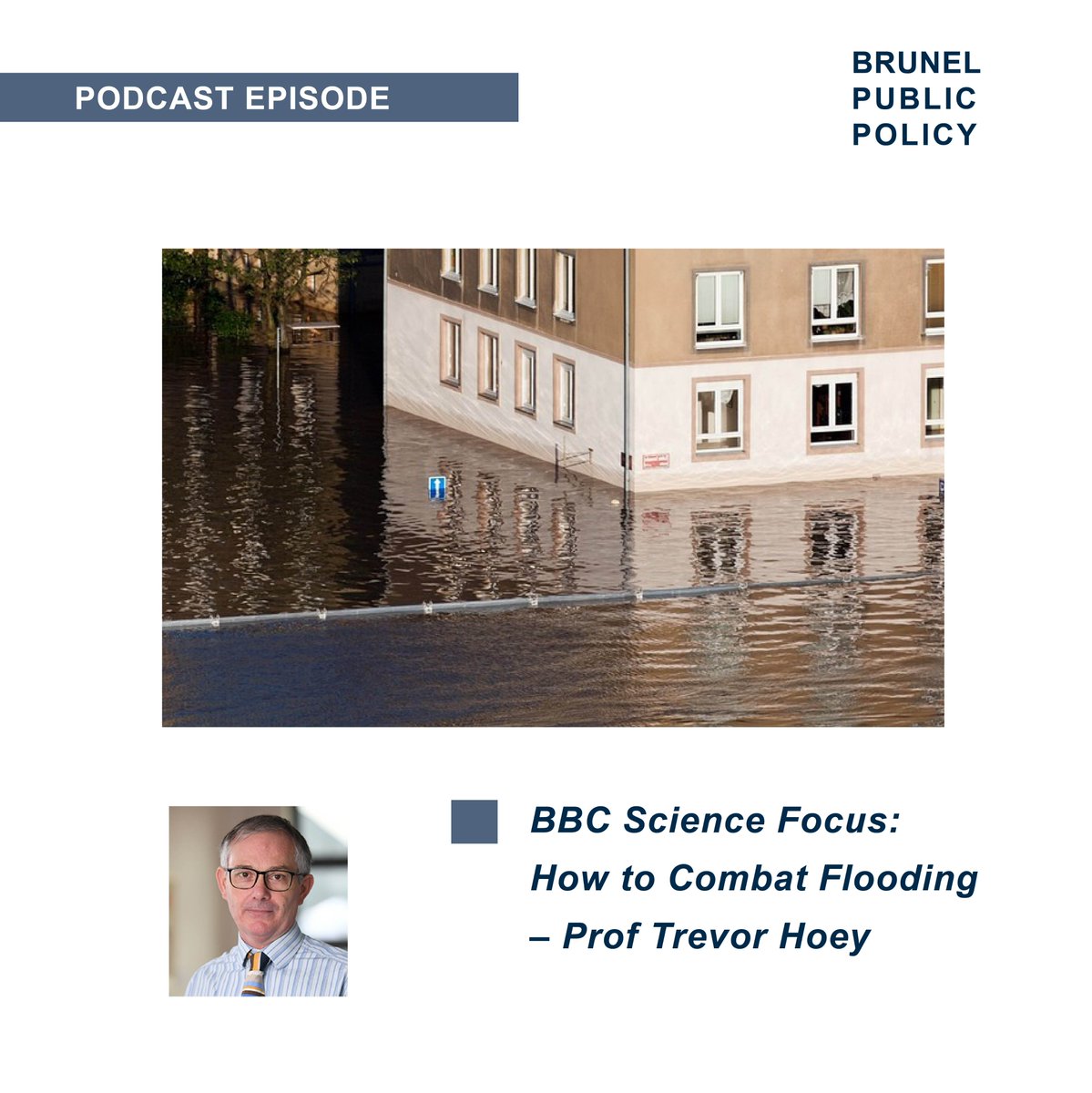
In the latest episode of BBC Science Focus, Prof Trevor Hoey (Professor of River Science at Brunel University of London), explains the various #climate mechanisms driving these extreme #weather events.
👉 Listen to the podcast: episode: https://t.co/fZ6RtSnpAa
#climatechange
Had a great time looking around the museum and seeing some fantastic stand-up comedians. Huge thanks to @museumofcomedy for hosting us @BrunelUni@CBASS_Research
Students on our 'Comedy, the Media & Society' module explored the Museum of Comedy last week - check out this video about the experience, created by one of the students on the trip!
#BruMedia#BruSoc
This week we looked at sports washing and greenwashing as part of a look at the political economy of PR and corporate clients - philanthropy by a private individual or organisation is all part of the mix of course.