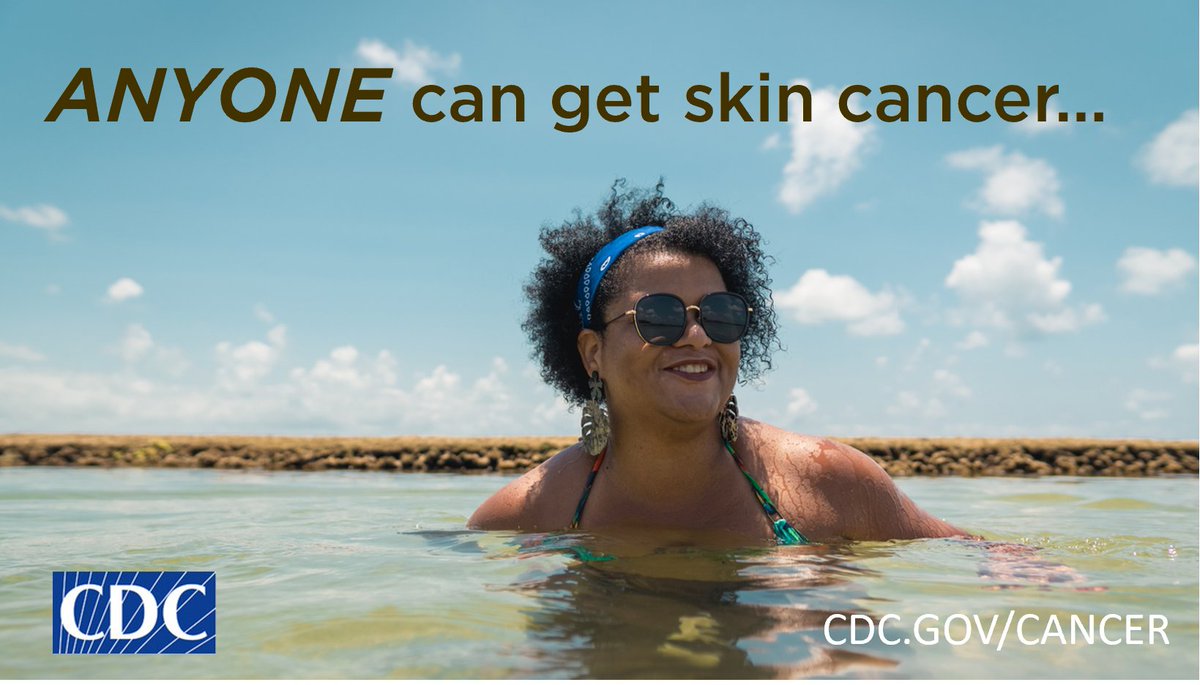
Each year in the U.S., about 6 million people are treated for skin #cancer of any kind. Anyone can get it, including people with a darker skin tone. Know how to enjoy the outdoors while protecting your skin: https://t.co/WVGTPH2Tvg #SkinCancerAwarenessMonth
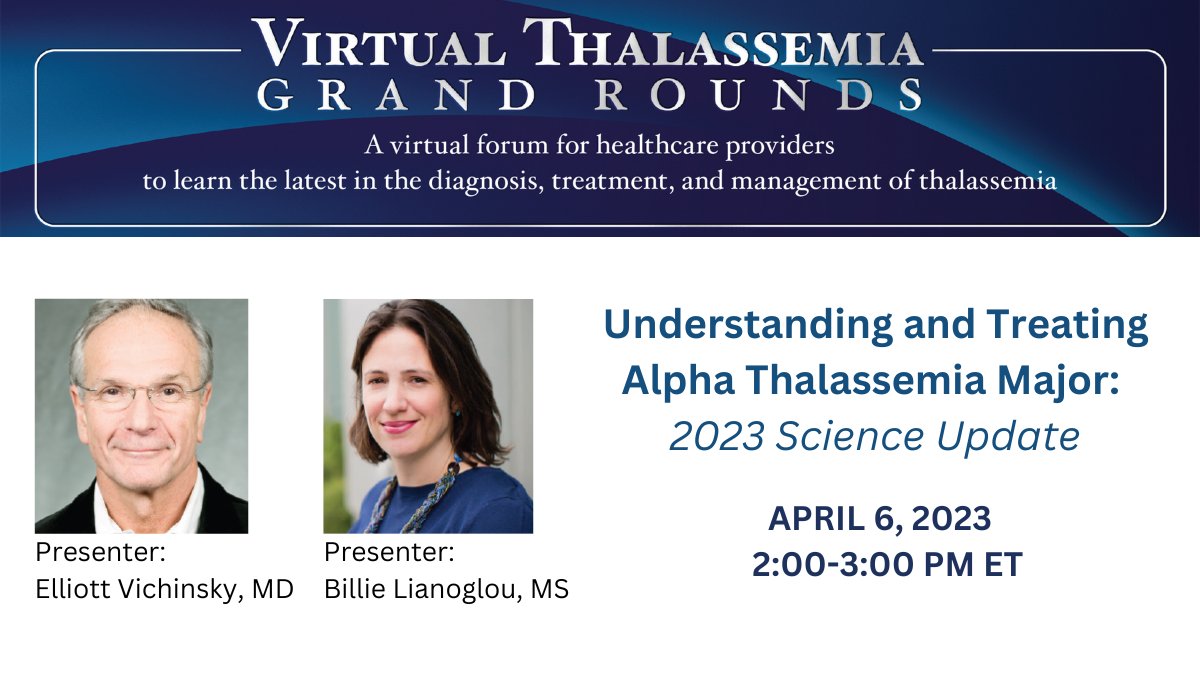
New Virtual Thalassemia Grand Rounds: Speakers will discuss a monitoring and treatment management plan with information on care during prenatal and postnatal periods. CE credits available.
Register here ➡️ https://t.co/HRZxzC6smY
ToxFAQs™ are easy-to-understand guides that answer frequently asked questions about chemicals and their impacts on human health. Visit #ATSDR’s website to learn more about ToxFAQs™: https://t.co/XG72cyiMRz #ToxProfiles
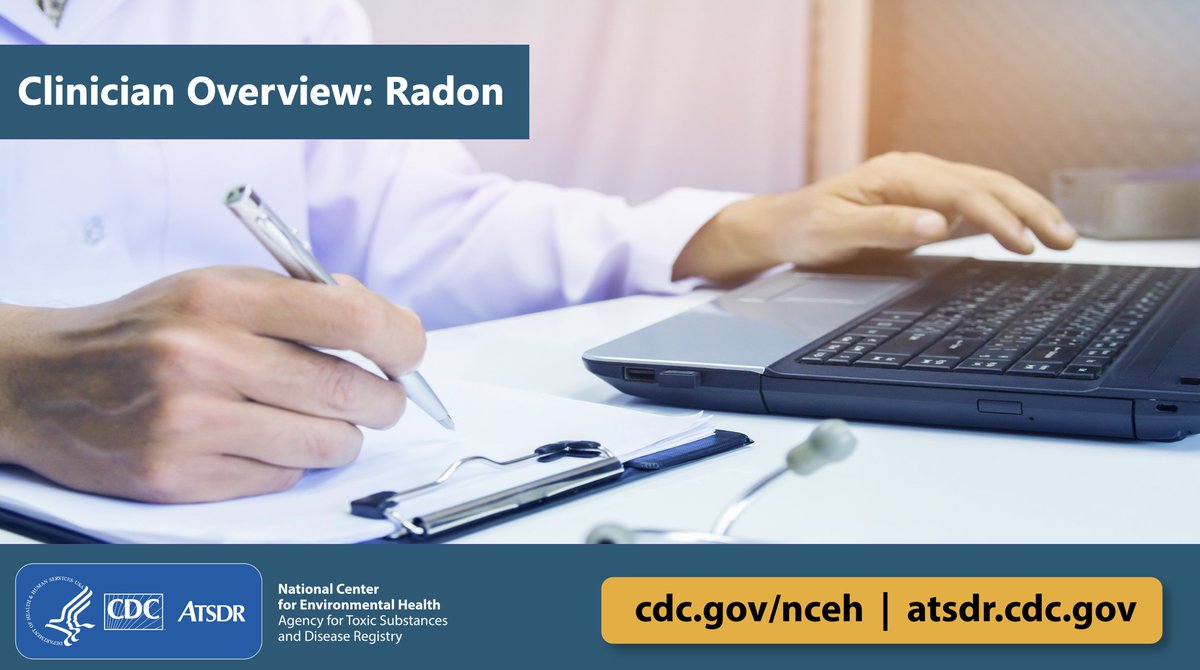
Healthcare professionals: @CDCenvironment has a new educational video that can help you learn about #radon and its health effects. The video discusses how to recognize radon exposure and recommendations to reduce health risks.
Watch here: https://t.co/o9TuCa9kY1
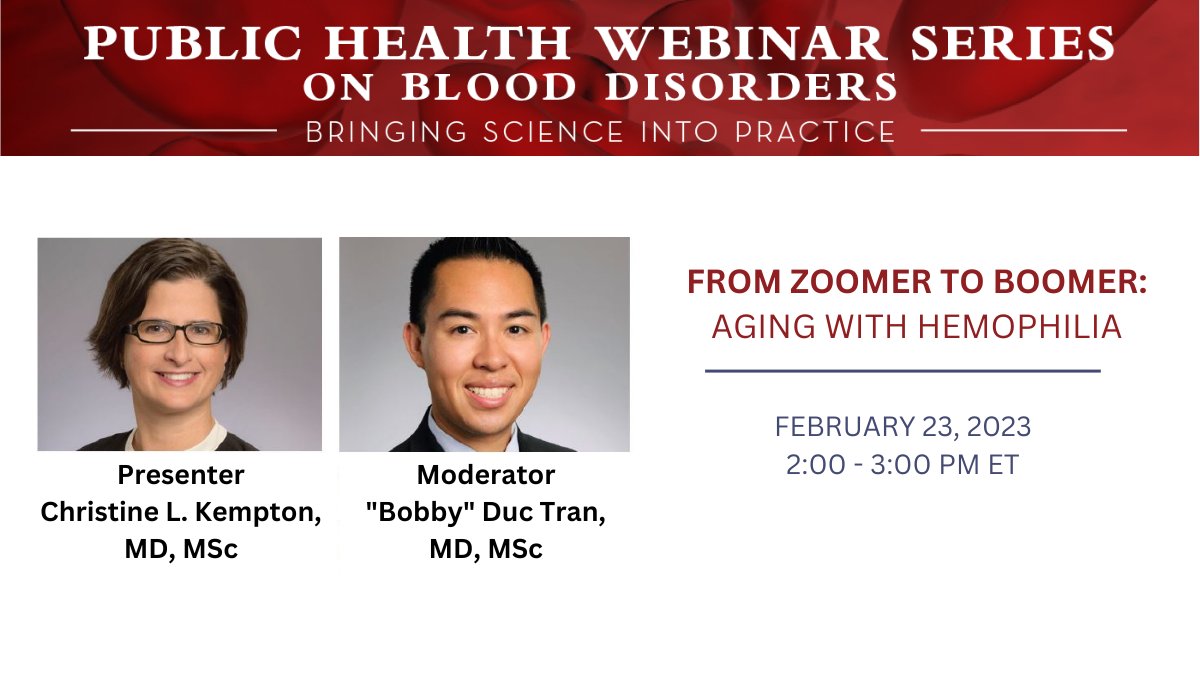
As people with #hemophilia are living longer, it’s important to understand the complications affecting the aging hemophilia community. Join a free webinar to learn about hemophilia and aging and ways providers can help support the aging transition. https://t.co/Y8oj3rEVbV
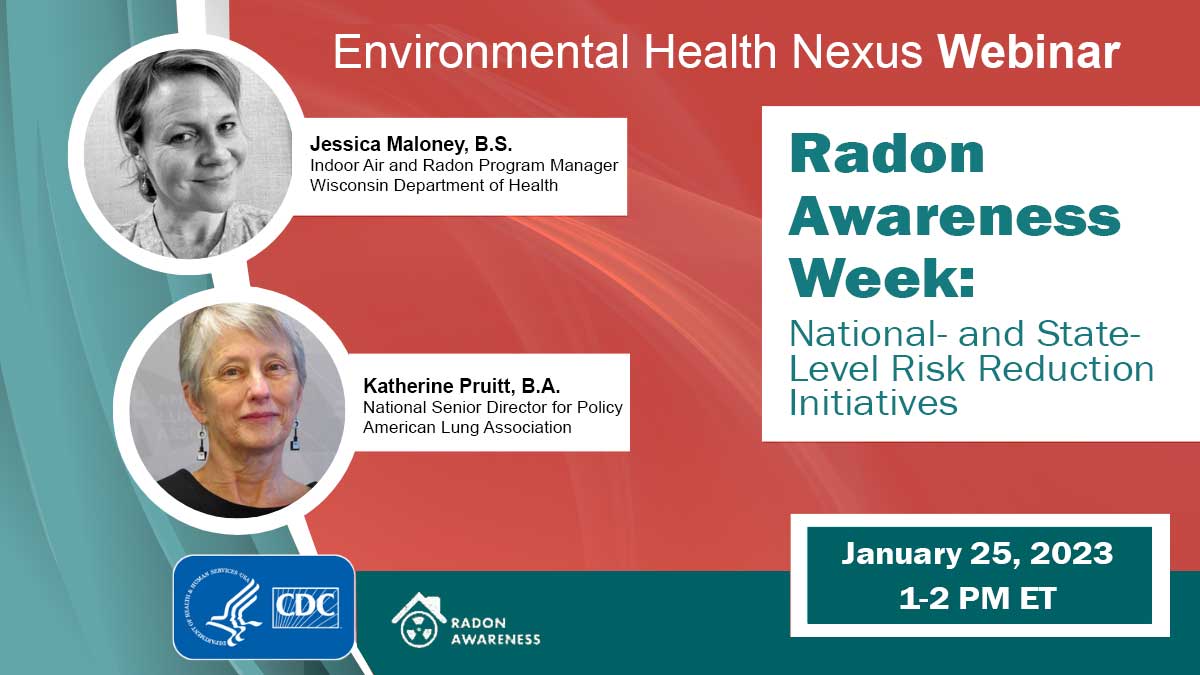
Learn about national, state, and tribal efforts to raise awareness about #radon and reduce radon risk across all populations. Join CDC’s #EHNexus webinar today from 1:00–2:00 p.m. ET via Zoom. To register, visit: https://t.co/V63W374zoY #RadonAwarenessWeek
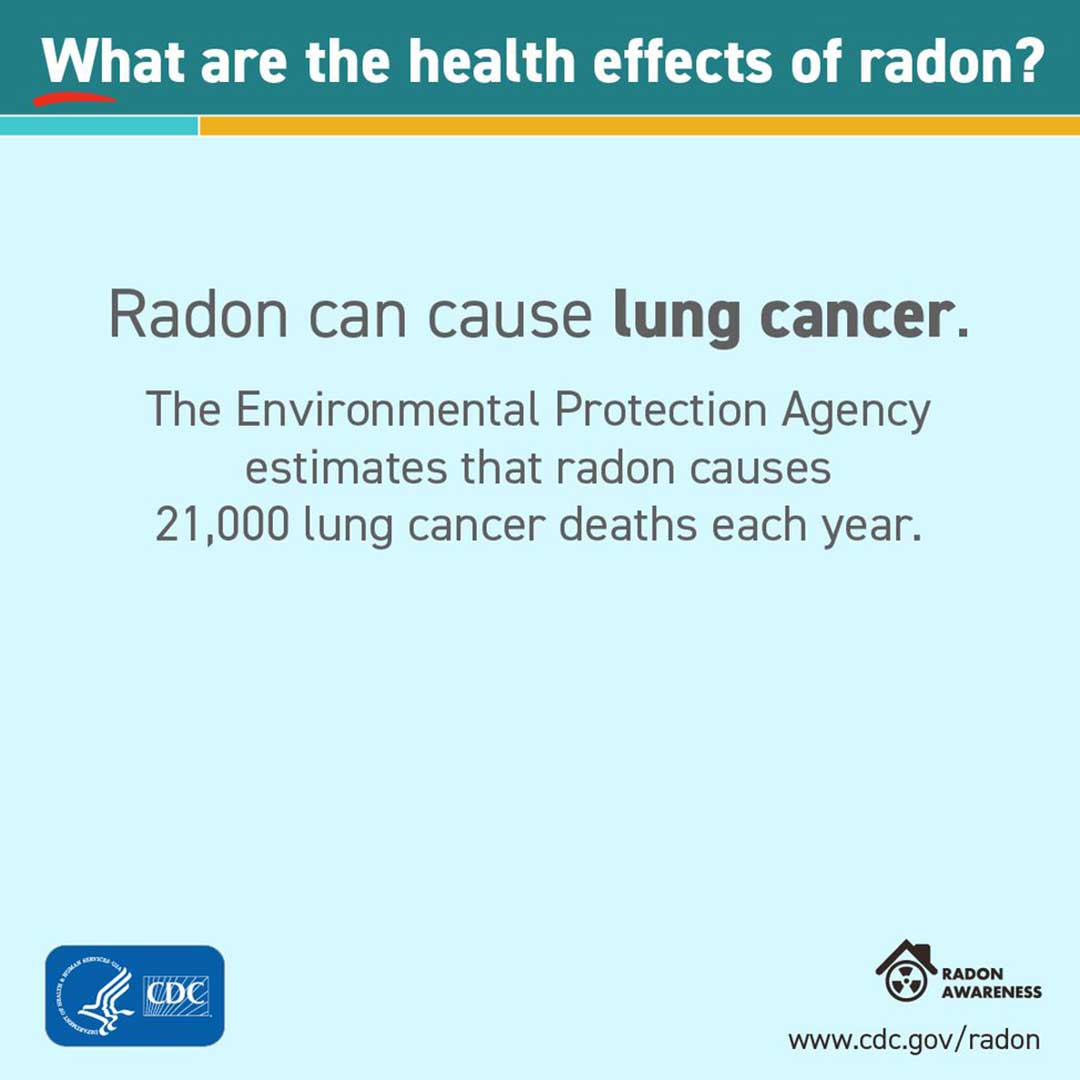
Doctors: #Radon causes around 21,000 lung cancer deaths in the U.S. each year. Ask your patients about home radon levels, and talk to them about how radon affects lung cancer. Visit the @CDCenvironment website for more information: https://t.co/ZRTYN3lJ1b
#RadonAwarenessWeeDoctors: #Radon causes around 21,000 lung cancer deaths in the U.S. each year. Ask your patients about home radon levels, and talk to them about how radon affects lung cancer. Visit the @CDCenvironment website for more information: https://t.co/ZRTYN3lJ1b
#RadonAwarenessWeek
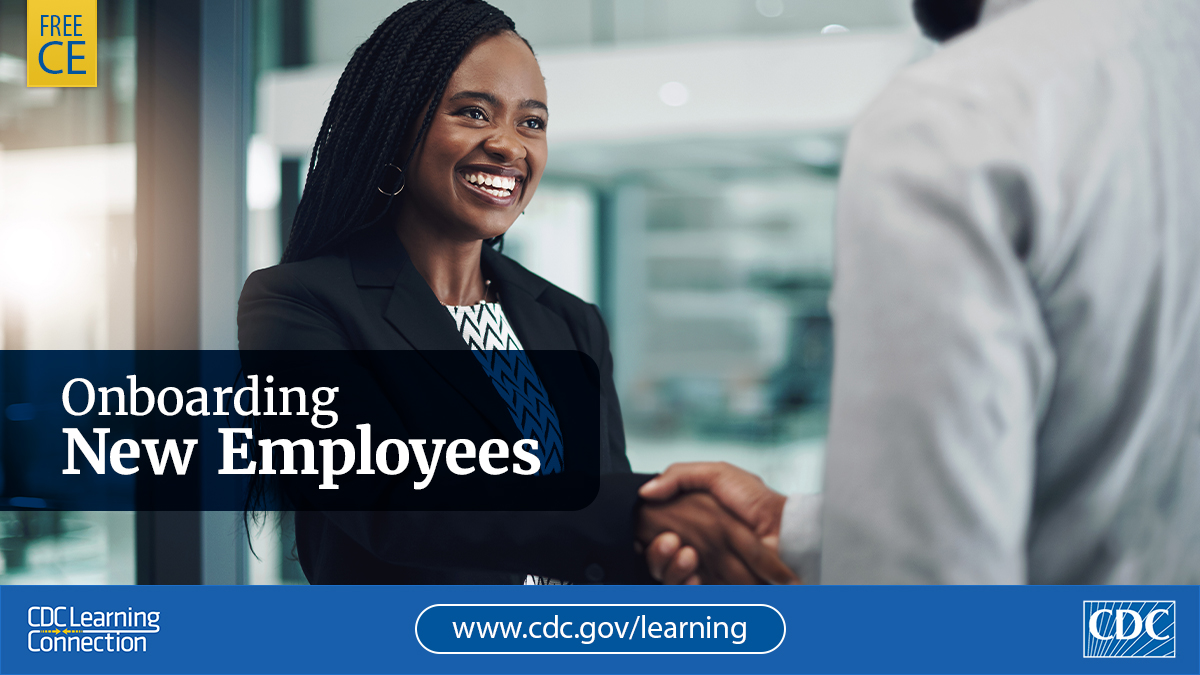
Public health professionals: #DYK the 4 C’s of successful onboarding programs for new employees? Learn what you should include to set staff up for success in this training from @nephtc. Free CE. https://t.co/3wP1WdUjwk
#CDCLearning
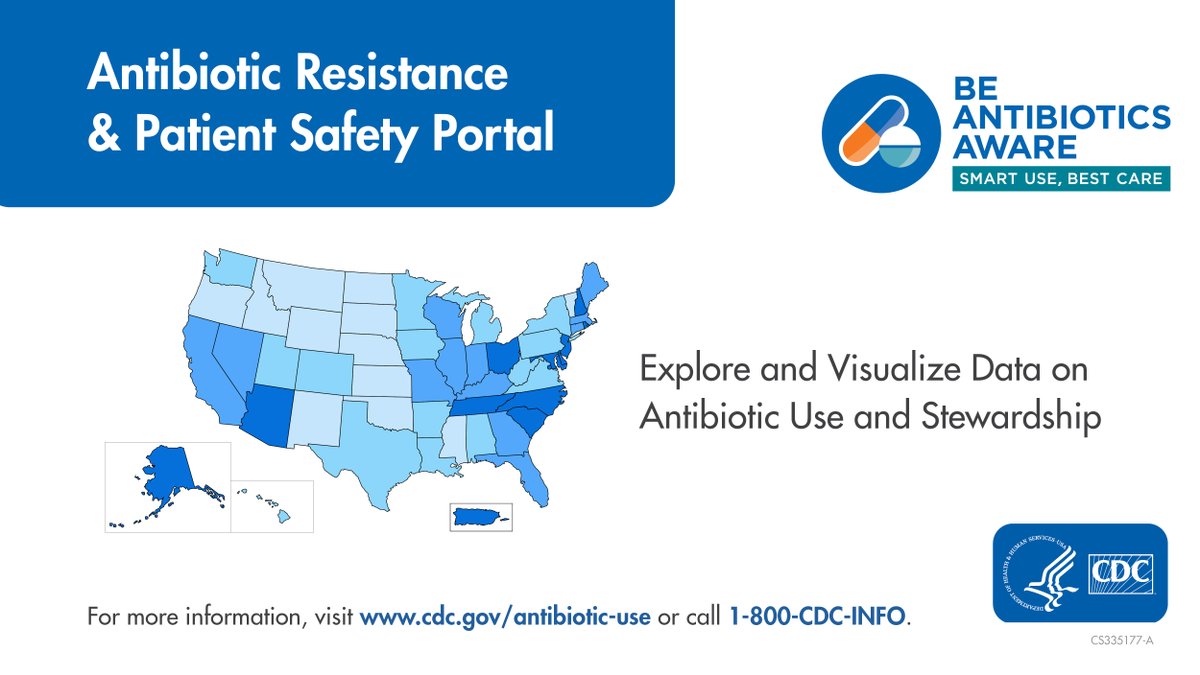
Visit CDC’s Antibiotic Resistance & Patient Safety Portal to explore, visualize, and download data on antibiotic use and stewardship in outpatient, inpatient, and long-term care settings: https://t.co/OXeSPw7YvD
#BeAntibioticsAware#AntimicrobialResistance
Communities affected by per-and polyfluoroalkyl substances (PFAS) contamination can now use @CDCEnvironment’s new online tool to estimate how much PFAS they may have in their blood. Try the PFAS Blood Level Estimation Tool today: https://t.co/BgsmtIzFVR
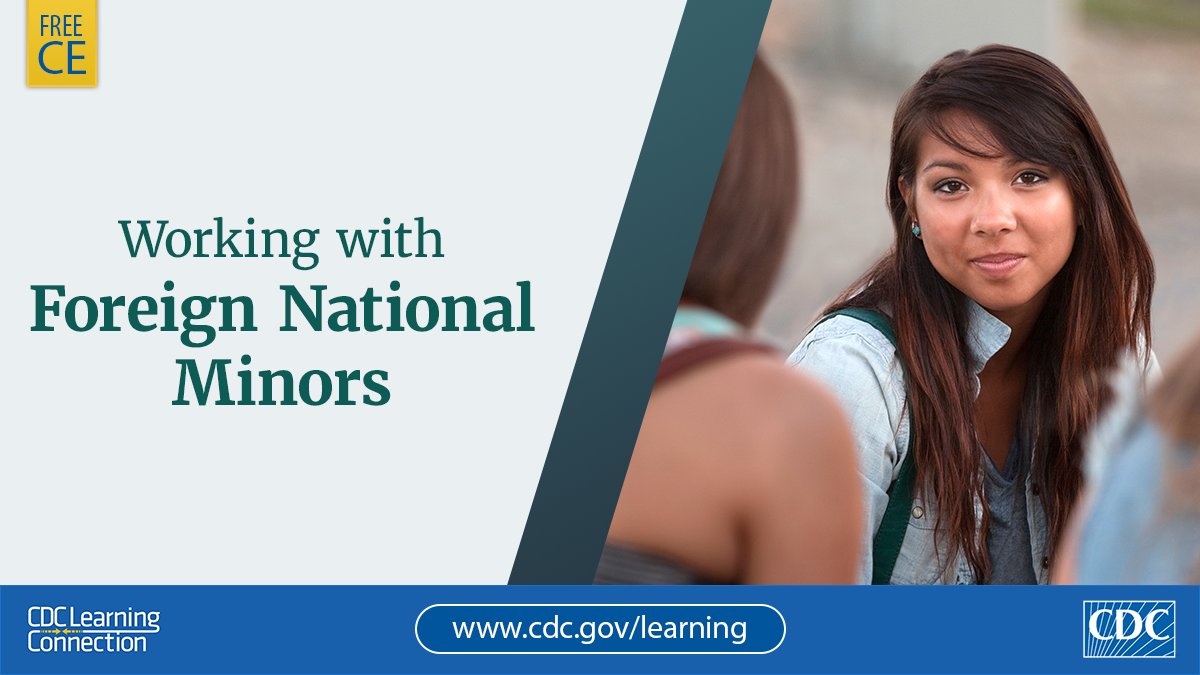
HCPs and other providers: Foreign national children and youth have increased risk factors for trafficking. Learn potential signs of trafficking and how to connect minors to services and resources in this training. Free CE. @ACFHHS
https://t.co/owatTmuCbw #CDCLearning
Healthcare providers: CDC’s Public Health Webinar Series on Blood Disorders provides evidence-based information on emerging issues in blood disorders. Visit the archive to access past webinars: https://t.co/aG1yAZ3LiU
"Listening, Responding, & Taking Action" mirrors #ATSDR’s commitment to protect the health of the public. Throughout 2021, ATSDR worked to strengthen environmental health-related emergency responses. Read about ATSDR’s achievements in the annual report: https://t.co/Qe7lNt07SP
Public health professionals: @CDCgov and #ATSDR have launched the PFAS Blood Level Estimation Tool to help communities learn more about potential levels of #PFAS in their blood. Learn how you can use the tool: https://t.co/BgsmtIzFVR
#HCPs: Share our latest NEW and UPDATED resources with your patients to help them understand appropriate #antibiotic prescribing and use. Available for download and order from CDC-INFO on Demand: https://t.co/hb3jAbxzkO
#BeAntibioticsAware#AntimicrobialResistance
Stay up to date about all things at the intersection of public health and #GeospatialResearch by subscribing to #ATSDR's Geospatial Research, Analysis, and Services Program (GRASP) newsletter. Sign up today! https://t.co/brLqmwm71d
#PlaceAndHealth
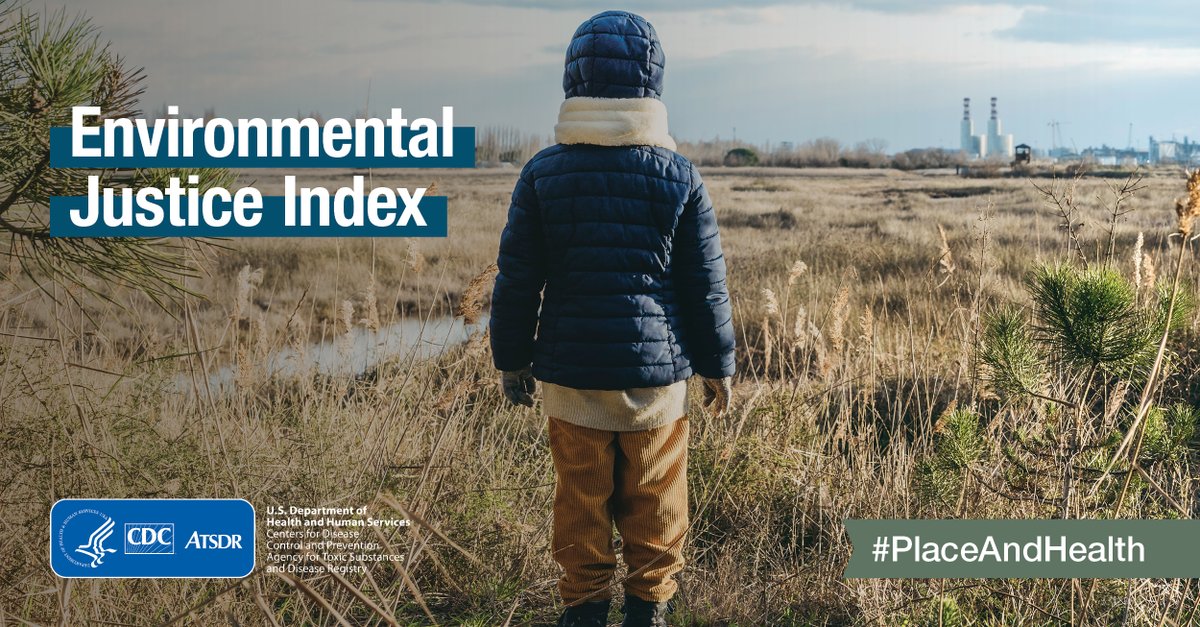
Join @CDCgov and @HHSgov for a webinar on the Environmental Justice Index (EJI) on Dec 7 at 12 pm EST. The EJI is the first national, place-based tool to measure cumulative impacts of environmental burden through the lenses of health and equity. Register: https://t.co/Fcv2JkDolU
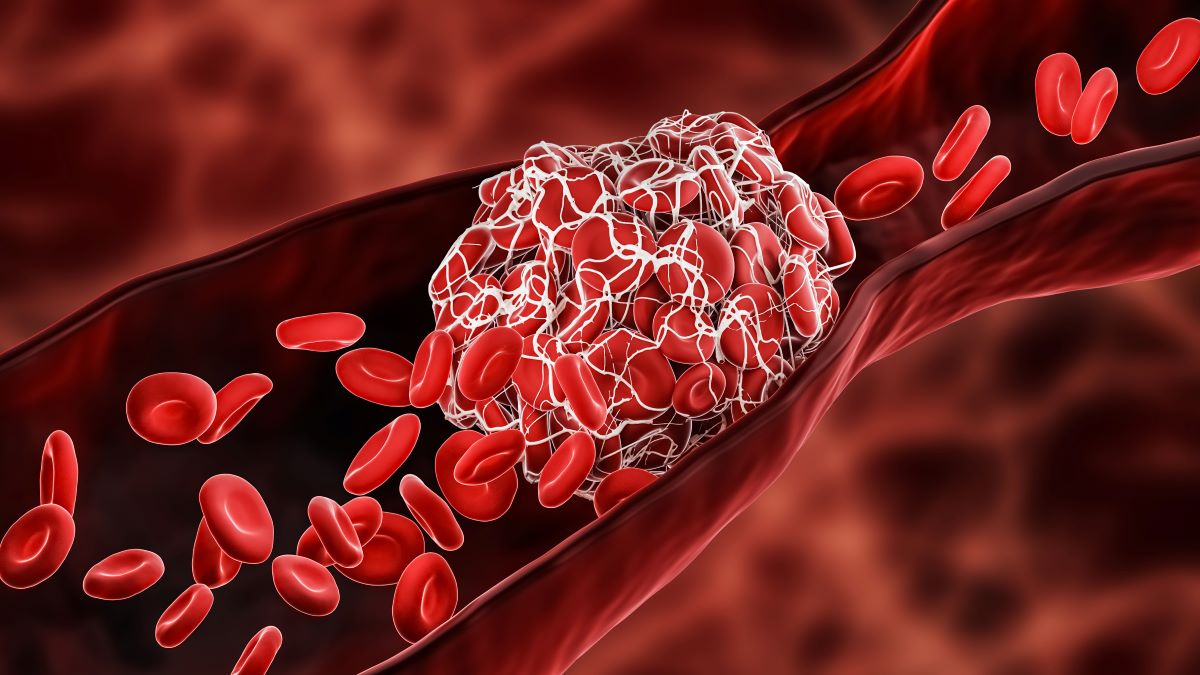
Healthcare providers: Wrap up the year with a free e-learning course on venous thromboembolism (VTE). Learn the signs and symptoms, risk factors, and best practices in treating and managing #VTE. CE credits are available. https://t.co/csGQT6nTY4