Context, Development & Social Policy Lab – Georgetown University || Research focused on families & educational settings as the agents of change for youth
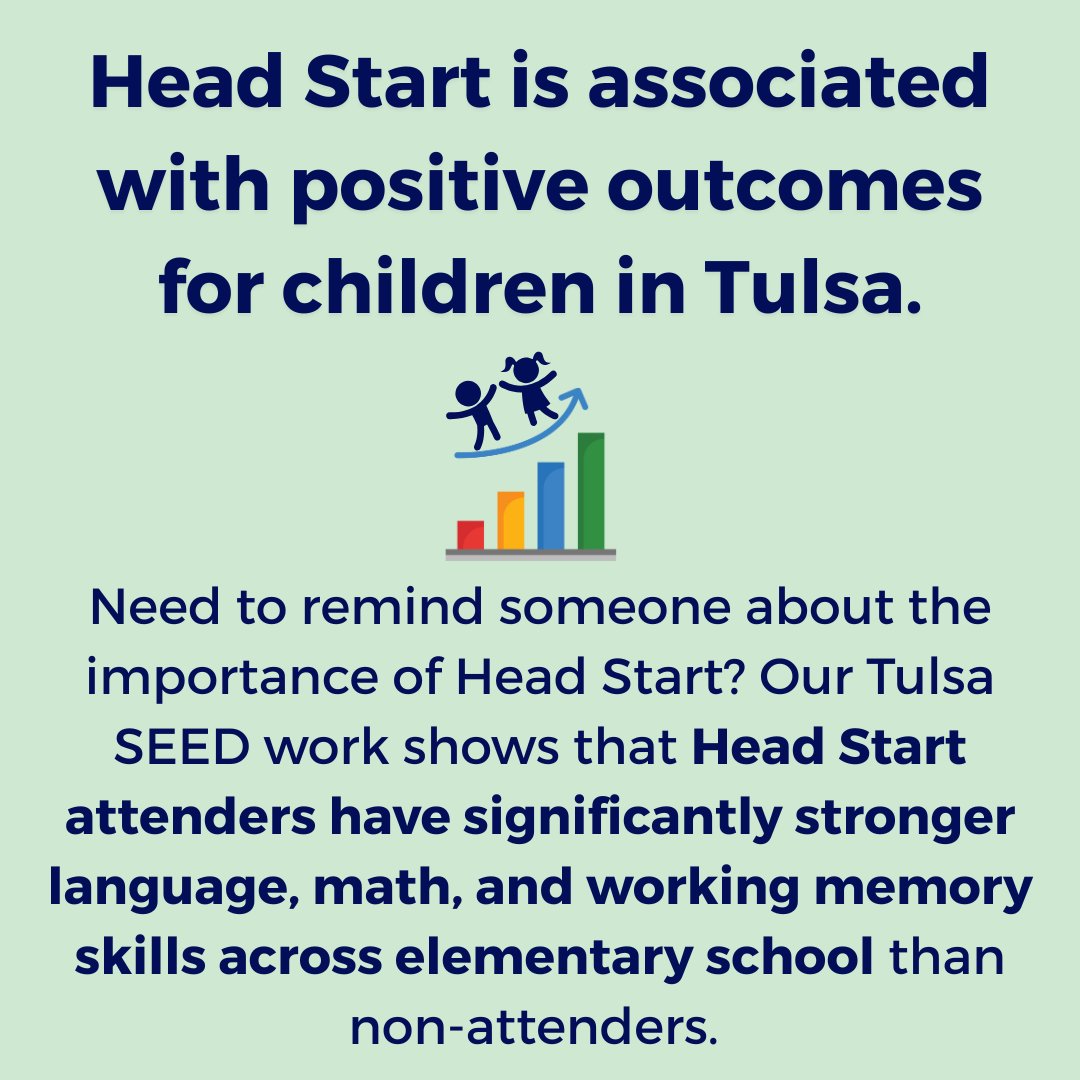
Need to remind someone about the importance of Head Start? Our Tulsa SEED work shows that Head Start attenders have significantly stronger language, math, and working memory skills across elementary school than non-attenders.
Tulsa SEED PIs Anna Johnson, Seth Pollak, and Gaby Livas-Stein are co-editing a Special Section of Child Development on "Children's Developmental Trajectories in the Long Shadow of COVID-19.” Abstracts are due May 7th – please spread the word! https://t.co/VMlJlmjBIu
The “sustaining environments” hypothesis argues that pre-k effects are more likely to last if students attend high-quality elementary classrooms. Instead, we find that the positive impacts of Tulsa pre-k persist regardless of subsequent classroom quality. https://t.co/SayXtwkR8E
Our work is expanding! CDSP has a new name to reflect our broadening focus: the Context, Development & Social Policy Lab. We are also thrilled to welcome our newest faculty co-director, Dr. Kristia Wantchekon!
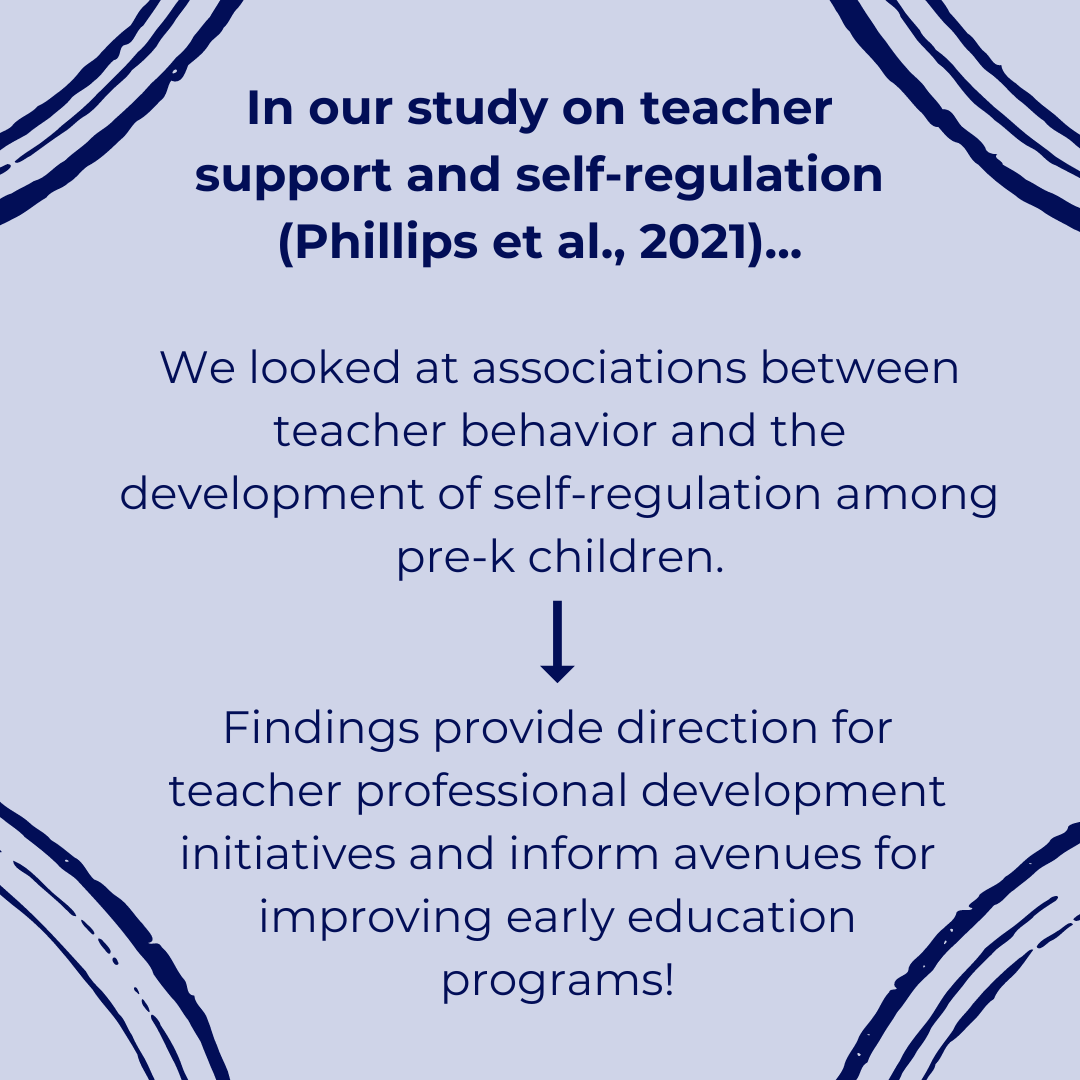
Student-teacher relationships matter for students' self-regulation skill development in kindergarten and first grade, regardless of the quality of classroom-level supports. Check out our recently-published paper (Wright et al., 2024) to learn more! https://t.co/ApmnOQVeKm
Learn about self-regulation in kindergarten classrooms in Tulsa in our recently-published paper (Martin et al., 2024): Exploring the features of the self-regulatory environment in kindergarten classrooms! https://t.co/EjDJn5AaQl
Check out a new paper co-authored by CDSP PI Dr. Rebecca Ryan about economic mobility and parents’ resource hoarding. It was just featured on Georgetown's news page! https://t.co/LaMsoEDgJP
Check out the new paper by Sam Steimle, Anna Gassman-Pines and Rebecca Ryan on the effects of the Child Tax Credit on family food insecurity.
https://t.co/Q3oTb7Adal
Check out our new paper led by PhD student Anna Wright and recently featured in NIEER's weekly newsletter! Results suggest that starting pre-k at age 3 instead of age 4 may lead to earlier detection of some health conditions, like vision problems. https://t.co/hthJt4sFWY
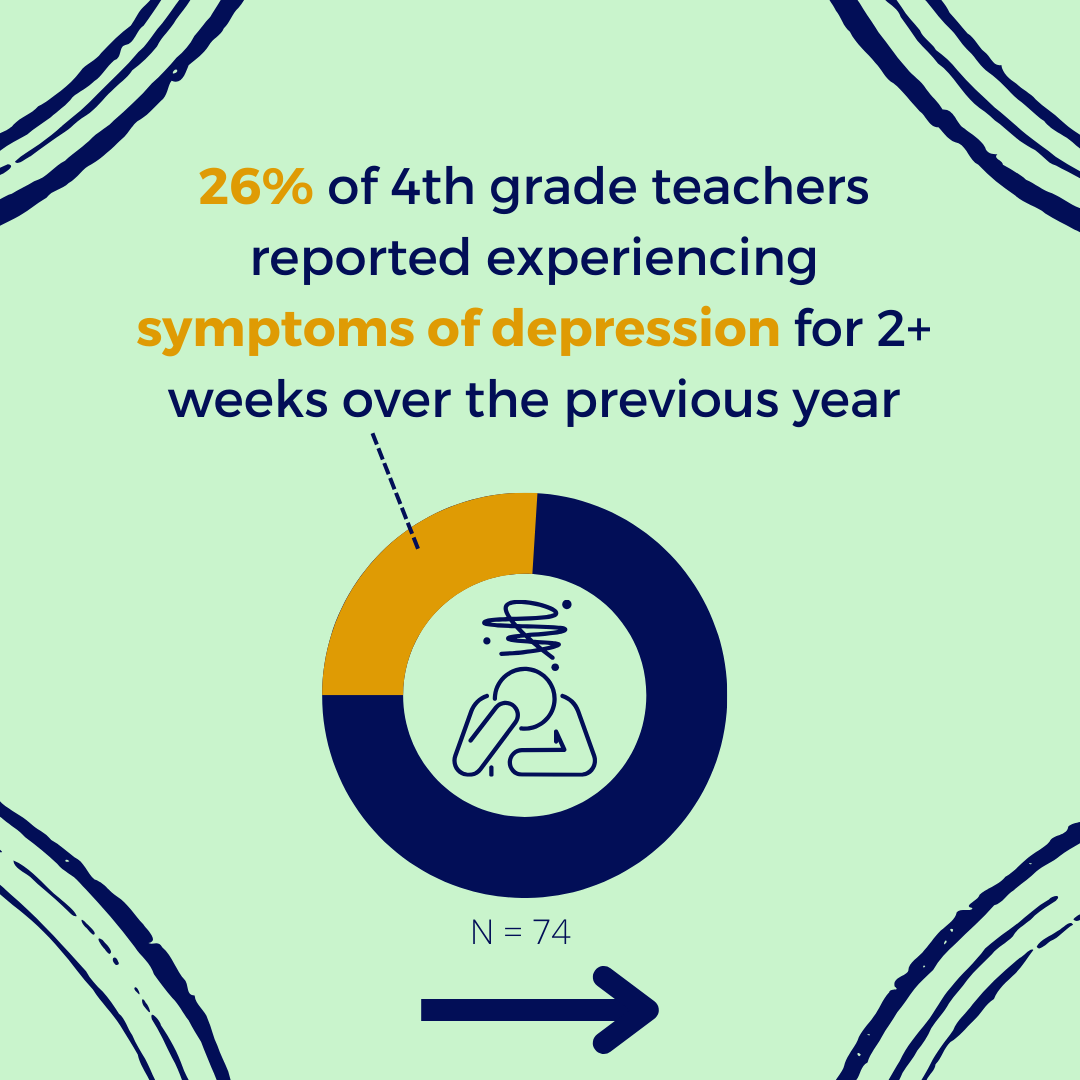
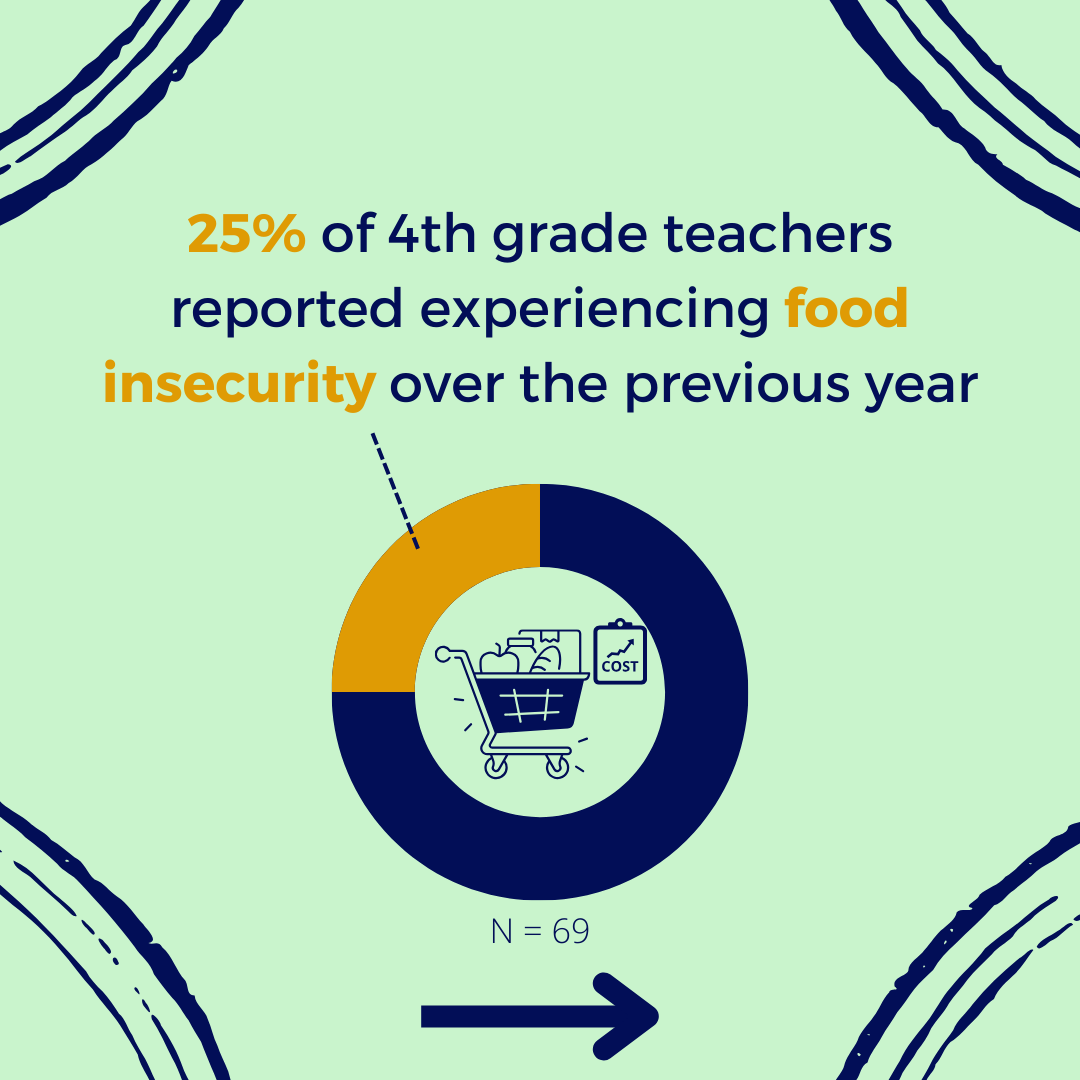
Learn more about our 2023 teacher survey: https://t.co/LBabtmKCrr. TPS teachers are deeply committed to their work, but they deserve more mental health, financial, and classroom supports given the increased challenges they are facing.
When we examined Tulsa public pre-k and Head Start attenders vs. preschool non-attenders, our results showed that students from both pre-k programs had stronger numeracy skills than non-attenders in 1st grade. https://t.co/9AR2zRpREt
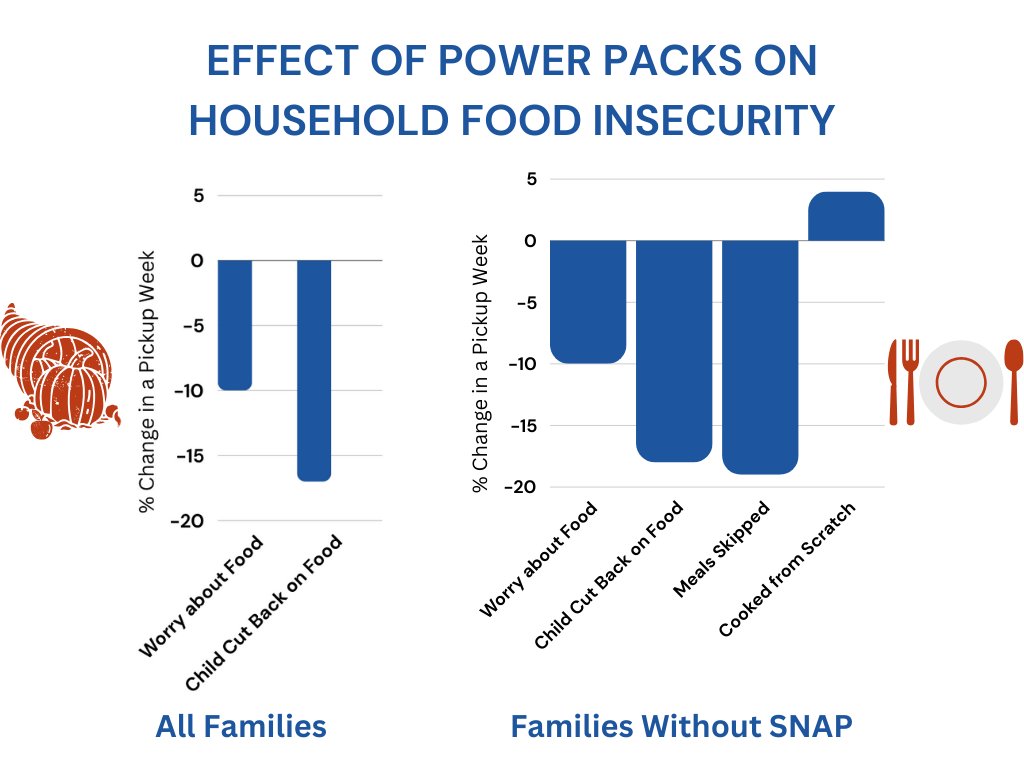
Power Packs is a “backpack" program providing packs of fresh food & recipes to students and their families in over 40 schools in PA. Power Packs plays an essential role in reducing food insecurity and smoothing families’ food consumption each month.
https://t.co/fuRJsaOylE
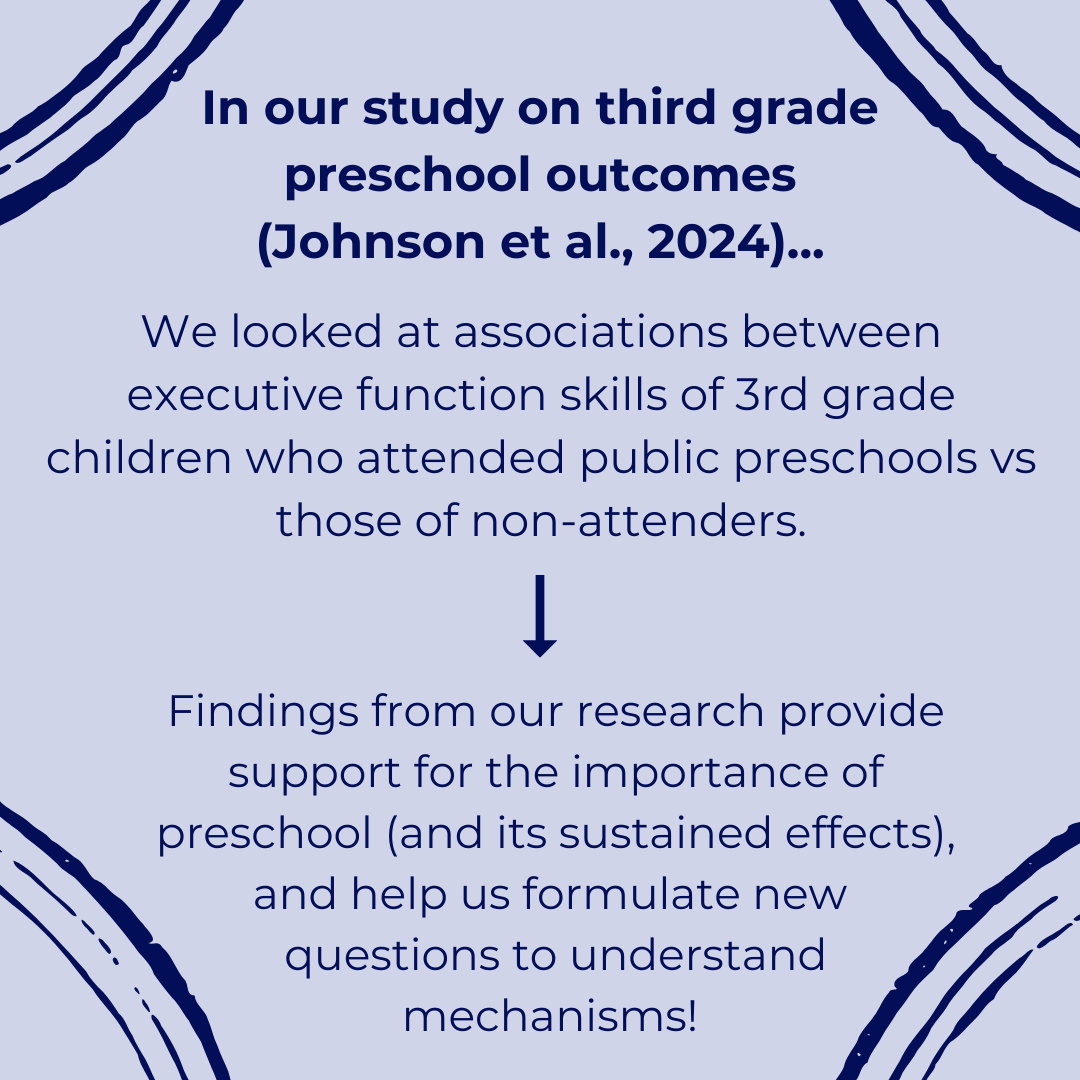
Our Tulsa SEED Study drew on a large, diverse sample of over 600 students, and compared 3rd grade skills of preschool attenders vs non-attenders. These are a couple of the things we learned — read our full Johnson et al., 2024 paper to learn more! https://t.co/9AR2zRpREt
Our team recently published a brief on key findings from the Tulsa SEED study for Head Start and Educare preschool attenders. Attending preschool in a Head Start or Educare classroom has lasting, positive impacts on students' skills! Read more here: https://t.co/bPTLuoAXhz
Check out another brief our team just released about key findings for Tulsa Public School (TPS) pre-k attenders in the SEED Study. Read it at: https://t.co/bPTLuoAXhz