The faculty now has a tote bag! You can get one for £5 (cash only) from the Library and the Museum. All proceeds go towards access and outreach. The sketch on the bag was designed by one of our students. @classarch@CamClassics#totebag#totebagswithart
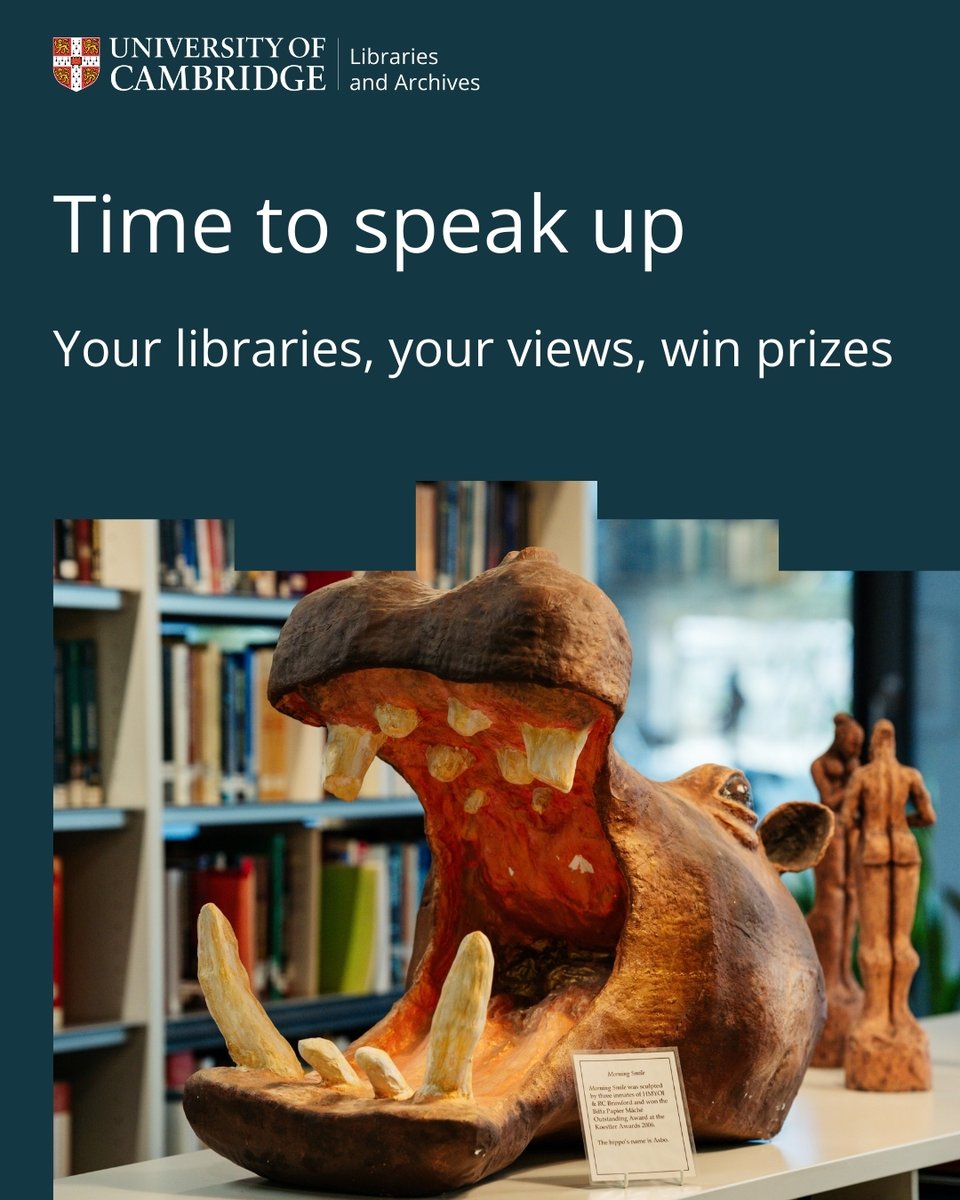
Your libraries, your views. Have your say for the chance to win prizes. The survey is open to anyone who uses our libraries and services. Students could win an iPad Air and everyone could win one of ten £50 Love Cambridge gift vouchers. It takes 10 min!: https://t.co/sPrEe9UHRB
David Sedley has been interviewed for Christ's College alumni magazine 'Pieces' (pp. 10-13). The topics include his PhD at UCL, his year in Naples dealing w/ papyri, writing in the 70s, his career in Cambridge, Epicureanism, and more. Photo by Stephen Bond https://t.co/MS7cKCkTCW
The University of Cambridge invite applications for the Kennedy Professorship of Latin to take up appointment on 1 September 2026. https://t.co/cO6MGtVJwt
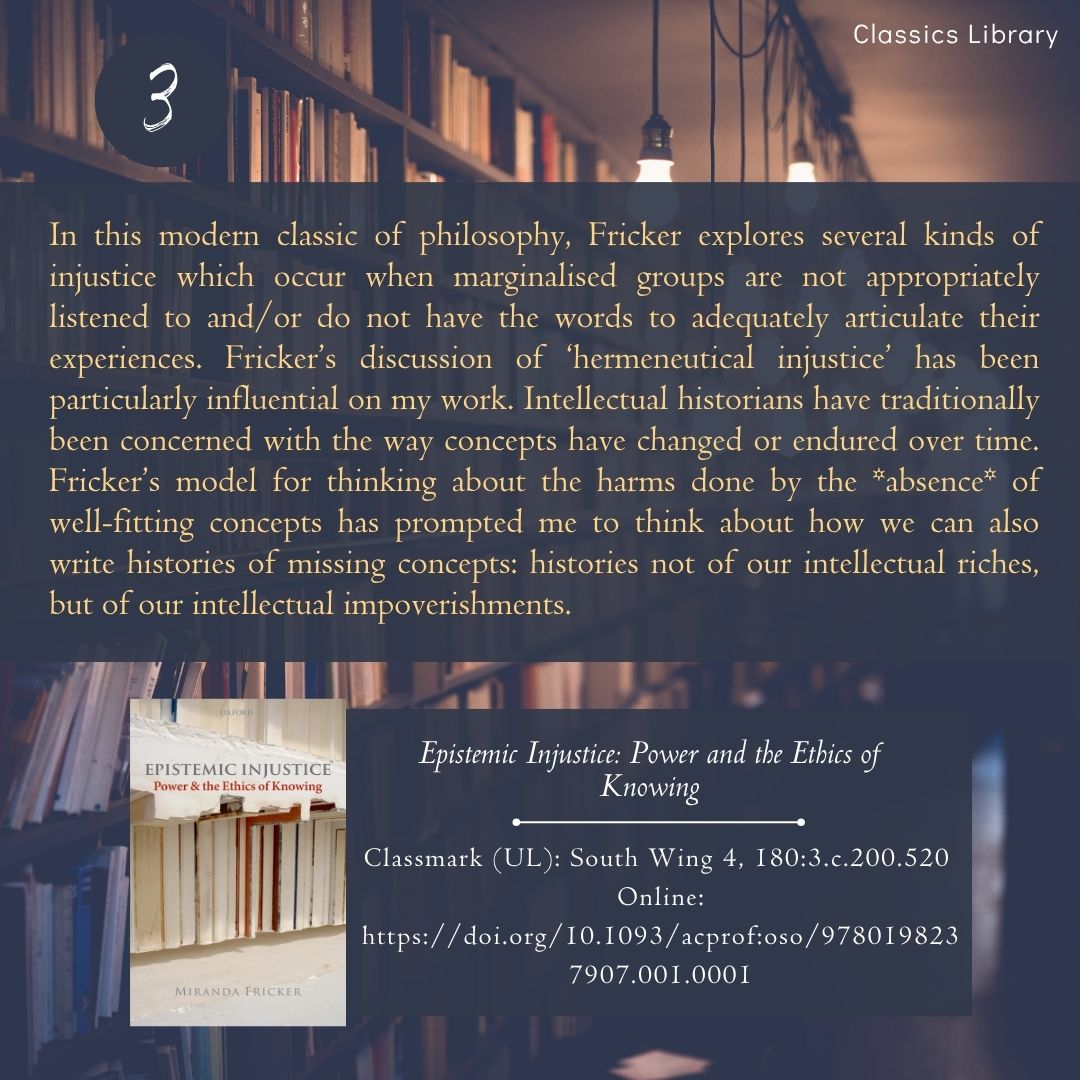
3/3 - Daniel's third and last pick is Miranda Fricker's 'Epistemic Injustice' (OUP, 2007). The book argues that there is a distinctively epistemic type of injustice, in which someone is wronged specifically in their capacity as a knower. #which3books https://t.co/lSntAVJPfQ
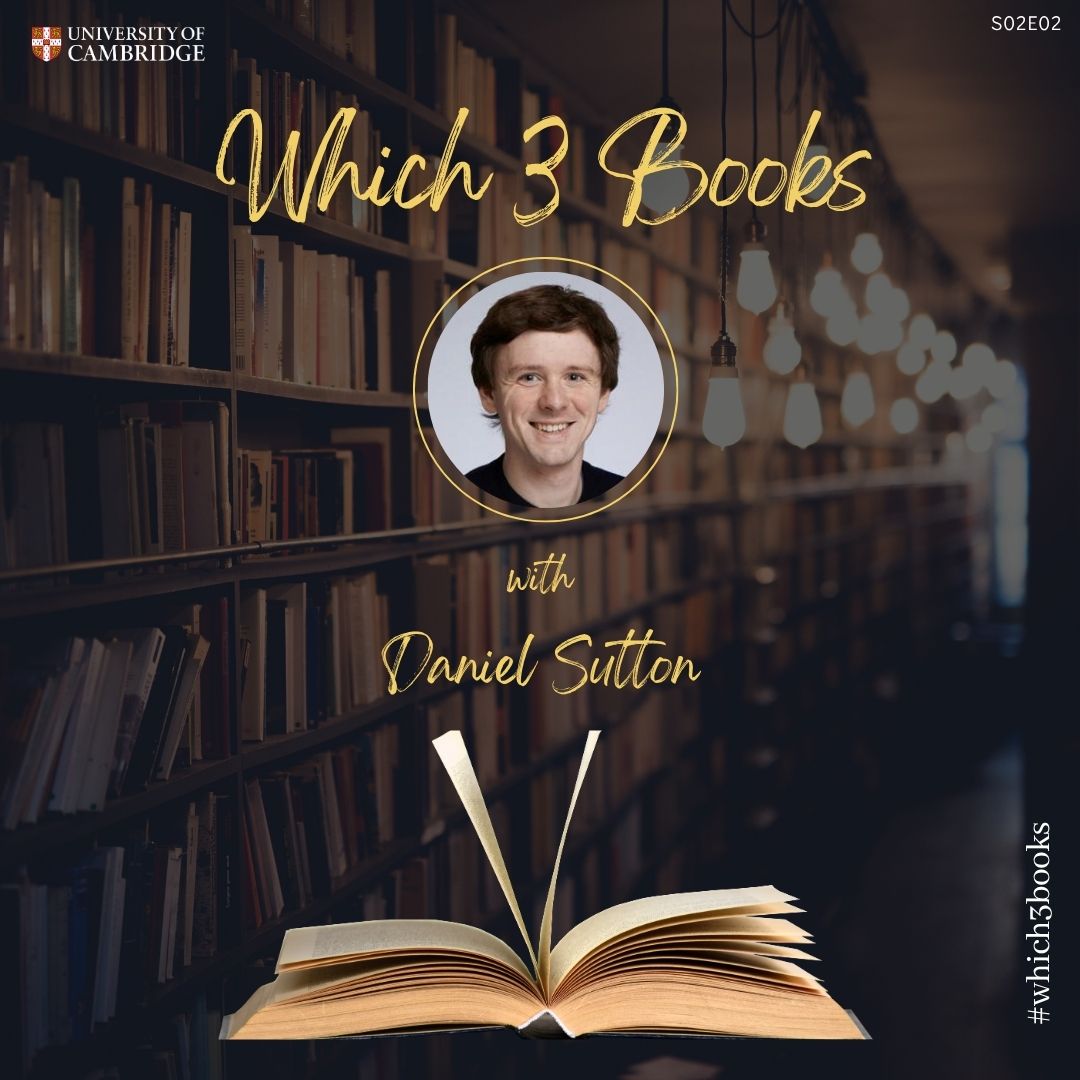
1/3 - The second episode of our #which3books series (2nd season) features Daniel Sutton, Research Fellow in Classics and History @Peterhouse_Cam. Daniel's first pick is 'Logos and Ergon in Thucydides', by Adam M. Parry (Arno Press, 1981). @CamClassics
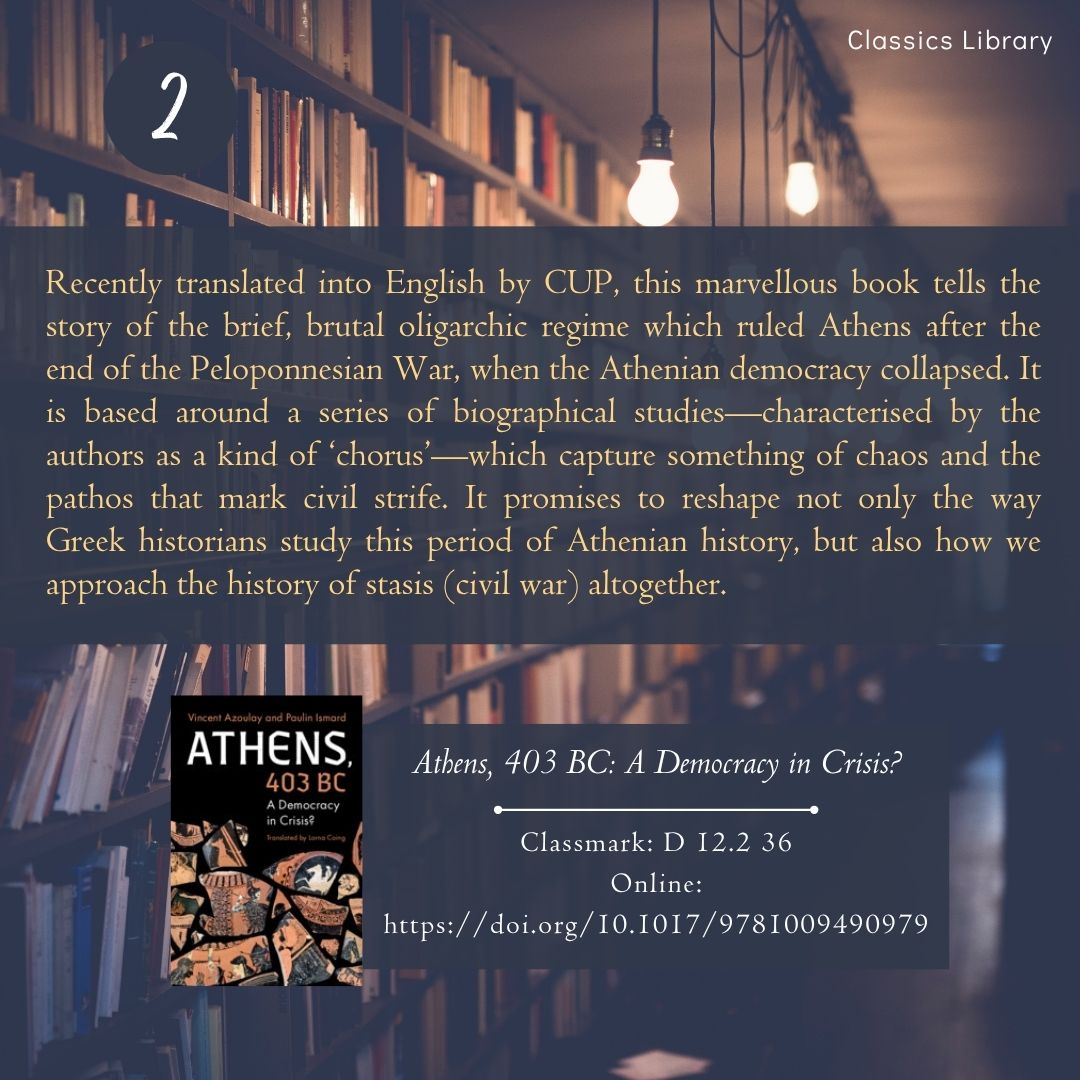
2/3 - The second book picked by Daniel is 'Athènes 403: une histoire chorale', by Vincent Azoulay and Paulin Ismard, which has recently been translated into English by CUP: 'Athens, 403 BC: A Democracy in Crisis?' https://t.co/3FdzbBD09j #which3books
3/3 Emma's third and last pick is Aesop's Fables, newly translated and annotated by Robin Waterfield (Basic Books, 2024). A timeless source of wisdom! #which3books
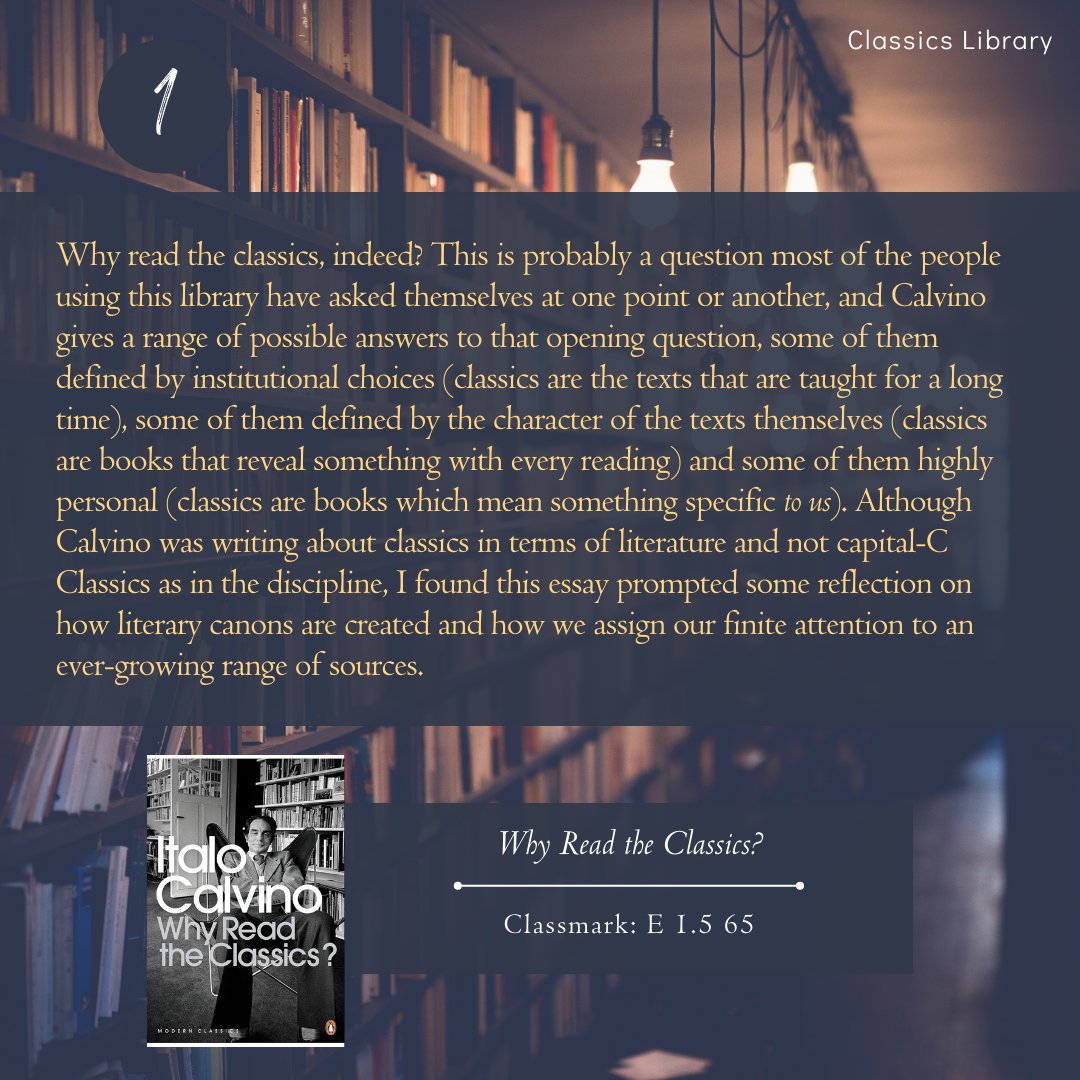
1/3 We're back with our #which3books series, where members of @CamClassics tell us about what they've been up to by sharing 3 books they've borrowed from our collection. This year's 1st episode features Emma Arnold (@Kings_College), whose 1st pick is 'Why Read the Classics?'
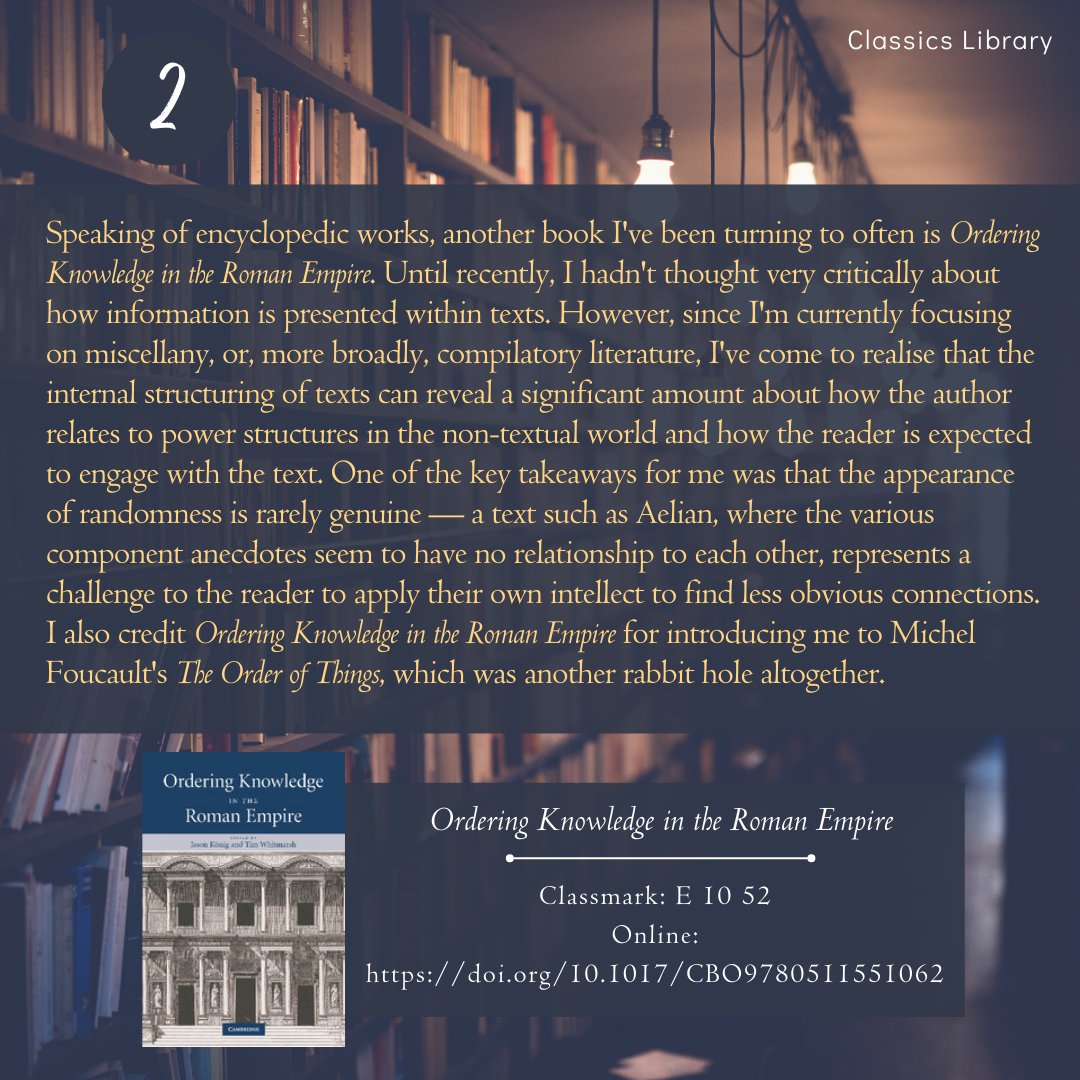
2/3 The second book picked by Emma is 'Ordering Knowledge in the Roman Empire', edited by @JasonKonig1 and @Twhittermarsh (CUP, 2007)—a collection of essays that considers how knowledge was shaped into textual forms in the context of the Roman Empire. #which3books
We’ve created a guide for new and returning University of Cambridge students, including online resources, top tips, skills training, tours, collections, and what’s new this term.
If in doubt, ask a librarian. We'll either know or we'll know how to know!
https://t.co/AEO3IkJino
We’re counting down the days until the Olympics…
No, not the Paris Olympics. The Great Greek Olympic Games! 🏃♂️🏺🏑
Join us on Friday 2 Aug for a champion afternoon. 🏅 Discover how the ancient Greeks did the original Olympics and design your own athletics competition.
⬇️⬇️⬇️
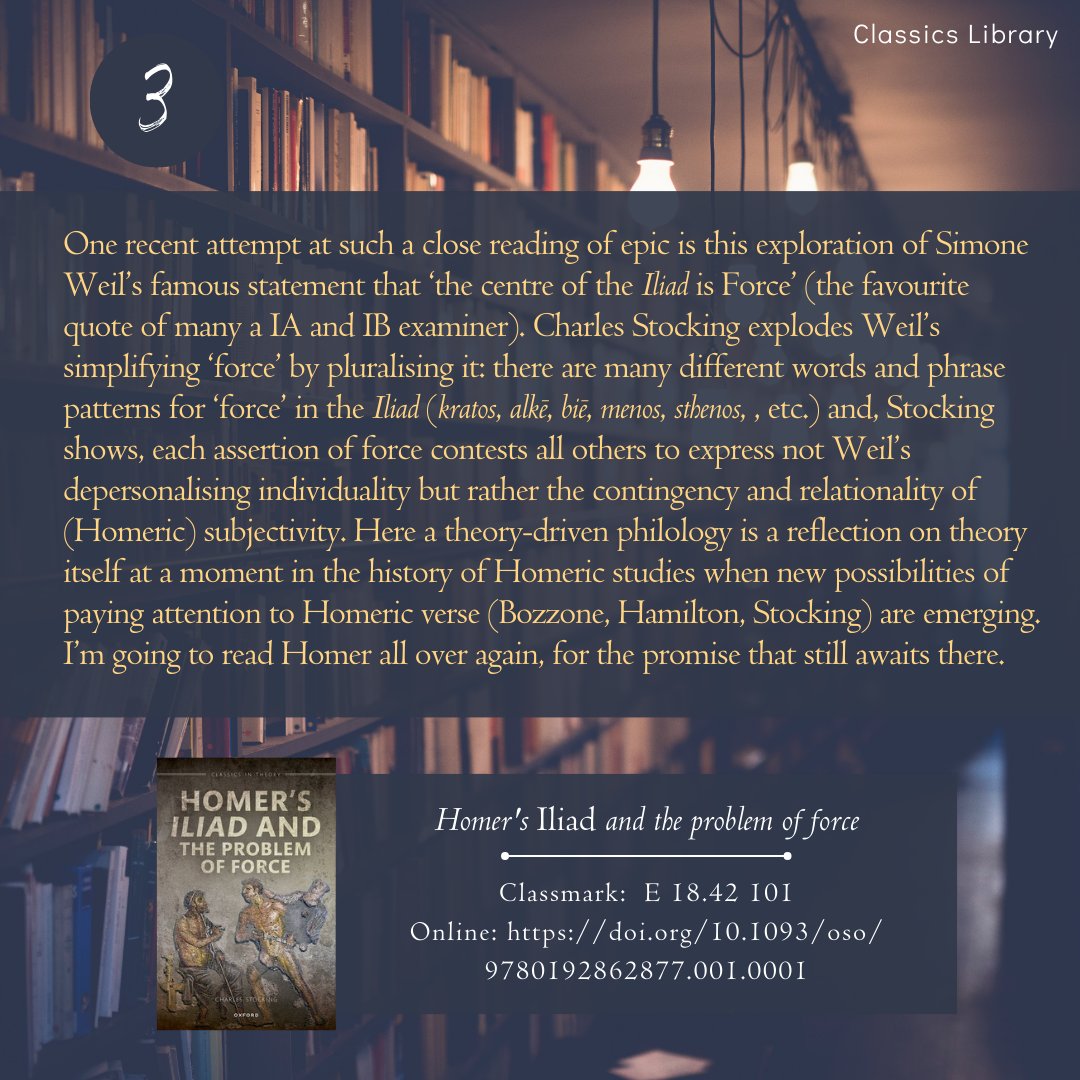
3/3 - Matt's third and last pick is C.H. Stocking's Homer's Iliad and the problem of force (OUP, 2023), which offers the first full-scale treatment of the language of force in the Iliad from both philological and philosophical perspectives. #which3books https://t.co/oIGvYqHoUY
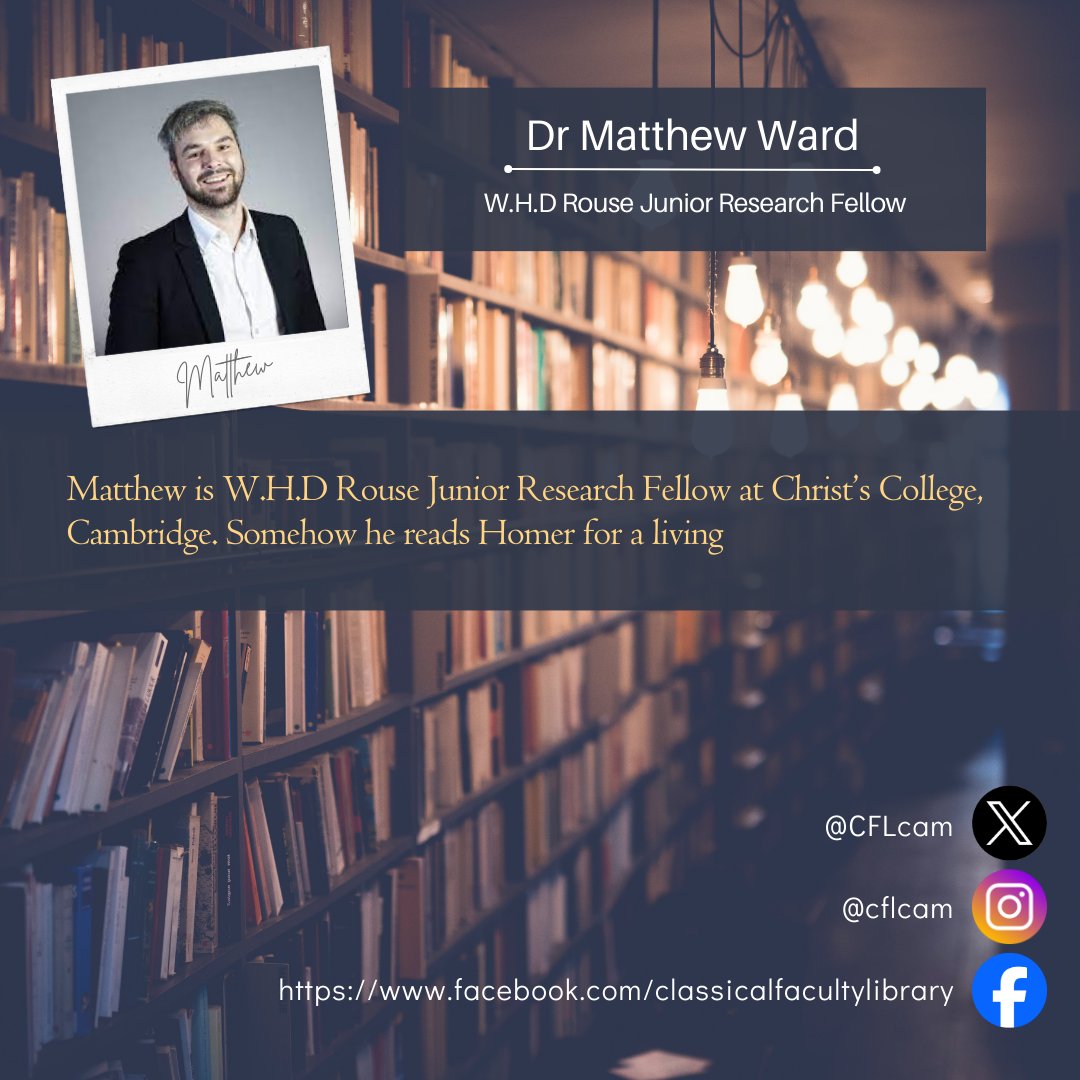
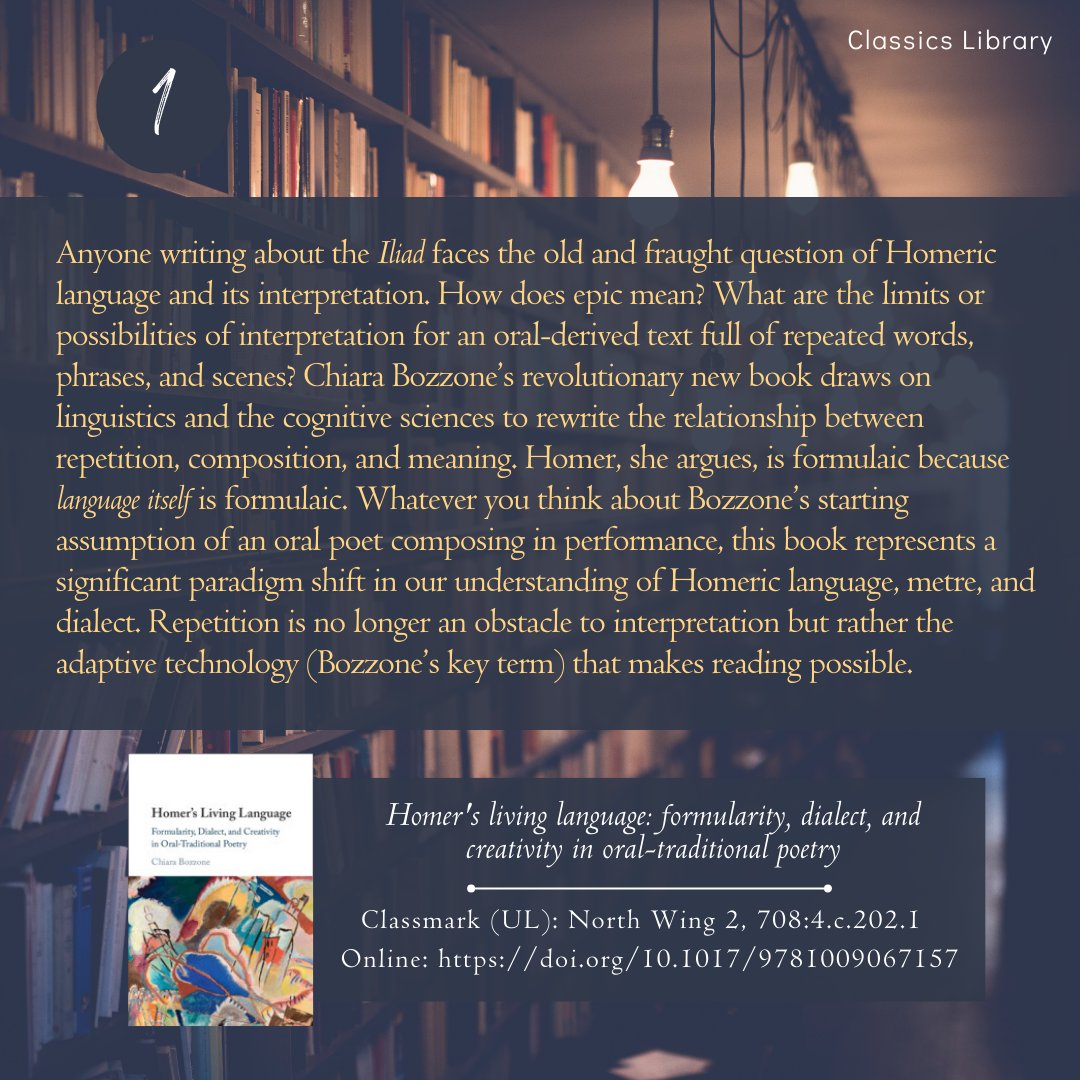
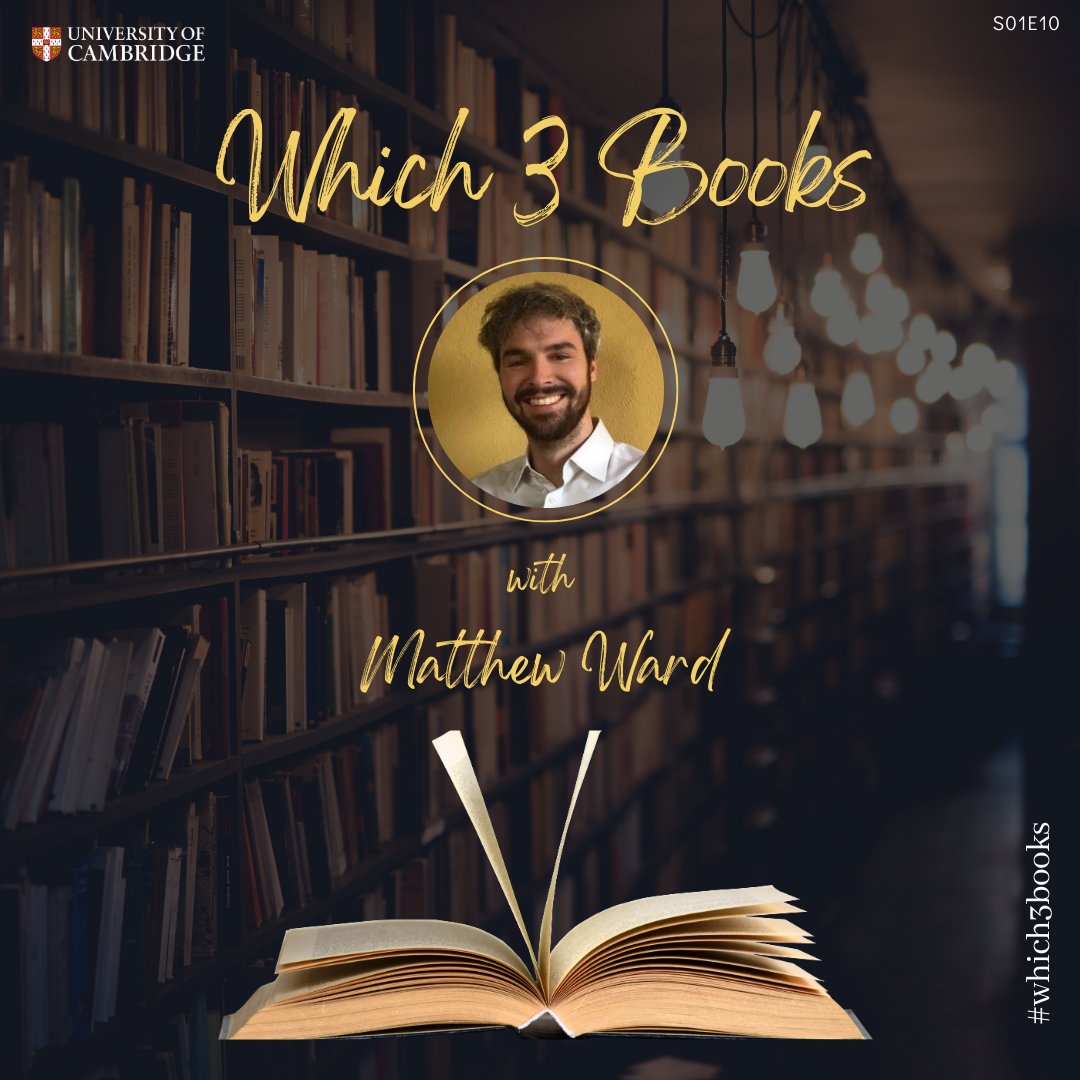
1/3 - The 10th episode of our #which3books series features Matthew Ward, W.H.D Rouse Research Fellow @christs_college. Matt's 1st pick is Homer's living language: formularity, dialect, and creativity in oral-traditional poetry, by C. Bozzone (CUP, 2024) https://t.co/oUwDWBKGCM
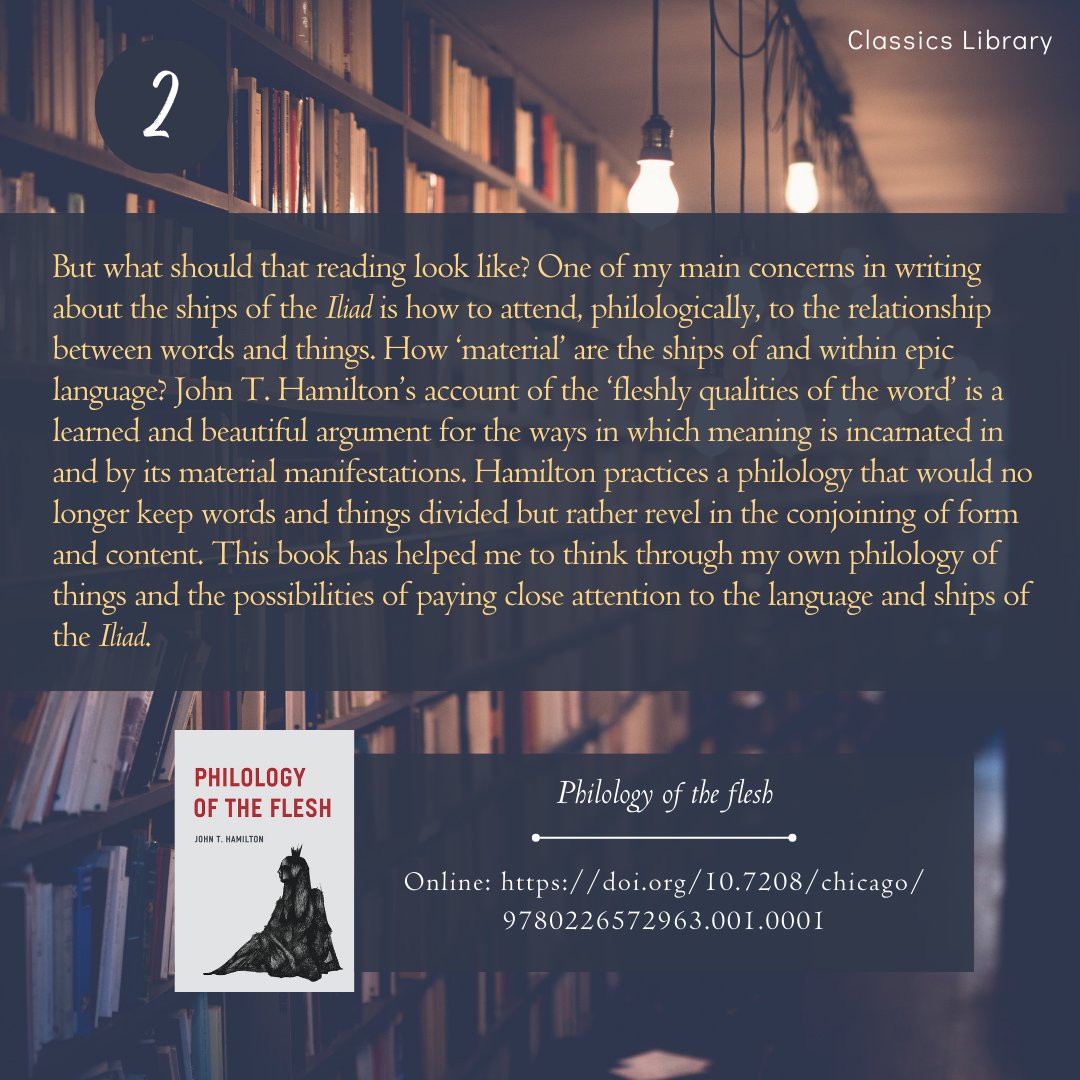
2/3 - The second book picked by Matthew is John T. Hamilton's Philology of the flesh (The University of Chicago Press, 2018). #which3books https://t.co/3JTyTrXkoV
3/3 - Giulia's third and last pick is A new handbook of rhetoric: inverting the classical vocabulary, edited by Michele Kennerly (Penn State University Press, 2021). #which3books https://t.co/8AJ6DdPvgG
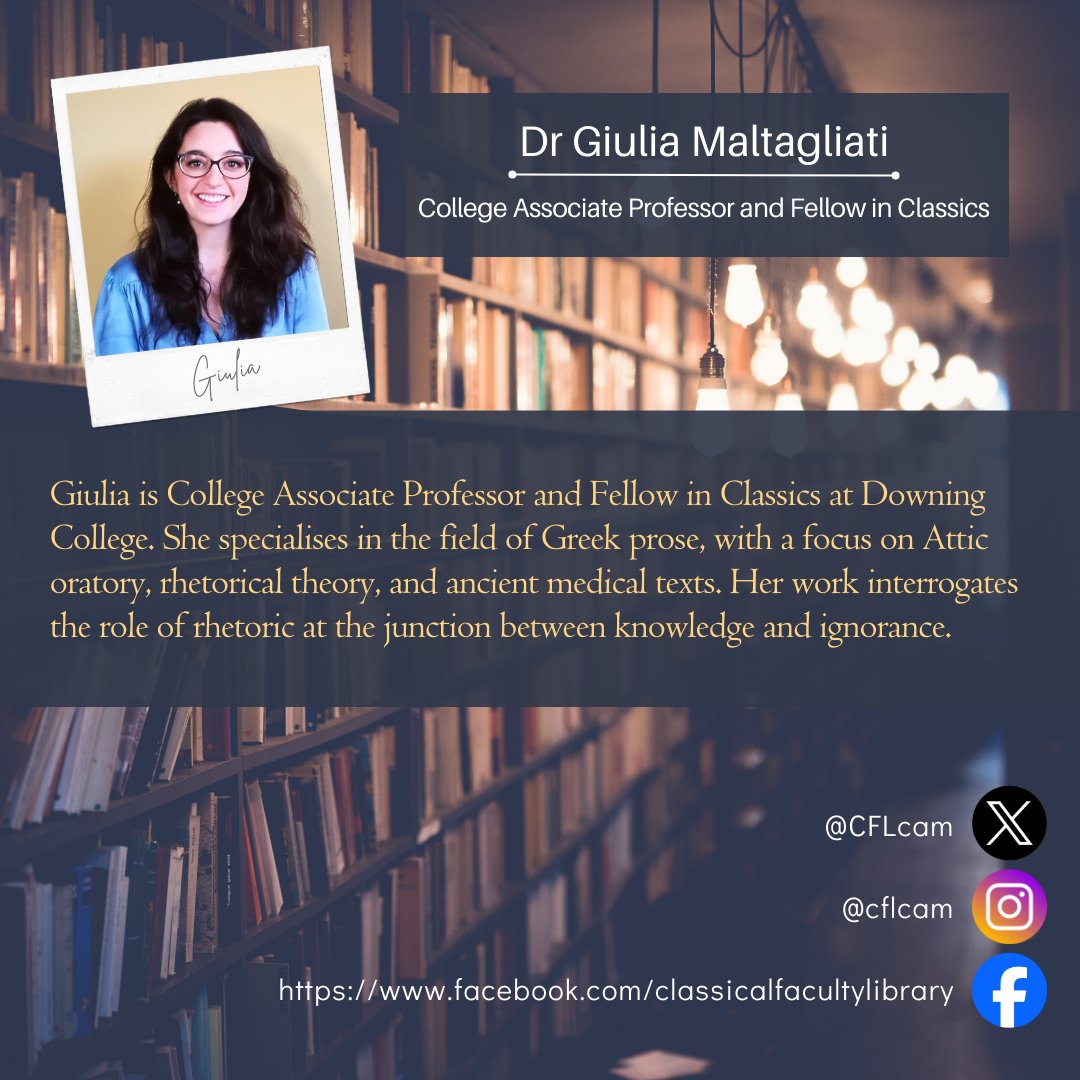
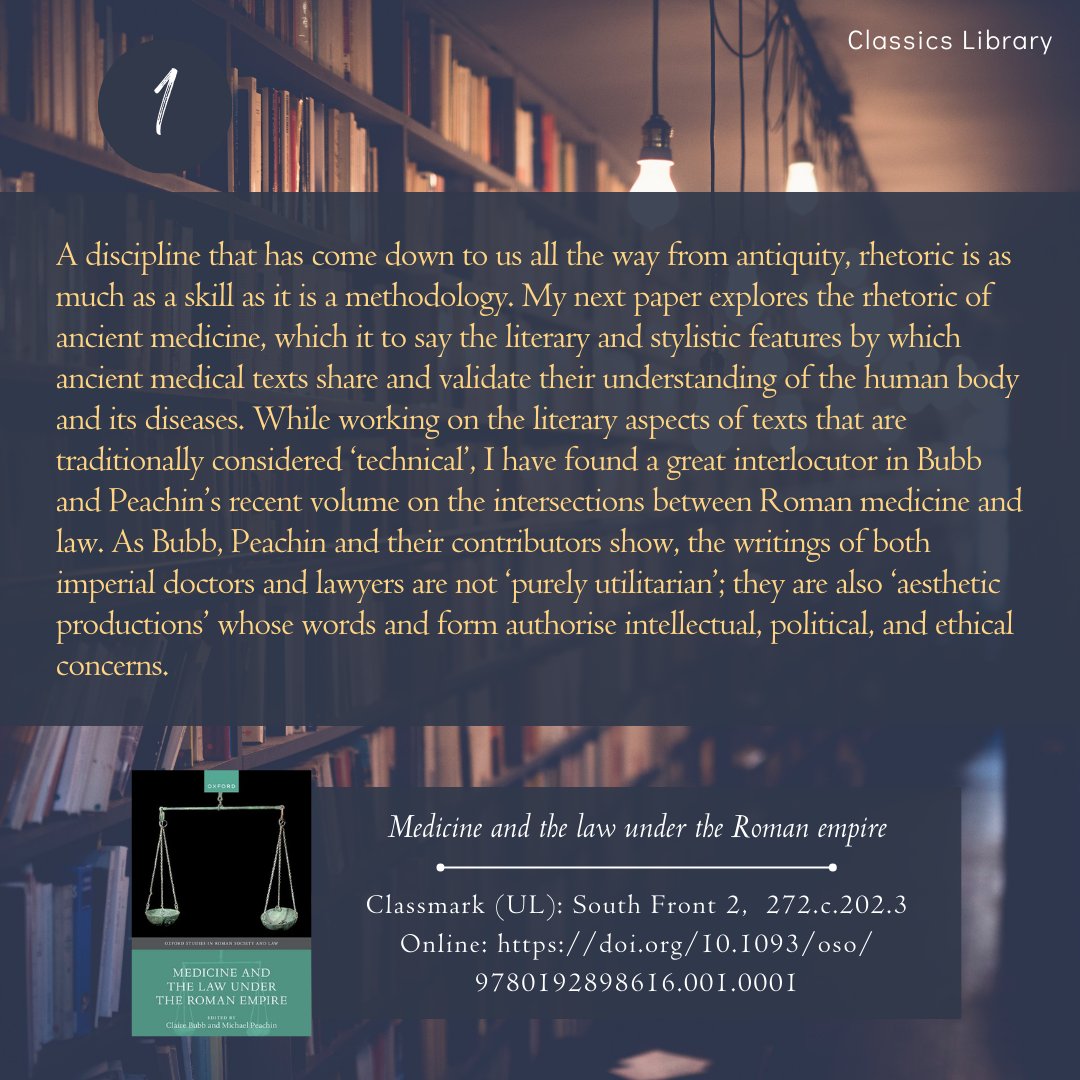
1/3 - The 9th episode of our #which3books series features @giulia_malta, College Associate Professor and Fellow in Classics at @downingcollege. Giulia's first pick is Medicine and the law under the Roman empire, edited by C. Bubb & M. Peachin (OUP, 2023). https://t.co/KGVohkFvxp
2/3 - Giulia's second pick is Law's cosmos: juridical discourse in Athenian forensic oratory, by Victoria Wohl (CUP, 2010), which analyses courtroom speeches from classical Athens. #which3books
https://t.co/8g0i4s5a5j