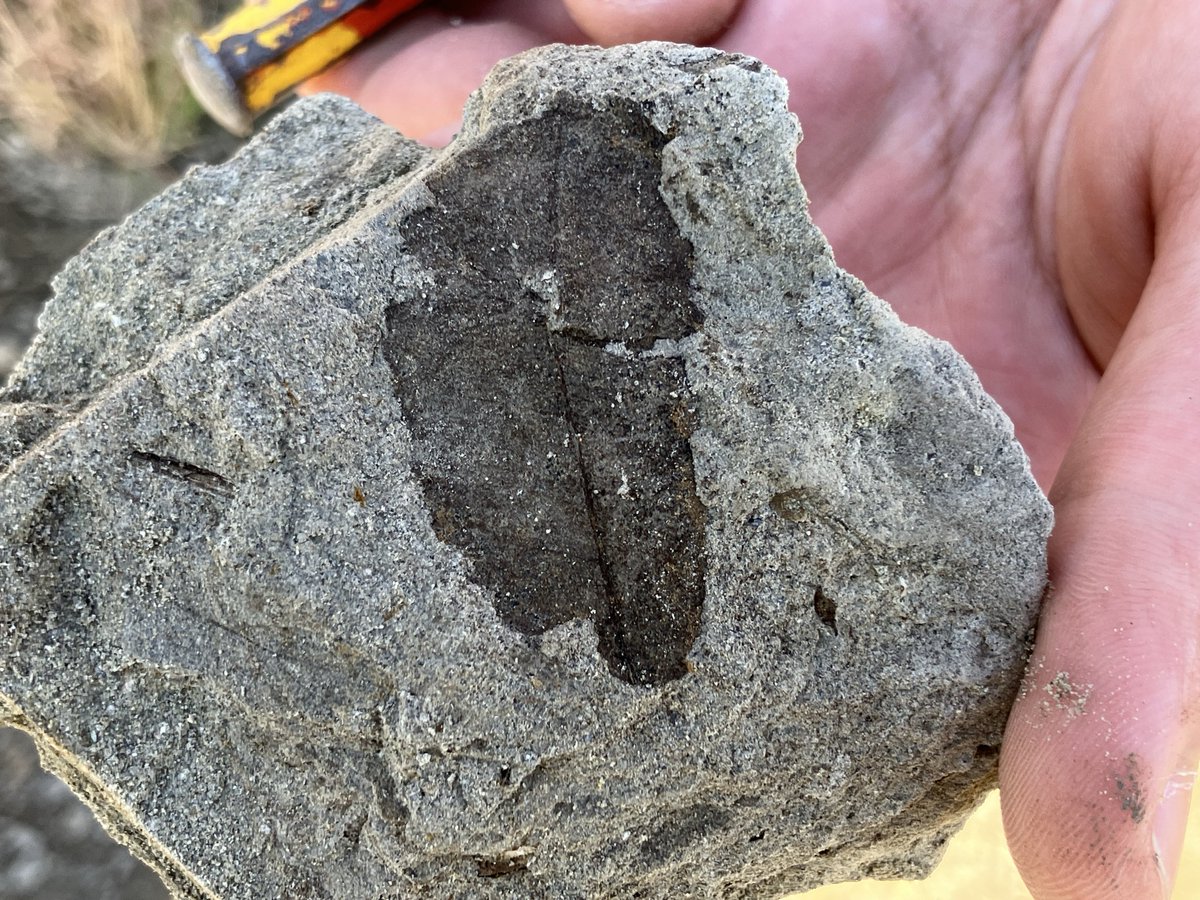
My new (very local) contribution:
Góis-Marques et al in press | The Convento #plant#fossils: a newly recognized but lost historical palaeobotanical site associated with #Quaternary hydromagmatic tuffs on #Madeira Island, #Portugal. J Iber Geol (2026): https://t.co/5UPAPfw4mH
My MSc student helped realize my dream - the third (and last) paper from my MSc thesis was recently published!
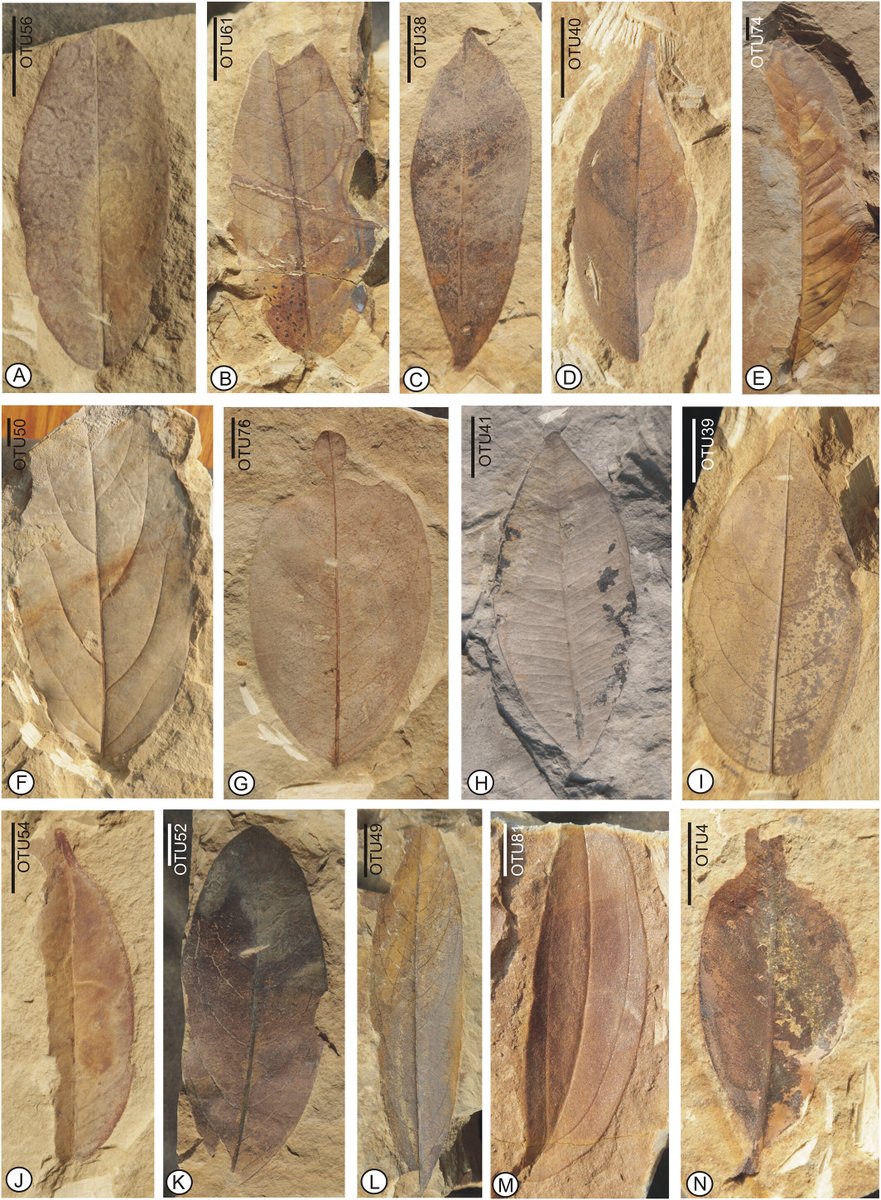
Fossil leaves of #Castanopsis (#Fagaceae) from the Late #Pliocene of southwest #China and their palaeoenvironmental significance @ThePalAss
https://t.co/PtYmUg5HdD
Fossil Castanopsis leaves from the Late Pliocene of SW China & their palaeoenvironmental significance https://t.co/9SPt0yVd5z #PapersinPalaeontology
Friis et al. 2026 | #Seed structure in Cycadeoidea morierei and its significance for the relationship of #Bennettitales and #Gnetales | Journal of Systematic Palaeontology 24 (2), 2738654:
https://t.co/OfiGUTr25r #Palaeobotany
🌋 One week left to apply for a funded PhD position in Geology, specialising in Volcanology, at IVAR, University of the Azores.
Don't miss the opportunity to study in the Azores 🌋
Application deadline: 10 November 2026
Full offer description: https://t.co/X2set9pkf2
Integrative identification of a #Paleogene#Acer samara from southwestern #China using geometric morphometrics and diagnostic morphology
https://t.co/787rU8knmz
Funded PhD opportunity in Geology, specialisation in Volcanology in the Azores with the Research Institute for Volcanology and Risk Assessment (IVAR) of the University of the Azores. Full offer description at https://t.co/uibwhQGQFu
My new (very local) contribution:
Góis-Marques et al in press | The Convento #plant#fossils: a newly recognized but lost historical palaeobotanical site associated with #Quaternary hydromagmatic tuffs on #Madeira Island, #Portugal. J Iber Geol (2026): https://t.co/5UPAPfw4mH
Reconstruction of the canopy of the iconic Lepidodendron aculeatum, based on new articulated fossils from the Bashkirian (Pennsylvanian) of Hagen-Vorhalle, Germany https://t.co/DHSgngBAiJ #PapersinPalaeontology#FossilFriday
Earliest evidence of animal-dispersed nuts in the Juglandaceae: Zodicarya gen. nov. from the #Paleocene of North America and Early #Eocene of #England: https://t.co/0GMa4lAPYX