I've now finished all the fieldwork for my PhD, looking at the insect communities of the Congolese peat-swamp forest. It's a little while until I'll have any analysis to share, but there are plenty of photos and videos of these amazing habitats in the meantime...
🧵👇
The programme for this two-day meeting on African Tropical #Peatlands includes talks on climate, biogeochemistry, vegetation, socioecology, ecosystem dynamics, and of course #insects. It will be closed by the Environment Minister of the Rep. of Congo. So something for everyone!
Next Monday at 4.15, I will be speaking at the Royal Society about my PhD research on the insects of the Central Congo peatlands. The talk is part of a two day discussion meeting on African Tropical Peatlands.
Register to attend in person or online here: https://t.co/btnvaynhQx
Next Monday at 4.15, I will be speaking at the Royal Society about my PhD research on the insects of the Central Congo peatlands. The talk is part of a two day discussion meeting on African Tropical Peatlands.
Register to attend in person or online here: https://t.co/btnvaynhQx
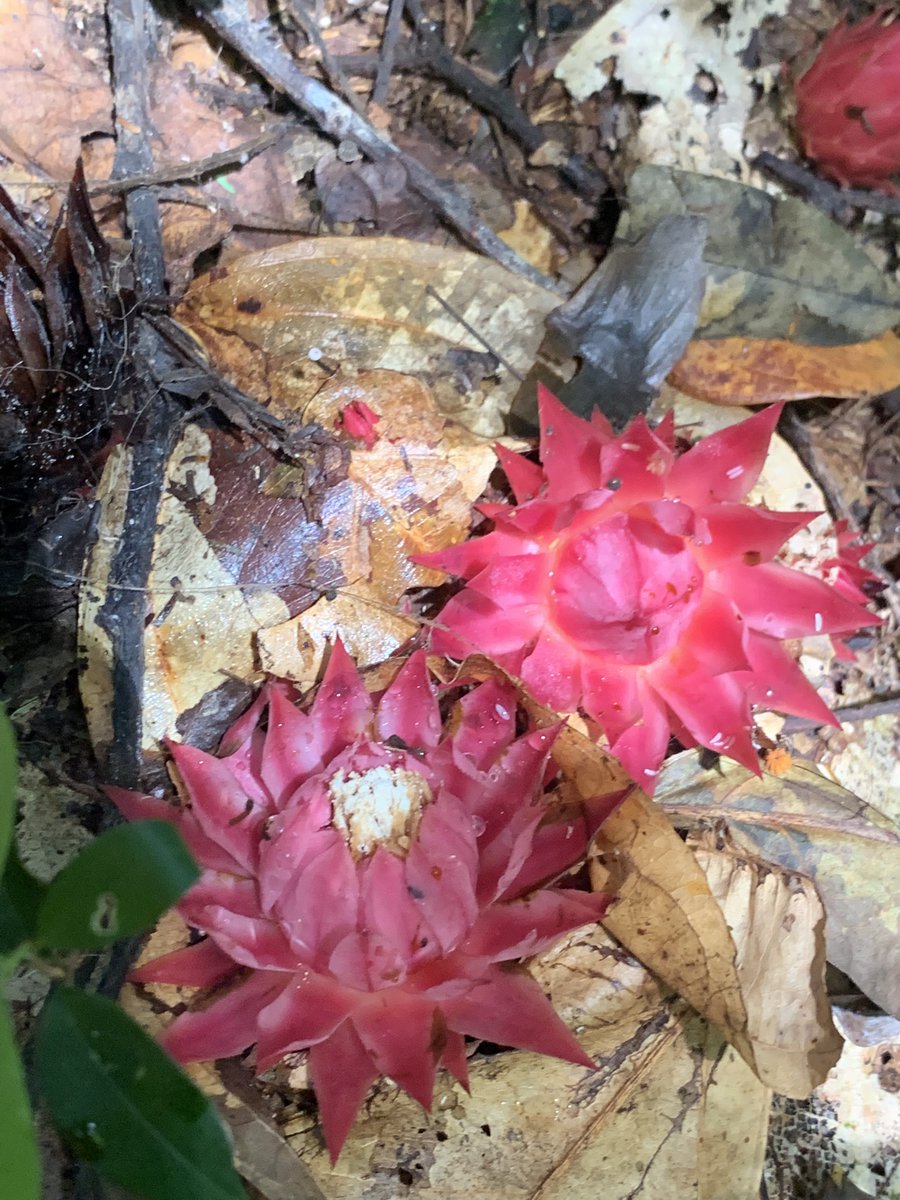
Calling all botanists... can anyone help with an ID of this apparently parasitic flower found growing directly from the soil in forests near the banks of the Ubangui River, Northeast Rep. of Congo? Very solid and spiky structure, loaded with pollen! Any clues?
Fully-funded PhD on moth trapping, automated ID, climate extremes & predator responses, with @DavidRoyBRC and me at @UniExeCEC in Cornwall. Deadline ** 29 July **. Please share! https://t.co/XLsVBbniId
Here's a wonderful three year postdoc opportunity to work on European policy aspects of #pollinator conservation, with a focus on pesticides https://t.co/ruUiLO09rP
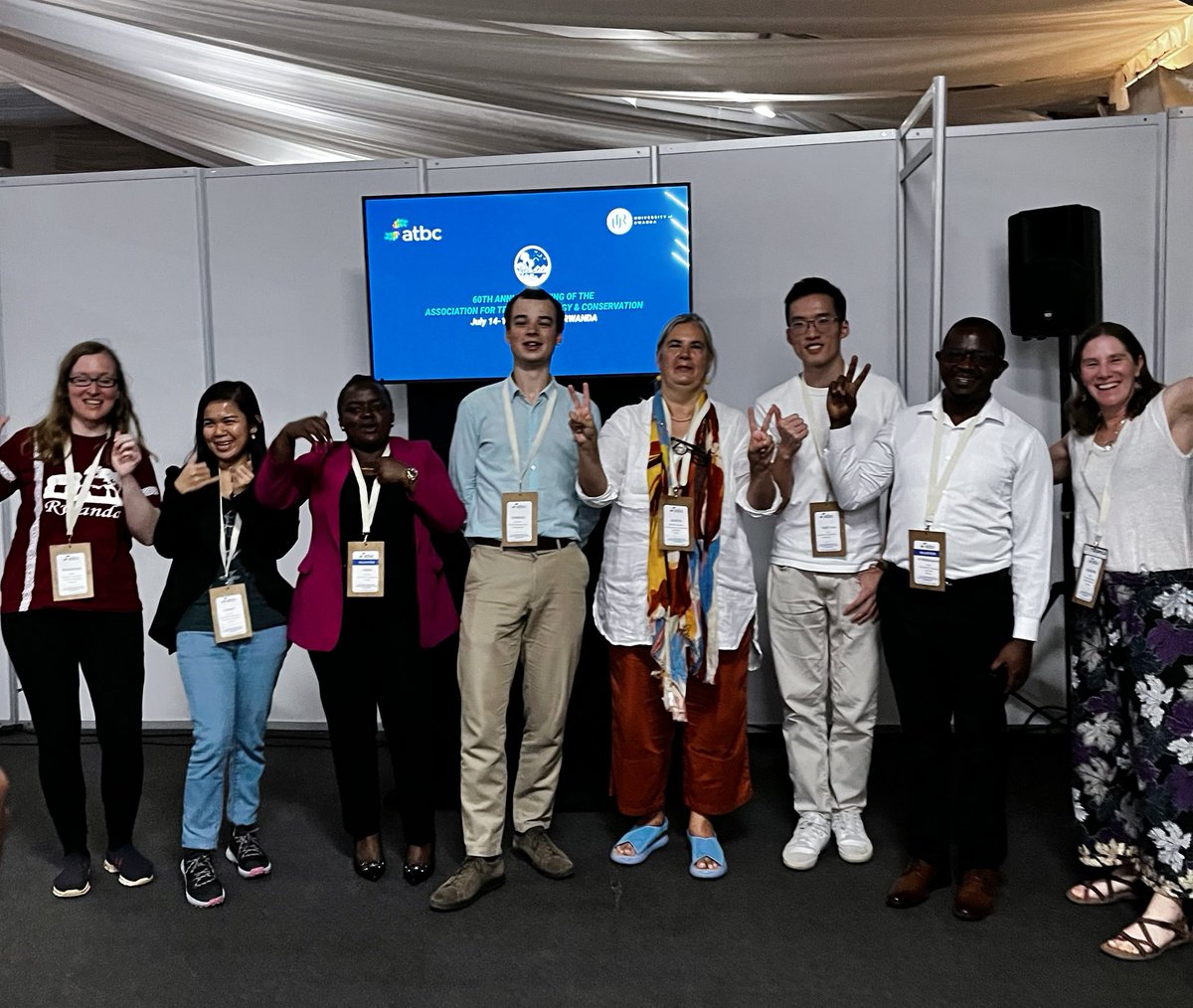
The first #insect symposium @theATBC Kigali, Rwanda in history! Excited to meet with insect enthusiasts around the world. We are proud to represent @ntu_ase@NTUsg & to host this symposium @Freaky_G88@EleSlade. Thanks for our speakers today! Remark: Enoka is missing in the pic!
Quote: "It is very hard to interpret big data in ecology in meaningful ways if you do not know anything about who the organisms are and what they do in the environment." [1/2] https://t.co/YHIzDVz4Dn
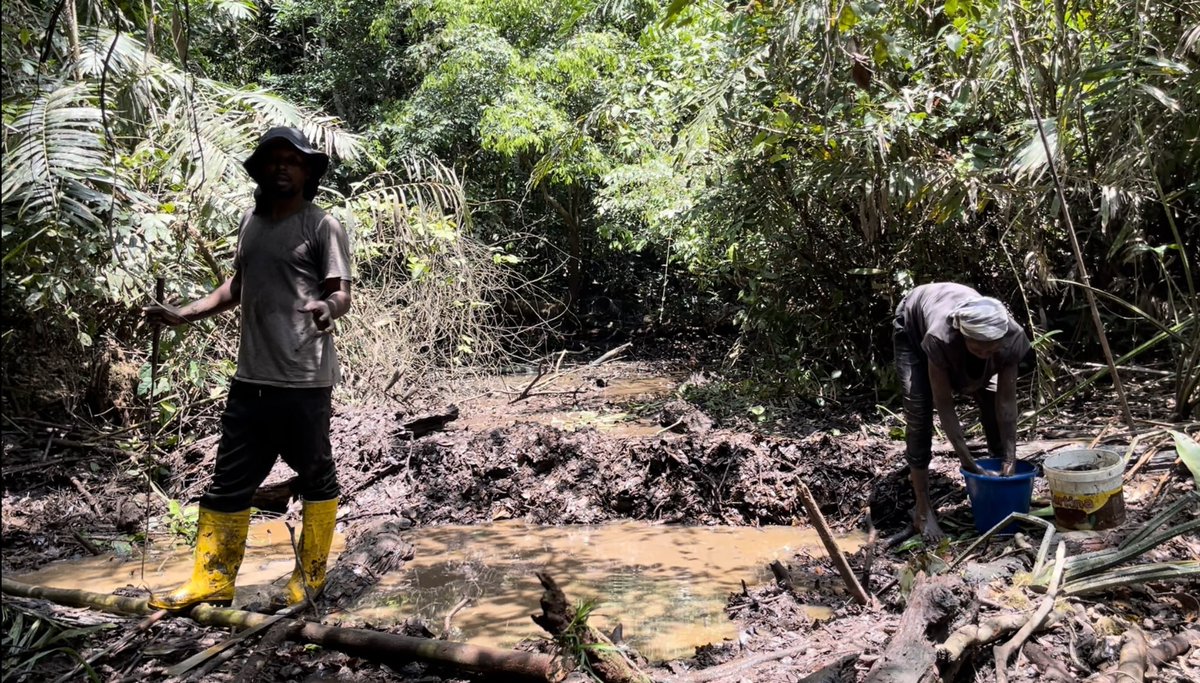
Our stay in the forest in Cuvette, Republic of Congo, shows that peat forest plays an essential part in the life of the villagers living near it. Firstly for fish - and fishing is the main source of food and income. 1/ 🧵
Another fieldwork video… how do you string up a canopy trap when your slingshot is at home? How about a string tied around a stick, flung upwards by your strongest team member? This one went 16m up, right into the canopy of the swamp forest trees.
I've now finished all the fieldwork for my PhD, looking at the insect communities of the Congolese peat-swamp forest. It's a little while until I'll have any analysis to share, but there are plenty of photos and videos of these amazing habitats in the meantime...
🧵👇
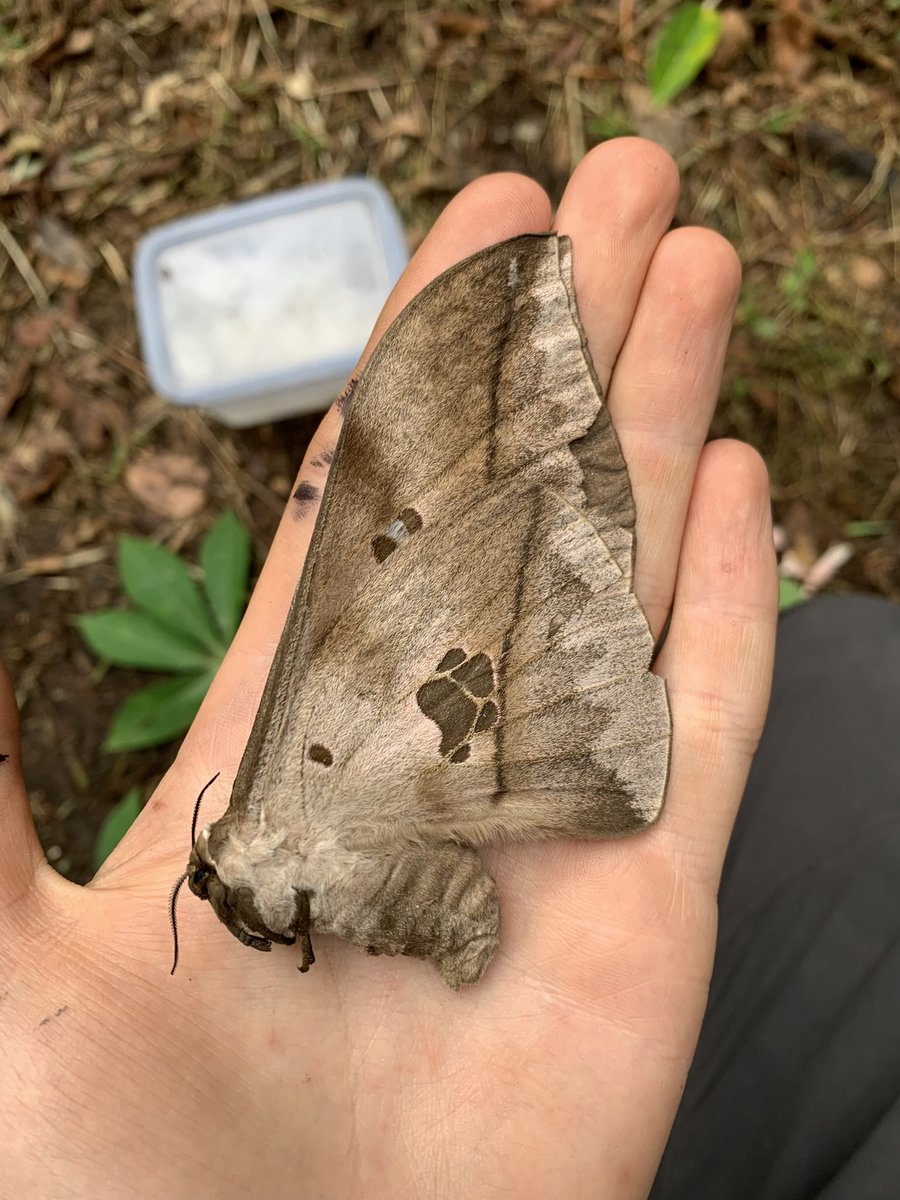
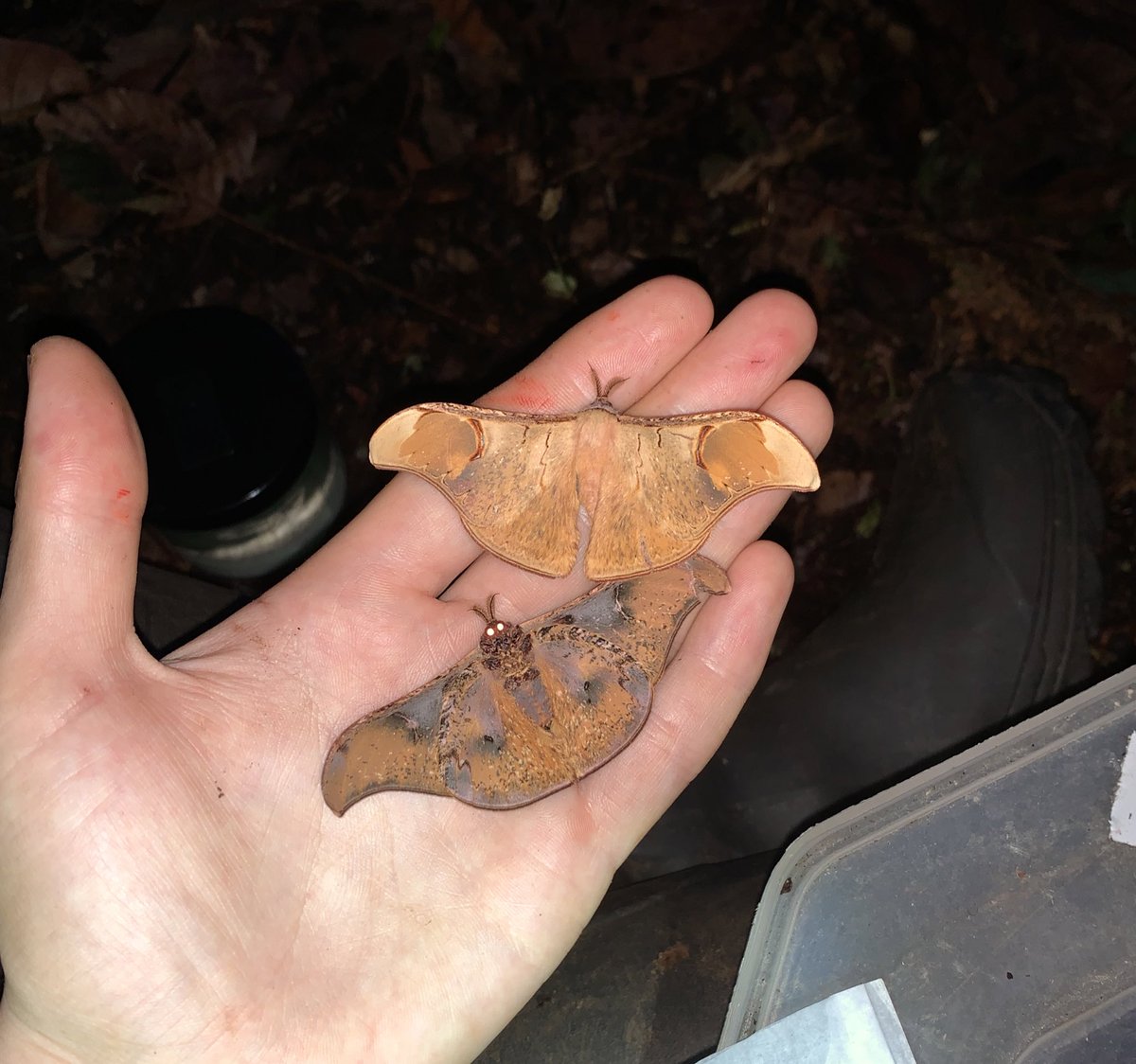
The first insect pics I have to share are these deliciously-chocolatey-looking Saturniids, genus Dogoia, which were extremely abundant at all of the hardwood swamp-forest light sheet sessions.
Another fieldwork video… how do you string up a canopy trap when your slingshot is at home? How about a string tied around a stick, flung upwards by your strongest team member? This one went 16m up, right into the canopy of the swamp forest trees.
One week left to apply for this 5 year PhD/graduate teaching assistant role at University of Liverpool. My PhD project is:
"Unravelling the true climate effect of peatland restoration"
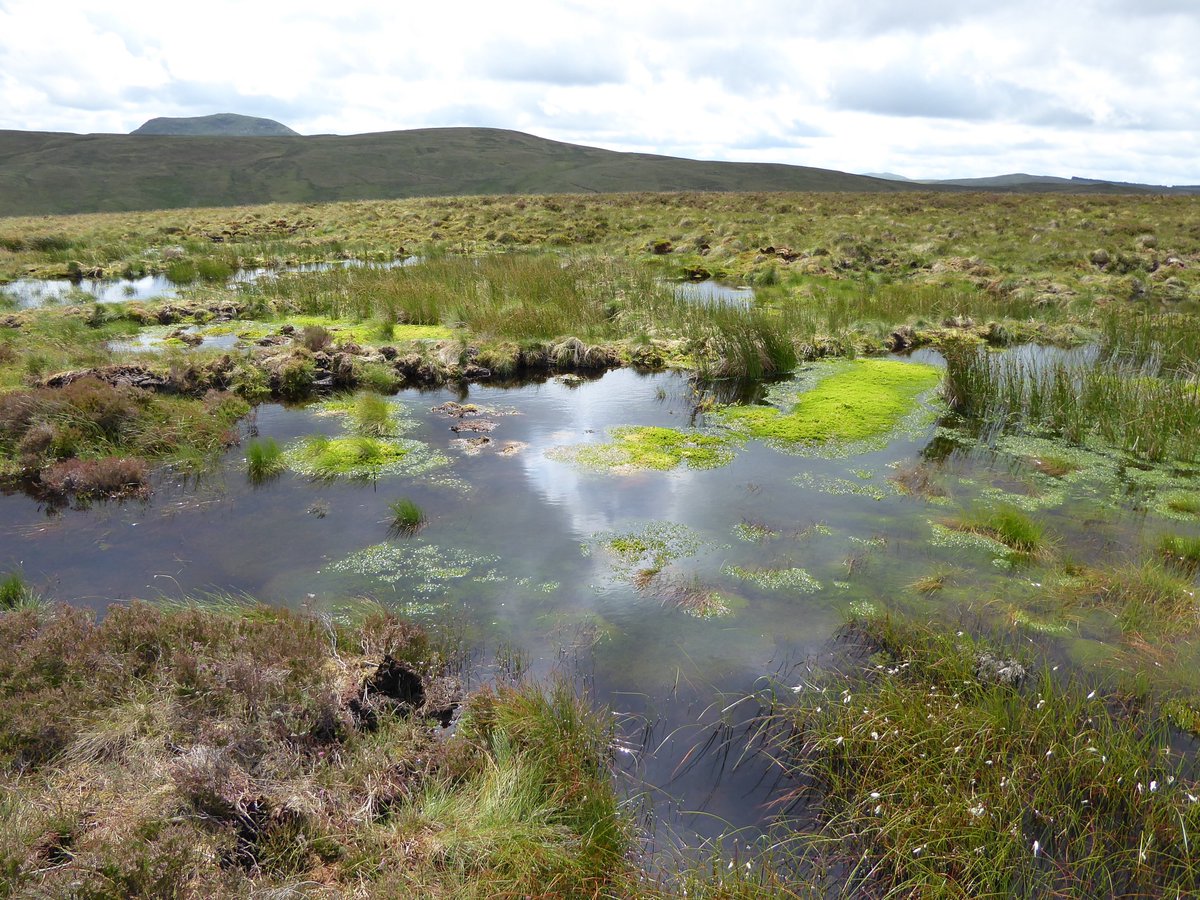
Lots of fieldwork opportunities on glorious bogs!
The first insect pics I have to share are these deliciously-chocolatey-looking Saturniids, genus Dogoia, which were extremely abundant at all of the hardwood swamp-forest light sheet sessions.
A new investigation reveals worrying reports of forced displacement and human rights abuses from Ntokou Pikounda, the Republic of Congo’s youngest national park and co-managed by @WWF. Read the story here: https://t.co/L6SGoT3u44 @242Cad@Survival@MinorityRights@JohnHKnox@ForestPeoplesP
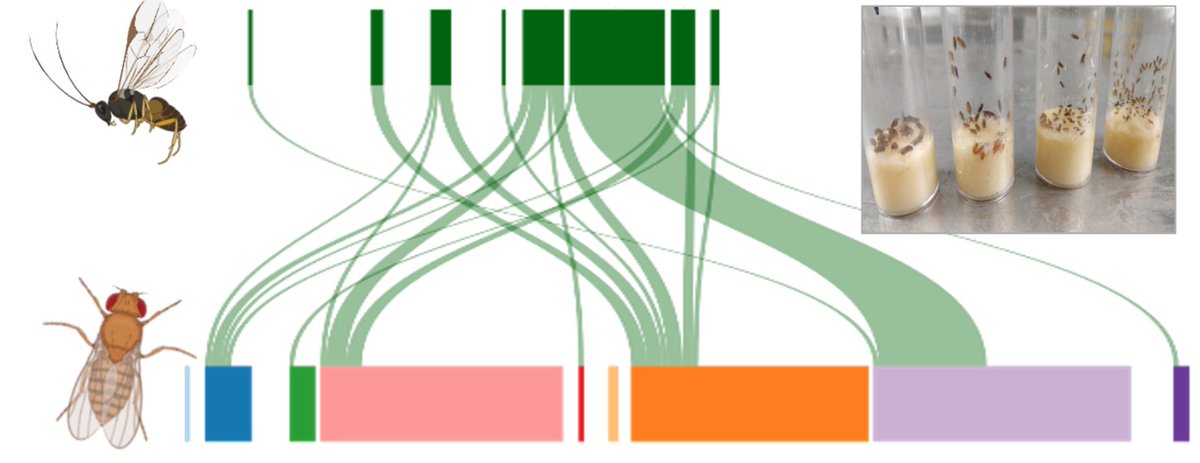
We're hiring a graduate Research Assistant to study ecological and evolutionary effects of heatwaves on insect communities. 2-year contract with field and lab work split between @OxfordBiology and @JCU Queensland, Australia. Pls share and retweet! https://t.co/63xL1IQ4ZO