"Today, the computer can do more than ever on its own—but man can still pull the plug.” At least that was the case in 1965, when Cornell Computing Center director John Rudan spoke about computing during a talk in the Straight.
From slide rules to calculators, email to cell phones, each generation of Cornellians has faced new and evolving technologies, often with a mix of enthusiasm and fear. And while it may feel like we’re experiencing unprecedented technological change in the 21st century, it’s hardly the first time the University community has weathered such storms.
It was, of course, technological innovation that helped create Cornell. Read more about these innovations at https://t.co/yhZhxXqqhN.
Photo courtesy of the @Cornell_Library Rare and Manuscript Collections.
🏆🤖 Congratulations to our SYSEN 5920 Robotics Competition winners!
A huge congratulations to our 1st, 2nd, and 3rd place teams for their outstanding designs, teamwork, and innovation! 👏🚀
Excellent talk by PhD student, Eliot Dugan, at the @CHESS_user symposium today, discussing his impactful research on intestinal iron absorption. @Cornell@CornellCALS
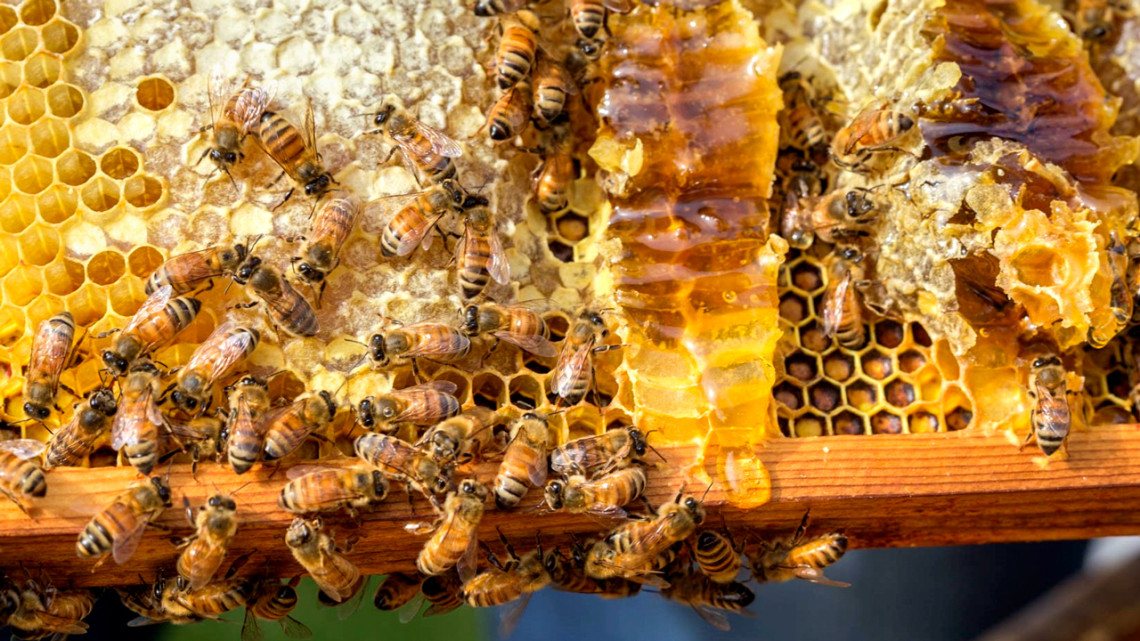
Strict regulations have prevented continental U.S. beekeepers from participating in the lucrative organic honey market, but new research finds that bees' actual habits make certain rules too extreme. The findings potentially provide evidence for federal agencies to ease restrictions and open organic markets to U.S. producers.
“Consumers are willing to pay 20 to 30% more for organic certified honey than nonorganic certified honey,” said Scott McArt, associate professor of entomology in @CornellCALS and a senior author of the new study, published July 29 in the journal Science of the Total Environment.
“If organic honey was possible to produce in the continental U.S., it would open up a huge market for our country's beekeepers, who are really struggling right now.”
Read more: https://t.co/J4TO6WZQhZ.
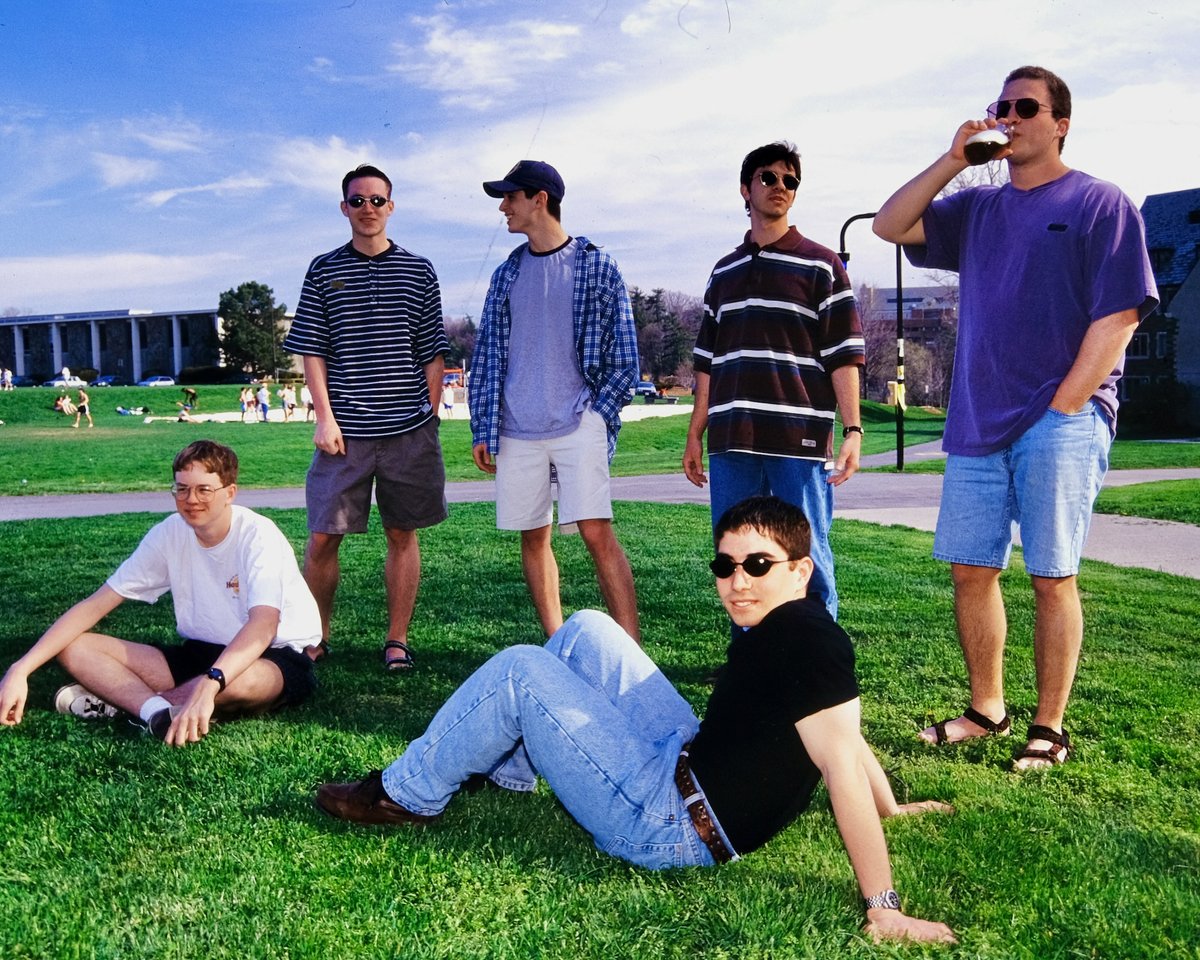
Here are more never-before-digitized photos of Big Red summers from the 1980s–early 2000s (@CornellAlumni), pulled from Kroch Library's Rare & Manuscript Collections — many stored on glorious Kodachrome slides. These photos likely have not been seen since the eras when they were shot.
See more at https://t.co/pqDsyCtGvb.
Photos courtesy of the @Cornell_Library Rare and Manuscript Collection.
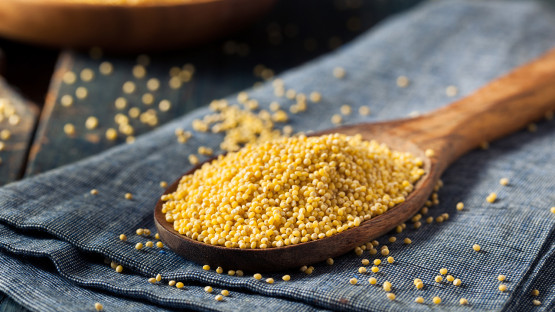
The fight against childhood malnutrition may have just gotten a new tool in biofortified millet.
@CornellCHE researchers and collaborators in India and at the University of California, San Diego have found that toddlers who ate iron- and zinc-biofortified pearl millet for 9 months developed gut microbiomes with distinct, potentially beneficial changes, without the troubling side effects that have long shadowed iron supplements.
The findings represent what the researchers believe is one of the first studies ever to examine how biofortified crops affect the human gut microbiome.
Read more: https://t.co/7ZDkgFUj2n
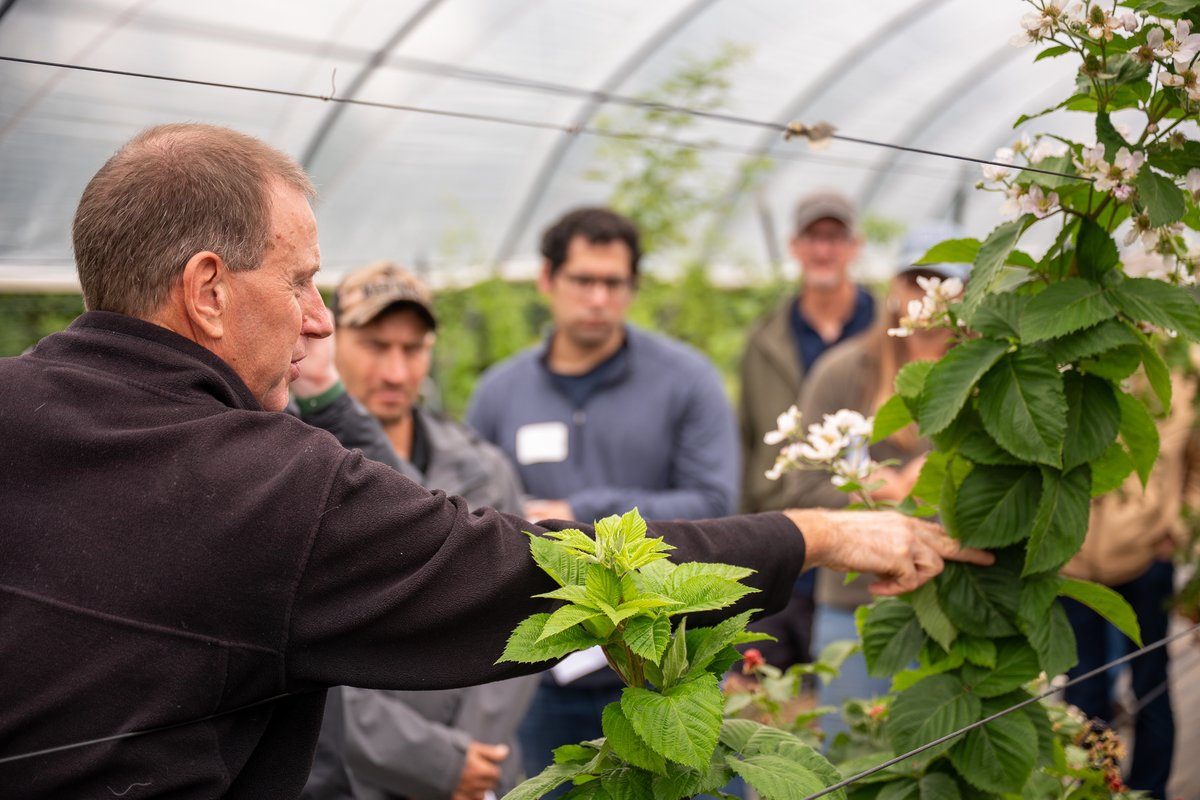
Last week, Cornell Fruit Field Day returned to @CornellAgriTech after a 10-year hiatus, bringing together industry stakeholders to explore practical solutions for commercial fruit production.
Thank you to everyone who joined us, including @NYSAgandMarkets, for helping strengthen New York's fruit industry through research and collaboration.
One year after unveiling a first-of-its-kind “microwave brain” microchip capable of computing on ultrafast data and wireless signals, researchers from @CornellEng have shown how the chip can encode information into its own language.
Read more: https://t.co/zd4kkp32Sl
Light typically interacts with a material the same way whether it enters through the front or the back – like polarized sunglasses that work the same from either side. @CornellEng researchers have demonstrated a simple route to breaking that symmetry, opening new possibilities for photonics and quantum information processing.
Read more: https://t.co/JOv3KLSH4t
Satellite-derived maps of defoliation caused by European spongy moths – a devastating U.S. forest pest that consumes the leaves of a wide variety of trees – offer a promising solution for tracking where and when to spray, and for identifying large scale trends and conditions that lead to pest outbreaks, according to a new study from @CornellCALS and @CornellCAS funded in part by the @AtkinsonCenter.
https://t.co/jRTtqVYi52
An overactive immune response in the brain may play a role in Dravet syndrome, a rare and severe genetic epilepsy that typically begins in infancy, according to @WeillCornell researchers.
https://t.co/hNHgD70YPQ
A new modeling study finds that weak AI regulation may be worse than no regulation at all when it comes to the safety of AI products and services.
In the absence of strong federal AI regulation, states have attempted to take up the slack, but it’s unclear how this patchwork of laws will alter incentives for companies to invest in the safety of their products.
To better understand the implications, researchers at Cornell and Carnegie Mellon University developed a theoretical model to estimate the effects of AI regulation, both for companies that produce general-purpose AI models – like the ones behind popular chatbots – and downstream companies that apply those models, such as for customer service chatbots or medical diagnostic systems.
They hope that this work will inform thoughtful regulation of AI products.
Read more: https://t.co/SR6IGdNZdD
@Cornell_Tech | @Cornell_Bowers
In a new collaboration, Cornell faculty and students will help the City of Ithaca assess and improve the current holdings, maintenance plan, and governance structure of its parks.
The project is part of Cornell’s Memorandum of Understanding with the City of Ithaca. For 2026-27, the funds will support work from faculty and students in @CornellCALS’s Department of Landscape Architecture, to inventory the parks and create a proposed maintenance plan, and in @CornellBPP, to research and recommend new models of governance.
Read more: https://t.co/TyzqdKJu21
Gardeners experiment every time they sow a new vegetable, and sometimes it fails: blighted tomatoes, moth-eaten cabbage, plants that never flower.
“That’s part of gardening,” said Noel Harradine, a master gardener volunteer with @ccecornell Wayne County, one of more than 100 CCE gardeners across the state working to take some trial and error out of the process by testing varieties to find what grows best in New York.
Harradine’s work is part of CCE’s statewide Vegetable Variety Trial Garden program, a long-standing initiative to help New York gardeners choose the best-performing varieties for their regions.
Across 37 counties this year, master gardener volunteers have sown select vegetables in CCE garden beds and are now collecting data and evaluating vegetables for taste, yield, and ease of growing. The observations are collected in a public web forum and shared with Cornell researchers and extension staff, as well as the sponsoring seed company.
Read more: https://t.co/vmNMJJYVU4
As psychedelic drugs gain more support from the medical community as a potential treatment for severe depression – and with the U.S. government relaxing its regulatory constraints – there remains a vast gap in understanding how the drugs work on the brain. Alex Kwan, Ph.D. ’09, professor of biomedical engineering in @CornellEng, is at the center of a multidisciplinary investigation that is exploring the basic neurobiology and mechanics behind psychedelic compounds such as psilocybin.
Read more: https://t.co/EC4vFlnW36
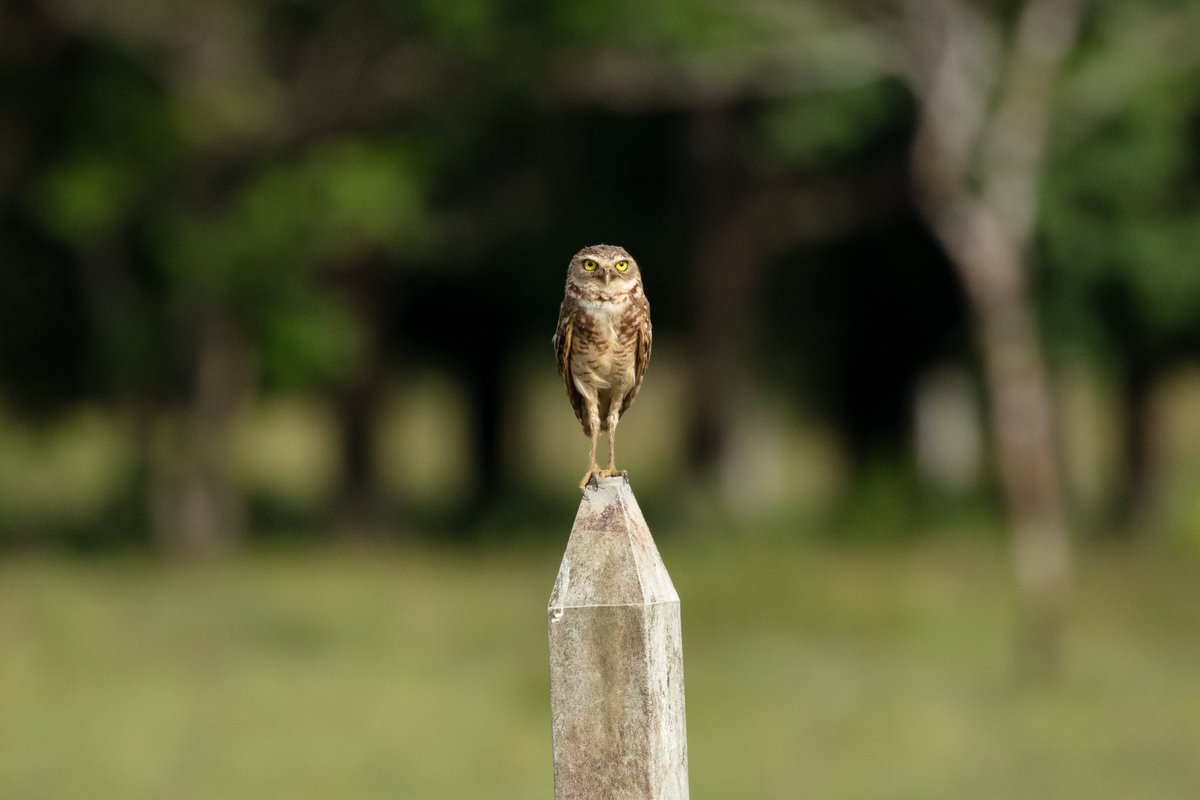
Can sustainable rubber production support both biodiversity & local livelihoods? 🌿
A @Cornell doctoral candidate is using AI-powered BirdNET Analyzer from @CornellBirds to study how rubber agroforestry can benefit birds & farmers in the Amazon ➡️ https://t.co/HOa8zA650b