Top 4 things to know about doing science:
1. You need to have someone you can talk to
2. One-on-one discussions are the best
3. Think about discussions as improvisations and use the ‘yes, and’ rule
4. Create a safe space so both of you feel open to saying seemingly silly things
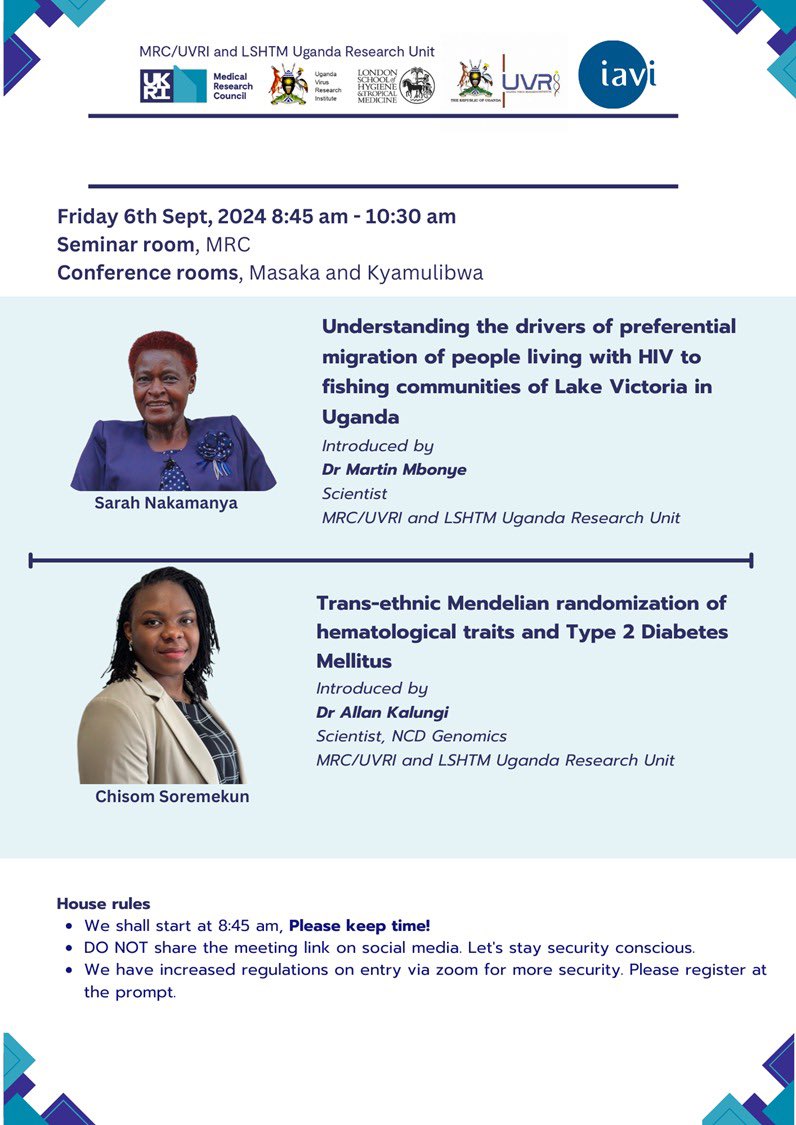
I have been invited to share my findings on the "Transethnic Mendelian Randomisation of Haematological Traits and Type-2 Diabetes Mellitus" at the weekly @MRC_Uganda and @IAVI .
Join us for an enlightening session!
#seminar#research#phd#uvri
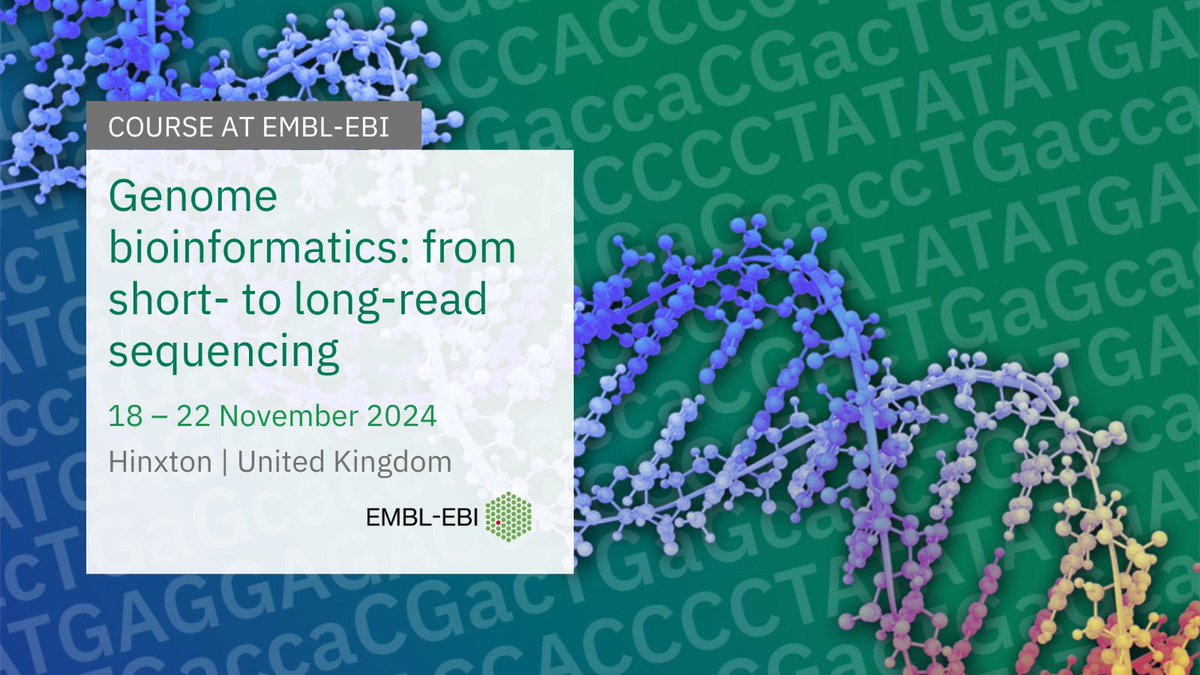
Apply for this course if you would like to understand more about the technology, analysis workflows and resources for next-generation sequencing data analysis: https://t.co/7lFI8IM68M
Applications close 22 July
#genomics#bioinformatics
Application deadline for our @EBItraining sequencing course is 22nd July!
It covers all qc and mapping steps, variant calling for short and structural variants, how to analyse both short and long read sequencing data, and the basics of how to build a pipeline.
Spread the word!
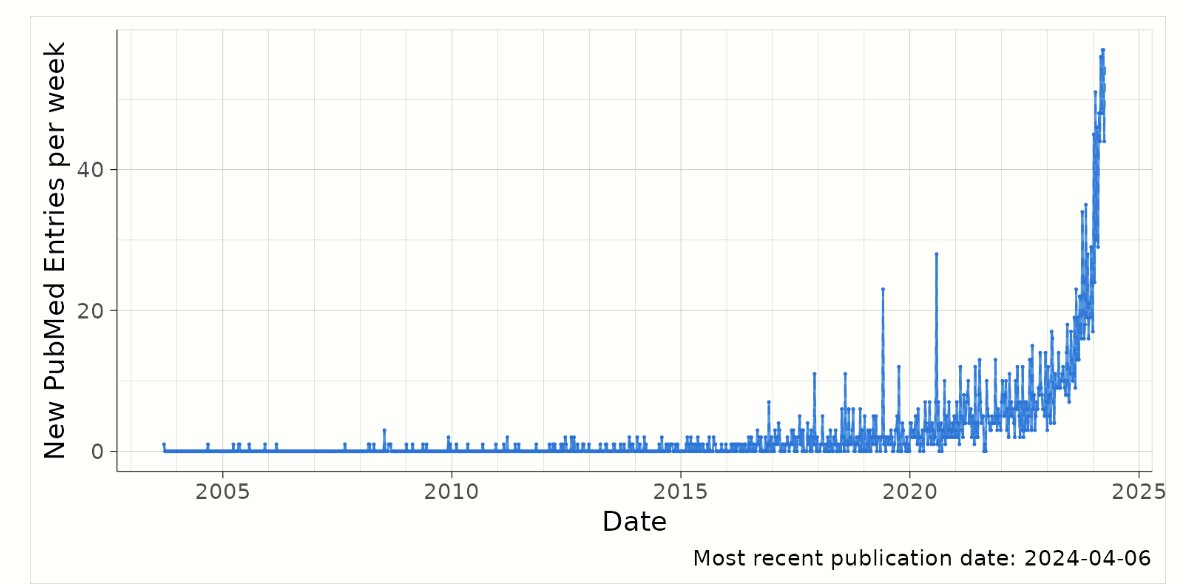
Mendelian Randomisation (MR) is going to hell in a handcart, with an exponential weekly increase of papers with Mendelian Randomisation in the title, most of them nonsense. 25th April 4.30pm online or in person @ucl I'll talk about what should be done https://t.co/r8c16dbCqG
"caQTLs and haQTLs capture regulatory variations not associated with eQTLs and explain ∼49% of the functionally annotated GWAS loci"
Been clear for a while that accessibility & histone marks provide more info for explaining & fine mapping GWAS loci than expression. 1/
Amen. When I interviewed at Bell Labs at the end of graduate school, I was asked to prepare a 45 min talk that took me 90 min to deliver -- thanks to all the interrupting questions and debate that ensued. It was fantastic! It meant that they cared, and they pushed me in directions I hadn't considered, despite being the nominal expert in my subject. Too often today when I attend a talk, many are not paying much attention (laptops and phones), and the speaker receives little feedback except empty compliments or a few softball questions at the end. Even worse, some speakers take offense at being pushed to defend their work, further stifling intellectual exchange. They should remember that constructive critics are doing them a favor, and that it is an extreme privilege to have the freedom to do science.
Same holds true when scientists post their latest work. Rather than empty compliments and congratulations, they would be better served by thoughtful criticism and questions. This is particularly true for preprints, where the hive mind of X could go a long way to turning a good manuscript into a great publication.
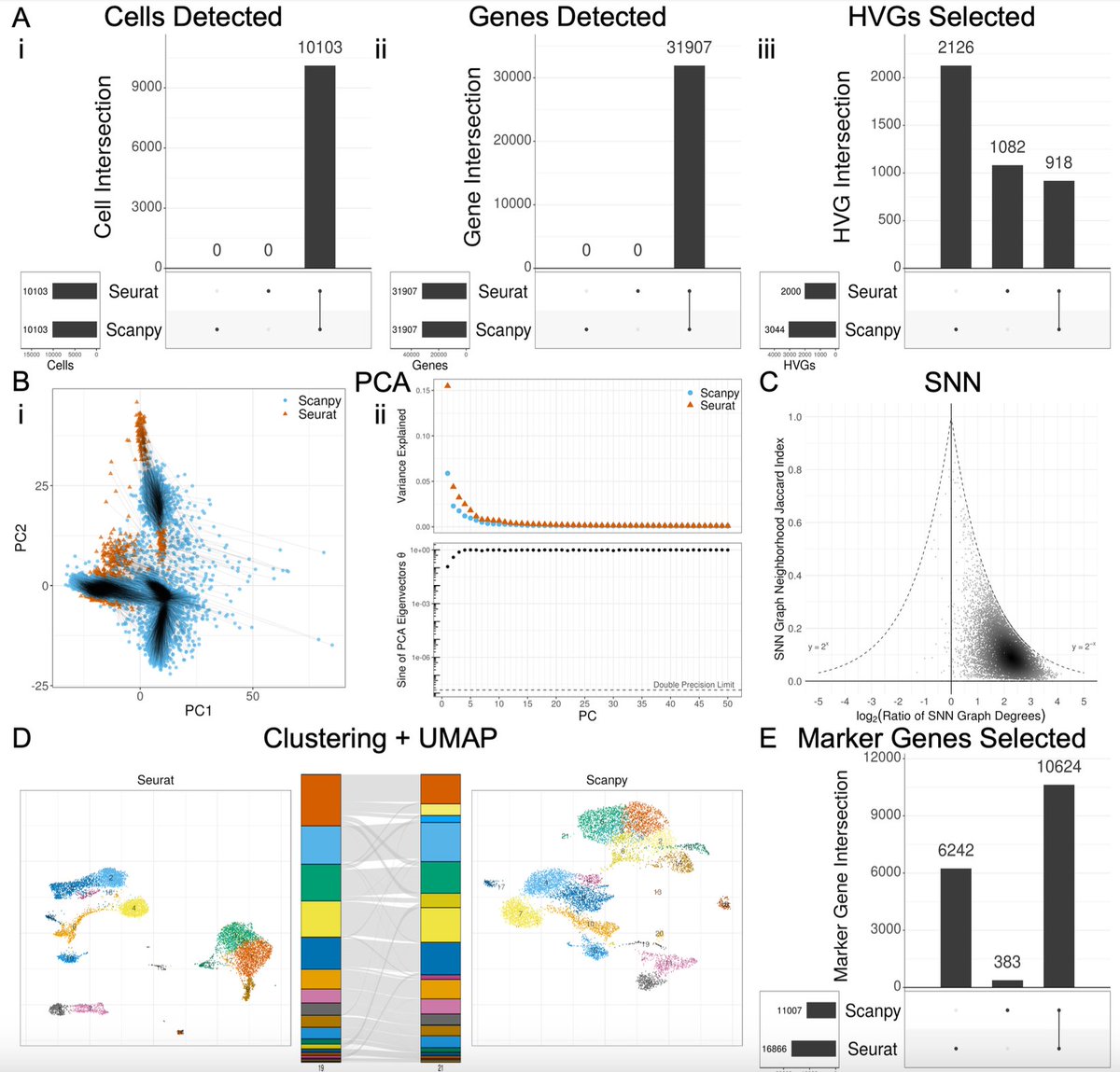
The choice of whether to use Seurat or Scanpy for single-cell RNA-seq analysis typically comes down to a preference of R vs. Python. But do they produce the same results? In https://t.co/rVOiR847CY w/ @Josephmrich et al. we take a close look. The results are 👀 1/🧵
Anshul has a great mini-thread here (read up) on why predicting expression from sequence is conceptually much more challenging than predicting chromatin activity. I want to piggy-back on this with some dots that have still not connected for me:
Our genome bioinformatics course at @EBItraining is coming back with a revised programme - this year we go from short- to long-read sequencing!
20-24 Nov 2023, Hinxton, UK
Deadline 7th August!
@CUSolomon@kayeshac1@R_Rahbari@laidlawsean@MaxGalder
https://t.co/rscXt0xVfX
Our latest pre-print on head and body lice!
We find males DO NOT have silenced paternal chromosomes, weird for a 'Paternal Genome Elimination' species!
The exception of the exception that broke the rule 😂
#PGE#Lice#Epigenetics#GenomicImprinting
https://t.co/MvrCvXNRHN
A 🧵 on some of my intuitions/priors about the genetics of complex and molecular traits in humans (i.e. what I think of as typical), largely motivated by GWAS/QTL studies over the past decade [citing papers with nice figures where possible]
The paper I am sharing today is a thoughtful philosophical perspective from @sdomcke & @JShendure proposing a new organizational framework for single cell data, as an alternative to e.g Human Cell Atlas
Compelling read for both lovers❤️ & skeptics🤔 of single cell genomics
🧵🧵
@minouye271 @Nature Congrats on this excellent work. Would it be reasonable to expect improved portability to other ancestries if polygenic scores were constructed with an African cohort?