Mexico paid $20 million for eight minutes in this movie. Then those eight minutes forced them to invent an entire cultural tradition.
Before Spectre, Mexico City had no Day of the Dead parade. The holiday was celebrated at home, at cemeteries, with family altars. Quiet, intimate, centuries old. Sam Mendes fabricated a massive street parade for the opening sequence, shot it with 1,500 extras in skeleton costumes across the Zócalo, and audiences worldwide assumed they were watching a real annual event.
Mexico's government had negotiated hard for the placement. Leaked Sony hack emails showed officials offered up to $20 million in tax incentives for four minutes of positive portrayal. Sony was drowning in a $300 million budget. The deal included script changes: the Bond girl had to be a Mexican actress, the villain could not be Mexican, and the city's modern skyline had to appear on screen.
Then the movie opened in 182 countries and tourists started booking flights to Mexico City for the parade.
The parade that did not exist.
Tourism authorities panicked. Visitors were arriving expecting the spectacle they saw in the film and finding nothing. So in October 2016, the government spent $500,000, hired 650 volunteers, built dozens of floats and giant skeleton marionettes, and staged the first real Día de los Muertos parade in Mexico City's history. 250,000 people showed up. They openly called it a "Spectre-style parade" in press materials.
Ten years later, the parade draws millions. Anthropologists call it the "pizza effect," where a cultural element gets exported, transformed abroad, and reimported as authentic. Mexico's most famous public celebration of its most sacred holiday was invented by a British director shooting a $300 million spy movie.
That tracking shot is doing more for Mexico City's economy every November than the $20 million they paid for it.
El retablo más antiguo en México, y uno de los tres más antiguos en América, se resguarda en el ex convento franciscano de San Juan Bautista en Cuautinchán, Puebla.
Conócelo en nuestra #FotoDelDía: https://t.co/MsBJr2y2xa
📸 Gerardo Peña, #INAH
Giant cactus (Pachycereus weberi) in Oaxaca, Mexico.
Native to southern Mexico, Pachycereus weberi is one of the tallest cactus species in the world, capable of growing over 60 feet tall in arid desert landscapes.
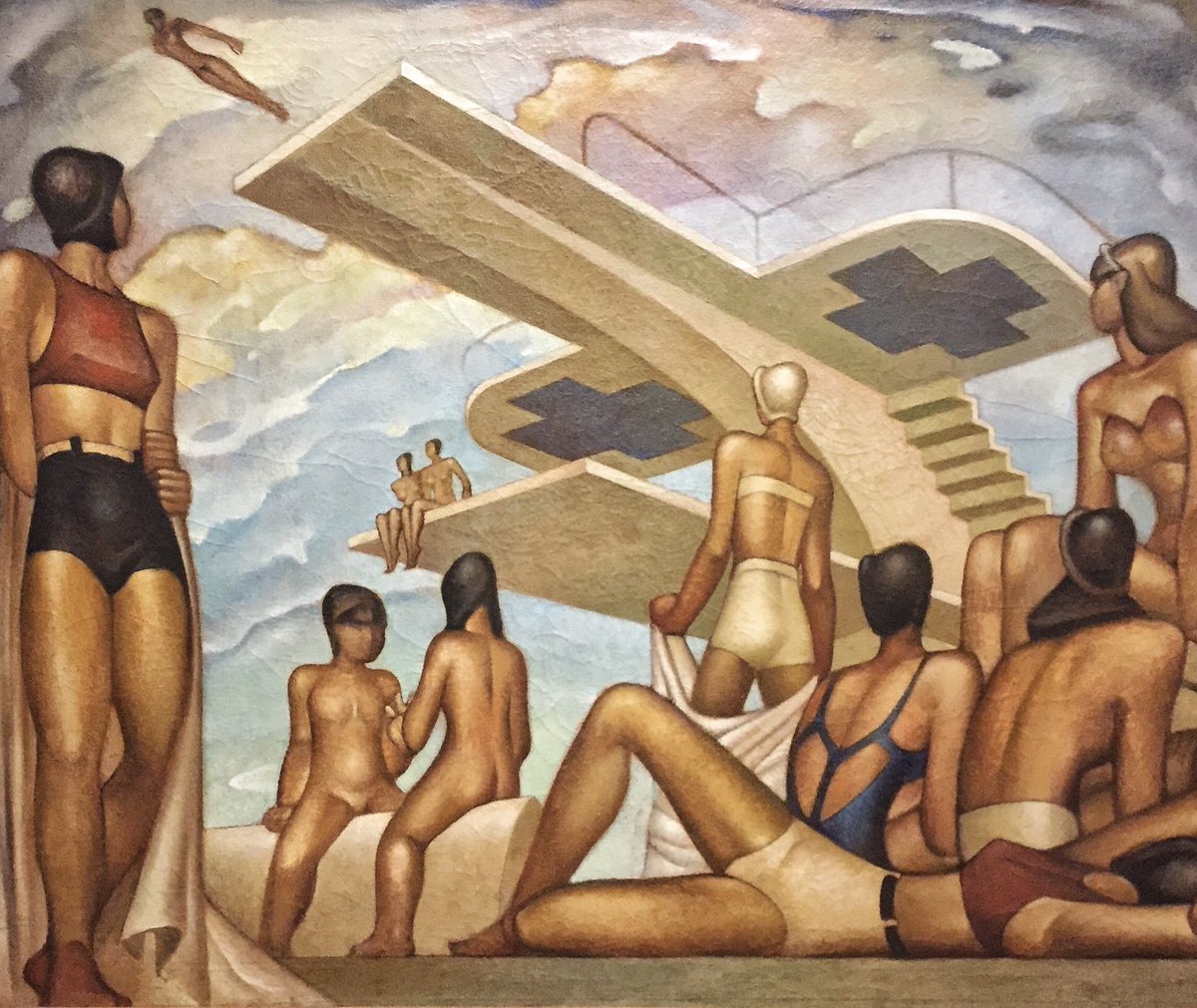
Hoy recordamos a Jorge González Camarena (1908–1980), figura clave de la plástica mexicana 🇲🇽
En “Las bañistas” se reconoce su lenguaje: formas sólidas y color intenso🖼
Conócela en “México: Ruta y destino”.
🎼 Los organilleros fueron declarados patrimonio cultural inmaterial de la Ciudad de México, de acuerdo con un decreto publicado en la 'Gaceta Oficial' capitalina.
En el documento se reconoce que el oficio de los organilleros es una manifestación cultural que integra diversos conocimientos y transmisión intergeneracional de saberes que reflejan memoria histórica, sonora e identidad y cohesión social.
Lee más aquí 👇
https://t.co/DKDDDFm5pb
Querido Fredo recordar nuestra historia no es mirar atrás, es afirmar quiénes somos. En cada memoria colectiva vive la fuerza de nuestra cultura.
Gracias por estar 🫶🏻😉
Noche de estrellas #Michelin, el máximo reconocimiento a la industria restaurantera.
#Puebla destacó por el mejor sommelier, Jonathan Robles, del @muralpoblanos, restaurante que ya está también en la guía de recomendaciones Michelin.
Otros grandes lugares para comer y que ya cuentan con esta recomendacion:
Augurio, La Noria, Casa Bacuuza, Salon Mezcali y Valiente Kitchen Bar
¡Felicidades !